Real Fix Car Smells Like Mildew After Rain 2026 Guide
Last Updated on September 1, 2026 by Albert Duke


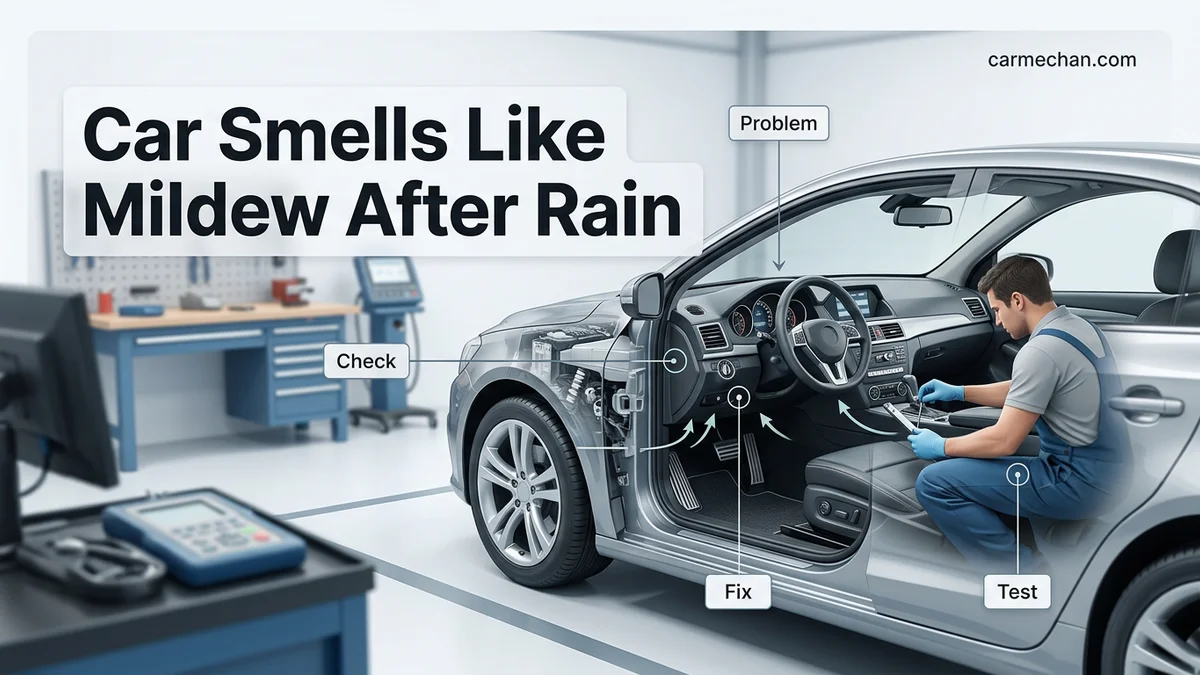
When your car smells like mildew after rain, it’s a clear sign of moisture intrusion, which can lead to mold growth and an unpleasant odor. Addressing this requires diagnosing the source of water entry and then thoroughly cleaning and drying the affected areas to eliminate both the smell and the underlying problem.
When your car smells like mildew after rain, it signals a deeper problem: moisture intrusion. This unpleasant odor is a clear indicator of mold or mildew growth within your vehicle’s interior. Ignoring it not only creates an uncomfortable environment but can also lead to potential health concerns and structural damage to your car.
Addressing this issue requires a systematic approach, starting with identifying the exact source of water entry.
We will guide you through the process of diagnosing the leak, effectively eliminating the current odor, and implementing preventative measures. Our aim is to provide a comprehensive solution that ensures your vehicle remains fresh and dry in 2026 and beyond. By understanding the root causes and applying targeted fixes, you can restore your car’s interior and prevent future recurrences.
Key Takeaways
- Identify moisture source first.
- Thoroughly dry all wet surfaces.
- Use specific odor eliminators.
- Prevent future water intrusion.
- Know when to seek professional help.
7 Common Reasons Your Car Smells Musty After Rain
A persistent mildew odor always points to a moisture issue, and rain often exacerbates these problems. Identifying the specific source of water entry is the crucial first step to long-term resolution. Here are seven common culprits that cause your car to smell musty after a downpour.

Compromised Door Seals
Over time, the rubber seals around your car’s doors can become cracked, brittle, or misaligned. This degradation allows rainwater to seep past the barrier and into the door panels or onto the carpet, leading to dampness and mildew growth.
Clogged Sunroof Drains
Sunroofs are designed with drainage channels to divert water away from the cabin. If these drains become clogged with debris like leaves or dirt, water can overflow and leak into the headliner, pillars, or floorboards, creating a musty smell.
Windshield Seal Leaks
The adhesive seal bonding your windshield to the car’s frame can degrade, especially after years of exposure to sun and temperature fluctuations. A compromised windshield seal allows rainwater to drip directly behind the dashboard or onto the front footwells.
HVAC Condensation Build-up
Your car’s air conditioning system generates condensation, which normally drains outside the vehicle. A blocked or incorrectly routed AC drain tube can cause this water to back up, pooling inside the car’s cabin, often under the carpet on the passenger side.
Trunk or Hatch Leaks
Rear window seals, taillight gaskets, and trunk lid weatherstripping are common points of failure in the rear of the vehicle. Water entering the trunk can soak through to the rear seatbacks or under the trunk liner, contributing significantly to a car’s musty odor. Maintaining these seals helps prevent such issues.
Poor Body Seam Integrity
Manufacturing defects or accident repairs can sometimes leave body seams inadequately sealed. These small gaps, particularly in the wheel wells or undercarriage, can allow water to wick into the car’s interior, especially during heavy rain or driving through puddles.
Wet Underlayment Issues
Even if the carpet surface appears dry, the thick foam underlayment beneath can retain significant amounts of water. This hidden moisture creates a perfect breeding ground for mildew, often making it difficult to fully dry and eliminate the persistent smell. Addressing this might require removing the carpet to access the underlayment.
Understanding these potential causes is the first major step in tackling the problem. Now, let’s explore how you can pinpoint the specific leak in your vehicle.
How to Pinpoint Car Water Leaks in 5 Steps
Precise diagnosis is crucial before attempting any fixes for a lingering mildew smell. Without finding and sealing the leak, any cleaning effort will only be a temporary solution. Follow these steps to locate the exact source of water intrusion.
Initial Visual Inspection
Begin by carefully examining your car’s interior for obvious signs of moisture. Look for damp carpets, water stains on the headliner, dashboard, or seats. Check under the floor mats and lift carpet edges where possible to find wetness or discoloration, which can indicate water trails. Inspect all window and door seals for visible cracks or gaps.
Focused Water Testing
Once you have potential areas, use a hose to systematically test for leaks. Start by spraying water on one section of the car (e.g., windshield, driver’s door) for several minutes while you or a helper watches inside for water entry. Move methodically around the car, isolating each area, such as the sunroof drains or rear window seals.
This helps isolate the leak location.
Dampness Detector Use
For hidden moisture, a moisture meter or dampness detector can be invaluable. These tools can detect moisture levels in upholstery, carpet, and other materials that may feel dry to the touch but are still saturated underneath. This helps confirm the extent of water intrusion beyond what is visible.
AC Drain System Check
If the passenger side floor is wet, especially after using the air conditioning, inspect the AC drain tube. It’s typically a small rubber hose protruding from the firewall underneath the car. Ensure it’s not clogged with debris, allowing condensation to flow freely outside. A clogged drain often causes water to back up into the cabin, leading to pooling under the carpet.
Seeking Expert Assessment
If you cannot locate the leak yourself, or if the source seems complex, it is wise to consult a professional auto leak repair shop. They possess specialized tools and experience to detect elusive leaks. The average cost of a professional car leak detection service can range from $100 to $300, depending on the vehicle and the complexity of the leak.
This investment can save you significant time and frustration in the long run.
Once you have identified the leak, the next phase involves thoroughly drying the vehicle and eliminating the existing mildew odor.
How to Eradicate Mildew Odor in 6 Steps
Removing the unpleasant mildew smell requires a dual approach: thoroughly drying the moisture and directly treating the mildew itself. Follow these steps to restore a fresh smell to your car’s interior.

Thorough Interior Drying


Remove all floor mats and place them outside to dry. If the carpet is saturated, lift it and the underlayment as much as possible. Use old towels, a wet/dry vacuum, or a powerful shop vacuum to extract as much water as you can. Position fans, a portable heater, or a dehumidifier inside the car, running them with windows slightly ajar (if safe) to circulate air and remove moisture.
Parking the car in direct sunlight with windows cracked can also accelerate drying.
Affected Surface Cleaning
Once dry, clean all affected surfaces. For hard surfaces, a simple solution of white vinegar and water (1:1 ratio) can kill mildew. For fabric upholstery and carpets, an enzyme-based cleaner formulated for automotive use is highly effective, breaking down organic matter that causes odors. Always test any cleaner on an inconspicuous area first to ensure colorfastness.
Prolonged exposure to mold in vehicles carries health risks, including respiratory issues and allergic reactions, making thorough cleaning vital.
Odor Neutralizer Application
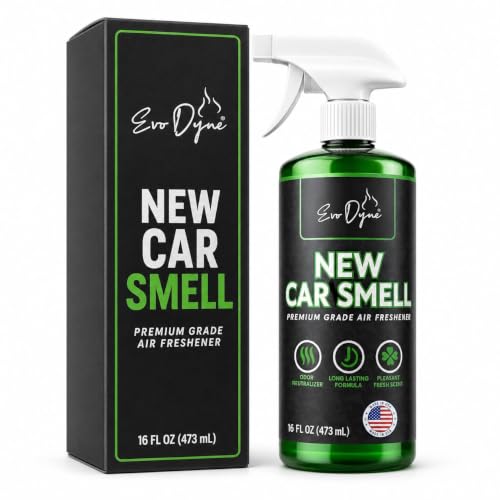
After cleaning, apply a dedicated automotive odor eliminator. Products specifically designed for mold and mildew odors often contain advanced neutralizers, not just maskers. Sprays that penetrate fabrics are ideal for seats and carpets. You might also consider placing automotive-grade odor bombs, which release a fine mist to neutralize odors throughout the cabin, following all manufacturer instructions carefully.
Air Purification Methods
For persistent odors, an ozone generator can be highly effective. This device produces ozone (O3), which oxidizes and neutralizes odors and kills mold spores in the air and on surfaces. Use an ozone generator carefully, ensuring the car is unoccupied during treatment and thoroughly aired out afterward.
Alternatively, baking soda sprinkled generously on carpets and seats, left overnight, then vacuumed, can absorb residual smells. Replace cabin air filters if they have become damp.
DIY Stain Removal
Mildew often leaves behind stains. For fabric, a mixture of hydrogen peroxide (3%) and water (1:2 ratio) can be used, again, testing on a hidden spot first. For stubborn stains, specialized automotive interior stain removers are available. Always dab, rather than rub, to avoid spreading the stain or damaging the fabric. Prompt action on new stains yields the best results.
Professional Mold Treatment
If the mold growth is extensive, if you experience health symptoms, or if the odor persists despite your best efforts, professional help is advisable. Auto detailers specializing in mold remediation have industrial-strength products and equipment, including professional-grade ozone treatments, to safely and effectively remove severe mold infestations and odors.
They can also often assess the extent of hidden mold, which DIY methods might miss.
While eradicating the current odor is essential, ensuring it doesn’t return is equally important. Let’s look at how to prevent future mildew smells effectively.
How to Prevent Future Car Mildew Smells Effectively
A proactive approach is key to ensuring your car remains fresh and free from future mildew smells. Once you’ve fixed the initial problem, these long-term strategies will help keep moisture out and odors at bay.
Regular Seal Inspection
Make it a habit to regularly inspect all rubber seals around doors, windows, and the trunk. Look for cracks, hardening, or signs of detachment. Apply a rubber protectant or silicone lubricant every 3-6 months to keep seals pliable and prevent them from drying out and cracking.
This small effort can significantly extend the life of your seals and prevent water intrusion.
Proper AC Maintenance
Ensure your air conditioning system is well-maintained. Regularly check that the AC drain tube is clear of debris to prevent condensation from backing up into the car. Consider running the fan on high without the AC for a few minutes before parking to dry out the evaporator coil, reducing the chance of mildew growth in the system itself.
Replacing your cabin air filter annually also contributes to better air quality and reduces moisture accumulation.
Interior Humidity Control
Even without leaks, high humidity can foster mildew. Use moisture-absorbing products like silica gel packets, desiccant bags, or a small portable dehumidifier, especially if your car sits unused for periods or you live in a damp climate. These products help to draw excess moisture out of the air and materials, preventing the conditions necessary for mold and mildew to thrive.
Always keep the interior clean and dry after spills to avoid lingering dampness.
Prompt Leak Repair
If you detect even a minor leak, address it immediately. Small leaks can quickly escalate into major water damage and extensive mold growth. Postponing repairs only allows more moisture to accumulate, making remediation more complex and costly. Consider using automotive-grade sealants for minor repairs or taking your vehicle to a professional for more significant issues.
Smart Parking Choices
Where you park your car can impact its susceptibility to mildew. Whenever possible, park in a garage or under a covered area during heavy rain or snow. If outdoor parking is your only option, try to choose a spot that allows for good air circulation and sunlight exposure after rain, which helps evaporate residual moisture.
Avoiding parking under trees can also prevent leaves and debris from clogging sunroof drains.
By integrating these preventative measures into your routine, you can maintain a dry, odor-free vehicle. This guide has provided comprehensive solutions from diagnosis to prevention, preparing you to tackle any mildew challenges.
Restoring Your Car’s Freshness for 2026


Discovering your car smells like mildew after rain is frustrating, but it is a solvable problem that you can address with the right approach. We have covered the critical steps from identifying the sneaky sources of water leaks to thoroughly eradicating existing odors. the key is not just to clean the smell but to find and fix the root cause of moisture intrusion.
By being proactive with inspections and maintenance, you can prevent future recurrences and ensure your vehicle remains a pleasant, healthy space.
Applying the diagnostic techniques, cleaning methods, and preventative measures discussed will empower you to keep your car’s interior fresh and dry. Do not let a musty smell detract from your driving experience in 2026. Take action, stay vigilant, and enjoy a clean-smelling ride.
Quick Answers to Your Car Mildew Questions
What Causes a Mildew Smell in My Car After It Rains?
A mildew smell after rain indicates water is entering your car’s interior. Common culprits include leaky door seals, clogged sunroof drains, compromised windshield seals, or issues with the HVAC system’s condensation drain. The trapped moisture creates an ideal environment for mold and mildew to grow, producing the distinct musty odor.
Can I Get Rid of the Car Mildew Smell Myself, or Do I Need a Professional?
You can often tackle mildew smell yourself if the leak is minor and caught early. Thorough drying, cleaning with specific agents like vinegar or enzyme cleaners, and using odor eliminators can help. However, for significant water intrusion, visible mold, or persistent leaks, professional auto detailers or leak repair shops are highly recommended to ensure complete remediation.
How Do I Dry My Car’s Interior Effectively After It Gets Wet?
To dry your car’s interior effectively, remove floor mats and lift carpets if possible. Use towels to absorb excess water, then employ fans, dehumidifiers, or even a wet/dry vacuum. Parking in direct sunlight with windows slightly open (if safe) can also help. Ensure the car is completely dry to prevent mold recurrence.
What Are the Best Products to Eliminate Mildew Odor From Car Upholstery?
For car upholstery, enzyme-based cleaners are excellent as they break down mold spores. White vinegar diluted with water can also be effective. Baking soda sprinkled on carpets and seats, left overnight, and then vacuumed, helps absorb odors. For severe cases, consider automotive odor bombs or an ozone generator treatment.
How Can I Prevent My Car From Smelling Like Mildew After Rain in the Future?
Preventing future mildew smells involves regular maintenance. Inspect and maintain your car’s door and window seals, ensure sunroof drains are clear, and regularly check your HVAC system. Controlling interior humidity with silica gel packets or a small dehumidifier can also help. Promptly address any detected leaks to avoid recurrence.