Is It Bad To Wash Your Car Every Day? Expert 2026 Guide
Last Updated on September 1, 2026 by Albert Duke
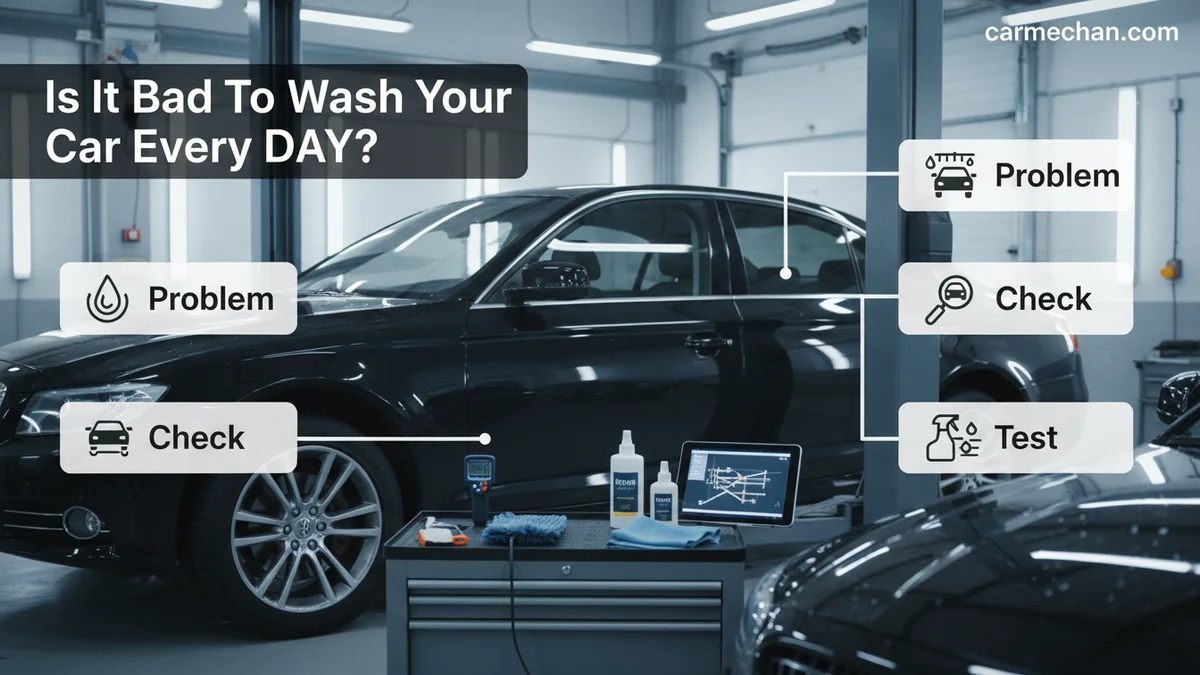
Washing your car every day isn’t inherently bad, but it depends heavily on your methods and environment. Improper techniques, harsh chemicals, and automatic washes can cause cumulative damage to paint, clear coat, and even increase water usage significantly.
Washing your car every day isn’t inherently bad, but it depends heavily on your methods and environment. Improper techniques, harsh chemicals, and automatic washes can cause cumulative damage to paint, clear coat, and even increase water usage significantly.
Key Takeaways
- Frequent washing can damage paint if done improperly.
- Hand washing with gentle products is safest for daily care.
- Automatic washes carry higher risks of swirls and scratches.
- Consider local conditions for optimal washing frequency.
- Balance cleanliness with environmental and financial costs.
Is it bad to wash your car every day? The simple answer is nuanced, as the impact of frequent cleaning hinges on various critical factors. While a gleaming vehicle is certainly desirable, the frequency and method of washing directly influence your car’s long-term health. We explore the potential pitfalls and best practices for car owners.
Understanding these details helps you maintain your vehicle’s aesthetic and structural integrity. Your car’s protection and longevity are directly tied to your car care routine. To understand this better, we must first examine the potential downsides of overly frequent cleaning.
Key Takeaways


- Frequent washing can damage paint if done improperly.
- Hand washing with gentle products is safest for daily care.
- Automatic washes carry higher risks of swirls and scratches.
- Consider local conditions for optimal washing frequency.
- Balance cleanliness with environmental and financial costs.
5 Ways Frequent Washing Damages Your Car


While a pristine car is undeniably appealing, washing it too often can inflict harm through several mechanisms if not executed with care. These issues can slowly degrade your vehicle’s finish and value. Knowing these risks allows you to make more informed decisions about your washing habits.
Paint Scratches and Swirls
Aggressive washing techniques are a primary cause of micro-scratches and swirl marks. These imperfections become visible as circular patterns in your car’s clear coat. Using dirty sponges, stiff brushes, or even abrasive cloths can drag grit across the paint surface.
Automatic car washes, especially those with rotating brushes, frequently contribute to this issue. The brushes can retain dirt from previous vehicles, transferring it to your car. . This cumulative damage dulls the paint’s reflectivity over time.
Eroding Clear Coat Integrity
The clear coat is your car’s protective barrier, shielding the paint from UV rays and environmental contaminants. Harsh detergents or abrasive cleaning tools can gradually thin this layer. Over-washing without proper care accelerates this erosion.
Once the clear coat is compromised, the underlying paint becomes vulnerable. This leads to fading, oxidation, and a diminished glossy appearance. Maintaining clear coat thickness, which typically ranges from 30 to 70 microns, is crucial for preserving your car’s finish.
Stripping Protective Coatings
Most cars benefit from wax, sealants, or ceramic coatings for added protection and shine. Frequent washing with strong, non-pH-neutral soaps can strip these protective layers. This leaves your paint exposed to the elements.
When these coatings are removed, water spots, UV damage, and environmental fallout can more easily adhere to the paint. This necessitates more frequent reapplication of protection or even correction. Regular maintenance includes reapplying these barriers as needed.
Persistent Water Spotting
Leaving water to dry naturally on your car, especially in hard water areas, causes mineral deposits to form. These calcium and magnesium residues etch into the clear coat, creating visible water spots. Daily washing often leads to consistent water exposure.
If these spots are not promptly and properly removed, they can become permanent paint damage. The chemical composition of hard water spots makes them difficult to remove once they are baked on by the sun. This requires more aggressive, potentially damaging, cleaning methods.
Hidden Rust Formation
While modern cars have improved rust protection, frequent washing can introduce moisture into crevices and hard-to-reach areas. If these spots do not dry completely, they can become breeding grounds for rust. This is particularly true for older vehicles.
Areas like wheel wells, door jambs, and undercarriage components are especially susceptible. Water can also seep into interior spaces if seals are old or damaged. Interior moisture promotes mold growth and unpleasant odors, alongside potential electrical issues.
Understanding these potential harms helps us appreciate the importance of proper washing techniques and optimal frequency for car longevity.
How Often Should You Wash Your Vehicle Safely?
Determining the ideal car wash frequency isn’t a one-size-fits-all answer; it depends on several key factors unique to your vehicle and lifestyle. Balancing cleanliness with preservation is essential. We help you find the right schedule for your specific needs.
Consider Your Driving Environment
Your local environment significantly influences how often your car needs a wash. Vehicles driven daily in urban areas with heavy traffic and pollutants may need more frequent cleaning. Cars in rural, dusty environments also accumulate dirt quickly.
Areas with salty roads, either from coastal air or winter road treatments, demand more regular washing to prevent corrosion. . Conversely, cars driven infrequently in clean, suburban settings require less attention.
Assess Your Storage Conditions
Where your car is parked plays a critical role in its cleanliness. Vehicles garaged overnight or during the day are better protected from environmental fallout. This includes bird droppings, tree sap, and industrial dust.
Cars parked outdoors are constantly exposed to these elements, warranting more frequent washes. Sun exposure can also bake contaminants onto the paint, making them harder to remove. Covered parking prolongs the time between necessary washes.
Evaluate Car Usage Patterns
A daily commuter car accumulates dirt and grime much faster than a weekend leisure vehicle. Cars used for long road trips, especially through various weather conditions, will need washing sooner. Off-road vehicles obviously require immediate cleaning after adventurous drives.
Consider what your car encounters daily. This includes road salt, mud, insects, and industrial fallout from highways. These elements can degrade your vehicle’s finish if left on for extended periods. Adjust your washing schedule accordingly.
Balance Cleanliness and Protection
For most cars under normal conditions, a wash every 1-2 weeks strikes a good balance. This removes common contaminants before they can cause long-term damage. It also avoids the risks associated with daily washing.
Regular waxing or ceramic coating application can extend the time between washes. These protective layers make the surface slicker, repelling dirt and water. This reduces the need for constant scrubbing.
Once you’ve assessed your ideal frequency, the next step involves choosing the right method to minimize risk and maximize cleanliness.
Hand Wash vs Automatic for Frequent Cleaning

The method you choose for cleaning your car profoundly impacts its long-term finish, especially when considering frequent washes. Each approach carries distinct advantages and disadvantages. We examine which option provides the best balance of safety and effectiveness.
Benefits of Hand Washing
Hand washing offers the most control over the cleaning process. You can use soft microfiber mitts and the two-bucket method to minimize scratching. This personalized approach allows you to focus on specific dirty areas or delicate surfaces.
Hand washing with gentle, pH-neutral soaps is significantly safer for your paint and clear coat. It avoids the abrasive contact of stiff brushes used in some automatic systems. . This method helps preserve your car’s finish.
Risks of Automatic Washes
Automatic car washes, while convenient, pose higher risks for frequent use. Brush-style washes can cause micro-scratches and swirl marks, especially if their brushes are not meticulously cleaned between cars. The chemicals used can also be harsh, stripping waxes and sealants.
The high-pressure sprays in some automatic washes can force water into seals. This potentially leads to moisture issues or accelerated wear on exterior components. Repeated exposure to these conditions can gradually degrade your car’s exterior.
Assessing Touchless Systems
Touchless automatic car washes avoid physical contact, reducing the risk of scratches. They rely on high-pressure water and strong detergents to clean the car. While safer for paint, these powerful chemicals can still strip protective coatings.
Some touchless systems may not clean as thoroughly as a hand wash, leaving behind a film or stubborn dirt. The efficacy of a touchless wash depends on the quality of the system and chemicals used. Consider this when choosing a frequent washing solution.
Regardless of your chosen method, specific techniques and products are essential for safely washing your car frequently and preventing damage.
How to Wash Your Car Daily Without Harm
If frequent cleaning is a necessity or preference, employing the right techniques and tools can significantly mitigate potential damage and maintain your vehicle’s pristine condition. Mastering these methods ensures your car stays looking its best. We provide actionable advice for preserving your vehicle.
Use Correct Washing Technique
Always begin by rinsing your car thoroughly to remove loose dirt and debris. Use the two-bucket method: one bucket with soapy water, and one with clean rinse water for your wash mitt. This prevents transferring grit back onto the paint. Wash from top to bottom, using straight-line motions rather than circles.
Use separate mitts for upper and lower sections of the car, as the lower parts collect more abrasive grime. Rinse your mitt frequently in the clean water bucket. This minimizes the risk of introducing swirl marks and scratches to your finish.
Select Gentle Cleaning Products
Choose a high-quality, pH-neutral car soap that is gentle on your vehicle’s paint and clear coat. . Avoid household detergents, as they can strip wax and damage finishes. Look for soaps specifically designed for automotive use.
These specialized soaps are formulated to lift dirt effectively without harming protective layers. They also often contain lubricants that help the wash mitt glide smoothly over the surface. This further reduces the chance of scratching.
Invest in Protective Coatings
Applying a protective coating like car wax, a sealant, or a ceramic coating is crucial for frequent washers. These layers create a barrier between your car’s paint and environmental contaminants. They also make the surface smoother and easier to clean.
A ceramic coating, for example, offers superior durability and hydrophobic properties. This causes water and dirt to bead up and roll off. This reduces the need for aggressive scrubbing and helps prevent water spots from forming. Regular reapplication of these coatings extends their benefits.
Employ Safe Drying Methods
Drying your car immediately after washing is essential to prevent water spots. Use ultra-soft, absorbent microfiber towels designed for car detailing. Blot the water gently rather than rubbing forcefully. This minimizes friction and potential scratches.
Alternatively, a car-specific leaf blower or a dedicated car dryer can be used for a touchless drying experience. This method eliminates contact entirely, providing the safest drying option. Always ensure the car is completely dry before driving.
Beyond car care, it is also important to consider the broader implications of frequent washing on resources and costs.
What Is the True Cost of Frequent Car Washes?
While the aesthetic benefits of a clean car are evident, washing it frequently also carries significant environmental and financial considerations that merit attention. Understanding these aspects helps you make more sustainable and economical choices. We break down the various costs involved.
Understanding Water Consumption
Daily car washing, especially at home, can consume substantial amounts of water. A typical home car wash can use gallons of water. Commercial car washes often use less water per vehicle due to water recycling systems, typically around 30-50 gallons per wash.
Frequent home washing contributes to local water consumption significantly more than less frequent washes. Opting for water-efficient methods or professional washes can reduce this environmental impact. This helps conserve a vital natural resource.
Considering Chemical Runoff
The soaps, degreasers, and other chemicals used in car washing can end up in storm drains. These drains often lead directly to rivers, lakes, and oceans without treatment. This introduces pollutants into ecosystems, harming aquatic life. Many modern car soaps are biodegradable.
Choosing environmentally friendly, biodegradable car wash soaps mitigates this risk. . Washing your car on a permeable surface, like grass or gravel, allows water to filter through the soil. This helps break down chemicals before they reach water bodies.
Calculating Financial Expenditure
Washing your car daily, whether at home or commercially, accumulates significant costs over time. If you use an automatic car wash, even at a discounted rate, daily visits add up quickly. Home washing requires an ongoing investment in soap, mitts, towels, and protective coatings.
These expenses can easily amount to hundreds or even thousands of dollars annually. Consider the longevity of your car and the impact on your wallet. Smart spending on car care can yield better long-term results.
Comparing DIY Versus Professional
DIY car washing often appears cheaper upfront but can become costly if improper techniques lead to paint correction services. Professional detailers or high-quality hand car wash services typically use advanced equipment and gentler products. This can prevent long-term damage.
While professional services cost more per wash, they often provide a superior, safer clean that extends your car’s finish. This may reduce the need for expensive repairs or detailing down the line. Balance the immediate cost with the long-term value for your vehicle.
We’ve explored the practical, financial, and environmental facets of frequent car washing; let’s now summarize our findings to help you make informed decisions.
Making Smart Car Washing Choices for 2026
Is it bad to wash your car every day? We found the answer is not a simple yes or no. Frequent car washing requires careful consideration of methods, products, and environmental factors. Improper techniques can cause paint damage, clear coat erosion, and contribute to water waste. However, with the right approach, daily cleaning can be managed without harm.
Always prioritize gentle hand washing with pH-neutral soaps and high-quality microfiber tools. Invest in protective coatings like ceramic to create a resilient barrier. Evaluate your driving environment, storage, and usage patterns to determine an optimal washing frequency. By making informed choices, you can keep your car pristine while also being mindful of environmental and financial costs. Your vehicle’s longevity and appearance depend on these deliberate care routines.
Frequently Asked Questions About Car Washing
Does Daily Washing Ruin Car Paint?
No, daily washing itself doesn’t inherently ruin paint if done correctly. However, improper techniques, abrasive materials, or harsh chemicals used too frequently can cause swirl marks, clear coat erosion, and strip protective layers over time. Careful method selection is key.
How Often Should You Wash Your Car for Best Results?
For most drivers, washing every 1-2 weeks is optimal to remove contaminants without excessive wear. However, factors like driving environment, weather conditions, and how the car is stored can necessitate more or less frequent cleaning to maintain its finish.
Are Automatic Washes Bad for Paint If Used Daily?
Yes, many automatic car washes, especially those with spinning brushes, can be detrimental if used daily. They often cause micro-scratches and swirl marks from reused brushes and water. Touchless automatic washes are generally safer but may use harsher chemicals.
What Is the Safest Way to Wash Your Car Frequently?
The safest way involves hand washing with the two-bucket method, using pH-neutral car soap, and soft microfiber mitts. Prompt, gentle drying with microfiber towels or a car dryer is also crucial to prevent water spots and scratches.
How Much Water Does a Frequent Car Wash Use?
A home car wash can use over 80 gallons of water. Professional automatic washes often use 30-50 gallons, sometimes with recycling. Frequent washing increases water consumption significantly, so consider water-efficient methods or commercial washes.