2010 Nissan Altima TPMS Reset Button Location & Facts
Last Updated on September 1, 2026 by Ryan
📋 Table of Contents
- 🎯 Key Takeaways
- Understanding the 2010 Nissan Altima TPMS Architecture
- 2010 Nissan Altima TPMS Reset Made Easy: Your Essential Action Plan
- Why Manufacturers Omit Physical Reset Buttons
- Common Causes for Persistent TPMS Warnings
- Maintenance Factors Influencing Sensor Longevity
- Conclusion
- 💬 Quick Questions & Answers
- ❓ Frequently Asked Questions


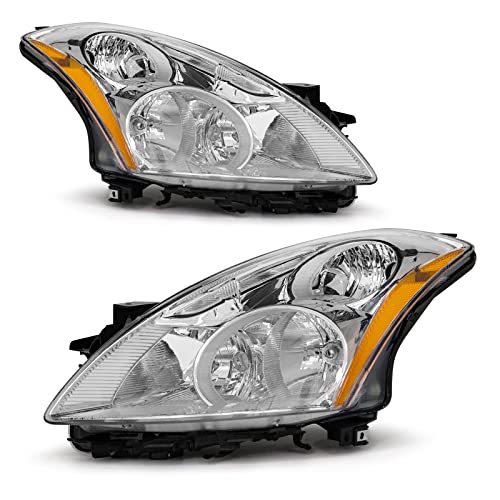
The 2010 Nissan Altima does not feature a physical TPMS reset button like many other vehicles. Instead, the system utilizes an automatic relearn process that triggers once tires are properly inflated and the vehicle is driven at sustained speeds.
🎯 Key Takeaways
- No physical reset button exists on the dashboard or glovebox.
- System auto-calibrates after driving above 16 mph for several miles.
- Check the driver-side door placard for the correct PSI levels.
- A flashing light usually indicates a sensor battery failure.
- Original 2010 sensors often require replacement due to age.
Have you ever started your 2010 Nissan Altima only to be greeted by a glowing orange horseshoe on your dashboard? This little symbol is more than just a nuisance; it is a vital safety guardian known as the Tire Pressure Monitoring System (TPMS). Many drivers assume there is a simple button hidden under the dash to make this light go away, but the reality is a bit more complex. Understanding why your car behaves this way can save you from unnecessary stress and expensive trips to the mechanic.
The TPMS in your Altima is designed to keep you safe by preventing blowouts and improving your fuel economy. When the light stays on, your car is trying to tell you something important about its health. While you might be searching for a quick “reset” fix, knowing the logic behind the system is the first step toward a permanent solution. This guide explores the architecture of your Nissan’s safety tech and explains why you will not find a physical reset button in the cabin.
Understanding the 2010 Nissan Altima TPMS Architecture
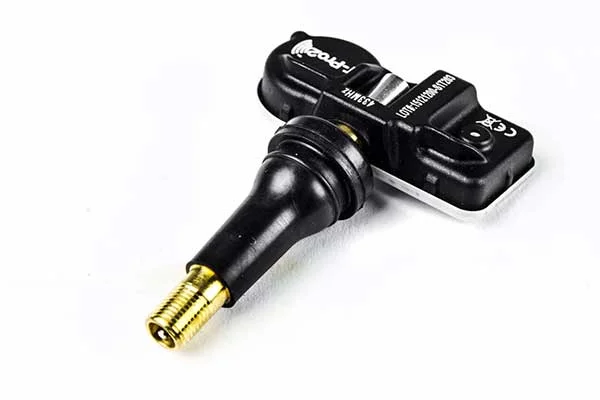
Your 2010 Nissan Altima uses what is known as a Direct TPMS. This is a sophisticated network of hardware and software designed to provide real-time data. Unlike older “indirect” systems that guessed tire pressure based on wheel speed, your Altima has actual eyes inside the tires. This architecture is robust, but it requires all parts to work in perfect harmony to keep the dashboard light dark.
The Role of Direct Sensors
Inside each wheel of your Altima sits a small, battery-powered sensor attached to the inner end of the air valve. These sensors measure the exact PSI (pounds per square inch) of the air in your tires. They then transmit this data via a radio frequency signal to the car’s central computer, often called the Body Control Module (BCM). If any tire drops about 25% below the recommended pressure, the BCM triggers the warning light.
- Battery Life: These sensors rely on internal batteries that usually last 5 to 10 years. In a 2010 model, these batteries may be reaching the end of their life cycle.
- Radio Frequency: The sensors operate on a specific frequency (usually 315 MHz) to talk to your car.
- Continuous Monitoring: The system checks your pressure constantly while you drive, not just when you start the engine.
Because the sensors are physical hardware, they can sometimes fail due to road debris, moisture, or simple age. When a sensor stops sending a signal, the computer gets confused. Instead of a low-pressure warning, you might see the light flash for a minute and then stay solid. This is your car’s way of saying it has lost contact with its “scouts” in the wheels.
2010 Nissan Altima TPMS Reset Made Easy: Your Essential Action Plan
The Tire Pressure Monitoring System (TPMS) in your 2010 Nissan Altima is a crucial safety feature designed to alert you when one or more tires are significantly under-inflated. However, many owners find themselves searching for a physical reset button that simply does not exist on this specific model. Unlike some competitors, the 2010 Altima utilizes an automatic relearn process or a specific sequence of actions to clear the warning light. This guide will walk you through the precise steps required to calibrate your sensors, clear that stubborn dashboard light, and ensure your vehicle is communicating correctly with its tire sensors after a rotation, replacement, or seasonal pressure change.
Step 1: Perform a Visual Inspection and Initial Pressure Check
What you need: A high-quality digital or analog tire pressure gauge and a clean rag.
Instructions: Before attempting any electronic reset, you must ensure the physical state of the tires is correct. Use your rag to wipe the valve stem caps clean to prevent dirt from entering the seals. Measure the current air pressure in all four tires, including the spare if it is equipped with a sensor (though most 2010 Altima spares are temporary and do not have sensors). Note the current readings for each tire. It is vital to do this while the tires are “cold,” meaning the car has been parked for at least three hours or driven less than a mile. Hot tires can give a false reading that is 3-4 PSI higher than the actual baseline, which will interfere with the system’s ability to reset properly.
Pro Tip: Never rely on visual inspection alone; radial tires can be significantly under-inflated by 10 PSI or more without appearing “flat” to the naked eye.
Step 2: Locate the Manufacturer’s Recommended PSI
What you need: Access to the driver’s side door jamb.
Instructions: Open the driver’s door and look at the “Tire and Loading Information” placard located on the B-pillar (the frame between the front and rear doors). For a standard 2010 Nissan Altima, the recommended cold tire pressure is typically 32 PSI for both front and rear tires, regardless of whether you have the 16-inch or 17-inch wheel package. Do not use the “Max Pressure” listed on the sidewall of the tire itself; that number indicates the maximum pressure the tire can hold at maximum load, not what is optimal for your Altima’s handling and sensor calibration. Matching the placard exactly is the most important step in getting the TPMS computer to recognize the “Correct” state.
Pro Tip: If you are carrying a heavy load or a full car of passengers, check the manual for “loaded” pressure recommendations, but for the reset process, stick to the door placard values.
Step 3: Inflate Tires to the Target Specifications
What you need: An air compressor or a gas station air pump.
Instructions: Fill all four tires to exactly 32 PSI (or the specific number listed on your door placard). If you accidentally over-inflate a tire, use the small pin on the back of your pressure gauge to bleed air out until the reading is precise. The 2010 Nissan Altima TPMS is sensitive; a variance of even 2-3 PSI between tires can sometimes prevent the system from clearing the warning light. Ensure the valve caps are screwed back on tightly to prevent moisture and debris from damaging the TPMS sensor internal components, which are located directly behind the valve stem.
Pro Tip: In colder months, air density drops, causing the TPMS light to trigger. Always add an extra 1-2 PSI during the winter to account for the pressure drop when the car sits overnight in freezing temperatures.
Step 4: Execute the Automatic Relearn Driving Cycle
What you need: A clear stretch of road and about 15 minutes of time.
Instructions: Since the 2010 Nissan Altima does not have a physical “Reset Button” under the dashboard or in the glove box, the system relies on a driving cycle to register the new pressures. Once the tires are properly inflated, start the engine and drive the vehicle. You must maintain a speed of at least 16 mph (25 km/h) for a minimum of 10 to 15 minutes. During this time, the centrifugal force of the spinning wheels “wakes up” the TPMS sensors, and they begin transmitting updated pressure data to the BCM (Body Control Module). If the light does not turn off within 20 minutes of continuous driving at these speeds, the system may require a manual trigger or a diagnostic check.
Pro Tip: Avoid stop-and-go traffic for this step. A steady cruise on a highway or a suburban main road is the most effective way to ensure the sensors transmit consistently.
Step 5: Decipher the TPMS Light Patterns
What you need: Observation of the dashboard instrument cluster.
Instructions: Pay close attention to how the TPMS light behaves when you first turn the ignition to the “ON” position. If the light stays solid and then eventually turns off after your drive, the system was simply reacting to low pressure. However, if the TPMS light flashes for approximately one minute and then stays solid, this indicates a system malfunction rather than just low pressure. In a 2010 model, this most commonly signifies a dead battery in one of the wheel sensors. TPMS sensor batteries generally last 7 to 10 years; since the 2010 Altima is now well beyond that window, a flashing light usually means it is time to replace one or more sensors.
Pro Tip: If the light is flashing, no amount of air or driving will reset it. You will need an OBD-II scan tool to identify which specific sensor has failed.
Step 6: The “Key Cycle” Manual Initialization


What you need: Your ignition key or Push-to-Start button.
Instructions: If the driving reset fails, try a manual power cycle to “nudge” the computer. Turn the ignition to the “ON” position (dash lights on, engine off). If you have a push-button start, press the button twice without touching the brake pedal. Wait for 30 seconds. Turn the ignition completely off. Repeat this process three times in a row. This can sometimes force the BCM to re-poll the sensors for fresh data. After the third cycle, start the engine and perform the driving routine mentioned in Step 4. This is a common “soft reset” used by technicians to clear lingering codes in the Nissan communication bus.
Pro Tip: Make sure your phone and other electronic devices are away from the center console during this time, as radio frequency interference can occasionally disrupt the sensor signals.
Step 7: Utilizing a TPMS Relearn Tool (If Necessary)
What you need: An entry-level TPMS activation tool (like the Autel MaxiTPMS) or a visit to a tire shop.
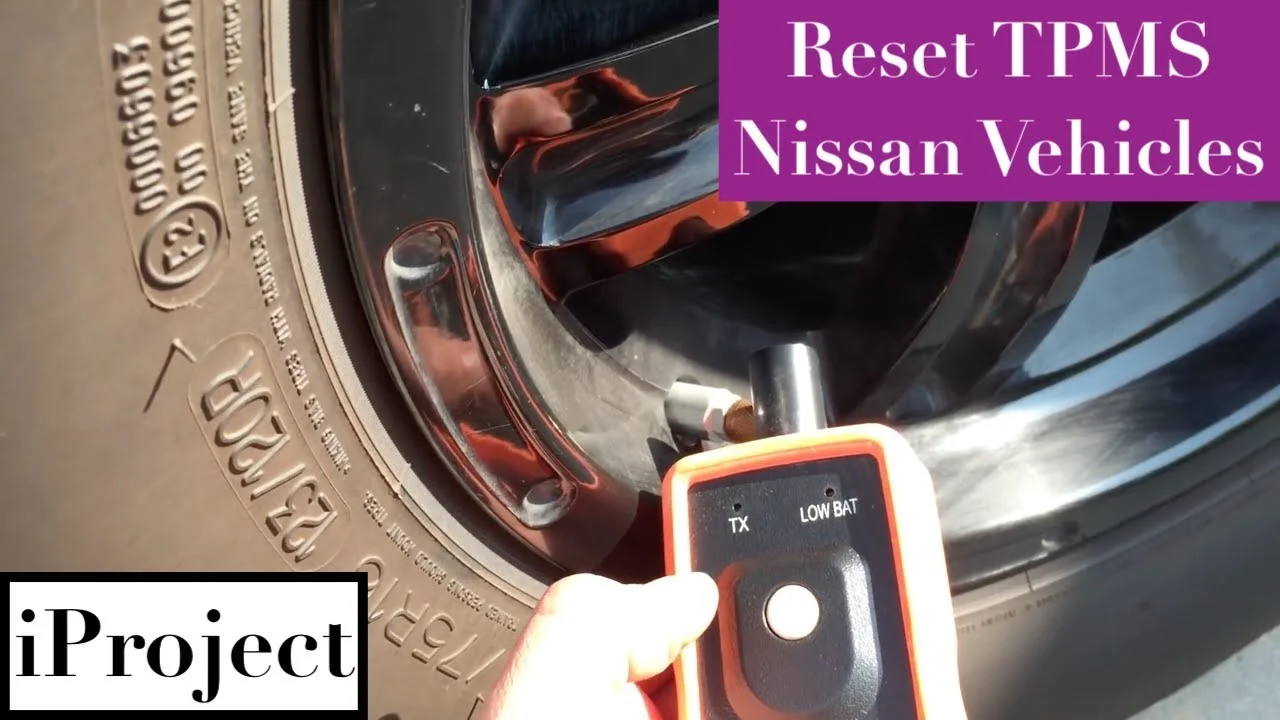
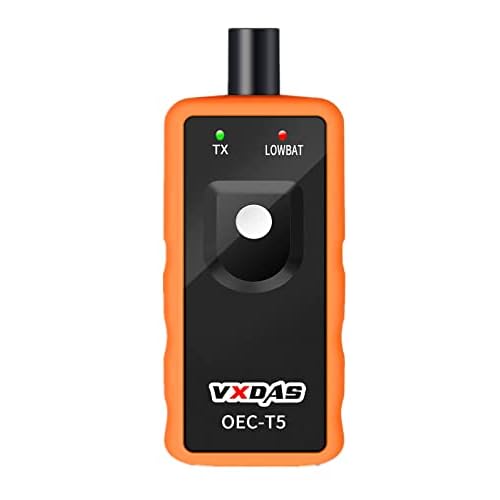
Instructions: If the light persists despite perfect tire pressure and the driving cycle, the sensors may need to be “woken up” manually. A TPMS tool sends a specific 125 kHz signal to the sensor, forcing it to transmit its ID and pressure data to the car’s receiver. Hold the tool against the sidewall of the tire near the valve stem and press the “Scan” or “Activate” button. Do this for all four tires, starting from the Driver’s Front and moving clockwise (DF, Passenger Front, Passenger Rear, Driver’s Rear). This tells the car’s computer exactly where each sensor is located and that they are active.
Pro Tip: Most major tire chains (like Discount Tire or Belle Tire) will perform this electronic “ping” of your sensors for free or a very small fee if you ask nicely.
✅ Final Checklist
- Tires inflated to 32 PSI (or door placard spec) while cold.
- Valve caps installed and tightened to prevent leaks.
- Vehicle driven for 15+ minutes at speeds above 16 mph.
- TPMS light is no longer illuminated on the dashboard.
- Verification that the light does not flash upon engine startup (indicating sensor health).
Important Notes:
- Safety First: Never ignore a TPMS light. Low tire pressure significantly increases braking distances and the risk of a high-speed blowout.
- Sensor Lifespan: Because the 2010 Altima is an older vehicle, be prepared for sensor battery failure. If one fails, the others are likely close behind; consider replacing all four at your next tire change.
- Professional Help: If the light flashes and you cannot clear it with these steps, a professional diagnostic tool is required to see if the TPMS module or the receiver has failed.
- Estimated Time: 20–30 minutes.
- Estimated Cost: $0 (DIY) to $15 (Air/Gas Station) or $50-$100 per sensor if replacement is needed.
Why Manufacturers Omit Physical Reset Buttons
You might notice that some cars, like certain Toyotas or older Hondas, have a dedicated “SET” button near the steering wheel. However, Nissan chose a different path for the 2010 Altima. You can search every inch of your glove box and under-dash panels, but you will not find a physical TPMS reset button. This was a deliberate engineering choice focused on safety and automation.
The Shift Toward Self-Calibration
Nissan engineers designed the 2010 Altima to be “self-learning.” The idea is that the car should be smart enough to recognize when you have fixed the problem. If you add air to your tires to reach the levels listed on your door placard, the car is programmed to detect that change automatically. By removing a physical button, the manufacturer ensures that drivers actually fix the tire pressure rather than just “silencing” a safety warning.
- Preventing Human Error: A reset button allows a driver to hide a warning without checking the tires. This could lead to a dangerous blowout.
- TREAD Act Compliance: Following federal safety laws, manufacturers moved toward systems that require the actual fault to be corrected for the light to turn off.
- Streamlined Design: Removing unnecessary buttons creates a cleaner interior and reduces the complexity of the dashboard wiring.
Think of your Altima as a proactive listener. It is always waiting for the correct signal from the wheel sensors. When you provide the right air pressure, the signal changes, and the car acknowledges the “fix” on its own. This eliminates the need for you to navigate through complex menus or hunt for hidden switches. While it can be frustrating when the light stays on, it is actually a sign that the system is doing its job by demanding your attention to a potential safety risk.
In the 2010 Altima, the “button” is essentially the air pump at your local service station. Once the physical condition of the tires matches what the computer expects, the system resolves itself through a process of motion and time. This automated approach ensures that your safety is never just a button-press away from being ignored.
Common Causes for Persistent TPMS Warnings
Even after you have addressed the air pressure in your 2010 Nissan Altima, you might find that the warning light refuses to disappear. This is a common frustration for many Altima owners, and it usually stems from factors beyond a simple flat tire. Understanding these triggers can save you a lot of time and unnecessary trips to the mechanic.
Environmental and Temperature Fluctuations
One of the most frequent reasons for a stubborn TPMS light is the change in seasons. Air is a gas that expands when hot and contracts when cold. For 2010 Altima drivers in colder climates, a sudden drop in temperature overnight can cause the air pressure to dip just enough to trigger the sensor. By the time you start driving and the tires heat up, the pressure might return to “normal,” but the system may still hold onto the warning until it completes a full diagnostic cycle.
- Seasonal Drops: A 10-degree drop in temperature can result in a loss of 1-2 PSI.
- Direct Sunlight: Parking with one side of the car in the sun can create pressure imbalances between the left and right tires.
- Altitude Changes: Driving from sea level to higher elevations changes the external pressure exerted on the tire, which can confuse older sensors.
Slow Leaks and Hidden Valve Stem Issues
If your light comes back on every few days, you likely have a “nuisance leak.” This isn’t a blowout, but rather a slow escape of air that is hard to see with the naked eye. On a 2010 model, the valve stems themselves are often the culprit. Over a decade of exposure to road salt and moisture can cause the metal components to corrode, leading to microscopic gaps where air escapes.
Maintenance Factors Influencing Sensor Longevity
The TPMS sensors in your 2010 Nissan Altima are sophisticated electronic devices powered by internal batteries. Because these sensors are located inside the wheel, they are subject to extreme centrifugal force, heat, and vibration. Maintaining them requires a bit more foresight than simply checking your tire pressure once a month.
Battery Depletion and Component Age
The internal lithium batteries in Nissan TPMS sensors are typically designed to last between 5 and 10 years. Given that the 2010 Altima is well beyond that window, many original sensors are reaching the end of their functional life. When a battery begins to fail, the signal sent to the car’s computer becomes intermittent or weak, causing the TPMS light to blink or stay illuminated even when pressures are perfect.
- Battery Life: Most sensors do not have replaceable batteries; the entire unit must be replaced.
- Signal Interference: Aftermarket electronic accessories or even some cell phone chargers can occasionally interfere with the radio frequency used by older TPMS systems.
- Sensor Physical Damage: Rough handling during tire mounting or balancing can easily crack the sensor housing.
The Dangers of Chemical Sealants
If you experience a flat, you might be tempted to use a “fix-a-flat” canned sealant. For a vehicle equipped with TPMS like the 2010 Altima, this can be a costly mistake. The thick, sticky residue from these sealants can coat the sensor’s pressure port, effectively “blinding” it. Once the sensor is gummed up, it can no longer provide accurate readings, and the warning light will likely stay on permanently until the sensor is professionally cleaned or replaced.
Conclusion
Navigating the TPMS system on a 2010 Nissan Altima can be tricky, especially since the vehicle lacks a dedicated physical reset button. By understanding that the system relies on accurate pressure, healthy sensor batteries, and stable environmental conditions, you can better manage those pesky dashboard warnings. Remember that a persistent light is more than an annoyance; it is a vital safety feature designed to protect your fuel economy and your safety on the road.
Your next step should be to verify your tire pressure using a high-quality digital gauge to ensure your sensors are receiving the correct data. If the light remains after several miles of driving, it may be time to visit a local technician to check for sensor battery life. Keep those tires properly inflated, and enjoy the peace of mind that comes with a clear, warning-free dashboard!
💬 Quick Questions & Answers
Where is the 2010 Nissan Altima TPMS reset button located?
There is no physical reset button; the system resets automatically through driving.
How long does it take for the light to turn off?
Usually, the light clears within 10 to 15 minutes of driving at speeds over 16 mph.
What is the correct PSI for a 2010 Altima?


The recommended pressure is typically 32-35 PSI, but check your driver-side door jamb sticker.
Can I reset the light while parked?
No, the sensors require wheel rotation to broadcast updated pressure data to the computer.
Why is my TPMS light still on after filling the tires?
The system may require more driving time, or one of the sensor batteries may have failed.
❓ Frequently Asked Questions
Why can’t I find a TPMS reset button in my 2010 Altima?
Nissan designed this specific model year with an automatic relearn system rather than a manual button. Once all tires reach the correct pressure, the system detects the change through driving and clears the light automatically.
What does it mean if the TPMS light flashes for one minute then stays solid?
A flashing light followed by a solid light indicates a malfunction in the system itself, likely a dead sensor battery. This requires professional diagnosis with a TPMS scan tool to identify which specific sensor has failed.
Will cold weather trigger the TPMS light on my Altima?
Yes, air density changes in winter often cause tire pressure to drop below the threshold. Even a minor 5 PSI drop can trigger the dashboard warning until the tires are re-inflated and warmed up.
Are the TPMS sensors in the 2010 Altima original or replaceable?
The sensors are integrated into the valve stems and have a limited battery life of roughly 7 to 10 years. If you are still using the original sensors from 2010, they are likely reaching the end of their functional life.
Is it safe to drive with the TPMS light on?
While the car is driveable, it is unsafe to continue without verifying the actual tire pressure manually. A solid light could indicate a slow leak that might lead to a dangerous blowout if ignored.
Can aftermarket wheels affect the TPMS system performance?
Yes, if the original sensors weren’t moved to the new wheels or if compatible aftermarket sensors weren’t installed and programmed. The system will remain in an error state because it cannot receive signals from missing sensors.