2016 Hyundai Sonata TPMS Reset Button Location & Info
Last Updated on September 1, 2026 by Ryan
📋 Table of Contents
- 🎯 Key Takeaways
- Understanding the 2016 Hyundai Sonata TPMS Logic
- 2016 Hyundai Sonata TPMS Made Easy: Your Essential Action Plan
- Common Factors That Trigger TPMS Warning Lights
- The Importance of Tire Pressure for Vehicle Safety
- Comparing Direct vs. Indirect TPMS Monitoring Systems
- Conclusion
- 💬 Quick Questions & Answers
- ❓ Frequently Asked Questions


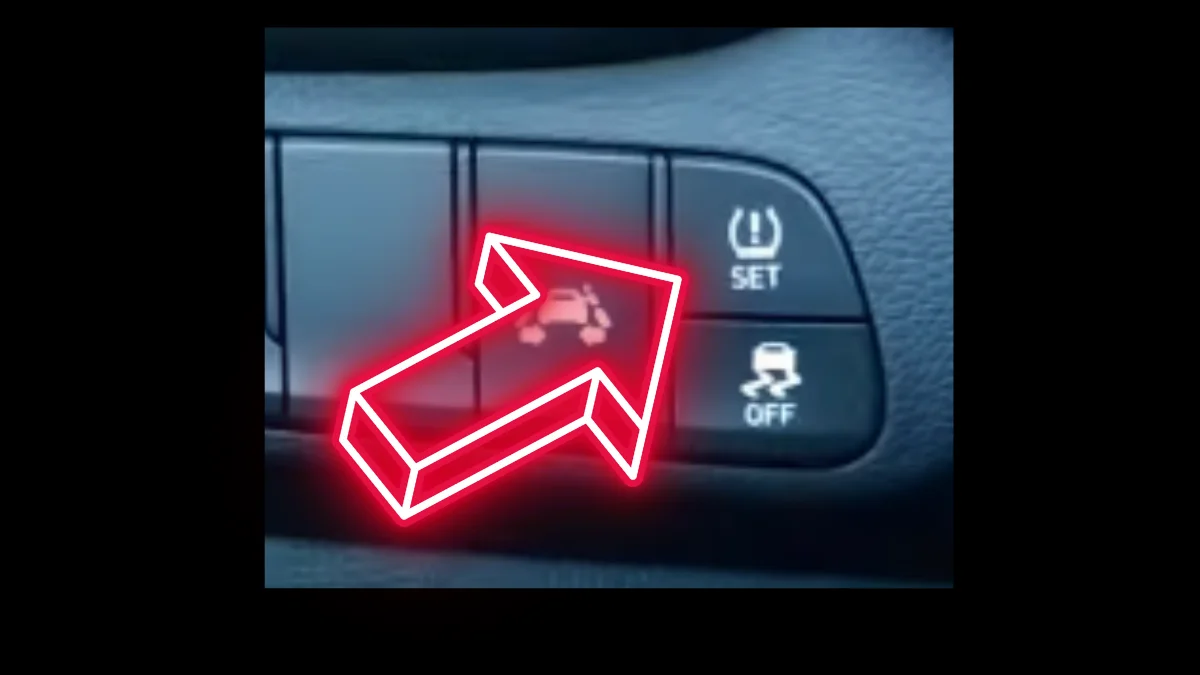
Most 2016 Hyundai Sonata models do not have a physical TPMS reset button because the system is designed to recalibrate automatically. To clear the light, you must inflate tires to the correct PSI and drive the vehicle for a specific duration to sync the sensors.
🎯 Key Takeaways
- Takeaway 1:Most 2016 Sonatas use an automatic sensor reset system.
- Takeaway 2:Check the driver-side door jamb for correct PSI levels.
- Takeaway 3:Driving at 20+ mph usually triggers the auto-recalibration.
- Takeaway 4:Cold weather is a primary cause of false TPMS alerts.
- Takeaway 5:A flashing light indicates a sensor malfunction, not low pressure.
Have you ever climbed into your driver’s seat, turned the key, and noticed a glowing yellow horseshoe symbol staring back at you? If you drive a 2016 Hyundai Sonata, you are certainly not alone. That little icon is the Tire Pressure Monitoring System (TPMS) light, and it is one of the most common alerts owners see on their dashboard. While it might feel like a nuisance, this light is a crucial safety guardian that helps you stay in control of your vehicle.
Ignoring your tire pressure can lead to some expensive and dangerous problems. Low pressure affects how your car handles, how quickly you can stop, and even how much money you spend at the gas pump. By understanding why this light turns on and how your Sonata monitors its wheels, you can drive with much more confidence. This guide will help you understand the “brain” of your car’s tire system and the factors that cause it to alert you in the first place.
Understanding the 2016 Hyundai Sonata TPMS Logic
The 2016 Hyundai Sonata uses what is known as a Direct TPMS. This is a highly accurate way of monitoring your tires. Unlike older or cheaper systems that just guess based on how fast the wheels are spinning, your Sonata has physical hardware inside each wheel. These sensors act like miniature weather stations, constantly measuring the exact air pressure and temperature inside the rubber. This data is then beamed wirelessly to the car’s central computer.
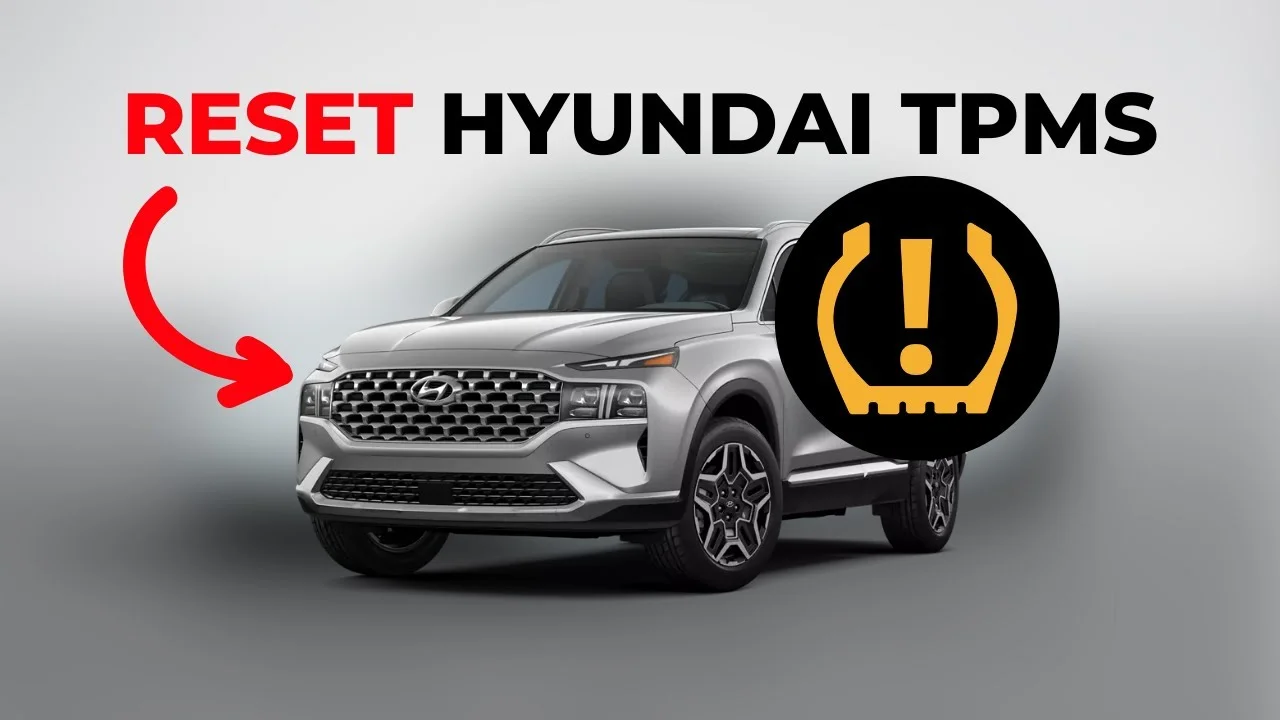
One interesting thing about the 2016 Sonata is that it is designed to be very “smart.” In many older vehicles, you had to press a physical button under the dash to tell the car to reset. However, Hyundai shifted toward an automated logic for this model year. The car is programmed to recognize the correct pressure levels on its own. Once the sensors detect that the air has reached the factory-recommended level, the system usually validates the data and clears the warning light without much input from you.
The “Set and Forget” System Design
Hyundai designed the 2016 Sonata to simplify the driving experience. The logic is built around the idea that the car should know when it is healthy. Instead of a manual reset button hidden in the glove box or under the steering wheel, the system relies on movement and pressure thresholds. This means the car is constantly “talking” to its wheels while you drive, checking to see if the pressure matches the numbers listed on the sticker inside your driver’s side door jam.
How the Dashboard Communicates With You
Your Sonata’s instrument cluster is your primary source of information. Depending on which trim level you have—such as the SE, Sport, or Limited—your display might even show you the specific PSI for each individual tire. This is incredibly helpful because it eliminates the guesswork. You won’t have to walk around the car with a handheld gauge in the rain to find the culprit; the car’s internal logic points you directly to the tire that needs attention.
- Direct Monitoring: Uses battery-powered sensors inside the tire.
- Digital Feedback: Provides real-time pressure data to the driver.
- Automated Calibration: Designed to recognize correct pressure through driving.
- Safety Thresholds: Alerts you when pressure drops roughly 25% below the target.
2016 Hyundai Sonata TPMS Made Easy: Your Essential Action Plan
If you are searching for a physical TPMS reset button in your 2016 Hyundai Sonata, you might be looking for quite a while. Unlike some older vehicles or specific competitors that utilize a dedicated “Set” button under the dashboard or inside the glove box, the 2016 Hyundai Sonata features an automated, software-driven Tire Pressure Monitoring System (TPMS). This guide will walk you through the precise procedure to “reset” this system, which involves a combination of manual inflation and a specific driving cycle. Following these steps is vital not only to clear that annoying dashboard light but also to ensure your vehicle maintains optimal fuel efficiency, handling, and tire longevity.
Step 1: Locating the Non-Existent Button and Understanding the System
What you need: Your vehicle’s owner’s manual (optional) and a moment of patience to understand the logic of the Hyundai system.
Instructions: The first thing you must realize is that there is no physical “Reset” button for the TPMS on a 2016 Hyundai Sonata. While many drivers search the lower left dash panel or the interior of the center console, Hyundai designed this model to be “self-learning.” This means the system is programmed to detect changes in tire pressure automatically through the sensors mounted inside each wheel. When you see the low-pressure warning light (the yellow horseshoe icon with an exclamation point), the car is telling you it has detected a PSI drop in one or more tires. To “reset” it, you don’t push a button; you perform a physical service and a recalibration drive.
Pro Tip: Do not waste time pulling off plastic panels under the steering column. If you find a button there, it is likely an aftermarket alarm or an unrelated fuse panel access point.
Step 2: Determining the Correct PSI Specifications
What you need: Access to the driver-side door jamb and a clear view of the “Tire and Loading Information” placard.
Instructions: Before you can reset the system, you must know what the “standard” pressure is for your specific trim (SE, Sport, Limited, or Eco). Open the driver’s door and look at the B-pillar (the frame the door latches onto). There is a white and yellow sticker that lists the “Cold Tire Inflation Pressure.” For most 2016 Sonatas, this is typically 34 or 35 PSI. It is critical to use the numbers on this sticker rather than the “Max PSI” listed on the sidewall of the tire itself. The sidewall number is the maximum the tire can hold, while the door sticker is the pressure optimized for your Sonata’s weight and suspension.
Pro Tip: Always check these numbers when the tires are “cold,” meaning the car hasn’t been driven for at least three hours, as heat from driving increases pressure readings by 2–4 PSI.
Step 3: Performing a Detailed Visual and Manual Inspection
What you need: A high-quality digital tire pressure gauge and a flashlight.
Instructions: Before adding air, inspect each tire for nails, screws, or sidewall bulging. If the TPMS light is on, it might be due to a slow leak rather than just cold weather contraction. Use your digital gauge to check the current pressure of all four tires. Even if the dashboard display only highlights one tire, the system often requires all four to be within a 1-2 PSI margin of each other to clear the error code. Remove the valve stem caps and press the gauge firmly onto the stem. Record the numbers for each tire so you know exactly how much air needs to be added to reach the 34-35 PSI target found in Step 2.
Pro Tip: Don’t forget the spare tire if your model is equipped with a full-size spare; some TPMS systems are programmed to monitor it, though most 2016 Sonatas use a “Mobility Kit” or a temporary spare without a sensor.
Step 4: Inflating Tires to the Precise Specification
What you need: An air compressor (at a gas station or a portable home unit) and your tire gauge.
Instructions: Begin inflating each tire. It is often helpful to “over-inflate” by about 2 PSI and then bleed the air out slowly using the gauge to hit the exact target. For example, if your door sticker says 34 PSI, inflate to 36 and then tap the valve center until it hits exactly 34.0. This precision helps the TPMS sensors register a definitive change in state, which triggers the “auto-learn” process. Ensure the valve stems are clean and free of debris before replacing the caps. Tighten the caps securely to prevent moisture from entering the valve, which can corrode the sensitive TPMS sensors over time.
Pro Tip: In extreme winter months, consider inflating 1-2 PSI above the door sticker (without exceeding max capacity) to account for the pressure drop that occurs when temperatures plummet overnight.
Step 5: Navigating the Instrument Cluster Display
What you need: Your ignition key (or Push-Button Start) and the “Menu” and “OK” buttons on the right side of your steering wheel.
Instructions: Sit in the driver’s seat and turn the ignition to the “ON” position (do not start the engine yet). Use the steering wheel buttons to toggle through the LCD screen in the center of your gauge cluster. Navigate to the “Information” or “Service” tab (represented by a small document or gear icon). Look for the “Tire Pressure” screen. On the 2016 Sonata, this screen will often say “Drive to Display” if the car has been stationary. This is normal. This step is purely to verify that the car is ready to receive new data from the sensors once you begin moving.
Pro Tip: If the screen shows a specific tire in red or orange, that is your primary culprit, but the “reset” will still require a drive to finalize the data sync.
Step 6: Executing the Relearn Driving Cycle


What you need: A clear stretch of road where you can maintain steady speeds for 10-20 minutes.
Instructions: This is the actual “reset” phase. Start the engine and begin driving. For the 2016 Sonata TPMS to recalibrate, you generally need to drive at a speed of at least 15–20 mph for a continuous period. The system’s control module receives wireless signals from the sensors in each wheel; it needs to see consistent data over a few miles to confirm that the pressure is stable and correct. Usually, the light will turn off within 5 to 10 miles of driving. If you are stuck in stop-and-go traffic, it may take longer for the system to cycle through its check. Ensure you aren’t making sharp, aggressive turns during this initial calibration drive.
Pro Tip: If the light doesn’t turn off after 20 minutes of highway driving, pull over, turn the car off for one minute, and restart it to “re-boot” the cluster display.
Step 7: Identifying and Troubleshooting Sensor Malfunctions
What you need: Observation skills and knowledge of the “Blinking Light” rule.
Instructions: If you have followed the inflation and driving steps and the light remains on, or if it flashes for 60 seconds when you start the car and then stays solid, you are likely dealing with a hardware failure rather than a pressure issue. A blinking TPMS light almost always indicates a dead battery in one of the wheel sensors or a faulty TPMS module. Since the 2016 Sonata is now several years old, the internal batteries in the sensors (which typically last 7-10 years) may be reaching the end of their life. At this stage, a standard OBD-II scanner or a visit to a tire shop is necessary to “ping” each sensor and find the one that is non-responsive.
Pro Tip: TPMS sensors are sensitive to electromagnetic interference. If you have high-powered electronic devices or cheap USB chargers plugged into your 12V outlets, try unplugging them to see if the interference was blocking the sensor signal.
✅ Final Checklist
- Verified that all four tires are inflated to the exact PSI listed on the driver-side door B-pillar.
- Confirmed that the TPMS warning light is solid (low pressure) and not flashing (system error).
- Drove the vehicle for at least 15 minutes at speeds exceeding 20 mph.
- Navigated the steering wheel menu to verify the “Drive to Display” message has been replaced by live PSI readings.
- Checked that all valve stem caps are tightly installed to prevent air leaks.
Important Notes:
- Safety Warning: Never ignore a TPMS light. Driving on under-inflated tires can cause excessive heat buildup, leading to a catastrophic tire blowout at high speeds.
- When to seek professional help: If the light persists after proper inflation and a 20-mile drive, or if the light flashes upon startup, a sensor replacement is likely required.
- Estimated Time: 15–30 minutes.
- Estimated Cost: $0 (DIY inflation) to $5 (gas station air). If a sensor needs replacement, expect to pay $60–$150 per wheel including labor and programming.
Common Factors That Trigger TPMS Warning Lights
It can be frustrating when your TPMS light pops on for no apparent reason. However, these sensors are very sensitive, and they react to more than just a nail in your tire. Understanding these triggers can save you from a panicked trip to the mechanic. Most of the time, the light is simply doing its job by reacting to the physical laws of nature or the aging process of the car’s components.
The most common reason for a light to appear is a simple change in the weather. Air is a gas, and gases expand when they are hot and shrink when they are cold. If a cold front moves in overnight, the air inside your tires will become “denser” and take up less space. This causes the pressure to drop, which often triggers the sensor first thing in the morning. Often, as you drive and the tires heat up from friction, the light might even turn itself off.
The Impact of Seasonal Changes
As the seasons shift from summer to fall, your 2016 Sonata is likely to give you a TPMS warning. A drop of just 10 degrees in temperature can result in a loss of 1 PSI of pressure. While that sounds small, a sudden cold snap can easily push your tires below the safety threshold. This is why “seasonal light” is such a common occurrence for Hyundai owners in northern climates.
Sensor Hardware and Battery Aging
Since the 2016 Hyundai Sonata has been on the road for several years now, mechanical wear is becoming a factor. Each sensor in your wheel has a small, non-replaceable battery. These batteries typically last between 5 to 10 years. As these batteries begin to die, the sensor may send “garbage” data or stop communicating entirely. This will cause the TPMS light to blink or stay on, even if your tires are perfectly full of air.
- Punctures and Leaks: Small nails or screws causing a slow “seep” of air.
- Leaky Valve Stems: The rubber or metal part where you add air can degrade over time.
- Altitude Changes: Driving into high mountains can change the pressure balance.
- Recent Tire Service: If you just had your tires rotated or changed, the sensors may need a moment to find their new positions.
The Importance of Tire Pressure for Vehicle Safety
While the TPMS light on your dashboard might feel like a minor annoyance, it is actually one of the most critical safety features in your 2016 Hyundai Sonata. Maintaining the correct tire pressure is about much more than just keeping a warning light at bay; it is about ensuring your vehicle performs exactly as the engineers intended during emergency situations.
Handling, Braking, and Traction
Your tires are the only point of contact between your Sonata and the pavement. When your tire pressure is too low, the tire’s “footprint” changes shape, leading to uneven contact with the road. This can significantly compromise your vehicle’s stability, especially when taking sharp turns or navigating wet surfaces. In a 2016 Sonata, which is designed for a smooth and controlled ride, underinflated tires can lead to “mushy” steering and increased braking distances.
- Hydroplaning Risk: Underinflated tires cannot effectively channel water away, increasing the risk of sliding on wet roads.
- Braking Efficiency: Correct pressure ensures the maximum amount of rubber meets the road during a sudden stop.
- Blowout Prevention: Low pressure causes the tire sidewalls to flex excessively, generating heat that can lead to a catastrophic tire failure at highway speeds.
Fuel Economy and Tire Longevity
Beyond safety, keeping your tires at the recommended PSI (usually found on the driver-side door jamb) saves you money. Underinflated tires create more rolling resistance, which means your engine has to work harder and burn more fuel to maintain speed. Additionally, tires that aren’t properly inflated wear out prematurely and unevenly. For a 2016 Sonata owner, maintaining pressure can mean the difference between replacing tires every 50,000 miles versus every 30,000 miles.
Comparing Direct vs. Indirect TPMS Monitoring Systems
Not all tire pressure monitoring systems are created equal. Depending on the year and model of a vehicle, manufacturers use either a “Direct” or “Indirect” system. Understanding which one your 2016 Hyundai Sonata uses is essential for troubleshooting why that pesky light might stay on even after you’ve added air.
How the 2016 Hyundai Sonata Direct System Works
The 2016 Hyundai Sonata utilizes a Direct TPMS. This system uses physical pressure sensors mounted inside each wheel, usually integrated with the tire valve stem. These sensors measure the actual air pressure and temperature inside the tire and transmit that data wirelessly to the vehicle’s computer. This is why your Sonata can often show you the specific PSI for each individual tire on the instrument cluster display.
- Pros: Highly accurate and provides real-time data even when the car is stationary.
- Cons: The sensors are powered by small batteries that eventually die (usually after 5–10 years), requiring the entire sensor to be replaced.
- Sensitivity: Direct systems are sensitive enough to detect even a 1-2 PSI drop, which is why the light often triggers during a cold morning when air naturally compresses.
Understanding Indirect TPMS
In contrast, many older vehicles or different brands use an Indirect TPMS. These systems do not have sensors inside the tires. Instead, they use the vehicle’s Anti-lock Braking System (ABS) wheel speed sensors. The logic is that an underinflated tire has a slightly smaller diameter and therefore spins at a different speed than a correctly inflated one. While simpler and cheaper to maintain, these systems are less accurate and often require the car to be driven for several miles before they can register a pressure change.
Maintenance Tips for Sonata Sensors
Because your Sonata uses a Direct system, you must be careful during tire changes. Tire technicians need to be aware of the sensors to avoid snapping them during a mounting or balancing service. Furthermore, if you are using a “fix-a-flat” canned sealant, ensure it is labeled as “TPMS Safe,” as the chemicals can gum up the sensor port and ruin the unit.
Conclusion
Understanding the TPMS in your 2016 Hyundai Sonata is about more than just finding a reset button; it is about recognizing the vital link between tire health and overall road safety. Whether it is the precision of the Direct TPMS sensors or the impact of PSI on your fuel wallet, staying informed helps you stay in control. By keeping your tires properly inflated, you ensure that your Sonata continues to provide the reliable, efficient, and safe ride you expect.
Next Steps: First, check your tire pressure manually with a high-quality gauge at least once a month. Second, always inspect your tires for physical damage if the light persists after a reset. Drive safe and keep an eye on those pressures!
💬 Quick Questions & Answers
Where is the physical TPMS reset button located?
There is no physical button; the 2016 Sonata uses an automatic reset system triggered by driving.
How fast do I need to drive to reset the light?
You should maintain a speed of at least 15-20 mph for the sensors to update.
Does the 2016 Sonata spare tire have a sensor?


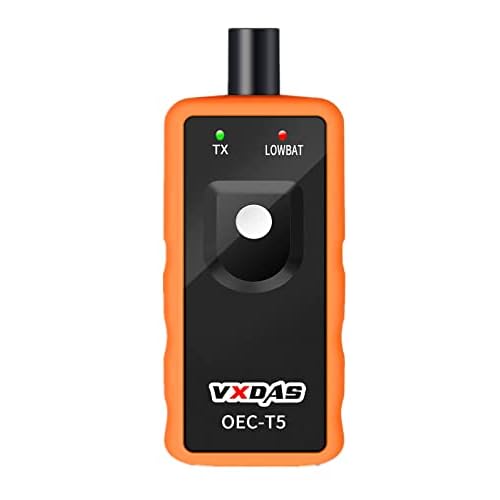
No, the temporary spare tire does not contain a TPMS sensor and will not affect the light.
Can I reset the TPMS via the steering wheel menus?
In most 2016 trims, the menu only displays pressure and doesn’t offer a manual reset toggle.
What is the standard PSI for a 2016 Sonata?
The standard pressure is typically 34-35 PSI, but check your door placard for exact specs.
❓ Frequently Asked Questions
Why is my TPMS light still on after I filled the tires?
The vehicle’s computer requires a short period of consistent driving to register the new pressure. If the light stays on after 20 minutes of driving, you may have a faulty sensor or a slow leak that is dropping the pressure back down.
What does it mean if the TPMS light flashes for a minute then stays solid?
A flashing TPMS light indicates a system malfunction rather than a low-pressure issue. This usually means one of the sensor batteries has died or a sensor is no longer communicating with the car’s ECU.
How does temperature affect the 2016 Sonata tire pressure sensors?
For every 10-degree drop in temperature, tire pressure can drop by about 1 PSI. This is why many Sonata owners see the TPMS light turn on during the first cold morning of autumn or winter.
Are aftermarket TPMS sensors compatible with the 2016 Hyundai Sonata?
Yes, many aftermarket sensors are compatible, but they must be programmed to the 433MHz frequency used by Hyundai. OEM sensors are generally recommended for the best reliability and easiest pairing.
Can I disable the TPMS light permanently?
Disabling the TPMS system is not recommended as it is a federally mandated safety feature. Additionally, there is no simple software toggle or fuse to pull that will disable the light without affecting other systems.
Is there a difference in TPMS between the Sonata Hybrid and standard models?
Both the standard and Hybrid 2016 Sonata models utilize the same automatic-reset direct TPMS logic. The sensor locations and the lack of a physical reset button remain consistent across both drivetrain options.