Why Is My Car Shaking When I Stop Fix Your Car Shaking 2026
Last Updated on September 1, 2026 by Ryan
Your car shaking when you stop often indicates issues with brake components, engine mounts, or transmission. These vibrations can range from minor discomfort to serious safety concerns, requiring prompt diagnosis and repair to ensure vehicle reliability.
Your car shaking when you stop often indicates issues with brake components, engine mounts, or transmission. These vibrations can range from minor discomfort to serious safety concerns, requiring prompt diagnosis and repair to ensure vehicle reliability.
The sensation of your car shaking when you stop can be unsettling, often signaling underlying issues that require your attention. This vibration might manifest as a slight tremor or a noticeable shudder, affecting your steering wheel, brake pedal, or even the entire vehicle.
Ignoring these symptoms can lead to more severe damage and potential safety hazards down the road. Addressing the problem early can save you from more extensive and costly repairs. We will explore the leading reasons why your vehicle might be vibrating at a standstill.
Key Takeaways
![TOPGO Car Phone Mount Pro Ver [Adjustable Height & No Shaking] Cup…](https://m.media-amazon.com/images/I/31nsixysctL._SS500_.jpg)


- Brake issues are a primary cause.
- Engine mounts can cause vibrations.
- Transmission problems need attention.
- Prompt diagnosis prevents worse damage.
- Professional inspection is often needed.
6 Leading Reasons Your Car Shakes When You Stop


Understanding the core reasons for your car’s vibrations at a stop is the first step toward effective diagnosis and repair.

Worn Brake Rotors
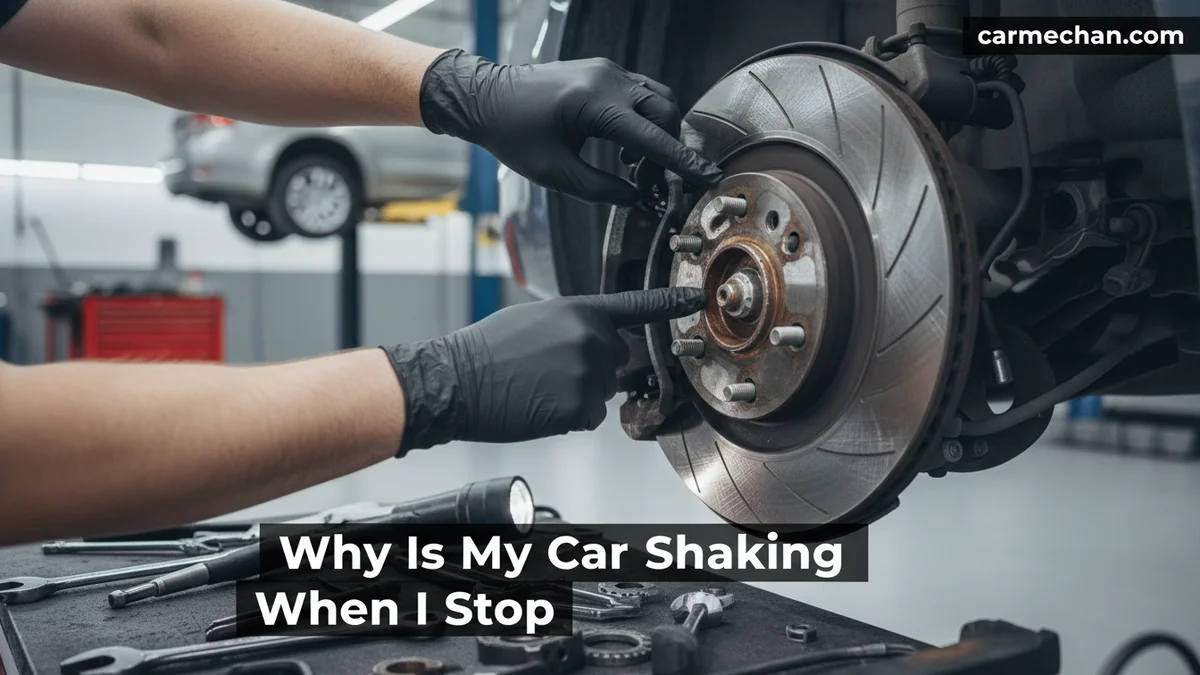
Worn or warped brake rotors are a very common cause of your car shaking when you stop. As you apply the brakes, uneven rotor surfaces cause the brake pads to grab inconsistently, leading to a pulsing sensation. This vibration is typically felt in the steering wheel or brake pedal.
Rotor issues often worsen over time, compromising braking efficiency. Regular inspection is essential for safety.
Failing Engine Mounts
Engine mounts secure the engine to your car’s frame, absorbing engine vibrations. If these mounts deteriorate or break, the engine’s movement becomes unrestrained, transmitting excessive vibrations to the chassis. This often becomes noticeable when the car is stopped and the engine is idling under load.
You might feel a distinct jolt or rumble. Replacement helps restore smooth operation.
Transmission Problems
A failing transmission can also cause your car to shake when you stop. Issues like low transmission fluid, a faulty torque converter, or worn internal components can create vibrations. These shakes might be particularly noticeable as the transmission downshifts or engages when coming to a halt.
Unusual noises often accompany these vibrations. Prompt attention prevents extensive damage to the transmission system.
Loose Suspension Components
Worn or loose components in your car’s suspension system can lead to instability and vibrations. Bushings, ball joints, or tie rod ends that are failing may allow excessive play. This movement can translate into shaking, especially when the vehicle comes to a complete stop and weight shifts.
A thorough inspection of the suspension system is crucial. Consistent maintenance prevents these issues.
Power Steering Issues
Problems within the power steering system, particularly with the pump or fluid levels, can cause a car to shake. A failing power steering pump might strain the engine, leading to vibrations felt at idle or when stopping. Low power steering fluid can also increase resistance.
These issues often present with a whining noise or difficulty in steering. Regular fluid checks are recommended.
Damaged Driveshaft Joint
The driveshaft transfers power from the transmission to the wheels. If a universal joint (U-joint) or constant velocity (CV) joint on the driveshaft is damaged or worn, it can create imbalances. This imbalance can cause vibrations that become more apparent when the vehicle is slowing down or stopping completely.
Ignoring driveshaft issues can lead to severe component failure. Inspection identifies worn parts early. While these issues are common, not all shaking indicates the same level of urgency; knowing when a vibration signifies real danger is crucial.
When Are Car Vibrations at a Stop Dangerous?
Identifying when your car’s shaking transitions from a nuisance to a safety hazard is vital for preventing accidents.
Mild Brake Pulsation
A mild brake pulsation, often felt as a gentle pulsing in the pedal, might simply indicate slightly warped rotors. While not immediately critical, it suggests reduced braking efficiency. This issue should be addressed soon to prevent worsening and maintain optimal stopping power.
Do not dismiss persistent, even mild, brake issues.
Persistent Engine Jitters
If your engine consistently jitters, vibrates, or shakes aggressively when stopped, it could signal serious engine problems. These include severe misfires, faulty spark plugs, or fuel delivery issues. Such conditions can compromise engine performance and reliability, potentially leading to stalls.
Address persistent engine jitters quickly. They can indicate significant mechanical stress.
Sudden Steering Wheel Shake
A sudden, violent shaking in the steering wheel when braking or stopping points to an immediate safety concern. This could indicate a severely damaged brake component, a failing suspension part, or even a tire issue. Loss of control or unpredictable steering can occur.
Pull over safely and have your vehicle inspected.
Loud Clunking Noises
Any loud clunking, grinding, or banging noises accompanying the shaking at a stop are red flags. These sounds often signify critical failures in the transmission, engine mounts, or suspension linkages. Driving with such noises greatly increases the risk of catastrophic component failure.
These sounds demand immediate professional diagnosis. Before resorting to professional help, you can perform several basic checks to pinpoint the source of the problem yourself.
How to Self-Diagnose Car Shaking While Stopping in 4 Steps
You can often narrow down the potential causes of your car shaking at a stop by performing a few simple diagnostic steps.

1. Test Brake Behavior
Drive your car to a safe, unpopulated area. Apply the brakes gently, then moderately, and finally firmly when coming to a stop. Note if the shaking occurs consistently with brake application, whether it’s in the pedal, steering wheel, or vehicle body. This helps identify brake-related issues.
Listen for any grinding or squealing sounds.
2. Observe Engine Activity
With the car in park and the engine running, observe the engine’s behavior. Look for any excessive movement or visible shaking of the engine itself. Shift into drive or reverse while holding the brake. If the shaking intensifies, it may point towards engine mount issues or transmission problems.
Do this on level ground for safety.
3. Examine Fluid Levels
Check your car’s fluid levels, including engine oil, transmission fluid, and power steering fluid. Low levels in any of these critical systems can contribute to performance issues and vibrations. Refer to your owner’s manual for correct fluid types and dipstick readings.
Ensure the car is on a flat surface and the engine is at the correct temperature for accurate readings.
4. Listen for Odd Sounds
When stopped, turn off the radio and listen carefully for any unusual noises. Hums, whines, clunks, or scraping sounds can provide clues to the source of the shaking. For instance, a low growl might suggest a power steering issue, while grinding could point to brakes.
Pinpointing sound locations can help with diagnosis. Once you have a better idea of the potential issue, understanding the common repairs can help you prepare for the next steps.
5 Effective Fixes for Car Shakes When Stopped
Resolving the shake in your car often involves addressing one of several common mechanical issues with targeted repairs.
Brake Component Replacement
If warped rotors are the culprit, replacing or machining them often resolves the shaking. New brake pads are usually installed simultaneously to ensure even braking. This repair restores smooth, consistent braking performance and eliminates vibrations through the pedal and steering wheel.
Brake work is vital for safety.
Engine Mount Service
Replacing worn or broken engine mounts will firmly secure the engine, preventing excessive movement and absorbing vibrations. This repair significantly reduces transmitted shakes throughout the vehicle, especially when idling or coming to a stop. It restores comfort and quiet operation.
New mounts drastically improve ride quality.
Transmission Fluid Flush
If low or dirty transmission fluid is causing the issue, a professional fluid flush and refill can often resolve minor transmission-related shakes. This ensures proper lubrication and cooling, allowing the transmission to operate smoothly. It can prevent more costly repairs.
Always use the manufacturer-specified fluid type.
Suspension Linkage Repair
Replacing damaged or loose suspension components such as bushings, ball joints, or tie rod ends will eliminate play in the system. This restores stability, precise handling, and removes vibrations caused by loose connections. It also improves overall steering responsiveness.
Proper suspension is critical for control.
Power Steering System Check
Addressing power steering issues might involve topping off fluid, bleeding the system, or replacing a faulty pump. These actions restore proper steering assistance and eliminate the strain on the engine that can cause shaking at a stop. It ensures light and responsive steering.
Regular maintenance prevents pump failures. While some repairs are straightforward, certain situations demand the specialized knowledge and tools of a professional mechanic.
When to Consult a Mechanic for Stopping Shakes
Knowing when to seek professional automotive expertise can save you time, money, and ensure your safety on the road.
Unresolved DIY Checks
If your self-diagnosis steps do not pinpoint the issue, or if the shaking persists after attempting basic fixes, it’s time for professional help. Mechanics have specialized diagnostic tools and training to identify complex problems. This prevents further component damage.
Avoid guessing with car repairs.
Complex System Issues
Problems involving the transmission, internal engine components, or advanced electronic systems are best left to professionals. These repairs require specific tools, in-depth knowledge, and often specialized equipment. Attempting DIY fixes can worsen the situation.
Trained technicians protect your investment.
Safety Concerns Present
Any shaking accompanied by severe symptoms like loss of braking power, strange odors, or loud alarming noises warrants immediate professional inspection. Driving with critical safety concerns puts you and others at risk. Prioritize safety above all else.
Do not drive a potentially unsafe vehicle.
Advanced Diagnostic Tools
Modern vehicles often require computer diagnostics to accurately identify issues. Mechanics utilize advanced scanning tools to read error codes and pinpoint underlying problems that manual checks cannot reveal. This ensures a precise and effective repair.
Professional diagnostics save time and money. Next, let us answer some of the most frequently asked questions about this common car problem.
5 Common Questions About Car Shaking When Stopping
Why Does My Car Shake Only When I Press the Brake Pedal?
If your car shakes predominantly when braking, it most likely indicates warped brake rotors. The uneven surface causes the brake pads to grab inconsistently, leading to vibrations felt through the pedal and steering wheel. Prompt inspection and replacement of rotors or pads are often necessary for safe braking.
Can Bad Tires Cause My Car to Shake When I Stop?
Yes, while less common specifically at a stop, severely unbalanced or damaged tires can contribute to shaking. If tire issues cause vibrations at speed, these might become noticeable or exacerbate existing shakes when coming to a complete stop. Always check tire pressure and tread condition regularly.
How Much Does It Cost to Fix a Car Shaking When Stopping?
The cost to fix a car shaking when stopping varies significantly based on the root cause. Minor fixes like brake pad replacement might be a few hundred dollars. More complex issues, such as transmission repair or engine mount replacement, can range from several hundred to over a thousand dollars. Always get a detailed quote for 2026 prices.
Is It Safe to Drive My Car If It Shakes When I Come to a Stop?
Driving a car that shakes when stopping can be unsafe, especially if the shaking is severe or accompanied by other symptoms like loss of braking power or unusual noises. It suggests a critical system like brakes, engine, or transmission is compromised. Get it inspected immediately to prevent further damage or accidents.
What Is the Difference Between Car Shaking at Idle and Shaking When Stopping?
Car shaking at idle often points to engine-related issues like misfires, spark plug problems, or dirty fuel injectors. Shaking specifically when stopping usually indicates problems with the braking system (like warped rotors), worn engine mounts, or certain transmission faults that manifest under load changes. Distinct symptoms guide diagnosis.
Your Next Steps for Stopping Car Shakes
Understanding why your car is shaking when you stop is the first step toward a safer, smoother driving experience. We have covered numerous potential culprits, from common brake issues to more complex transmission or engine mount problems. Early diagnosis and timely intervention are paramount.
Do not underestimate the importance of addressing these vibrations promptly. Ignoring them can escalate minor issues into expensive and dangerous failures in 2026. Prioritize regular vehicle maintenance and never hesitate to seek professional assistance.
Your safety and the longevity of your vehicle depend on it. Take action now to restore confidence and comfort to your daily commute.