2008 Honda Civic Serpentine Belt Diagram: A Guide To Proper Installation And Maintenance
Title: 2008 Honda Civic Serpentine Belt Diagram: A Guide To Proper Installation And Maintenance
The serpentine belt in your 2008 Honda Civic is an unsung hero, silently powering essential vehicle systems from the moment you turn the key. However, without a clear understanding of its routing and proper maintenance, this critical component can lead to unexpected breakdowns, loss of vital functions, and costly repairs. Many owners face challenges in correctly identifying wear signs or confidently performing a replacement. This expert guide provides a comprehensive and professional blueprint, specifically focusing on the 2008 Honda Civic serpentine belt diagram, offering reliable, step-by-step instructions for identification, removal, installation, and ongoing maintenance to ensure your vehicle’s optimal performance and longevity.
Understanding the 2008 Honda Civic Serpentine Belt System and Its Function


📤 Share Image
The serpentine belt in your 2008 Honda Civic is a singularly important component, responsible for transferring rotational energy from the engine’s crankshaft to a multitude of auxiliary systems. Unlike older vehicles with multiple V-belts, modern Civics utilize a single, continuous belt to drive all essential accessories. This multi-ribbed design ensures maximum surface contact and efficient power transmission, critical for optimal performance.
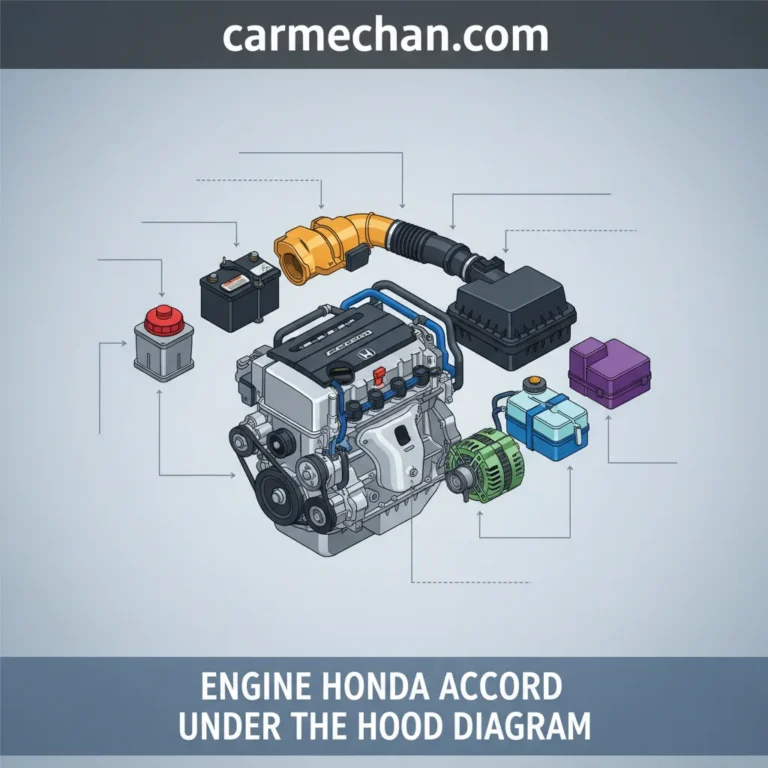
Specifically, in a 2008 Honda Civic, this robust belt drives the alternator (which charges the battery and powers electrical systems), the A/C compressor (for climate control), the power steering pump (for hydraulic steering assistance), and the water pump (essential for engine cooling). While the specific routing might vary slightly between the 1.8L R18A1 and 2.0L K20Z3 (Si models), the core components remain the same. An automatic tensioner pulley, along with various idler pulleys, maintains optimal belt tension and guides the belt along its complex path, accommodating minor stretching and ensuring consistent, reliable power delivery.
The critical implications of belt failure cannot be overstated. Consider a scenario where a worn belt begins to slip on the alternator pulley; this can lead to an intermittently failing charging system, manifested as dimming lights or even a dead battery. A complete belt snap, however, immediately results in the simultaneous loss of power steering, air conditioning, and a complete cessation of battery charging. Furthermore, without the water pump operating, the engine will rapidly overheat, potentially causing severe and costly internal damage. Modern serpentine belts are typically constructed from advanced EPDM (Ethylene Propylene Diene Monomer) rubber, engineered for superior durability, flexibility, and quiet operation, often providing a lifespan ranging from 50,000 to 100,000 miles, depending heavily on driving conditions and proper maintenance. Ensuring a quality, properly routed belt is paramount for your vehicle’s continued function.

Accessing and Interpreting the Official 2008 Honda Civic Serpentine Belt Diagram


Accurate serpentine belt routing is non-negotiable for reliable vehicle operation. The first step in any maintenance or replacement task is to access and correctly interpret the official diagram. The most trusted primary sources for this critical information include the vehicle’s owner’s manual, the comprehensive factory service manuals (such as those published by Honda Helm Inc.), and highly reputable aftermarket service guides like Haynes or Chilton manuals. These resources provide the precise, expert-verified routing specific to your 2008 Honda Civic.
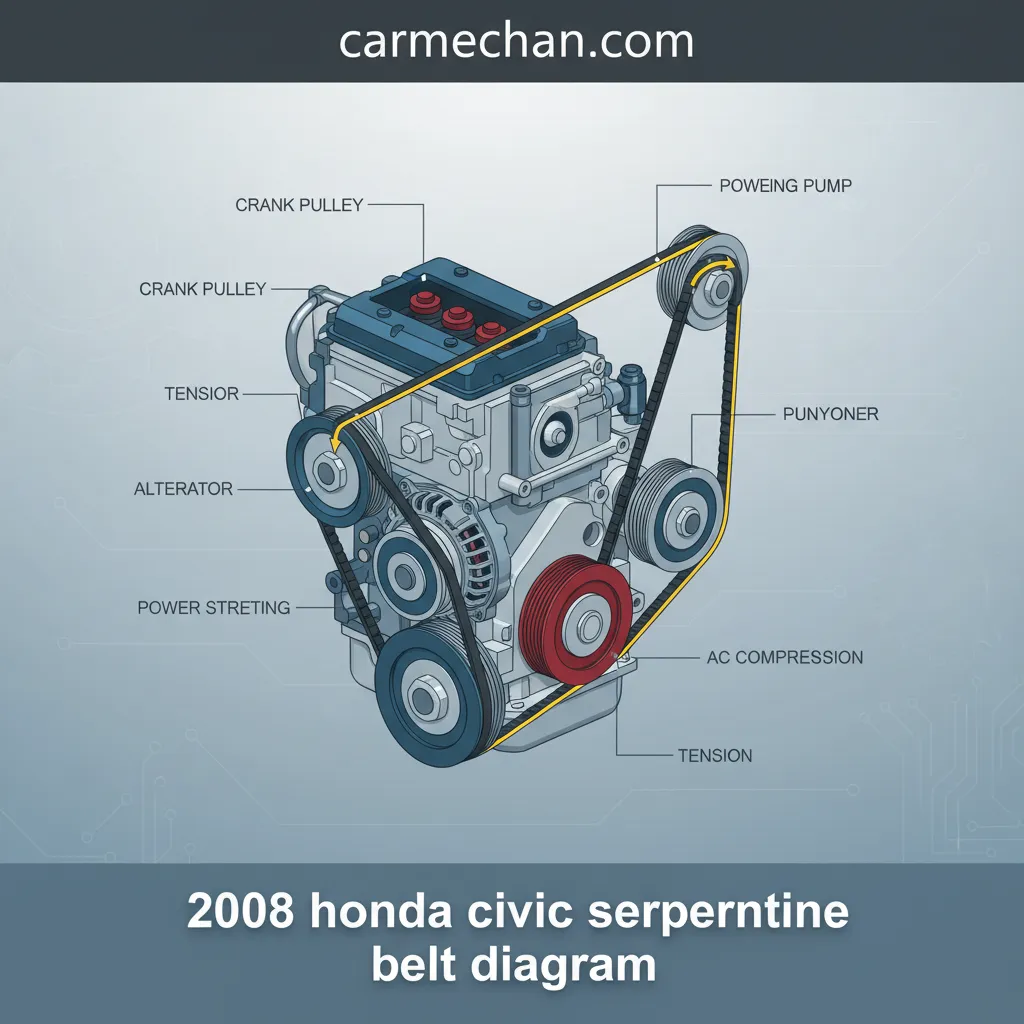
You can often find a simplified diagram printed on a decal located directly under the hood of your Civic, typically near the radiator or fender well. If this decal is faded or missing, consult the maintenance or engine section of your owner’s manual. When interpreting the diagram, pay close attention to the labels for each pulley: ALT for the alternator, P/S for the power steering pump, A/C for the air conditioning compressor, and W/P for the water pump. The diagram will clearly show the serpentine path, indicating which side of the belt (ribbed or smooth) contacts each pulley and utilizing directional arrows to illustrate the rotational path. It is imperative to note that the 2008 Civic features two main engine configurations: the 1.8L R18A1 (standard models) and the 2.0L K20Z3 (Si models). Each engine has a distinct belt length and routing, making verification of the specific diagram for your vehicle’s trim absolutely essential. For instance, misinterpreting a directional arrow or misrouting the belt around an idler pulley, a common pitfall, will lead to immediate slippage, excessive noise, and premature belt wear. A quality, correctly interpreted diagram is the foundation for a professional installation.
Incorrect belt routing is a leading cause of premature belt wear and accessory system malfunction, potentially leading to immediate failure or reduced component lifespan. OEM diagrams are universally recognized as the most reliable source, providing precise routing specifications that aftermarket components are designed to follow, ensuring a complete and accurate installation every time.
Step-by-Step Serpentine Belt Removal for Your 2008 Honda Civic


Before commencing any work on your vehicle’s engine bay, prioritize safety. This expert-guided section will walk you through the precise removal process, ensuring both your safety and the integrity of your Civic’s components.
📋
Step-by-Step Guide
Ensure the engine is completely off and has cooled down to prevent burns. Disconnect the negative battery terminal to eliminate any risk of electrical shock or accidental engine cranking. Always wear appropriate personal protective equipment (PPE), including durable gloves and safety glasses, throughout the entire process.
For the 2008 Honda Civic, you will typically need a 1/2-inch drive ratchet or breaker bar. The tensioner pulley bolt often requires a 19mm or 14mm socket, though it’s always prudent to verify the exact size for your specific model’s engine configuration. A small pry bar can also be useful for leverage, though it should be used cautiously to avoid damage.
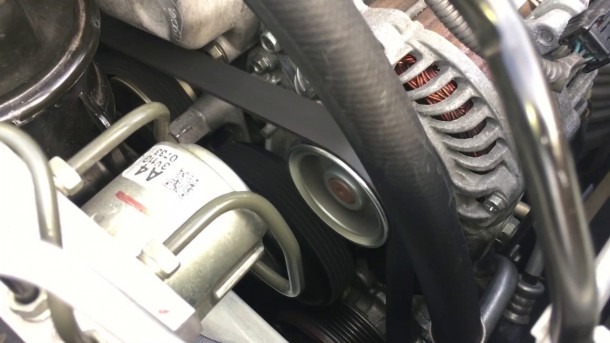
Identify the automatic serpentine belt tensioner. It will have a square hole or a bolt head where you can insert your ratchet or breaker bar. Apply steady, rotational force in the direction specified by the tensioner (typically counter-clockwise for loosening). This action will pivot the tensioner arm, relieving tension on the belt. This procedure illustrates the correct application of force, preventing damage to the tensioner itself.
While holding the tensioner arm in the relaxed position, carefully slip the old serpentine belt off one of the easier-to-reach pulleys (e.g., the alternator or power steering pump). Once slack, release the tensioner slowly and remove the belt entirely from all pulleys. If the under-hood diagram is faded or missing, use the existing belt as a ‘template’ by laying it out to observe its original routing before discarding it.
Incorrect tensioner handling, such as applying excessive force or forcing it beyond its natural range, can damage the internal spring mechanism or pivot points, leading to costly repairs that far exceed the cost of a belt. A common torque specification for the tensioner bolt (post-replacement) is typically in the range of 30-40 lb-ft, though the final operational tension is automatically self-regulated.
Precise Serpentine Belt Installation on a 2008 Honda Civic: Leveraging the Diagram
Installing a new serpentine belt correctly is paramount for ensuring long-term reliability and preventing premature component wear. This section provides a professional, step-by-step approach, heavily relying on the accuracy of the diagram.
📋
Step-by-Step Guide
Always invest in a high-quality replacement belt that precisely matches the correct length and number of ribs for your specific 2008 Civic engine variant. For example, many 1.8L models utilize a 6-rib belt often designated with a part number such as K060850. Using the wrong size or an inferior belt will compromise performance and longevity. The typical cost for a new, quality serpentine belt ranges from $20-$50.
Refer to your official serpentine belt diagram. Begin routing the new belt around the largest, stationary pulley – typically the crank pulley at the bottom. Systematically wrap the belt around each accessory pulley, ensuring it sits correctly in the grooves and follows the diagram’s path. Leave the automatic tensioner pulley or an easily accessible idler pulley for last, as this will be where you apply tension to slide the final section of the belt on. A common mistake is forgetting to loop the belt around a specific idler pulley, leading to immediate slippage and squealing.
Once the belt is mostly routed, re-engage the automatic tensioner by applying force with your ratchet or breaker bar, just as you did during removal. This will provide enough slack to carefully slip the final portion of the belt onto its last pulley. Once the belt is fully seated, slowly release the tensioner, allowing it to spring back and apply the correct operating tension to the belt.
Visually confirm that the new belt is perfectly aligned and seated within all pulley grooves; no ribs should be off-track. Check for any twists or kinks in the belt’s path. Reconnect the negative battery terminal. Start the engine and allow it to run for a few moments, observing the belt’s smooth rotation and listening for any unusual squealing or chirping noises. Proper belt tension is crucial; an under-tensioned belt can slip and cause system underperformance, while an over-tensioned belt can prematurely wear out components. This final check ensures a professional and complete installation.
Before starting the engine, manually rotate the crankshaft a full turn if possible (ensure vehicle is in neutral and ignition off). This helps to ensure the belt is settled in all grooves and gives a final visual check for any routing errors before full engine operation.
Maintaining and Troubleshooting Your 2008 Honda Civic Serpentine Belt System
Even a perfectly installed serpentine belt requires ongoing attention to ensure its full service life and to prevent unexpected failures. As an expert, I emphasize that proactive maintenance and vigilant troubleshooting are key to achieving reliable performance from your 2008 Honda Civic.
Identifying Signs of Wear and Failure
The serpentine belt provides clear indicators when it’s nearing the end of its useful life. Routine visual inspections, ideally every oil change or 12,000 miles, are paramount. Look for these critical visual cues:
- Cracks and Fraying: Small, hairline cracks on the ribbed surface or frayed edges are definite signs of degradation.
- Glazing: A shiny, hardened appearance on the belt surface indicates excessive slippage and friction, reducing its grip.
- Chunking or Missing Ribs: Portions of the belt material breaking off or entire ribs missing are severe signs of wear, compromising the belt’s integrity and function.
- Auditory Indicators: Listen for distinctive noises. A persistent squealing or chirping noise, especially during cold starts or acceleration, often points to a worn, slipping, or misaligned belt. A grinding noise, however, typically suggests a failing bearing in one of the accessory components or idler pulleys, rather than the belt itself.
Preventative Maintenance Practices
Beyond regular visual checks, ensure that all pulleys are clean and free of debris, which can accelerate belt wear. While your 2008 Civic features an automatic tensioner that self-regulates, occasionally check for excessive play or wobble in the tensioner arm, which could indicate a failing tensioner unit. The average lifespan of a serpentine belt can be significantly extended with proper maintenance, but it is often recommended to consider replacement every 60,000-90,000 miles, or according to Honda’s specific maintenance schedule, even if no visible wear is present.
Troubleshooting Common Issues
When faced with a squealing belt, it’s crucial to diagnose the root cause accurately. A simple ‘spray test’ can often differentiate between belt wear and other issues: with the engine running, carefully spray a small amount of water (not oil-based lubricants) onto the ribbed side of the belt. If the squeal temporarily disappears, the belt is likely worn or suffering from a surface contamination issue. If the noise persists, it may indicate a deeper problem like a failing accessory bearing (e.g., alternator bearing, A/C compressor clutch bearing, or a faulty idler pulley). Listen closely to isolate the source of the sound; a failing bearing typically emits a more metallic grind or whine. Ignoring belt issues can lead to severe engine damage or unexpected breakdowns, with repair costs for related components potentially exceeding $500 if neglected.
When to Seek Professional Assistance
While a serpentine belt replacement is a manageable DIY task for many, know your limits. If the noise persists after a new belt installation, if any component bearings show excessive play, or if you lack the diagnostic tools to pinpoint complex issues, it’s time to seek professional assistance. A trusted, professional automotive technician possesses the expertise and equipment to accurately diagnose underlying problems, ensuring that your 2008 Honda Civic receives the comprehensive care needed for long-term, reliable performance. Their expert intervention ensures not just a fix, but a truly complete resolution.
Conclusion
The serpentine belt is vital for numerous accessory functions in your 2008 Honda Civic. Accurate diagram interpretation and adherence to proper routing are paramount for successful installation. Regular inspection and proactive maintenance are key to preventing unexpected breakdowns and ensuring trusted vehicle operation. Armed with this detailed blueprint, you can confidently approach the maintenance or replacement of your 2008 Honda Civic’s serpentine belt. Always consult your vehicle’s specific service manual for the most precise instructions and torque specifications. If you’re unsure at any stage, consider consulting a professional automotive technician to ensure quality and safety. Your comprehensive understanding and proper execution will guarantee your Civic’s continued reliability.
Frequently Asked Questions
How often should the 2008 Honda Civic serpentine belt be replaced?
For a 2008 Honda Civic, it’s generally recommended to inspect the serpentine belt every 12,000 miles or annually. Replacement is typically advised between 60,000 to 90,000 miles, or sooner if visual inspections reveal significant cracking, fraying, or glazing. Always refer to your owner’s manual for specific Honda-recommended service intervals, ensuring reliable performance.
What are the common signs of a failing serpentine belt on a 2008 Honda Civic?
Key indicators of a failing serpentine belt include persistent squealing or chirping noises, especially on startup or when accessories are engaged. Visually, look for cracks, fraying, missing ribs, or a glazed, shiny appearance on the belt surface. A vehicle’s dashboard warning lights (like the battery light) may also illuminate due to reduced alternator output if the belt is slipping.
Can I drive my 2008 Honda Civic with a broken serpentine belt?
No, driving a 2008 Honda Civic with a broken serpentine belt is highly inadvisable and dangerous. The belt drives crucial components like the alternator (charging system), power steering pump, and water pump. Without it, you’ll rapidly lose power steering, the battery will drain, and the engine will quickly overheat, leading to severe and costly engine damage. Seek professional assistance immediately.
What specific tools are needed to replace the serpentine belt on a 2008 Honda Civic?
To replace the serpentine belt on a 2008 Honda Civic, you’ll typically need a 1/2-inch drive ratchet or breaker bar with a 19mm or 14mm socket (depending on the engine variant) to release the tensioner. Other essential tools include safety glasses, work gloves, and potentially a flashlight for better visibility. A trusted service manual can also be invaluable for guidance.
Is it difficult to replace the serpentine belt on a 2008 Honda Civic for a DIY mechanic?
For a DIY mechanic with moderate experience, replacing the 2008 Honda Civic serpentine belt is generally considered an achievable task. It requires patience, the right tools, and careful adherence to the serpentine belt diagram. The main challenge often lies in accessing the tensioner and correctly routing the belt. Following an expert, detailed guide greatly simplifies the process, ensuring a quality outcome.