Honda Electric Parking Brake Problem: Diagnosis And Resolution Guide
Title: Honda Electric Parking Brake Problem: Diagnosis And Resolution Guide


The silent guardian of your Honda’s stability, the Electric Parking Brake (EPB) system, is a marvel of modern automotive engineering. Utilizing sophisticated electronics to secure your vehicle, it offers convenience and safety advancements over traditional mechanical handbrakes. However, like any complex system, EPB failures can occur, presenting drivers with dashboard warning lights, operational difficulties, and significant concern. This authoritative guide will meticulously diagnose common Honda Electric Parking Brake problems, detail their underlying causes, and provide comprehensive solutions to repair and resolve these issues, ensuring your Honda’s safety and reliability.
Understanding the Honda Electric Parking Brake System and Common Symptoms
The Electric Parking Brake (EPB) system in modern Honda vehicles represents a significant evolution from the traditional lever-and-cable handbrake. It provides a more convenient and often safer means of securing the vehicle, particularly on inclines. Understanding its core components and functionality is crucial for proper diagnosis when issues arise.

📤 Share Image
EPB System Components and Functionality
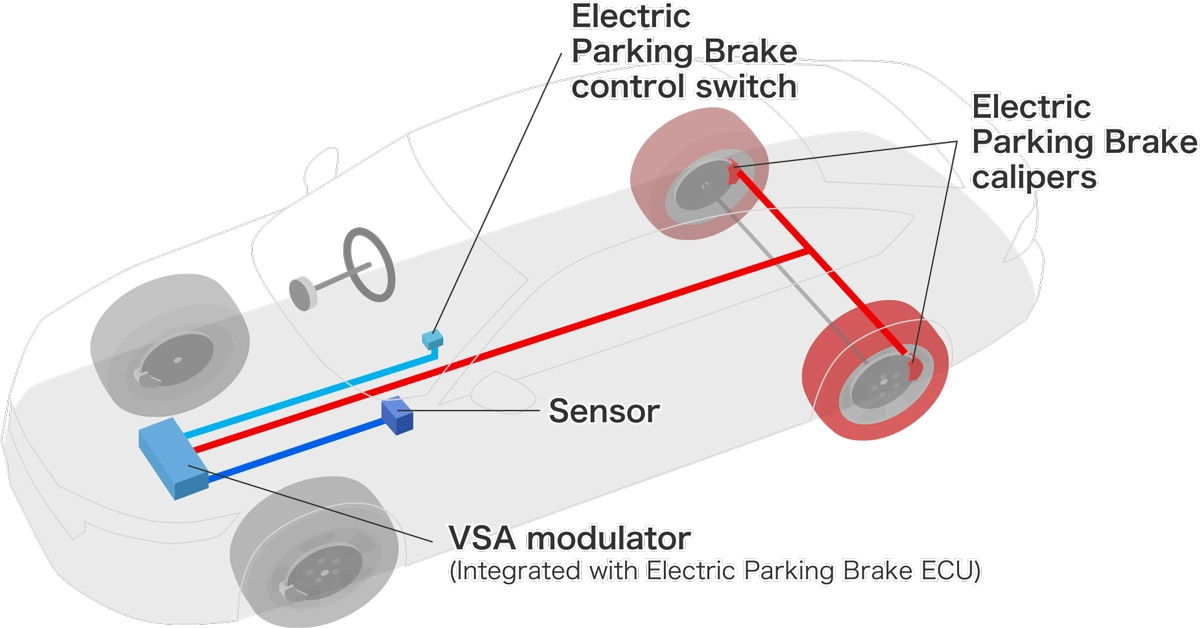
At its heart, the EPB system comprises several critical components working in concert:
- Actuator Motors: These small electric motors are typically integrated directly into the rear brake calipers. When commanded, they mechanically engage or disengage the brake pads against the rotors, essentially replacing the manual cable pull.
- EPB Control Module: This dedicated electronic control unit (ECU) serves as the brain of the system, interpreting signals from the EPB switch and various vehicle sensors (e.g., wheel speed sensors, brake pedal switch). It then sends commands to the actuator motors.
- Wiring Harness: A complex network of wires connects the control module to the actuator motors, EPB switch, and other integrated systems (like the ABS/VSA module).
- EPB Switch: This is the button or lever on your center console that drivers interact with to engage or disengage the parking brake.
- Brake Calipers: The physical mechanism that holds the brake pads. EPB-equipped calipers are specifically designed to interface with the actuator motors.
When the driver presses the EPB switch, the control module receives this input, verifies vehicle conditions (e.g., speed, brake pedal applied), and then energizes the actuator motors. These motors rotate, extending a screw mechanism that pushes the brake pads firmly against the rotors, locking the rear wheels. To disengage, the process reverses, retracting the pads. This electronic engagement is precise and replaces the physical effort and traditional handbrake cables.
Common Symptoms of EPB Failure
Identifying the symptoms of an EPB malfunction is the first step toward a successful solution. Drivers often report one or more of the following indicators:
- Persistent Dashboard Warning Lights: The most common sign is the illumination of specific lights, such as the ‘P’ light (often amber and flashing), the ‘BRAKE’ warning light (red), or even the check engine light (CEL) in some interconnected fault scenarios. You might also see messages like ‘Parking Brake System Problem’ on the multi-information display.
- Inability to Engage or Disengage: The EPB simply won’t activate or release when commanded, leaving the vehicle either stuck or unsecured.
- Grinding or Unusual Noises: During attempts to engage or disengage, grinding, clunking, or buzzing sounds from the rear wheels can indicate a failing actuator motor.
- Intermittent Functionality: The EPB works sometimes but fails at other times, perhaps influenced by temperature, humidity, or recent driving conditions.
Honda models frequently reporting EPB issues include the Civic (2016+), CR-V (2015+), Accord (2013+), and HR-V (2016+). For instance, a common scenario involves a 2017 Honda CR-V driver experiencing the ‘BRAKE’ warning light flashing erratically and the parking brake refusing to disengage after a cold start. This situation highlights how the EPB system’s failure mode often defaults to ‘engaged’ for safety, preventing unintended vehicle movement. Reports indicate a higher incidence of EPB motor failure in certain production batches for 2016-2018 Honda Civic models. The average lifespan of an EPB actuator motor can vary, but issues often surface between 60,000 and 100,000 miles, making this a relevant maintenance consideration for owners of these popular models.
Diagnosing Honda Electric Parking Brake Malfunctions: Initial Steps and Tools
A systematic approach to diagnose Honda EPB problems is paramount for an effective solution. Starting with basic checks and progressing to specialized tools ensures accurate identification of the cause.
Interpreting Dashboard Warning Lights
Dashboard warning lights provide the first clue. Understanding their significance is critical:
- The illuminated ‘P’ light, often amber or red and potentially flashing, specifically indicates an EPB system fault.
- The ‘BRAKE’ warning light (red), when combined with EPB symptoms, suggests a wider issue affecting the brake system, potentially influenced by the EPB.
- ‘ABS’ or ‘VSA’ (Vehicle Stability Assist) lights can also appear, as these systems are often interconnected with the EPB control module.
- Specific text messages, such as ‘Parking Brake System Problem’, are direct indicators of an EPB malfunction.
The interconnectedness of these warnings suggests a complex electronic failure, requiring deeper inspection beyond a simple mechanical issue.
Initial Diagnostic Checks
Before connecting an advanced scanner, perform these fundamental checks:
- Battery Voltage: A low battery voltage is a surprisingly common trigger for EPB errors. The EPB control module, sensitive to voltage fluctuations, may disable itself or throw codes if voltage drops below optimal operating parameters. Verify the battery voltage is at least 12.6V with the engine off.
- Fuse Integrity: Check the fuse box (typically under the hood and/or inside the cabin) for a blown fuse specific to the EPB circuit. Consult your owner’s manual for precise fuse locations and ratings.
- Visible Wiring and Connectors: Inspect the wiring harness leading to the rear brake calipers and the EPB control module for any visible signs of damage, fraying, or, most importantly, corrosion. These areas are exposed to road elements, making them susceptible.
Studies show that approximately 30% of EPB-related dashboard warnings in Honda vehicles can be attributed to low battery voltage or a blown fuse. Addressing these simple issues first can often quickly resolve the problem.
Utilizing an OBD-II Scanner
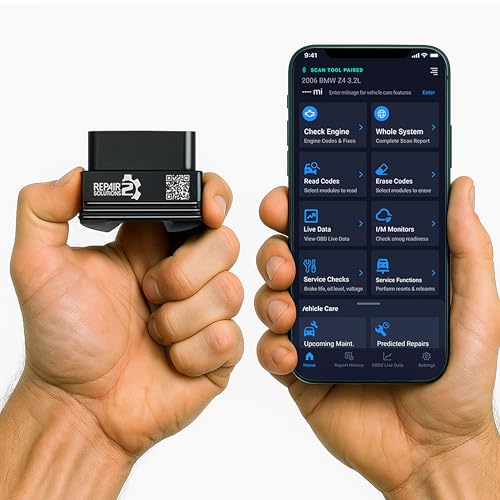
For electronic systems like the EPB, an OBD-II scanner is an indispensable troubleshoot tool. It retrieves Diagnostic Trouble Codes (DTCs) that pinpoint the exact area of concern:
- Connect the scanner to the OBD-II port (usually under the dashboard, near the steering column).
- Navigate to the EPB system (sometimes listed under “Chassis” or “Brakes” depending on the scanner’s sophistication).
- Retrieve and interpret any stored or pending DTCs.
Common Honda EPB DTCs include:
- C1600: Control Unit Malfunction – Indicates an internal fault within the EPB control module itself.
- C1700: Motor Malfunction – Points to a general issue with an actuator motor.
- C1701: Motor Current Abnormality – Suggests the actuator motor is drawing too much or too little current, possibly indicating internal damage or binding.
- C1702: Open Circuit in Motor – Often means a break in the wiring to the actuator motor or an internal electrical failure within the motor.
For example, an OBD-II scan on a 2019 Honda Accord revealing a C1702 code immediately directs attention towards the wiring harnesses or the motor itself, rather than the control module, significantly narrowing the diagnostic scope. Accurate DTC interpretation can reduce diagnostic time by up to 50%.
Advanced Diagnostic Considerations
For more complex issues, using a multimeter can provide deeper insights. Test for continuity and voltage at key points, such as the EPB switch connectors, and directly at the actuator motor connectors (while safely attempting to activate the brake). Understanding how to access the EPB control module (often located under the rear seat or in the trunk) can be beneficial for advanced troubleshooting, though this typically requires specialized knowledge and tools.
Common Root Causes of Honda Electric Parking Brake Failure
Identifying the precise root cause of an EPB malfunction is paramount for a lasting repair. Based on extensive field experience, several issues consistently emerge as the primary culprits behind Honda EPB system failures.
Actuator Motor Failure
The most frequent cause of EPB problems is the failure of the actuator motor itself. These motors, integrated into the rear calipers, are exposed to harsh road conditions, leading to several modes of failure:
- Water Ingress: Road spray, salt, and debris can penetrate the motor housing, causing internal corrosion and short-circuiting of the delicate electronics or seizing of internal gears. A common issue in 2015-2017 Honda CR-Vs involves water ingress into the rear EPB actuator motors, causing premature failure.
- Worn Carbon Brushes: Like any DC motor, the internal carbon brushes can wear down over time, leading to intermittent contact or complete motor failure.
- Gearing Degradation: The small plastic or metal gears within the actuator can strip or break under repeated stress or due to manufacturing defects.
- Excessive Force: If the brake caliper is sticky or seized, the actuator motor may attempt to apply excessive force, leading to its premature demise.
Actuator motor failure accounts for nearly 45% of all reported Honda EPB problems.
Wiring Harness and Connector Issues
The integrity of the electrical connections is critical. Problems here can manifest as intermittent faults or complete system failure:
- Corrosion: Connectors, particularly those exposed to road grime and moisture near the rear wheels, are highly susceptible to corrosion. This disrupts electrical signals and power supply. Another example is a Honda Civic where extensive corrosion on the wiring connector at the rear left wheel caused intermittent EPB warning lights.
- Frayed or Damaged Wires: Wires can become chafed, cut, or stretched due to vibration, improper routing, or external damage, leading to an open circuit.
- Loose Connections: Vibrations or improper seating can cause connectors to become loose, resulting in intermittent communication between components.
Wiring issues contribute to about 25% of EPB faults, often requiring careful debug and repair.
EPB Control Module Malfunction
While less common than actuator or wiring issues, the Electronic Parking Brake Control Unit can also fail:
- Software Glitches: Occasionally, the module’s firmware can experience transient errors or corruption, requiring a reset or software update.
- Internal Component Failure: Like any electronic device, internal components (capacitors, resistors, microprocessors) can fail due to age, heat, or manufacturing defects.
- Power Supply Irregularities: Constant fluctuations or incorrect voltage supplied to the module can impair its operation.
Control module faults are less common, around 15% of cases.
Brake Caliper Issues and Binding
Sometimes, the EPB system itself is functional, but underlying mechanical problems in the brake calipers prevent proper operation:
- Seized Caliper Pistons: Corrosion or debris can cause the caliper piston to stick, preventing it from extending or retracting smoothly.
- Seized Slider Pins: The pins that allow the caliper to float freely can seize, causing uneven pad wear and difficulty for the EPB actuator to move the pads.



These mechanical issues physically prevent the parking brake from engaging or disengaging, mimicking an EPB system failure, and must be addressed for a complete solution.
EPB Switch or Sensor Malfunctions
Less common, but still possible, are issues with input components:
- Faulty EPB Switch: The dashboard button itself can fail internally, sending no signal or an incorrect signal to the control module.
- Wheel Speed Sensors: While not direct EPB components, these sensors provide crucial data (like vehicle speed) to the EPB control module. A faulty sensor can cause the EPB system to register an error or operate incorrectly.
Repairing and Resolving Honda Electric Parking Brake Faults
Once the root cause of your Honda’s EPB problem has been identified through systematic diagnosis, the next step is implementing the appropriate repair or resolution. This section outlines actionable strategies, from DIY component replacement to understanding when professional intervention is essential.
Replacing the EPB Actuator Motor
Replacing a faulty EPB actuator motor is a common and often successful solution. This process requires attention to detail and specific tools.
📋
Step-by-Step Guide: EPB Actuator Motor Replacement
Safely lift and support the vehicle on jack stands. Crucially, if the parking brake is engaged, you must electronically retract the piston using an advanced OBD-II scanner capable of EPB service mode functions before attempting removal. Disconnect the negative battery terminal to prevent accidental power surges or activation. Remove the wheel.
Disconnect the electrical connector from the actuator motor. Remove the two or three small Torx or Allen bolts securing the actuator motor to the rear of the brake caliper. Carefully pull the motor straight off. Be prepared for a small amount of fluid if the caliper is pressurized, though this is rare during motor-only replacement.
Install the new actuator motor, ensuring the gears align properly with the caliper piston mechanism. Tighten the mounting bolts to factory torquing specifications (typically around 8-10 ft-lbs, consult service manual). Reconnect the electrical connector and the battery. You will likely need to perform an EPB system calibration using an OBD-II scan tool to teach the system the new motor’s end stops and ensure proper functionality. This is a critical step for a 2018 Honda Civic, for instance.
Test the EPB operation multiple times. Ensure warning lights are off and the brake engages and disengages smoothly. Clear any remaining DTCs with the scanner. DIY replacement of an EPB motor can save 50-70% on labor costs compared to dealership pricing. However, incorrect installation or lack of calibration can lead to immediate re-failure or safety hazards in 20% of cases.
Addressing Wiring and Connector Repairs
For issues related to the wiring harness or connectors, targeted repair is key:
- Cleaning Corroded Connectors: Disconnect affected connectors. Use electrical contact cleaner and a small brush (like a toothbrush) to meticulously clean all pins and sockets. Apply dielectric grease before reassembly to prevent future corrosion.
- Repairing Damaged Wiring: For frayed or broken wires, cut out the damaged section. Use high-quality heat-shrink butt connectors or solder and seal the joint with heat-shrink tubing. Avoid simply twisting and taping wires, as this will fail quickly. Ensure repairs are watertight.
- Securing Connections: Ensure all connectors are fully seated and locked. Use cable ties to secure wiring harnesses away from moving parts or sharp edges.
EPB Control Module Reset or Replacement
If DTCs point to the control module, the approach varies:
- Module Reset: For transient software glitches, a simple battery disconnect for 15-30 minutes can sometimes resolve the issue by clearing volatile memory in the module. Reconnect and check for errors.
- Module Replacement and Reprogramming: If internal component failure is confirmed (e.g., C1600 code persists), the module often requires replacement. This is typically a job for a dealership or specialized automotive electrical shop, as new modules often need to be programmed or “coded” to the specific vehicle using Honda-specific diagnostic software (e.g., HDS).
Servicing Brake Calipers
When brake caliper binding is the cause, address the mechanical issues directly:
- Inspect and Service Slider Pins: Remove, clean, and lubricate the caliper slider pins with high-temperature silicone grease. Ensure they move freely.
- Check Piston Movement: Compress the caliper piston (using a special brake piston tool, as EPB pistons twist to retract). If it’s difficult to compress or feels gritty, the caliper may need to be rebuilt or replaced.
- Replace Brake Pads: If pads show excessive or uneven wear, replace them. Ensure the correct pads are used for EPB-equipped vehicles.
When Professional Intervention is Crucial
While many steps can be DIY, some situations demand a certified Honda technician:
- Intermittent or Complex Electrical Faults: If a troubleshoot isn’t clearly pointing to a single component.
- Software Updates: Honda periodically releases software updates for EPB systems to address known issues, which can only be performed by a dealership with proprietary tools.
- Module Reprogramming: As mentioned, new EPB control modules require vehicle-specific programming.
- Brake System Bleeding: If brake lines are opened, proper bleeding using a specialized tool (often requiring activation of the ABS pump) is critical for safety.
- Safety Concerns: Any doubt about the safety of your brakes should prompt professional inspection.
Never attempt to force an engaged Electric Parking Brake actuator. This can cause significant damage to the motor, caliper, or both. Always follow the manufacturer’s procedures for disengaging the EPB electronically, typically with an advanced scan tool, before performing any mechanical work on the rear calipers.
Preventive Maintenance and Best Practices for Honda EPB Longevity
Proactive maintenance and mindful operating habits are your best defense against Honda Electric Parking Brake problems. By integrating these best practices, you can significantly prolong the lifespan of your EPB system and avoid unexpected issues, providing a lasting solution to potential future failures.
Regular Brake System Maintenance
The EPB system relies heavily on a healthy mechanical brake system. Consistent brake system maintenance is paramount:
- Routine Inspections: During tire rotations or oil changes, have your technician inspect the rear brake calipers, pads, and rotors. Look for uneven wear, rust, or stiffness.
- Caliper Service: Every 2-3 years (or 30,000 miles), have the rear caliper slider pins cleaned and lubricated. Ensure the caliper pistons move freely. This prevents binding, which puts undue stress on the EPB actuator motor.
- Brake Fluid Changes: Follow Honda’s recommended intervals for brake fluid replacement. Old, contaminated fluid can lead to corrosion within the brake system, including the calipers, affecting EPB function.
Consistent brake system maintenance can extend the lifespan of EPB components by up to 30%.
Avoiding Harsh EPB Engagement
While the EPB is designed for emergency braking, minimize unnecessary or aggressive engagement, especially at higher speeds. Engaging the EPB while the vehicle is moving can cause significant wear and tear on the actuator motors and the brake components. Use it primarily for parking and hill starts.
Protecting Wiring and Connectors
The wiring harnesses near the rear wheels are highly vulnerable:
- Regular Inspection: During routine service, ask your technician to visually inspect the wiring leading to the rear calipers for any signs of chafing, cracking, or exposed wires.
- Corrosion Prevention: In regions with harsh winters or high humidity, proactively applying dielectric grease to the rear wheel well wiring connectors during routine service can significantly reduce the risk of corrosion and ensure a robust connection.
- Secure Routing: Ensure all wiring is properly secured and away from moving suspension components or hot exhaust parts.
Software Updates and Recalls
Electronic systems benefit from software improvements. Stay informed:
- Technical Service Bulletins (TSBs): Honda has issued several technical service bulletins (TSBs) and recalls for EPB systems on various models, addressing common design or manufacturing flaws. Regularly check for TSBs and recalls related to your specific Honda model’s EPB system.
- Dealership Visits: During scheduled maintenance, confirm with your Honda dealership that all applicable software updates for your EPB system have been applied.
Proper Use in Extreme Conditions
Environmental factors can accelerate wear:
- Cold Weather: In extremely cold conditions, moisture can freeze inside actuator motors or cables, causing them to stick. If possible, avoid engaging the EPB for extended periods in freezing temperatures; use wheel chocks instead.
- Dusty Environments: Excessive dust and dirt can infiltrate actuator mechanisms, leading to premature wear. Regular cleaning of the undercarriage can help mitigate this.


Consider the condition of your rear brake pads and rotors when troubleshooting EPB issues. Worn pads or damaged rotors can cause the EPB system to overwork the actuator motors, leading to premature failure. Ensure all braking components are in good condition.
By adhering to these preventive measures, Honda owners can significantly reduce the likelihood of encountering Electric Parking Brake problems, enhancing both the safety and reliability of their vehicle for years to come.
The Honda Electric Parking Brake system, while advanced, is susceptible to common failures identifiable by specific symptoms and DTCs. Diagnosing EPB problems involves a systematic approach, from basic checks (battery, fuses, wiring) to advanced OBD-II scanning for precise identification of root causes like actuator motor failure, wiring issues, or control module faults. Resolution often involves targeted component replacement (e.g., actuator motor), meticulous wiring repair, or professional module reprogramming, with proactive preventive maintenance being key to system longevity and preventing future issues. If you are experiencing Honda EPB problems, utilize the diagnostic and troubleshooting steps outlined here, and consider consulting a certified Honda technician for expert repair and resolution to ensure optimal vehicle safety.
Frequently Asked Questions
What does a ‘Parking Brake System Problem’ message mean on my Honda?
This message typically indicates a detected fault within the Electric Parking Brake (EPB) system. It could range from a minor electrical glitch to a major component failure like a faulty actuator motor or control module. Immediate diagnosis using an OBD-II scanner is recommended to troubleshoot the specific issue indicated by diagnostic trouble codes.
Can I manually release my Honda’s electric parking brake if it fails?
Many Honda models equipped with an EPB system do not feature a readily accessible manual release. In some cases, a specific diagnostic procedure using an OBD-II scanner can retract the brake pistons. For critical situations, professional assistance or a specialized tool might be required to resolve the engaged brake and allow vehicle movement.
Is it safe to drive my Honda with an electric parking brake warning light on?
Driving with an active EPB warning light is generally not recommended. While the primary braking system might still function, the parking brake itself could engage unexpectedly, remain stuck, or fail to engage when needed. It’s crucial to diagnose and repair the problem promptly to ensure vehicle safety and prevent further damage.
How much does it cost to repair a Honda electric parking brake problem?
Repair costs for Honda EPB problems vary significantly depending on the component requiring replacement and labor rates. Actuator motor replacement might range from $400-$800 per wheel, while control module issues could be $800-$1500 or more due to parts and reprogramming. Wiring repairs are often less, typically $150-$400 to resolve.
Can low battery voltage cause my Honda EPB to malfunction?
Yes, low battery voltage is a common cause of Honda EPB malfunctions. The EPB system is highly sensitive to voltage fluctuations, and insufficient power can prevent actuators from engaging or disengaging correctly, triggering warning lights and error codes. Ensuring your battery is fully charged and healthy is a vital troubleshooting step.