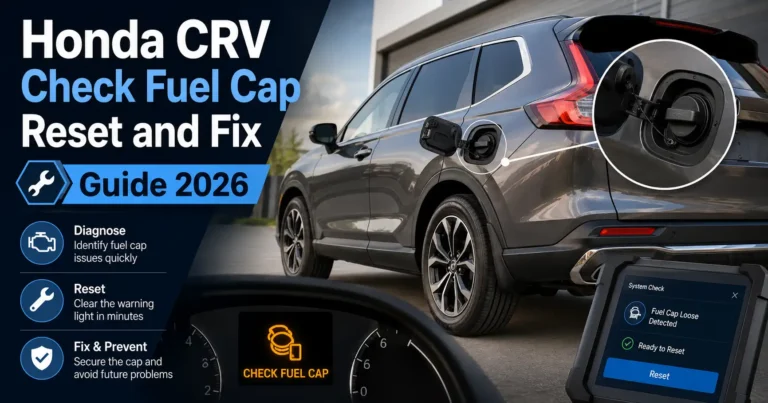
2007 Honda Pilot TPMS Reset Button Location: Clarified
Seeing the TPMS (Tire Pressure Monitoring System) light on your 2007 Honda Pilot dashboard can be an immediate cause for stress, especially when you find yourself searching for a reset button that simply isn’t there. Many owners spend hours carefully inspecting the glove box, the lower dashboard, and the center console for a hidden switch or button to “clear” the light. To save you time and prevent unnecessary frustration, it is vital to understand that your vehicle operates on a different technological architecture than modern, sensor-heavy cars. In this guide, we will clear up the confusion regarding the 2007 Honda Pilot TPMS reset button location and walk you through the actual steps required to restore your system to its factory default state.

Debunking the 2007 Honda Pilot TPMS Reset Button Location Myth
Recommended Best Deal Products


📤 Share Image

How Indirect TPMS Technology Works
The 2007 Honda Pilot utilizes an indirect TPMS (iTPMS). Unlike direct systems found in many contemporary vehicles—which feature physical pressure sensors mounted inside the valve stems of each wheel—the 2007 Pilot uses the existing Anti-lock Braking System (ABS) wheel speed sensors. The TPMS control unit monitors the rotational speed of each tire. Physics dictates that a tire with lower air pressure will have a smaller diameter, causing it to rotate faster than the others. By comparing these rotational speeds, the system identifies if a tire is under-inflated and triggers the dashboard warning light.

Why No Physical Button Exists
Because the system is based on calculated data rather than live pressure readings, there is no manual “initialize” button needed. Searching for a hidden switch behind the dashboard or inside the fuse panel is not only ineffective but can lead to damaging trim pieces or exposed wiring. Honda designed this system to be seamless: once the tire pressure is corrected, the rotational data normalized, and the vehicle has been driven for a specific cycle, the TPMS control unit receives the signal to reboot the status and extinguish the light.

How to Correctly Initialize the System via Proper Inflation
📋
Step-by-Step Calibration Guide
Recommended Best Deal Products


Ensure your tires are “cold,” meaning the vehicle has been parked for at least three hours. Use a reliable tire pressure gauge to check each tire. Do not rely on the maximum PSI printed on the tire sidewall; instead, refer exclusively to the placard on the driver’s side door jamb.
Adjust all four tires to the exact specification listed on the door jamb sticker. Even if one tire seems “close enough,” a slight pressure variance can prevent the system from resetting. Uniformity is the key to a fresh start for your sensors.
After inflation, drive the vehicle for at least 15 to 20 minutes at speeds consistently above 25–30 mph. This sustained movement allows the TPMS control unit to gather enough rotation data from the ABS sensors to verify the new tire diameters and turn off the warning light.
Diagnosing Persistent TPMS Warning Light Issues
If the light persists, the issue often stems from human error or hardware fatigue rather than a system fault. Do not ignore the light as a “glitch,” as it may indicate a genuine loss of tire pressure.
- Mismatched Tire Sizes: If one tire has a different circumference (like a temporary spare tire or a mismatched tread pattern), the system will register an error because the rotation speed will never match the other three tires.
- Uneven Tire Wear: If your tires are significantly worn, the diameter is altered. Significant tread depth differences between tires can trick the sensor into reporting a “pressure” issue that isn’t actually there.
- Faulty ABS Sensors: Since the TPMS relies on these sensors, a dirty, damaged, or malfunctioning ABS sensor will prevent the system from performing an accurate calculation. This usually coincides with an ABS warning light.
- Over-inflation: Filling tires to the “Maximum Pressure” rating listed on the tire sidewall is a common error. This is the max pressure the tire can handle, not the vehicle’s recommended operational pressure, and can lead to uneven wear and system errors.
2007 Honda Pilot TPMS Pressure Reference Guide
Recommended Best Deal Products


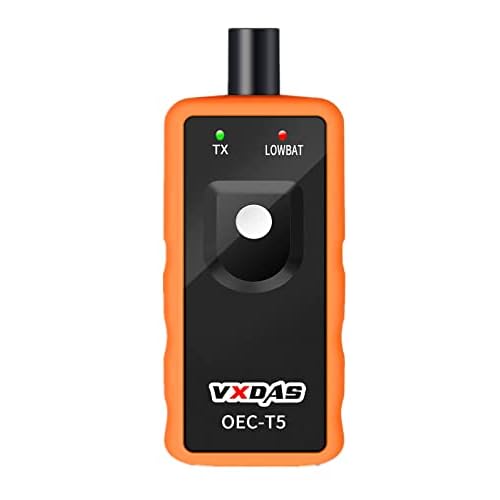
Always use a high-quality digital pressure gauge. Analog stick-style gauges can become inaccurate over time. A consistent, professional-grade gauge ensures you are providing the TPMS with the correct data needed for a successful reboot.
Final Considerations for Your TPMS Light
The 2007 Honda Pilot’s indirect TPMS is a robust, low-maintenance system that avoids the complexity of internal sensor batteries and the need for expensive programming tools. By remembering that there is no physical reset button and focusing on the maintenance of proper tire pressure, you can easily resolve most warning light issues on your own.

Audible — Listen Free for 30 Days
One free credit a month and thousands of titles included.
Listen Free for 30 DaysIf, after verifying tire pressures, ensuring all tires are identical in size, and performing a highway drive, the light remains illuminated, it is time to consult a certified mechanic. In such cases, the issue likely resides with a faulty ABS speed sensor or a malfunction in the TPMS control unit. Avoid attempting to bypass the system, as the TPMS is a critical safety component designed to protect you from the dangers of under-inflated tires at highway speeds.
2007 Honda Pilot Tpms Reset Button Location: Frequently Asked Questions
Where is the TPMS reset button located on a 2007 Pilot?
There is no TPMS reset button located on a 2007 Honda Pilot. Unlike some newer vehicles, the 2007 model does not require manual user input to reset the system. The vehicle’s ECU monitors the sensors continuously and will automatically turn off the warning light once it detects that all tires have been inflated to the correct pressure levels and the vehicle has been driven for a sufficient duration.
Why won’t my TPMS light go off after filling my tires?
If the TPMS light remains on after filling your tires to the correct pressure, it is likely due to the system needing a drive cycle to update, or a faulty sensor. You must drive the vehicle at speeds above 15 mph for at least 10 to 15 minutes. If it still does not clear, one of the tire pressure sensors may have a dead internal battery, preventing it from communicating with the ECU.
Does the 2007 Pilot have a physical reset button?
No, the 2007 Honda Pilot does not have a physical reset button for the tire pressure monitoring system. The system is designed to be fully automated. If you are experiencing issues where the light will not turn off despite proper inflation, you should not look for a button, but rather have a technician scan the individual tire sensors to determine if one has failed mechanically.
Can I use an OBD-II scanner to reset the TPMS on my 2007 Pilot?
While an OBD-II scanner is an essential tool for diagnosing a 2007 Pilot, it is generally used for identifying which specific sensor is malfunctioning rather than resetting the system. Because the system is automatic, there is no ‘software reset’ command to clear a persistent light caused by a dead sensor. Replacing the faulty sensor hardware is the only way to effectively resolve a persistent TPMS fault on this model.
Does tire rotation affect the TPMS on a 2007 Pilot?
Yes, but in a helpful way. Because the sensors are localized to each wheel position, the vehicle’s system automatically learns the new positions of the sensors after a tire rotation once the vehicle is driven. You do not need to manually reprogram the system. If the light comes on after a rotation, it usually indicates that the technician did not check the pressure of the tire that was moved to a new position.