Honda Pilot Transmission System Problems: Identifying Common Issues And Solutions
Honda Pilot Transmission System Problems: Identifying Common Issues And Solutions
Recommended Best Deal Products


📤 Share Image
The transmission system is the intricate heart of your Honda Pilot, seamlessly translating engine power into smooth, responsive motion on every drive. When this critical component encounters an issue, it can manifest as unsettling symptoms like slipping gears, hard shifts, or warning lights, raising significant concerns about vehicle reliability, safety, and potential repair costs. This expert-led guide will meticulously demystify common Honda Pilot transmission problems, providing authoritative insights into their identification, accurate diagnosis, and effective resolution, empowering you to make informed decisions for your vehicle’s health and longevity.

Understanding the Honda Pilot’s Transmission System Architecture
The transmission system in a Honda Pilot is a marvel of engineering, tasked with the fundamental responsibility of converting the engine’s power output into usable torque, then meticulously managing gear ratios to optimize driving conditions across a spectrum of speeds and loads. Across its various generations, the Honda Pilot has utilized several automatic transmission types, each with unique characteristics and complexities.
Early generations, for instance, relied on robust 5-speed automatic transmissions, commonly seen in models from 2009 to 2015. With the advent of the third generation, particularly from 2016 to 2022, Honda introduced the more advanced ZF 9-speed automatic transmission in higher trims, while lower trims retained a 6-speed automatic. The latest generation, beginning in 2023, has further evolved, adopting a sophisticated 10-speed automatic transmission to enhance both performance and fuel efficiency. This evolution highlights a trend towards greater complexity, with modern automatic transmissions often containing hundreds of intricate parts working in concert.
The transmission’s role extends beyond mere gear changes; it critically influences the vehicle’s overall performance, directly impacting fuel economy, acceleration responsiveness, and the smoothness of the driving experience. Key transmission components include the torque converter, which fluidly transfers power from the engine; the valve body, a hydraulic control unit; various solenoids that direct fluid pressure for gear engagement; and clutch packs that facilitate gear selection. Understanding these foundational elements is crucial, as transmission failures represent a significant percentage of major automotive repair expenses, making preventative knowledge invaluable.

Identifying Common Transmission System Problems in Honda Pilot
Recommended Best Deal Products


Transmission issues in a Honda Pilot often manifest through a distinct set of symptoms. Recognizing these early warning signs is critical for prompt action, potentially mitigating severe damage and reducing repair costs. From my experience, certain issues are notably prevalent across various Pilot generations.
Slipping or Delayed Engagement
One of the most concerning symptoms is slipping gears or delayed engagement. This typically feels like the engine revs without a corresponding increase in vehicle speed, or there’s a noticeable pause and surge when shifting into Drive or Reverse. A driver might perceive a momentary “loss of power” during acceleration. For example, if you’re driving a 2010 Pilot and accelerate, the engine RPMs might spike from 2,500 to 4,000 before the transmission finally catches and moves into the next gear. This is a primary symptom often seen across various Honda Pilot models, indicating internal wear or insufficient hydraulic pressure.
Harsh Shifting, Jerking, or Clunking
Harsh shifts, characterized by noticeable jolts, jerking, or even a distinct clunking sound during gear changes, are frequently reported. This can be particularly pronounced between specific gears. For instance, owners of a 2017 Honda Pilot equipped with the ZF 9-speed transmission might report a pronounced ‘clunk’ when downshifting from 3rd to 2nd gear, or an unsettling jerk during certain upshifts. This rough shift quality can stem from issues with solenoids, valve body, or, in the case of early ZF 9-speed units, known software calibration problems that often required updates.
Whining, Humming, or Grinding Noises
Unusual noises emanating from the transmission area can be a clear indicator of trouble. A high-pitched whine that increases with vehicle speed, a persistent humming, or a more ominous grinding sound often suggests internal wear on bearings, planetary gears, or a problem with the torque converter. A 2010 Pilot owner might notice a high-pitched whine that becomes louder during acceleration or deceleration, which could signal low fluid levels or the early stages of bearing failure.
Transmission Fluid Leaks
Visible signs of a transmission fluid leak require immediate attention. Look for reddish or brownish fluid puddles under the front-mid section of your vehicle, particularly after it has been parked for a while. Transmission fluid has a distinct, often sweet but pungent odor. If the fluid contacts hot exhaust components, you might also detect a burning smell, indicating active leakage and potential overheating. Addressing a leak quickly is vital to prevent fluid levels from dropping, which inevitably leads to overheating and catastrophic internal damage.
Dashboard Warning Lights
Your Honda Pilot’s dashboard provides crucial warnings. A flashing ‘D’ light (or Drive indicator) specifically signals a transmission malfunction. An illuminated Check Engine Light (CEL) can also be triggered by transmission issues. Newer models may feature dedicated transmission warning symbols. These indicators are not to be ignored; they demand immediate investigation to troubleshoot and diagnose the underlying problem, which could be anything from a faulty sensor to a serious internal fault. Early generations of the ZF 9-speed transmission, in particular, were known for sometimes triggering warning lights due to software glitches that required specific component replacements or updates.
Effective Diagnosis of Honda Pilot Transmission Issues
Accurately diagnosing a transmission problem in your Honda Pilot requires a systematic approach, combining careful observation with appropriate diagnostic tools. Jumping to conclusions can lead to unnecessary expenses. Here’s how to effectively troubleshoot potential issues:
📋
Step-by-Step Guide: Effective Transmission Diagnosis
Recommended Best Deal Products


Consult your Honda Pilot owner’s manual for the correct procedure (hot/cold, engine running/off, level ground) as this varies by model. Inspect the fluid’s level, condition (color should be bright red, not dark brown or black), and smell (a burnt odor indicates overheating or severe internal damage). Note any metallic particles on the dipstick, which are strong indicators of significant internal wear. If the fluid is dark brown and smells burnt, it strongly suggests severe internal wear, which requires immediate professional attention.
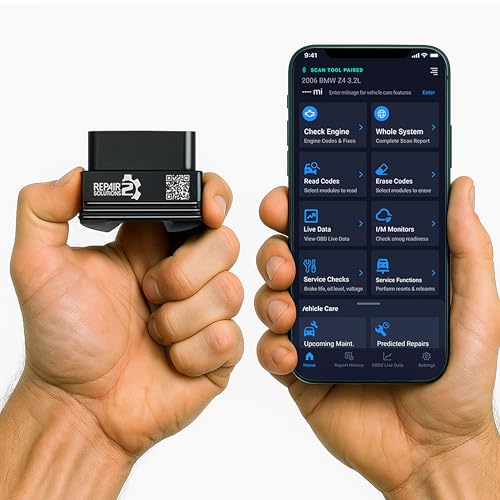
Utilize an OBD-II scanner to retrieve any stored P-codes. Transmission-related issues often fall within the P07xx series (e.g., P0730 for Incorrect Gear Ratio, P0740 for Torque Converter Clutch Circuit Malfunction). These codes provide crucial insights into which system or component is experiencing a malfunction. It’s important to distinguish between generic codes, which indicate a general area of concern, and manufacturer-specific codes, which offer more precise details. Many transmission issues, like a faulty sensor or solenoid, may not trigger a generic Check Engine Light but will present as specific transmission DTCs, helping to quickly debug the root cause.
A structured road test is essential to observe symptoms under various conditions. Drive the vehicle when cold, then fully warmed up. Accelerate gently and aggressively, test city and highway speeds, and note how the transmission behaves during upshifts, downshifts, and engagement in Drive and Reverse. For example, observing a hard shift consistently only when the vehicle is cold can point towards specific fluid viscosity issues or cold-start programming anomalies. This direct observation helps to refine the problem description and aids in finding the proper solution.
Visually inspect the transmission housing, cooler lines, and wiring for any physical damage, obvious leaks, loose connections, or frayed wiring. For complex issues, a professional technician will employ specialized Honda Diagnostic System (HDS) tools. These dealer-level tools provide deeper analysis, real-time sensor readings, and module communication, which is invaluable for a comprehensive diagnosis to pinpoint the precise cause of the problem and plan the most effective repair. The average cost for a professional transmission diagnostic ranges from $80 to $150, an investment that typically saves far more by preventing misdiagnosis.
Root Causes Behind Honda Pilot Transmission Malfunctions
Understanding the underlying reasons for transmission problems in a Honda Pilot is crucial for effective repair and preventative strategies. From my extensive experience, most malfunctions can be traced back to a few primary causes.
Insufficient or Contaminated Transmission Fluid
The most common cause of transmission failure is often related to its lifeblood: the fluid. Insufficient fluid levels lead to inadequate lubrication and cooling, causing internal components to overheat and wear prematurely. Conversely, contaminated fluid (from wear debris, moisture, or incorrect fluid types) loses its essential friction properties, leading to slipping clutches, accelerated component wear, and eventual system failure. Honda’s DW-1 fluid is specifically designed for their transmissions, and using incorrect fluid can void warranties and cause rapid degradation of components.
Overheating
Excessive heat is a silent killer for transmissions. Conditions such as heavy towing, aggressive driving habits, or insufficient cooling capacity can push transmission fluid temperatures beyond their operational limits. This rapid breakdown of fluid viscosity reduces its protective capabilities, damaging internal components like seals, clutch packs, and even the valve body. For instance, a Pilot consistently towing heavy loads without an auxiliary transmission cooler is highly prone to experiencing premature fluid breakdown and component damage due to overheating. Statistically, over 90% of automatic transmission failures are linked to fluid contamination or overheating.
Worn Internal Components
Despite regular maintenance, wear and tear are inevitable. Over time, friction materials in clutch packs and bands degrade, bearings develop play, and planetary gears can become damaged. This natural wear leads to the common symptoms of slipping, harsh engagement, or a loss of gear engagement entirely, often necessitating a comprehensive repair or rebuild to resolve the issue.
Electronic and Sensor Failures
Modern transmissions rely heavily on electronic controls. Failures in components such as shift solenoids, input/output speed sensors, or the Transmission Control Module (TCM) can cause a range of problems. A faulty shift solenoid, for example, might prevent the transmission from engaging a specific gear, leading to erratic shifting or even forcing the vehicle into a “limp mode” to prevent further damage. These electronic glitches often require sophisticated diagnostic tools to pinpoint and debug.
Torque Converter Malfunctions
The torque converter is a complex component that can develop issues, particularly with its lock-up clutch. A failing lock-up clutch can cause shuddering during light acceleration, inefficient power transfer, and contribute to overheating. Internal wear within the torque converter itself can also generate debris that contaminates the entire transmission system, exacerbating existing problems.
Manufacturing Defects or Design Flaws
While less common in new vehicles, some specific Honda Pilot models or transmission types have experienced known issues or design flaws. The early generations of the ZF 9-speed units, for instance, were subject to several Technical Service Bulletins (TSBs) addressing software bugs and component weaknesses that caused shifting anomalies. These issues required specific software updates or component replacements to resolve effectively.
Professional Repair and Resolution Strategies for Honda Pilot Transmissions
Once a Honda Pilot transmission issue has been accurately diagnosed, determining the most effective and economical repair strategy is the next critical step. The solution can range from a simple fluid service to a complete transmission replacement, each with its own cost implications and benefits.
Transmission Fluid Flush and Filter Replacement
For minor issues, preventative maintenance, or slightly delayed shifts caused by old fluid, a transmission fluid flush and filter replacement can often be an effective first step. This service replaces contaminated fluid with fresh, manufacturer-specified fluid, restoring lubrication and cooling properties. However, it’s crucial to understand when this is appropriate: for a severely contaminated, high-mileage unit, a flush could potentially dislodge debris and exacerbate existing problems by circulating it through the system. For a Pilot with slightly delayed shifts, replacing a clogged transmission filter and performing a fluid flush might be the simple solution.
Solenoid or Sensor Replacement
When diagnostics pinpoint a specific faulty shift solenoid, speed sensor, or pressure sensor, replacing these individual electronic components can often restore proper shifting and functionality. This is typically a less costly repair than a major internal overhaul. The process involves identifying the problematic component, accessing it (which can sometimes be labor-intensive depending on its location within the valve body), and replacing it. This targeted repair can efficiently resolve erratic shifting or limp mode conditions if the underlying cause is indeed an electronic failure.
Transmission Rebuild
A transmission rebuild involves removing the transmission, disassembling it, inspecting all internal components, and replacing worn items such as clutch packs, bands, seals, gaskets, and bearings. The housing and hard parts are cleaned and inspected for damage. A rebuild is a viable, cost-effective alternative to full replacement when the transmission has significant internal wear but the casing and major components are intact. For instance, a transmission shop might recommend a rebuild for a Pilot unit with significant internal clutch wear, providing a “like new” internal mechanism. It offers a lasting solution at a typically lower cost than a brand-new unit.
Remanufactured or New Transmission Replacement
For catastrophic internal failure from overheating, a severely cracked housing, or extensive damage to multiple major components, a full transmission replacement becomes necessary. A remanufactured transmission is one that has been completely disassembled, cleaned, inspected, and rebuilt to original factory specifications (or better) with all worn parts replaced. A new transmission is a factory-fresh unit. Remanufactured units are generally more affordable than new ones while offering similar reliability and often come with substantial warranties. For a Pilot with catastrophic internal failure, a complete transmission replacement is often the most practical and reliable resolution.
Software Updates and Reprogramming
Particularly for early ZF 9-speed units in Honda Pilots, software updates and reprogramming play a critical role. Many shifting anomalies, harsh engagements, or delays were not mechanical failures but rather calibration issues that could be resolved through official Honda Technical Service Bulletin (TSB) updates. Always ensure your Pilot’s transmission control module (TCM) has the latest software version to rule out electronic calibration issues as a root cause.
Cost Considerations and Warranty
Transmission repairs can be expensive. Always obtain multiple quotes from reputable shops, clearly outlining the scope of work and parts used. Inquire thoroughly about warranty coverage for both parts and labor, as this can vary significantly. Many reputable shops offer 12-36 month warranties on rebuilt or replaced transmissions, providing peace of mind. By comparing options and understanding the implications, you can arrive at the best solution for your Honda Pilot.
By The Numbers: Typical Transmission Repair Costs
Fluid & Filter Service
Solenoid/Sensor Replacement
Transmission Rebuild
Full Replacement (Reman/New)
Proactive Maintenance to Prevent Honda Pilot Transmission Problems
The most effective strategy against costly transmission repairs is proactive, diligent maintenance. By adhering to best practices, Honda Pilot owners can significantly extend the lifespan of their transmission and prevent the onset of major problems.
Adhering to Manufacturer’s Fluid Change Intervals
The single most impactful maintenance item is timely transmission fluid replacement. Honda’s recommended service schedule, typically every 30,000-60,000 miles for automatic transmission fluid, is a guideline that should be strictly followed, especially under severe driving conditions such as frequent towing, mountainous driving, or stop-and-go city traffic. For example, a Honda Pilot used for frequent towing should have its transmission fluid changed more frequently than one used only for highway cruising. This proactive measure prevents fluid breakdown and contamination, which are primary causes of transmission wear.
Using the Correct Transmission Fluid
It is paramount to use only the Honda Genuine ATF DW-1 fluid for most automatic transmissions (or the specifically designated fluid for newer 10-speed units). These fluids are meticulously engineered to meet the precise requirements of Honda’s transmissions, ensuring proper lubrication, heat dissipation, and clutch operation. Always confirm the specific fluid type required for your Pilot’s model year in the owner’s manual before any service to prevent rapid degradation and potential system failure.
Regular Inspections and Early Detection
Integrate routine checks into your vehicle care. Regularly inspect for any fluid leaks under your Pilot, periodically check the transmission fluid’s color and smell, and remain attentive to any unusual noises or changes in shift quality during normal operation. Early detection of minor issues often allows for a simple, cost-effective solution before they escalate.
Avoiding Harsh Driving Conditions
Driving habits significantly impact transmission longevity. Practices like avoiding excessive towing beyond rated capacities, rapid acceleration from a standstill, and prolonged heavy loads can prevent unnecessary stress and overheating. Allow your vehicle to warm up properly in cold weather before demanding full performance, and always ensure proper cooling system function.
Promptly Addressing Warning Signs
Never ignore even minor symptoms such as a subtle harsh shift, a faint whine, or a flashing dashboard light. Promptly investigating and addressing any warning sign is critical. A small problem, if left unaddressed, will inevitably escalate into a major, expensive transmission failure. Acting quickly is the most effective workaround to prevent significant damage.
Extended Transmission Lifespan
Proper, routine maintenance can extend the life of a Honda Pilot’s transmission by 50,000 miles or more, safeguarding your investment and ensuring long-term reliability.
Significant Cost Savings
Investing in preventative maintenance typically costs 5-10 times less than a major transmission repair or full replacement, offering substantial long-term financial benefits.
Enhanced Driving Performance
A well-maintained transmission ensures smoother shifts, optimal fuel efficiency, and a more responsive and enjoyable driving experience every time you get behind the wheel.
Proper transmission maintenance can extend the life of a Honda Pilot’s transmission by 50,000 miles or more. Investing in preventative maintenance typically costs 5-10 times less than a major transmission repair or replacement, making it an economically sound strategy.
Early identification of Honda Pilot transmission symptoms is crucial for minimizing repair severity and cost. Accurate diagnosis, through meticulous fluid checks, OBD-II scanning, and professional evaluation, pinpoints the root cause of the malfunction. Ultimately, proactive maintenance, including timely fluid changes, using the correct fluid, and adhering to manufacturer guidelines, is the key to preventing major transmission failures and ensuring the longevity of your vehicle.
Do not ignore any signs of transmission trouble. Consult a certified automotive technician immediately to schedule a professional diagnostic appointment and ensure the optimal performance and safety of your Honda Pilot. Addressing issues early is the most effective solution to maintain your vehicle’s reliability.
Frequently Asked Questions
What type of transmission fluid does a Honda Pilot use?
Honda Pilot models generally require Honda Genuine ATF DW-1 fluid. It is crucial to use this specific fluid to ensure proper lubrication, friction characteristics, and longevity of your Honda transmission. Using alternative or generic fluids can lead to poor performance, internal damage, and may void your warranty. Always consult your owner’s manual for the exact fluid specification for your specific model year.
How often should transmission fluid be changed in a Honda Pilot?
Honda generally recommends changing the transmission fluid every 30,000 to 60,000 miles, or every 36-72 months, depending on the model year and driving conditions. For vehicles subjected to ‘severe use’ (e.g., heavy towing, mountainous driving, or extensive stop-and-go traffic), more frequent changes are advised. Always refer to your Honda Pilot’s owner’s manual for the precise maintenance schedule.
What does a flashing ‘D’ light on the Honda Pilot dashboard mean?
A flashing ‘D’ (Drive) light on your Honda Pilot’s dashboard typically indicates a detected problem within the transmission system. This light serves as a warning, often accompanied by the Check Engine Light, signaling that the Transmission Control Module (TCM) has detected a fault. It could range from sensor malfunctions to internal mechanical issues, and immediate professional diagnosis is recommended to prevent further damage.
Can I drive my Honda Pilot with a transmission problem?
While it might be possible to drive a short distance with minor transmission issues, it is strongly advised against it. Driving with a known transmission problem can rapidly escalate minor faults into catastrophic failures, leading to significantly more extensive and expensive repairs, potentially requiring a full transmission replacement. If you notice symptoms, seek professional diagnosis and repair as soon as possible.
What is the average cost to repair a Honda Pilot transmission?
The cost to repair a Honda Pilot transmission varies widely depending on the nature and severity of the problem. Minor repairs like a fluid flush and filter replacement might cost $200-$400. Replacing a faulty solenoid could range from $300-$800. A full transmission rebuild typically costs $2,000-$4,500, while a complete transmission replacement (new or remanufactured) can range from $3,500 to over $6,500, including labor.