2001 Honda Accord Cruise Control Not Working: Resolved Fast
Nothing ruins a highway drive faster than realizing your cruise control has stopped working. For owners of the 2001 Honda Accord, this frustration is a well-documented rite of passage. As these vehicles age, the intersection of mechanical vacuum components and electrical sensor arrays becomes a primary point of failure. Whether you are dealing with an intermittent engagement issue or a total system blackout, diagnosing the 2001 Honda Accord cruise control not working requires a methodical approach that separates electrical gremlins from mechanical fatigue.
Root Causes of 2001 Honda Accord Cruise Control Not Working


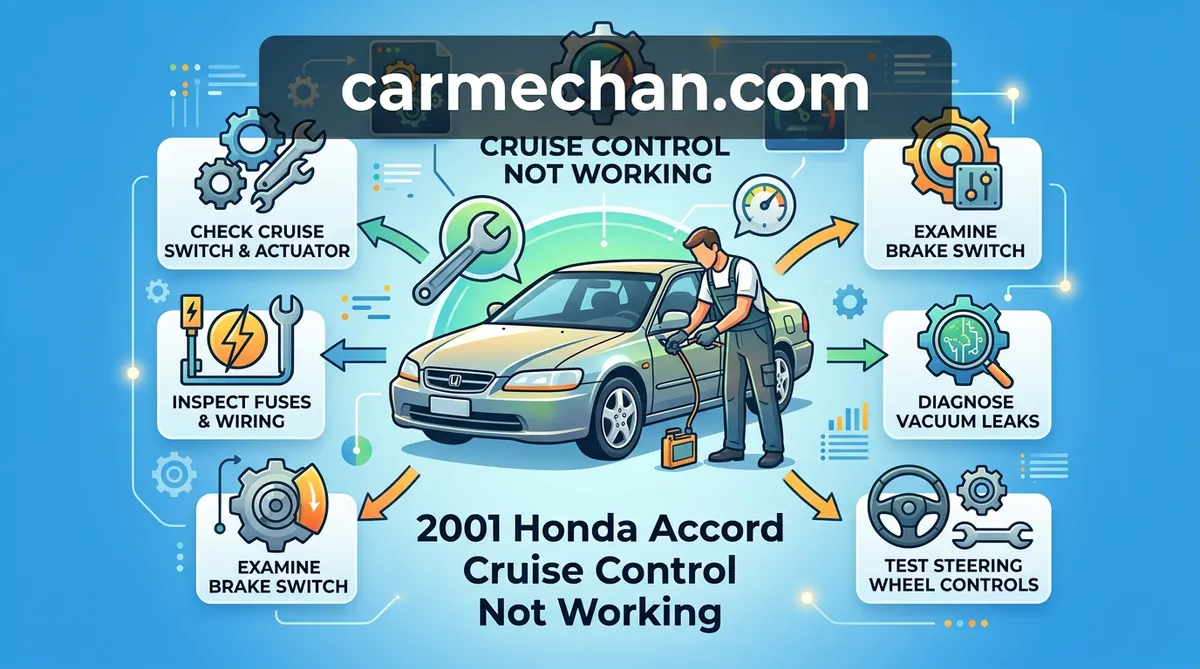
The 2001 Honda Accord utilizes a sophisticated fail-safe design. If the onboard computer detects an inconsistency—such as a conflicting brake signal or a loss of vacuum pressure—it immediately disables the system to ensure passenger safety. Understanding these dependencies is the first step in successful troubleshooting.
📤 Share Image

The Role of the Brake Pedal Position Switch
The brake pedal position switch is the most common failure point for cruise systems. This switch serves a dual purpose: it illuminates your brake lights and sends a signal to the cruise control module to disengage immediately upon deceleration. If the switch is faulty, or if a loose floor mat presses the brake pedal just enough to trigger the sensor without engaging the brakes, the cruise control will remain dead. Even a slight misalignment can cause the system to assume the driver is braking, preventing engagement.
Vacuum System Leaks and Actuator Failure
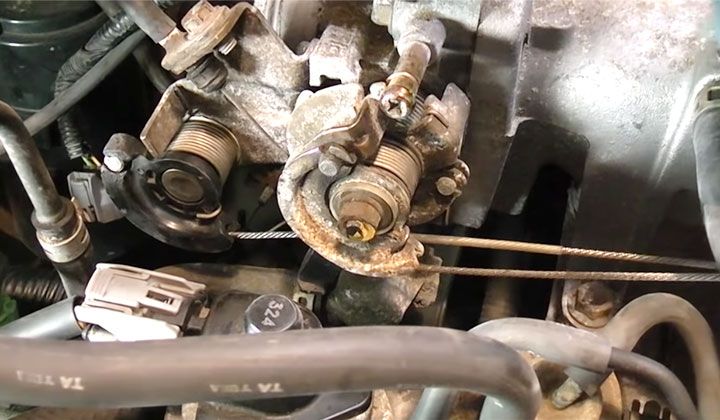
Unlike modern drive-by-wire systems, the 2001 Accord relies on vacuum pressure to actuate the throttle linkage. Over two decades, the rubber vacuum lines feeding the cruise actuator become brittle and porous. A single pinhole leak prevents the vacuum pressure from holding the throttle steady, resulting in a system that simply refuses to “grab.”

Understanding Electrical Fuse Dependencies
The cruise control circuit does not exist in a vacuum; it is tied to several other systems, including the horn, brake lights, and the transmission range switch. A blown fuse often presents as a “no-start” or “no-light” issue, but if the cruise control specific fuse is compromised, the module will lack the 12V operating voltage required to initialize the servo.
By The Numbers
Typical failure rate linked to vacuum/switch issues
Required Operating Voltage
How to Diagnose 2001 Honda Accord Cruise Control Problems


📋
Diagnostic Testing Procedure


Press the ‘Cruise’ main button. If the dashboard light fails to illuminate, check the fuse box (driver side kick panel) for blown fuses. If the fuse is intact, use a multimeter to verify power at the back of the dash switch connector.
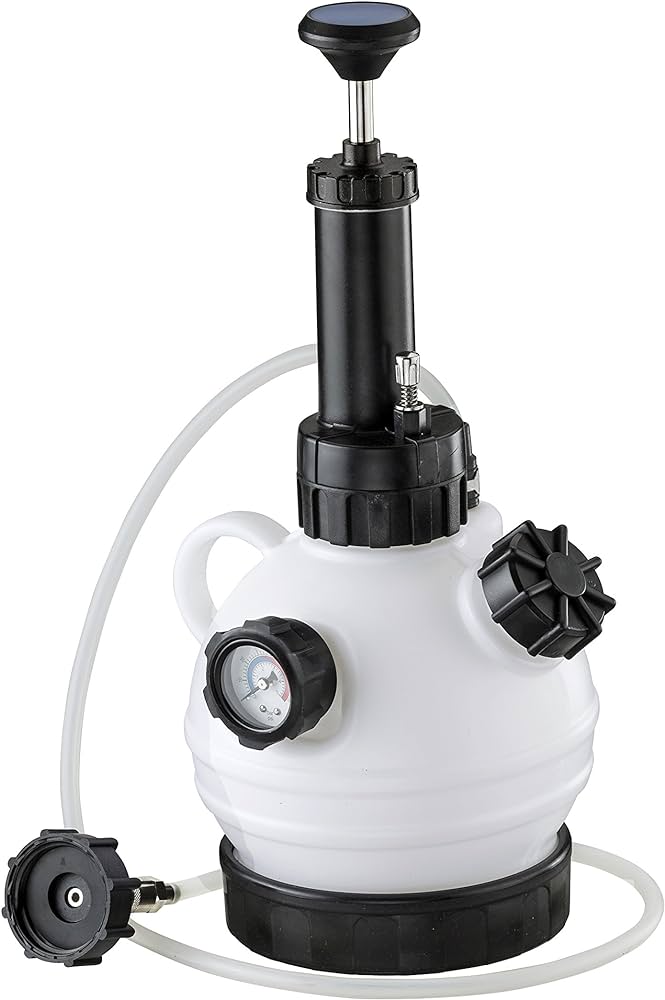
Locate the cruise actuator in the engine bay. Use a hand vacuum pump to apply 15-20 in-Hg of vacuum to the actuator port. If it loses pressure, you have a ruptured diaphragm or a cracked hose.
Ensure the cable connected to the actuator is not frayed or seized. The cable should have slight slack when not engaged but pull tight when the system triggers.
Step-by-Step Fixes for 2001 Honda Accord Cruise Control
Adjusting the Brake Pedal Position Switch
If your brake lights work, but the cruise won’t engage, the switch might be physically out of adjustment. Locate the plastic stopper on the brake pedal arm. If this stopper has crumbled—a common issue in aging Hondas—the switch won’t be depressed, causing the system to think the pedal is pressed. Replace the stopper with a factory-spec rubber bumper or a universal bolt fix.
Replacing Cracked Vacuum Lines
Trace the vacuum line from the cruise actuator to the intake manifold. These lines often harden and develop invisible cracks. Replace these with high-quality silicone vacuum hose of the same internal diameter. Ensure all connections are zip-tied to prevent future vibrations from creating leaks.
Replacing the Cruise Actuator Assembly
If the vacuum test confirms a failed diaphragm, the actuator must be replaced. Unbolt the assembly from the engine bay bracket, carefully disconnect the throttle linkage, and swap in a known-good unit. Calibrate the cable tension by ensuring there is roughly 1/8 inch of play at the throttle body attachment point.
Never attempt to force or bend the throttle linkage cable while the engine is running. Always perform adjustments with the engine off to avoid unexpected throttle opening.
Advanced Troubleshooting for Persistent Cruise Control Failures
When basic diagnostics fail, you must look toward the electronic brain of the system. The cruise control module receives speed data from the transmission’s vehicle speed sensor (VSS). If your speedometer is erratic or dead, your cruise control will never function, as the module cannot calculate the target speed.
Checking the Cruise Control Module Power
Located typically behind the dash or in the driver-side kick panel area, the module requires a constant 12V supply. Inspect the connector for green corrosion, which is a symptom of water ingress. Clean the contacts with electrical contact cleaner and apply a dielectric grease to prevent future oxidation.
Testing Speed Sensor Signals
If you have a scan tool, monitor the “Vehicle Speed” parameter while driving. If the data remains at zero while the vehicle is in motion, the VSS is faulty. A faulty VSS is a common reason for the cruise control to disengage immediately after activation.
Steering Wheel Button Maintenance
The steering wheel switches can accumulate dirt and grime internally, leading to high resistance and signal failure. Use a contact cleaner sprayed sparingly into the edges of the buttons. Repeatedly press them to work the solvent into the switch contacts. If this doesn’t restore connectivity, the internal clock spring or the switch assembly itself may need replacement.
✅ Recommended Tools
- Digital Multimeter (DMM)
- Hand Vacuum Pump (e.g., Mityvac)
- Electrical Contact Cleaner
- Factory Service Manual/Wiring Diagram
❌ Things to Avoid
- Testing vacuum lines with high-pressure air
- Using generic fuses with incorrect amperage
- Bypassing safety switches (never do this)
- Disassembling the cruise module (non-serviceable)
Final Considerations for Your 2001 Honda Accord Repair
Troubleshooting the 2001 Honda Accord cruise control requires you to think like an engineer: check the signal path, verify the vacuum seal, and confirm the mechanical input. Start with the most accessible components—the brake pedal switch and vacuum hoses—before moving to complex electronic diagnostics. Always ensure your brake lights are functioning correctly, as this is the most common reason for a system lockout. If you have systematically checked the voltage at the module, verified vacuum pressure, and ensured the speed sensor is providing data, you have likely narrowed the fault to the control module itself. Should these steps not resolve the issue, a professional scan tool will be required to check for hidden codes that reside in the cruise control memory banks, though these are rare on this generation of Accord.
2001 Honda Accord Cruise Control Not Working: Frequently Asked Questions
Why won’t my cruise control set?
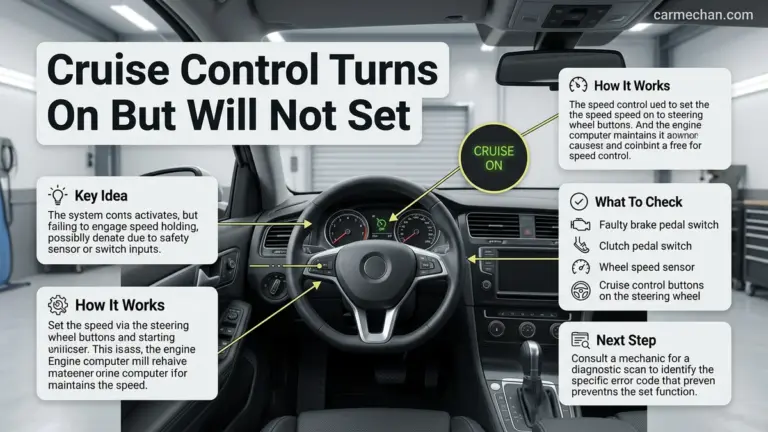
The cruise control system requires a specific set of conditions to be met before the ‘Set’ command is accepted. Common reasons include a failed brake pedal switch (the car thinks you are braking), a broken speedometer cable or VSS signal (the car doesn’t know its own speed), or a vacuum leak preventing the actuator from pulling the throttle open.
Does a blown brake light fuse affect cruise control?
Yes, in many Honda models, the cruise control circuit is interlinked with the brake light circuit. If the brake light fuse is blown, the system may interpret this as a constant ‘brake applied’ signal, causing the cruise control to disengage immediately or fail to engage at all as a safety feature to prevent unintended acceleration.
How do I check the cruise actuator cable?
Locate the cruise control actuator under the hood. Manually pull the cable to ensure it moves the throttle linkage smoothly without binding or fraying. If the cable is loose or disconnected, the actuator will move, but it will fail to physically adjust the throttle plate. Ensure the cable tension is tight enough to engage when the system activates.
Is the cruise control fuse separate from the horn?
Yes, the cruise control system and the horn are on separate circuits. The cruise control typically uses a 15A fuse labeled ‘Cruise’ located in the interior cabin fuse box. The horn is usually powered by a different circuit in the engine bay or a separate interior fuse, so if your horn works but cruise doesn’t, check the specific cruise fuse first.
What is the most common reason for a 2001 Accord cruise failure?
The most frequent cause is a disintegrated rubber brake pedal stop pad. This small plastic or rubber piece sits on the pedal arm; when it falls out, the brake switch loses contact, the brake lights may stay on, and the cruise control system is electronically locked out to prevent the engine from fighting against the brakes.