Why Your Facebook Feed Is Full of Ads (And How to Fix It)
Your Facebook feed appears ‘all ads’ primarily because of Facebook’s ad-driven business model and its sophisticated algorithm prioritizing paid content. This is compounded by personalized targeting based on your data and engagement patterns, alongside a decline in organic reach for friend posts. Understanding these factors can help you manage your ad exposure.
🎯 Key Takeaways
- Facebook’s revenue heavily relies on advertising.
- Your personal data fuels highly targeted ads.
- The algorithm favors paid content over organic.
- Ad fatigue makes ads seem more prevalent.
- Adjusting ad preferences can refine your feed.
If your Facebook feed feels less like a social network and more like a never-ending infomercial, you’re not alone. The overwhelming presence of ads isn’t random; it’s a deliberate, sophisticated strategy rooted in Facebook’s core business model, driven by powerful algorithms and an intricate understanding of your data. Understanding this isn’t just about complaining; it’s about gaining perspective on why your online experience is designed the way it is and empowering you to better manage your digital environment.

Prime for Young Adults — 6 Months Free
Students and 18–24s get six months of Prime free, then half price.
Start 6 Months Free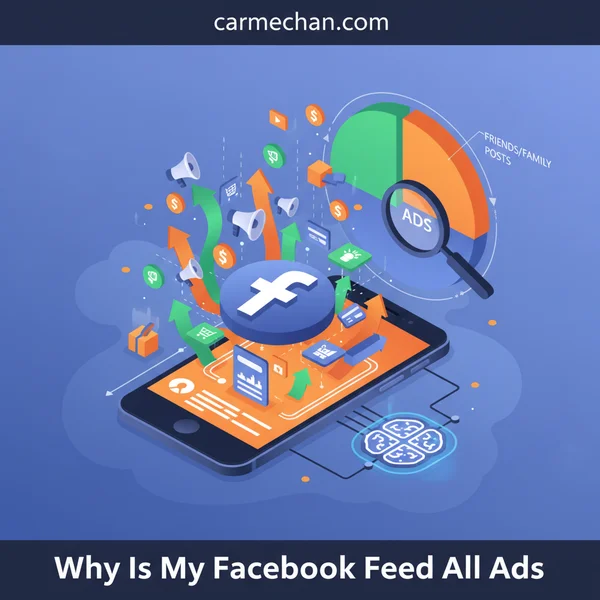
The short answer? Your Facebook feed is full of ads because advertising is how the platform makes nearly all its money. Every click, every scroll, every piece of content you interact with feeds an engine designed to show you precisely what an advertiser wants you to see, often at the expense of organic content from friends and pages you follow. This isn’t an accident; it’s the foundation of modern social media economics.
The Core Reasons: Facebook’s Ad-Driven Business Model
The Economic Reality: You Are the Product
Facebook, owned by Meta Platforms, generates over 98% of its massive revenue from advertising. This isn’t just a minor income stream; it’s the entire bedrock of their business model. When a service is “free,” you are the product being sold to advertisers. This fundamental truth means Facebook’s primary objective isn’t just connecting you with friends; it’s maximizing the number of ad impressions and clicks you deliver.
- Staggering Revenue: In 2023 alone, Meta reported over $130 billion in advertising revenue. This vast sum directly reflects how many ads users like you are shown and interact with.
- Attention Economy: Your attention is a valuable commodity. Facebook is meticulously engineered to capture and retain it, making you a more receptive audience for advertisers. More time spent on the platform means more opportunities to serve you ads, directly translating into profit.
Declining Organic Reach for Businesses
A significant shift over the past decade has dramatically altered the content landscape: the steep decline in organic reach for Facebook Pages. Years ago, a business or public figure page could post content, and a substantial portion of its followers would see it without any payment. That era is long gone, and this change directly impacts your feed’s ad density.
- Pay-to-Play: Today, the average organic reach for a Facebook Page often hovers below 1% of its followers. This means if you follow a page with 10,000 fans, only about 100 people might see their post organically.
- Forced Advertising: This decline isn’t accidental. It strategically forces businesses, content creators, and even small organizations to “boost” their posts or run ads if they want their content to be seen by their own audience. This influx of paid content, even from pages you’ve chosen to follow, saturates your feed with what are essentially ads.
- Your Experience: The result is a feed where content from a friend might be buried by a sponsored post from a brand you engaged with once, simply because that brand paid for visibility.
Algorithm Shifts and Your Data: The Targeting Engine
The Algorithm’s Prime Directive: Engagement and Revenue
Facebook’s algorithm isn’t merely a chronological feed. It’s an incredibly sophisticated, constantly evolving system designed with two primary goals: keeping you engaged and maximizing ad revenue. It learns from your every interaction, prioritizing content it predicts you’ll spend more time on, whether that’s liking, commenting, or simply pausing to view. Paid advertisements are inherently optimized to exploit this directive.
- Beyond Friends: The algorithm no longer primarily prioritizes posts from your closest friends. Instead, it prioritizes content, including ads, that it believes will deliver the highest probability of engagement from you. This can make ads feel more relevant and less like generic spam.
- Competition for Eyeballs: With billions of pieces of content being shared daily, the algorithm acts as a gatekeeper. Paid content often gets preferential treatment because it directly contributes to Facebook’s financial success, allowing it to cut through the noise more effectively than organic posts.
The Power of Hyper-Targeted Advertising
Perhaps the most impactful reason your feed is awash with ads is Facebook’s unparalleled ability to target you with extreme precision. The platform collects an immense amount of data about you—not just what you do on Facebook, but often what you do across the internet—to build incredibly detailed user profiles. This data is the fuel for hyper-targeted advertising.
- Your Digital Footprint: This includes demographics (age, location, relationship status), interests (pages liked, groups joined, posts engaged with), and even off-platform activity (websites visited, products purchased) through pixels and third-party data.
- Eerily Specific Ads: Advertisers can then use these profiles to target audiences with staggering specificity. For example, a furniture company might target “homeowners aged 30-55, living in suburban areas, who have recently engaged with home decor content and are in a higher income bracket.” This precision makes ads feel less random and more like suggestions from an omniscient friend, making them harder to ignore.
- The “Creepy” Factor: Have you ever searched for a product on Google, only to see an ad for it moments later on Facebook? This isn’t coincidence; it’s the result of sophisticated data sharing and targeting, ensuring ads are always highly relevant to your recent activity and perceived needs.
Why Ads Feel More Prevalent: User Behavior and Ad Fatigue
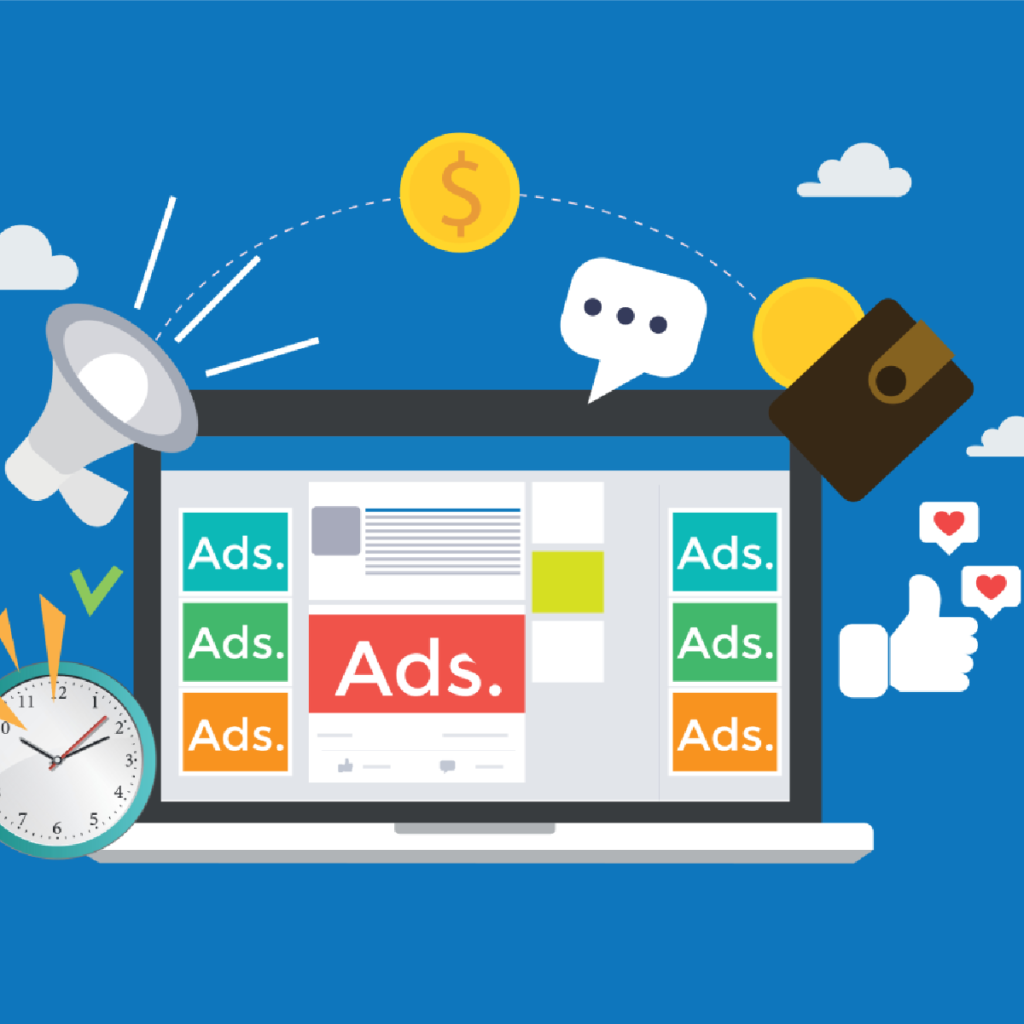
Sometimes, it’s not just about Facebook showing more ads; it’s also about how we perceive them. Our digital habits have shifted, and this change can make the ads stand out even more.
The Shifting Sands of Our Scrolling Habits
Think about how you use Facebook now compared to a few years ago. Many users spend less time actively engaging with individual friends’ posts and more time browsing interest-based Groups, following Pages for news or entertainment, or watching Reels. These spaces inherently have a higher concentration of public content and, consequently, more opportunities for ads to appear.
- Less Organic, More Curated: When our feeds contain fewer personal updates from close friends, the ads – which are often highly polished and professional – become more noticeable.
- Ad Blindness vs. Ad Fatigue: We might develop “ad blindness” to generic ads, but when ads are highly targeted and frequent, they can lead to “ad fatigue,” making us feel overwhelmed and annoyed.
- Intentional Browsing: If you’re specifically seeking out content (e.g., searching for a product in a shopping group), ads related to that interest will feel less intrusive and more like part of the experience.
The Algorithms Are Just Doing Their Job (Too Well)
Facebook’s algorithms are designed for one primary goal: to keep you engaged. If an ad is well-targeted and relevant to your interests, it’s more likely to capture your attention and lead to an interaction (a click, a like, a visit to a website). From the algorithm’s perspective, this is a successful outcome, signaling it should show you more similar ads.

Audible — Listen Free for 30 Days
One free credit a month and thousands of titles included.
Listen Free for 30 Days- Optimized for Engagement: Advertisers pay to reach specific audiences and often create compelling content. If that content performs well, the algorithm prioritizes it, even if it’s an ad.
- Feedback Loop: Every interaction you have (or don’t have) with an ad feeds back into the algorithm, refining what it shows you next. Ignoring relevant ads or actively hiding irrelevant ones sends strong signals.
- Personalization Can Intensify: The more Facebook understands about your preferences, the more eerily accurate the ads can become. This hyper-personalization can sometimes make ads feel more invasive, even if they are genuinely relevant.
Gaining Control: Understanding and Adjusting Your Ad Experience
While you can’t eliminate ads entirely from Facebook, you absolutely have the power to influence what types of ads you see. Understanding your Ad Preferences is the key to fine-tuning your feed and making ads less intrusive and more relevant.
Peeking Behind the Curtain: Your Ad Preferences
Facebook provides a central hub where you can see exactly why you’re being shown certain ads and what information advertisers are using to target you. This transparency is your most powerful tool.
- “Why Am I Seeing This Ad?”: For almost every ad in your feed, there’s an option (usually via a three-dot menu) to click and find out why you’re seeing it. This often reveals specific targeting criteria like demographics, interests, or even if you’ve visited an advertiser’s website.
- Your Ad Interests: Facebook compiles a list of interests based on your activity, likes, and pages you follow. You can view this list in your Ad Preferences and remove anything that no longer reflects your interests or was incorrectly inferred. Removing an interest signals to Facebook that ads related to it are less relevant to you.
- Advertisers You’ve Interacted With: Here, you can see a list of businesses whose ads you’ve clicked on, visited their website after seeing an ad, or whose contact lists you might be on. You can choose to hide ads from specific advertisers here.
Telling Facebook What You Don’t Want
Beyond proactively managing your preferences, you can also take action directly from your feed to shape your ad experience. Every small action contributes to a more personalized, and hopefully less annoying, feed.
- “Hide Ad”: This is your simplest and most direct tool. When you see an ad you don’t like or find irrelevant, use the three-dot menu to select “Hide Ad.” You’ll often be asked for a reason (e.g., “Irrelevant,” “Repetitive,” “Offensive”), which helps Facebook learn.
- “See Fewer Ads Like This”: This option, often found after hiding an ad, tells Facebook to reduce the frequency of ads with similar content or from similar advertisers. It’s a powerful way to signal your disinterest in an entire category.
- Report Ads: For ads that violate community standards, are misleading, or highly inappropriate, the “Report Ad” option is crucial. This not only helps you but also contributes to a safer ad environment for everyone.
Taking Back Your Feed
Your Facebook feed doesn’t have to be an overwhelming billboard of unwanted products. By understanding why ads are so prevalent and actively utilizing the tools Facebook provides, you can transform your experience.
Remember, ads are an integral part of Facebook’s business model, but that doesn’t mean you’re powerless. Take a few minutes to dive into your Ad Preferences and regularly use the “Hide Ad” feature. These small, consistent actions send clear signals to the algorithm, helping it tailor your feed to be more relevant and less annoying. Reclaim your scrolling experience; your attention is valuable!
❓ Frequently Asked Questions
Why is Facebook’s business model so reliant on advertising?
Facebook offers its social platform and services for free to billions of users, necessitating a robust revenue stream. Advertising, powered by its vast user data and precise targeting capabilities, is its primary and most profitable business model.
How does the Facebook algorithm decide which specific ads to show me?
The algorithm considers a multitude of factors including your past interactions (likes, shares, comments), pages you follow, groups you join, demographic information, location, device usage, and even website activity outside of Facebook via tracking pixels. This data is used to match you with ads most likely to be relevant to your interests.
Are there specific actions I take that inadvertently increase the number of ads I see?
Yes, actions like interacting with sponsored posts, visiting websites linked from ads, liking specific brand pages, or frequently engaging with commercial content on Facebook can signal to the algorithm that you are receptive to advertisements, potentially increasing your ad exposure.
Can I really reduce the number of ads on my Facebook feed, or just change their relevance?
While you cannot eliminate ads, you can significantly reduce the perceived number and improve their relevance. Adjusting your ad preferences, hiding specific ads you don’t like, unfollowing pages that frequently post promotions, and reducing engagement with commercial content can all help tailor your ad experience.
Audible Premium Plus — Annual Membership
12 audiobook credits up front, plus the full Audible catalogue.
See Annual PlansWhat is the ‘Why am I seeing this ad?’ feature, and is it genuinely useful for managing my feed?
This feature, accessible from the three-dot menu on any ad, explains why you’re being targeted (e.g., age, interests, pages liked, website visits). It is useful as it allows you to refine your ad preferences directly from that insight, potentially leading to more relevant or fewer unwanted ads over time.
Does Facebook listen to my conversations or access my microphone to target ads?
Facebook strongly denies listening to users’ microphone audio for ad targeting purposes, stating it uses data like your activities, interests, demographics, and information from third-party partners. The perception that it does often stems from the uncanny accuracy of ad targeting, which is achieved through sophisticated data analysis rather than direct eavesdropping.