What Is A Cylinder In A Car What Is a Car Cylinder 2026
Last Updated on September 1, 2026 by Albert Duke
A car engine cylinder is the central chamber where fuel combustion occurs, driving your vehicle’s power. It houses a piston that moves up and down, converting the energy from ignited fuel into mechanical force to turn the crankshaft.
A car engine cylinder is the central chamber where fuel combustion occurs, driving your vehicle’s power. It houses a piston that moves up and down, converting the energy from ignited fuel into mechanical force to turn the crankshaft.
- Cylinders are engine’s power chambers.
- They facilitate the crucial 4-stroke cycle.
- Pistons and valves are key components.
- Cylinder count impacts engine performance.
- Various configurations exist for engines.
A car engine cylinder is fundamentally the powerhouse of your vehicle, serving as the essential component where fuel is burned to generate motion. Understanding this core part demystifies how your car moves and why certain engines perform differently. Whether you are a novice car owner, an aspiring mechanic, or simply curious about what powers your daily commute, grasping the role of the cylinder is foundational.
This knowledge helps you appreciate the engineering under the hood and make more informed decisions about your vehicle in 2026. Next, we will precisely define what a cylinder is and explore its fundamental role within the engine’s operation.
Key Takeaways


- Cylinders are engine’s power chambers.
- They facilitate the crucial 4-stroke cycle.
- Pistons and valves are key components.
- Cylinder count impacts engine performance.
- Various configurations exist for engines.
What Is a Car Cylinder and Its Engine Role?
A car cylinder is essentially a hollow, cylindrical chamber found within the engine block, acting as the primary location where fuel is combusted to create mechanical energy. Think of it as a meticulously engineered pressure vessel, designed to contain mini-explosions. This combustion process transforms the chemical energy stored in fuel into kinetic energy.


Engine’s Core Function
The primary function of an engine cylinder is to provide a controlled environment for the air-fuel mixture to ignite and expand. This controlled expansion pushes a piston, converting the combustion force into linear motion. This process is central to the internal combustion engine’s operation, making the cylinder an indispensable component.
Power Generation Essentials
The continuous, rapid ignition cycles within one or more cylinders generate the power required to propel a vehicle. Without a and efficient car engine cylinder definition, the engine cannot convert fuel into usable power. The cylinder and its associated parts work in concert, much like a well-timed pump, to draw in fuel and air, compress it, ignite it, and then expel the exhaust gases, ready for the next cycle.
Understanding this foundational role naturally leads us to explore the detailed steps of how this power is actually generated inside the cylinder.
How to Understand the 4-Stroke Engine Cycle in 4 Steps
The miraculous transformation of fuel into motion within a car cylinder happens through a precise sequence known as the 4-stroke engine cycle, a fundamental process we can break down into four key actions. Each stroke plays a vital part in converting chemical energy into mechanical force. This continuous cycle ensures your vehicle has constant power.
Intake Cycle
1. The cycle begins with the Intake Stroke. As the piston moves downwards inside the cylinder, the intake valve opens. This creates a vacuum, drawing in a mixture of air and atomized fuel into the cylinder. The engine is essentially taking a “breath” of its energy source.
Compression Cycle
2. Following intake, the Compression Stroke occurs. The intake valve closes, and the piston moves upwards, compressing the air-fuel mixture into a much smaller volume. This compression significantly increases the mixture’s temperature and pressure, preparing it for a powerful ignition. Higher compression generally leads to greater efficiency and power output.
Power Cycle
3. At the peak of compression, the spark plug ignites the now highly pressurized air-fuel mixture. This violent, controlled explosion forces the piston powerfully downwards, performing the Power Stroke. This is where the actual work is done, converting the rapid expansion of burning gases into the force that drives the crankshaft.
This is also called the combustion stroke.
Exhaust Cycle
4. Finally, the Exhaust Stroke clears the cylinder. As the piston moves upwards again, the exhaust valve opens, pushing out the burnt gases from the combustion process. These waste gases are expelled through the exhaust system, making way for a fresh air-fuel mixture to enter for the next intake stroke.
This completes the full 4-stroke cycle, ready to repeat thousands of times per minute. Now that we have visualized the dynamic process within, let us examine the individual components that make this intricate dance possible.
5 Key Parts Inside an Engine Cylinder
Beyond the basic chamber, an engine cylinder is a finely tuned assembly of several crucial parts working in concert to convert combustion into usable power. Each component has a specific role, contributing to the overall efficiency and reliability of the engine.
Piston’s Movement
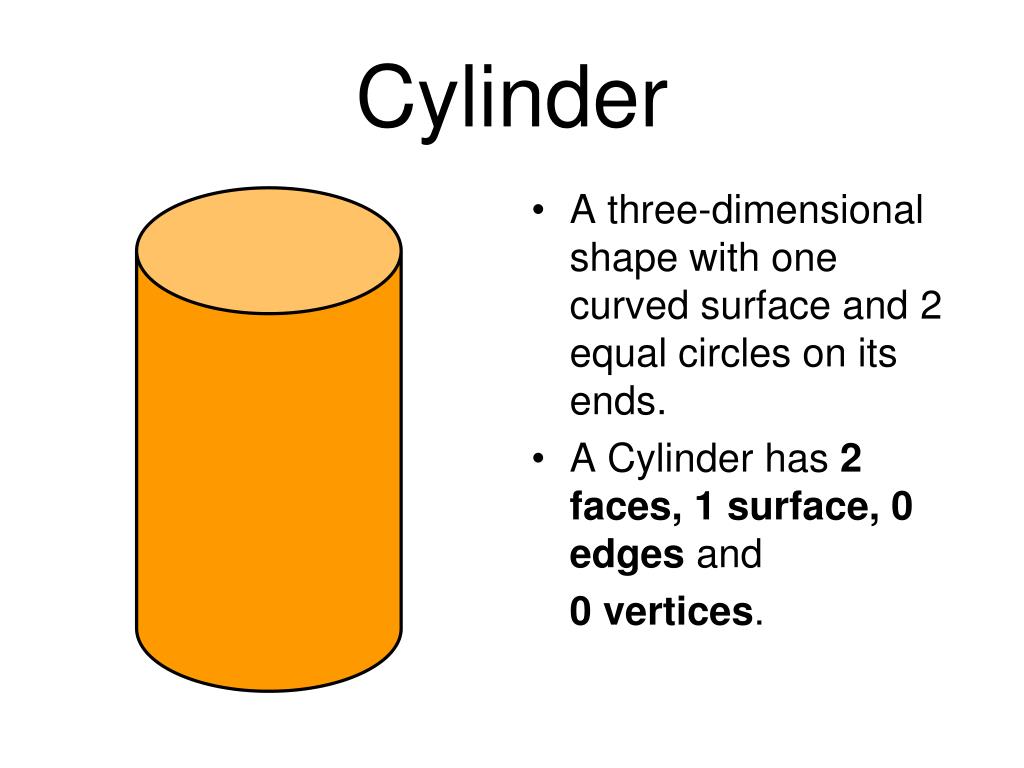
The Piston is a cylindrical component that moves up and down within the cylinder, much like a plunger. It transmits the force of the expanding combustion gases to the connecting rod, initiating the mechanical movement of the engine. A tight seal around the piston ensures maximum energy transfer during the compression and power strokes.
This is a primary component of a car engine cylinder.
Rod’s Connection
Attached to the piston is the Connecting Rod. This link converts the piston’s linear (up and down) motion into rotational motion. It acts as an intermediary, transferring the force generated in the cylinder down to the crankshaft below.
Crank’s Rotation
The Crankshaft receives the motion from all the connecting rods and converts it into the rotational energy that ultimately drives the vehicle’s wheels. It is the backbone of the engine’s rotating assembly, crucial for continuous power delivery. The crankshaft is intricately balanced to ensure smooth engine operation.
Valve’s Control
Engine Valves (typically one or more intake and exhaust valves per cylinder) control the flow of gases into and out of the cylinder. The intake valve allows the air-fuel mixture in, while the exhaust valve lets spent gases out. Their precise timing is critical for the 4-stroke cycle’s efficiency and power.
These components play a critical role in orchestrating the flow of gases during engine operation.
Spark’s Ignition
For gasoline engines, the Spark Plug is responsible for igniting the compressed air-fuel mixture. It creates a precisely timed electrical spark, initiating the combustion that drives the piston. Without a functional spark plug, a cylinder cannot produce power. Understanding these individual parts highlights their collective importance, naturally leading us to consider how cylinder numbers themselves influence overall car performance.
Why Do Cylinder Numbers Affect Car Performance?
The number of cylinders in a car’s engine is not just a specification; it significantly influences the vehicle’s power, fuel efficiency, and even the driving experience. More cylinders generally mean more power, but also increased complexity and weight.
Engine Efficiency
An engine with fewer cylinders, such as a 4-cylinder, tends to be more fuel-efficient and lighter. This design is common in compact cars and hybrids, offering good mileage for daily commutes. However, they may produce less raw power compared to engines with more cylinders.
Power Output Factors
Engines with more cylinders, like 6 or 8, can generate substantially more power and torque. Each additional cylinder contributes to the total volume of combustion, leading to greater force transmitted to the crankshaft. This is why sports cars and heavy-duty trucks often feature higher cylinder counts, delivering the performance needed for demanding tasks or rapid acceleration.
Smoothness Quality
More cylinders also contribute to smoother engine operation. With more power strokes overlapping, the engine’s power delivery becomes more continuous and less prone to vibrations. A V8 engine, for instance, generally feels smoother than a 4-cylinder engine at comparable speeds. This factor heavily impacts the perceived quality and comfort of the drive.
The question of how many cylinders does a car need really depends on its intended purpose and the desired balance of power, efficiency, and smoothness. Given these performance implications, it becomes essential to explore the various physical arrangements and configurations these cylinders can take within an engine block.
Inline Versus V-Engine Cylinder Types
While the function of a car cylinder remains constant, their physical arrangement within the engine block can vary significantly, leading to distinct engine types like the popular inline versus V-engine configurations. These layouts affect everything from engine size and balance to manufacturing costs.
Inline Layouts
In an Inline Engine, all cylinders are arranged in a single straight line along the crankshaft. Common examples include Inline-4 (I4) and Inline-6 (I6) configurations. I4s are compact and fuel-efficient, ideal for most passenger cars. I6s are known for their inherent smoothness due to excellent primary and secondary balance, often found in luxury and performance vehicles.
For further insights into the complexities of engine designs, one might explore resources such as the Society of Automotive Engineers standards for engine architecture.
V-Engine Structures
V-Engines arrange cylinders in two banks, forming a “V” shape around a central crankshaft. This design, seen in V6, V8, V10, and V12 configurations, allows for a shorter, wider engine block compared to an inline engine with the same number of cylinders. This compactness makes V-engines suitable for vehicles with limited engine bay space, such as performance cars or trucks that need powerful engines but cannot accommodate a long inline design.
A typical V8 engine provides a powerful punch in a relatively compact package.
Flat Engine Designs
A less common but notable configuration is the Flat Engine, also known as a Boxer engine. Here, cylinders are arranged horizontally in two opposing banks. This design lowers the vehicle’s center of gravity, which can improve handling. Subaru and Porsche are well-known for using boxer engines.
For example, the emissions and efficiency benefits of modern engine designs are constantly being researched by organizations like the Environmental Protection Agency. These engine types showcase the innovative ways engineers optimize engine packaging and performance.
Cylinder Count Range
Most passenger cars today feature 4-cylinder or 6-cylinder engines. 4-cylinder engines offer a good balance of economy and adequate power for daily driving. 6-cylinder engines provide more power and smoother operation, suitable for larger sedans and SUVs. V8 engines are typically reserved for performance vehicles, trucks, and luxury cars, delivering substantial power at the cost of higher fuel consumption.
This range demonstrates the diversity of choices available to consumers in 2026, balancing performance with practicality. With a thorough understanding of cylinder types and functions, we can now reflect on the broader impact this knowledge has for you as a car owner.
What Does Knowing Cylinder Details Mean for You?
Understanding what a cylinder is in a car engine and how it operates fundamentally changes your perspective on your vehicle’s performance. You now grasp the intricate dance of components that converts fuel into forward motion, giving you a deeper appreciation for automotive engineering. This knowledge isn’t just theoretical; it empowers you to make more informed decisions about vehicle maintenance, potential upgrades, or even your next car purchase in 2026.
Knowing about cylinder types and counts helps you decode engine specifications and understand their real-world implications.
From recognizing the signs of an engine misfire to appreciating the fuel efficiency of a modern 4-cylinder versus the raw power of a V8, this foundational understanding is invaluable. It transforms the mysterious “engine” into a comprehensible system. By grasping the basics of how your car generates power, you gain confidence and control, making you a more knowledgeable and discerning car owner.
Continue to explore other car components to build on this expert understanding of your vehicle.
Frequently Asked Questions About Car Cylinders
What Does a Cylinder Do in a Car?
A cylinder in a car engine acts as the combustion chamber where air and fuel are ignited. This controlled explosion pushes a piston, converting chemical energy into mechanical force that ultimately drives the vehicle’s wheels. It is the heart of power generation.
How Many Cylinders Does a Car Typically Have?
Most modern passenger cars typically have 4 or 6 cylinders. Smaller, more fuel-efficient cars often use 4-cylinder engines, while larger vehicles, trucks, or performance cars might feature 6 or 8 cylinders. Some specialized vehicles can have 3, 10, or even 12 cylinders.
What Is the 4-stroke Cycle?
The 4-stroke cycle is the fundamental process by which an internal combustion engine generates power within a cylinder. It consists of four distinct phases: intake, compression, power (combustion), and exhaust. Each stroke precisely controls the movement of gases and the piston to create continuous motion.
Why Are More Cylinders Often Smoother?
Engines with more cylinders generally operate smoother because the power strokes from individual cylinders overlap more frequently. This overlap creates a more continuous and balanced delivery of power to the crankshaft, reducing vibrations and providing a refined driving experience. Fewer cylinders result in longer gaps between power pulses.
Can a Car Run With a Bad Cylinder?
A car can technically run with a bad cylinder (often called a misfire), but it will experience significantly reduced power, rough idling, poor fuel economy, and increased emissions. Driving with a faulty cylinder can also cause further damage to other engine components, so prompt repair is advisable.