Real Signs You Need A New Car Battery 2026 Expert Guide
Last Updated on September 1, 2026 by Ryan
A failing car battery often signals its decline through slow engine cranking, dim lights, dashboard warning lights, or visible corrosion on terminals. Timely recognition of these symptoms prevents unexpected breakdowns and ensures reliable vehicle operation.
The most common signs you need a new car battery range from obvious starting trouble to subtle electrical quirks. Many vehicle owners ignore these early warnings, only to face an unexpected breakdown at the worst possible moment. Understanding your car’s signals can save you time, money, and considerable frustration.
In 2026, modern car batteries are more advanced, yet their fundamental failure indicators remain consistent. Proactive diagnosis is key to preventing inconvenient no-start situations. This guide will empower you to recognize these critical indicators, starting with the performance issues you might experience firsthand.
Key Takeaways



- Slow engine cranking is a primary warning.
- Dashboard battery lights indicate issues.
- Corrosion suggests battery terminal problems.
- Perform voltage tests to confirm failure.
- Understand battery lifespan for proactive replacement.
5 Unmistakable Signs Your Car Battery Is Dying


Recognizing the earliest warning signs helps prevent unexpected breakdowns. These performance-based symptoms often appear gradually, giving you time to act before complete failure.

Engine Cranks Slowly
When you turn the key or push the start button, a healthy battery delivers a rapid burst of power to the starter motor. A slow or sluggish engine crank indicates the battery struggles to provide sufficient current. This symptom often worsens in cold weather and is one of the most reliable indicators of declining battery health.
Headlights Look Dim
Dim headlights, especially when you first start your vehicle, suggest inadequate power output from the battery. This issue extends to other interior lights as well. If your lights brighten noticeably once the engine is running, it further points to a weak battery struggling to maintain voltage before the alternator takes over.
Battery Warning Light
A battery-shaped icon illuminating on your dashboard typically signals a problem with the charging system. While it could indicate an alternator issue, it often illuminates when the battery voltage drops below an acceptable threshold. Do not ignore this critical indicator, as it requires immediate investigation to prevent being stranded.
Clicking Noise Heard
A rapid clicking sound when you try to start your car, without the engine turning over, is a classic sign of a severely discharged or failing battery. There isn’t enough power to engage the starter motor fully, causing the starter solenoid to rapidly engage and disengage. This noise is distinct from a starter motor grinding or whirring.
Power Accessories Fail
Modern vehicles rely heavily on electrical power for various accessories, including power windows, radio, air conditioning, and seat warmers. If these features operate erratically, slowly, or not at all when the engine is off or struggling to start, your battery is likely underperforming. This indicates insufficient power reserves for the electrical demands.
Beyond these performance indicators, your battery might be sending visual and olfactory warnings that are just as crucial to notice.
What Physical Battery Cues Mean Trouble?
A visual inspection of your car battery can reveal significant clues about its health. These physical signs often point to severe internal issues or external damage requiring immediate attention.
Corroded Terminals Seen
White, blue, or green powdery substance accumulating on battery terminals or cables signifies corrosion. This build-up prevents a strong electrical connection, hindering the battery’s ability to charge and deliver power. It suggests either acid leakage or simply an old, gassing battery struggling to maintain its seal.
Swollen Battery Case
If your battery case appears bloated or swollen, particularly on the sides or top, it indicates internal damage. This swelling is often caused by overcharging, which creates excessive heat and gas pressure within the battery. A swollen battery is a serious safety hazard and requires immediate professional replacement.
Sulfur Smell Present
A strong odor resembling rotten eggs near your battery suggests a problem. This sulfurous smell comes from hydrogen sulfide gas, released when the battery is overcharged or has an internal short circuit. It signifies acid leakage or venting, which is both corrosive and potentially explosive. Address any sulfur smell immediately.
While these physical signs are often clear warnings, confirming the battery’s health often requires a more precise diagnostic approach.
How to Confirm a Weak Battery in 3 Steps
Accurately diagnosing a weak battery involves a few straightforward tests you can often perform yourself. These steps provide concrete data about your battery’s condition, helping you make an informed decision.

Perform Voltage Test
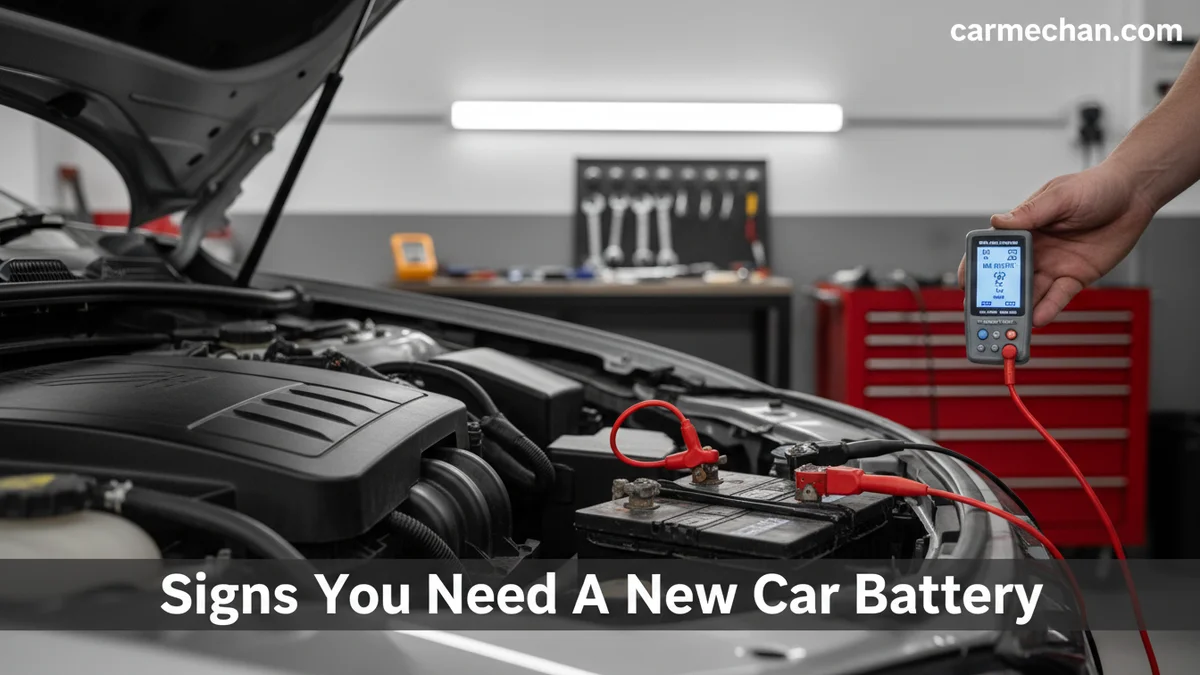
Using a multimeter, check your battery’s voltage after the vehicle has been off for several hours. A fully charged, healthy 12V battery should read around 12.6 volts or higher. A reading below 12.4 volts suggests the battery needs charging, and anything consistently below 12.0 volts indicates a significant discharge or failing capacity.
. This simple test is a foundational diagnostic step.
Conduct Load Check
A voltage test alone doesn’t always tell the whole story. A load test simulates the high current draw required to start your engine, revealing if the battery can maintain voltage under stress. While professional mechanics use specialized load testers, some auto parts stores offer this service free.
A significant voltage drop during a load test confirms a weak battery, even if its static voltage seems acceptable.
Inspect Connections Visually
Sometimes, the issue isn’t the battery itself, but poor connections. Visually inspect both positive and negative terminals and cables. Look for loose connections, dirt, or corrosion that could impede current flow. Tighten any loose terminals and clean off any corrosion with a wire brush and a battery terminal cleaner solution. A secure, clean connection is vital for proper battery function.
However, sometimes the problem isn’t the battery itself, but rather other crucial components of your vehicle’s electrical system.
Battery vs Alternator vs Starter Which Is Failing?
Distinguishing between a failing battery, alternator, or starter is crucial for correct vehicle repair. Each component plays a distinct role in your car’s starting and charging process, and their failure symptoms can sometimes overlap.
Recognize Battery Faults
A failing battery primarily affects the initial start-up. Symptoms include slow cranking, a rapid clicking sound, or a complete lack of response when turning the key. If your car starts after a jump-start but dies shortly after, or if accessories are dim before starting, the battery is the likely culprit.
The issue often manifests after the car has been sitting for a while, particularly in extreme temperatures. A significant portion of roadside assistance calls, estimated at , are due to battery issues.
Identify Alternator Issues
The alternator recharges your battery while the engine runs. If your alternator fails, your car might start but then die shortly after driving, especially if the battery wasn’t fully charged. Other signs include flickering headlights, unusual noises (grinding or whining) from under the hood, or the battery warning light staying illuminated while driving.
An alternator problem means the battery isn’t being replenished, leading to a eventual drain and engine shutdown.
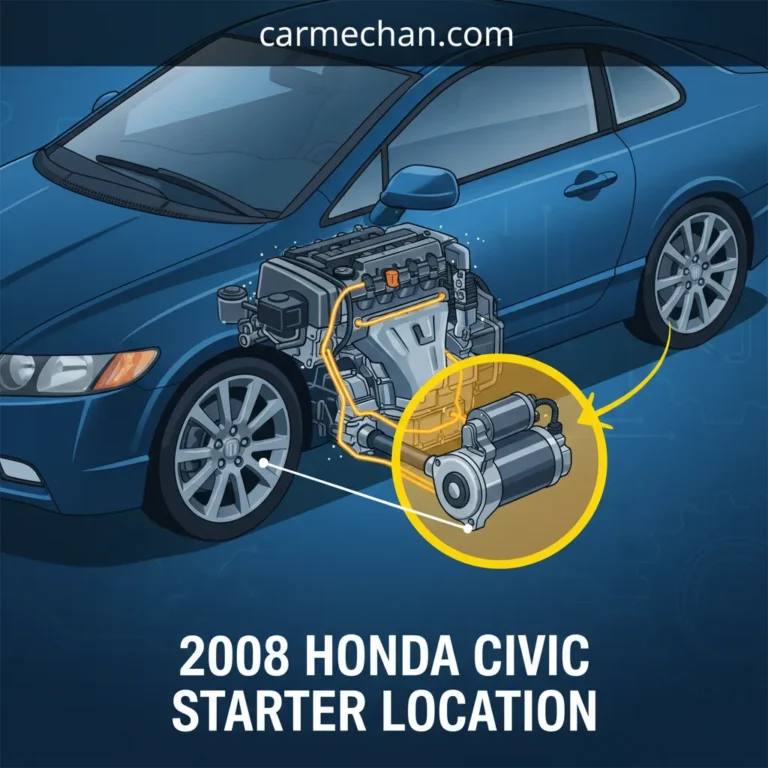
Spot Starter Problems
A failing starter motor usually presents with a distinct set of symptoms. If you hear a single loud click when turning the key, or a grinding/whirring noise without the engine turning over, it often points to the starter. Unlike battery issues, which affect overall electrical power, a starter problem means the engine isn’t physically rotating to begin the combustion cycle, even if the battery has full power for lights and accessories.
You might still have strong headlights and radio, but the engine won’t crank.
Understanding these distinctions also helps when considering the overall lifespan and proactive replacement of your battery.
When to Schedule Proactive Battery Replacement
Knowing the typical lifespan of a car battery allows for smart, proactive replacement, avoiding unexpected breakdowns. Several factors influence how long your battery will last, beyond just age.
Understand Average Lifespan
Most car batteries typically last between 3 to 5 years. This timeframe, however, is an average and not a guarantee. Factors like brand quality, vehicle electrical demands, and maintenance habits significantly influence how long your battery performs optimally. Consider replacing your battery closer to the 3-year mark if you experience any signs of weakening performance.
.
Evaluate Climate Impact
Extreme temperatures, both hot and cold, drastically affect battery life. High heat accelerates the chemical reactions within the battery, leading to faster internal degradation and a shorter overall lifespan. Conversely, extreme cold reduces the battery’s cranking power, making it harder to start the engine, though it doesn’t degrade the battery as quickly as heat.
Vehicles in warmer climates often see batteries fail sooner. .
Review Driving Habits
Your driving patterns play a significant role in battery longevity. Frequent short trips, especially in stop-and-go traffic, prevent the alternator from fully recharging the battery. This consistent undercharging can shorten its lifespan. Conversely, long highway drives allow the battery to maintain a full charge, promoting healthier function.
Parking your car for extended periods without use also drains the battery, potentially causing irreparable damage. .
With a solid understanding of these signs and maintenance considerations, you’re better equipped to handle any battery issues that arise, making informed decisions.
Conclusion
Recognizing the signs you need a new car battery is crucial for reliable vehicle operation in 2026. From subtle performance changes like slow engine cranking and dim lights to overt physical warnings such as corrosion or a swollen case, your car provides clear indicators of a failing power source.
By understanding these symptoms and performing simple diagnostic checks, you can accurately assess your battery’s health.
Differentiating battery issues from alternator or starter problems ensures you address the correct component. Moreover, being aware of your battery’s average lifespan and the impact of climate and driving habits allows for proactive replacement. This knowledge empowers you to prevent unexpected breakdowns and maintain optimal vehicle performance, ensuring safer and more predictable journeys.
Frequently Asked Questions About Car Batteries
How Long Does a Typical Car Battery Last?
A typical car battery lasts between 3 to 5 years, though this can vary significantly based on climate, driving habits, and maintenance. Extreme temperatures and frequent short trips tend to shorten its lifespan, while regular usage and proper care can extend it.
Can a Dead Battery Be Recharged, or Does It Need Replacement?
A completely dead battery can often be recharged, but its capacity and ability to hold a charge might be compromised if it died due to age or internal damage. If it’s a newer battery drained accidentally, a recharge might suffice. Older batteries are usually better replaced.
What Does the Battery Light on the Dashboard Mean?
The battery light on your dashboard typically indicates a problem with your vehicle’s charging system, not just the battery itself. While it could mean a failing battery, it more commonly points to an issue with the alternator, which charges the battery while the engine runs.
Is It Safe to Drive With a Corroded Car Battery?
Driving with a corroded car battery is not advisable. Corrosion indicates poor electrical connection and can hinder the battery’s ability to charge or deliver power effectively. It can also lead to electrical issues or damage other components if left unaddressed. Clean corrosion promptly.
How Do Extreme Temperatures Affect Car Battery Life?
Extreme temperatures, both hot and cold, negatively impact car battery life. High heat accelerates internal chemical reactions, leading to faster degradation. Cold temperatures reduce the battery’s cranking power, making it harder to start the engine and putting more strain on the battery.