Why Does My Car Jump When I Accelerate Fix Car Jumps 2026
Last Updated on September 1, 2026 by Albert Duke


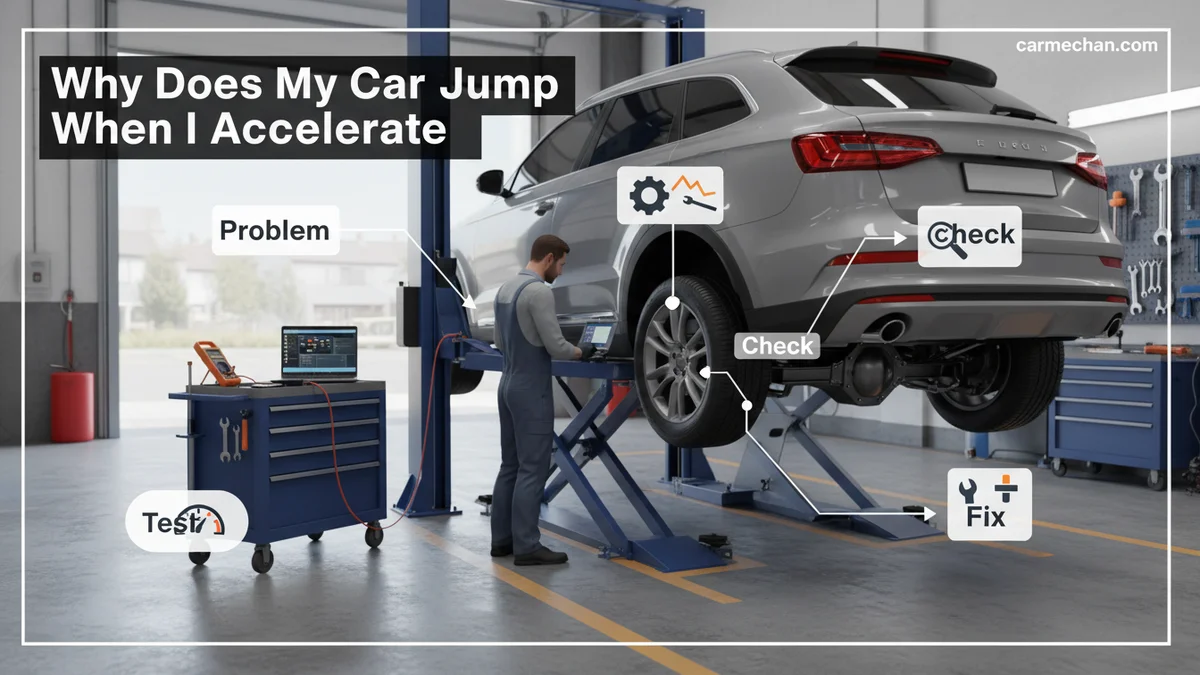
When your car jumps during acceleration, it often signals an underlying issue with the engine, transmission, or fuel system. Identifying the exact cause early is crucial to prevent more significant damage and ensure your safety on the road.
If you’re asking why does my car jump when I accelerate, you’re experiencing a common, yet concerning, vehicle symptom that demands attention. This unnerving sensation, often described as lurching, jerking, or hesitating, can indicate a range of underlying issues. Ignoring it could lead to more significant problems down the road.
Understanding the various culprits behind this lurching behavior is the first step toward a smoother, safer drive. Identifying the cause quickly can prevent escalating repair costs and ensure your vehicle remains reliable for years to come.
Key Takeaways
- Acceleration jumps indicate critical vehicle issues.
- Common causes involve engine, transmission, fuel, sensors.
- Driving with symptoms can lead to costly damage.
- Diagnostic steps help identify the specific fault.
- Professional inspection is often the best next step.
7 Primary Reasons Your Car Jumps When Accelerating

A car that jumps or lurches upon acceleration is often signaling one of several key issues within its complex systems. Pinpointing the exact problem requires understanding how each component affects performance.
Engine Misfires
An engine misfire occurs when one or more cylinders fail to ignite the air-fuel mixture correctly. This causes a noticeable hesitation or jump as the engine momentarily loses power. Faulty spark plugs, worn-out ignition coils, or clogged fuel injectors are common culprits.
Symptoms: Rough idle, reduced power, check engine light flashing, strong fuel smell.
Transmission Slippage
If your transmission is slipping, it means it’s failing to engage the correct gear or is losing power transfer between gears. This results in a sudden jump or lurch, particularly noticeable during acceleration. Low or dirty transmission fluid is often the primary reason for this issue.
Symptoms: High RPMs without increased speed, delayed engagement, grinding noises, burning smell.
Fuel Delivery Problems
Issues with the fuel system can restrict the engine’s supply, causing a power drop and a subsequent jump when you try to accelerate. A clogged fuel filter, a weak fuel pump, or dirty fuel injectors can starve the engine. The engine struggles to maintain a consistent power output.
Symptoms: Engine hesitation, stalling, reduced fuel efficiency, difficulty starting.
Sensor Malfunctions
Modern cars rely heavily on sensors to manage engine performance. A faulty Mass Air Flow (MAF) sensor, Throttle Position Sensor (TPS), or Oxygen (O2) sensor can send incorrect data to the engine control unit. This can lead to improper air-fuel mixture, causing the car to jump.
Symptoms: Erratic idling, poor acceleration, check engine light, black smoke from exhaust.
Ignition System Issues
Beyond spark plugs and coils, other ignition components like the distributor (in older cars) or wiring can fail. This leads to inconsistent spark delivery, which then results in an engine misfire and the accompanying lurch during acceleration. Worn components can struggle under load.
Symptoms: Engine knocking, reduced power, backfiring, persistent check engine light.
Throttle Body Dirt
The throttle body regulates the amount of air entering the engine. If it becomes excessively dirty with carbon deposits, it can restrict smooth airflow, especially during acceleration. This causes the engine to struggle for air, leading to a noticeable jump or hesitation.
Symptoms: Rough idle, stalling, sticky accelerator pedal, engine surging.
Vacuum Leak Detection
A vacuum leak introduces unmetered air into the engine, disrupting the air-fuel mixture controlled by the engine computer. This lean mixture can cause rough idling and a noticeable lurch or hesitation during acceleration. Hoses often degrade over time.
Symptoms: Hissing sounds from the engine, rough idle, poor fuel economy, check engine light.
While identifying the cause is crucial, understanding the potential dangers of ignoring these symptoms is equally important for your safety and your vehicle’s longevity.
How Dangerous Is Driving With Acceleration Jumps?
Ignoring a car that jumps when accelerating can range from being a minor annoyance to posing a significant safety hazard on the road. The severity depends entirely on the underlying cause and how quickly it’s addressed.
Immediate Safety Risks
An unexpected lurch or hesitation during acceleration can be extremely dangerous, especially in high-speed traffic or during critical maneuvers. Loss of power when merging onto a highway or attempting to overtake another vehicle can lead to accidents. Your car’s unpredictable behavior compromises control.
Specific Dangers:
Loss of control during merging or turning.
Increased risk of rear-end collisions due to unexpected deceleration.
Difficulty maintaining consistent speed in traffic.
Long-Term Vehicle Damage


Driving with persistent acceleration issues can lead to a cascading failure of other components. For example, a minor misfire left unaddressed can damage your catalytic converter. A slipping transmission will eventually fail completely, requiring a far more expensive repair. Early diagnosis saves money.
Examples of Damage:
Catalytic converter failure from unburnt fuel.
Premature wear on transmission components.
Engine damage from lean air-fuel mixtures.
Preventative Action Importance
Addressing the problem promptly prevents minor issues from becoming major, costly repairs. Timely maintenance and repair extend your vehicle’s lifespan and preserve its resale value. It also ensures your driving experience remains safe and predictable, crucial for peace of mind.
Benefits of Timely Repair:
Reduced overall repair costs.
Improved vehicle reliability and safety.
Extended lifespan of critical components.
Fortunately, many of these issues are resolvable, and knowing the potential solutions and their associated costs can help you plan your next steps effectively.
5 Common Fixes for a Jumping Car Acceleration

Once the root cause of your car’s acceleration jumps is identified, several common fixes are available to restore smooth operation. Some solutions are simple, while others require professional intervention.
Engine Component Repairs
If engine misfires are the culprit, replacing worn spark plugs and ignition coils is often the first step. Fuel injector cleaning or replacement might also be necessary. A regular engine tune-up in 2026 typically includes these crucial maintenance items.
Estimated Costs:
Spark plug replacement: $100 – $300
Ignition coil replacement: $200 – $600 per coil
Fuel injector cleaning/replacement: $300 – $1,000+
Transmission Service Options
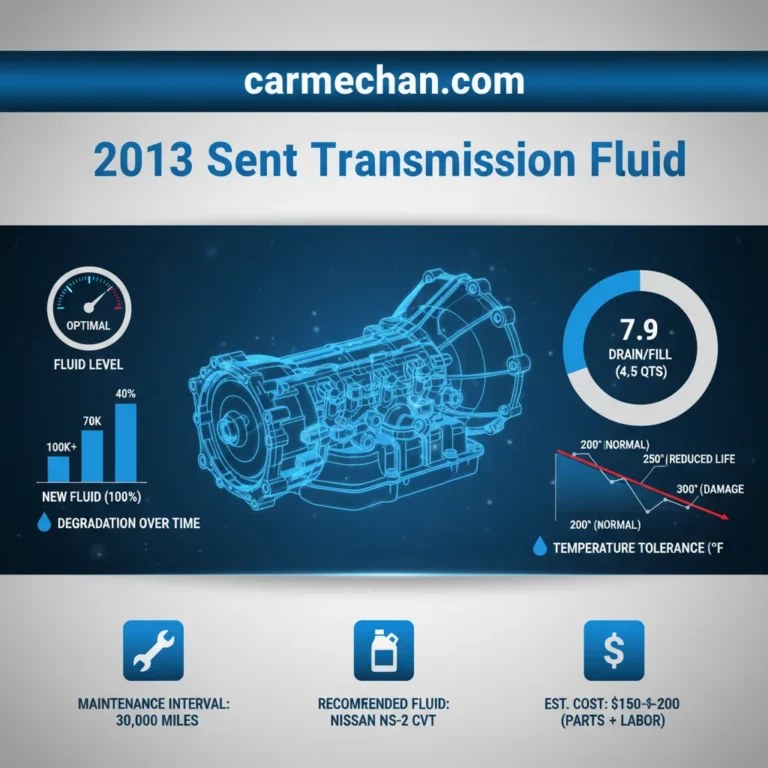
For transmission slippage, a fluid flush and filter replacement can sometimes resolve the issue, especially if caught early. If the problem is more severe, a full transmission rebuild or replacement might be required. These are significant repairs.
Estimated Costs:
Transmission fluid flush: $150 – $300
Transmission rebuild: $1,500 – $4,000+
Transmission replacement: $2,500 – $6,000+
Fuel System Cleaning
A clogged fuel filter is an inexpensive fix, but a failing fuel pump or dirty injectors can be pricier. Regular fuel system cleaning can prevent buildup. Using high-quality fuel and additives may also help maintain system health.
Estimated Costs:
Fuel filter replacement: $50 – $150
Fuel pump replacement: $400 – $1,000+
Fuel injector cleaning: $100 – $250
Sensor Replacement Costs
Replacing a faulty sensor, such as a MAF or O2 sensor, often resolves acceleration issues related to incorrect air-fuel mixtures. These sensors are vital for engine management. It is best to use OEM quality parts for long-term reliability.
Estimated Costs:
MAF sensor replacement: $200 – $500
O2 sensor replacement: $150 – $400
Throttle Position Sensor (TPS) replacement: $100 – $300
Professional Diagnostic Steps
Before any repairs, a professional diagnostic scan is essential to pinpoint the exact cause. Modern vehicles have complex systems that generate specific error codes. A mechanic uses specialized tools to read these codes and perform further testing.
Estimated Costs:
Diagnostic fee: $80 – $150 (often applied to repair cost)
While some initial checks can be performed at home, knowing exactly when to consult a professional mechanic is key to both accurate diagnosis and a safe, lasting repair.
When to Take Your Car to a Mechanic
Deciding when to involve a professional mechanic can save you time, money, and prevent further damage. While some basic checks are possible, complex issues require expert hands.
Performing Initial Checks
Before heading to the shop, you can perform a few simple visual checks. Look for any obvious loose hoses, especially around the engine intake. Check your fluid levels, including engine oil and transmission fluid. Listen for unusual noises and note when the jumping occurs.
Quick Checks:
Dashboard warning lights (Check Engine, Transmission).
Fluid levels (oil, transmission, coolant).
Visual inspection for loose wires or hoses.
Any distinct smells (burning oil, gasoline).
Describing Symptoms Accurately
When you speak to a mechanic, provide as much detail as possible. Explain precisely when the car jumps – is it from a stop, at a certain speed, or during gear changes? Describe the feeling (hard lurch, soft hesitation). Mention any associated sounds or warning lights. This helps the technician narrow down possibilities efficiently.
Key Information for Mechanic:
What exact speed or RPM range does it happen?
Does it occur in all gears or specific ones?
Is the engine cold or fully warmed up?
Are there any associated warning lights on the dashboard?
Seeking Certified Expertise

For diagnosing complex acceleration problems, always choose a certified automotive technician. They possess the specialized tools and training to accurately identify the root cause and perform repairs correctly. Trusting your vehicle to experts ensures the issue is resolved safely and effectively. This prevents further expensive breakdowns and keeps your car running reliably.
Benefits of Certified Technicians:
Access to advanced diagnostic equipment.
Up-to-date training on vehicle systems.
Guaranteed repairs and parts.
*
Your Smoother Drive Awaits
Experiencing your car jump when you accelerate can be a stressful and potentially dangerous situation. However, by understanding the common causesranging from engine misfires and transmission slips to fuel system issues and sensor malfunctionsyou can approach the problem proactively. Prioritizing diagnosis and timely repairs not only safeguards your investment but also ensures your safety on the road. Do not delay professional inspection if symptoms persist, as addressing these issues early is crucial for maintaining your vehicle’s performance and preventing more costly damage in 2026. By taking action, you can restore your car’s smooth operation and drive with confidence once again.
Common Questions About Car Jumps
Why Does My Car Feel Like It’s Losing Power and Jumping When I Accelerate?
Your car losing power and jumping during acceleration often indicates an engine misfire due to faulty spark plugs, ignition coils, or fuel injectors. It could also point to a clogged fuel filter restricting fuel flow or a failing mass airflow sensor providing incorrect air-fuel mixture data. Address these to restore power.
Is It Safe to Drive My Car If It Jumps When I Accelerate?
Driving a car that jumps during acceleration is generally not safe, especially if the issue is severe or consistent. It can impair your control, particularly during critical maneuvers like merging or overtaking. Ignoring it risks causing further, more expensive damage to vital engine or transmission components.
What Are the Most Common Causes of a Car Lurching Forward When Accelerating?
The most common causes for a car lurching forward upon acceleration include engine misfires (from bad spark plugs or coils), transmission slippage, inadequate fuel delivery (clogged filter, weak pump), or a faulty sensor like the throttle position sensor or mass airflow sensor. A professional diagnosis pinpoints the exact culprit.
How Much Does It Cost to Fix a Car That Jumps When Accelerating?
The cost to fix a car that jumps when accelerating varies greatly depending on the cause. Simple fixes like replacing spark plugs might cost $100-$300, while a transmission repair could range from $1,500 to over $4,000. Diagnostic fees are typically $80-$150.
Can a Dirty Air Filter Cause My Car to Jump When I Accelerate?
Yes, a severely dirty air filter can restrict airflow to the engine, causing it to struggle for combustion. This can lead to a noticeable hesitation or jump during acceleration, reduced power, and decreased fuel efficiency. Replacing a clogged air filter is a relatively inexpensive and easy fix.