My Car Smells Like Gas But Isn’t Leaking 2026 Guide
Last Updated on September 1, 2026 by Ryan
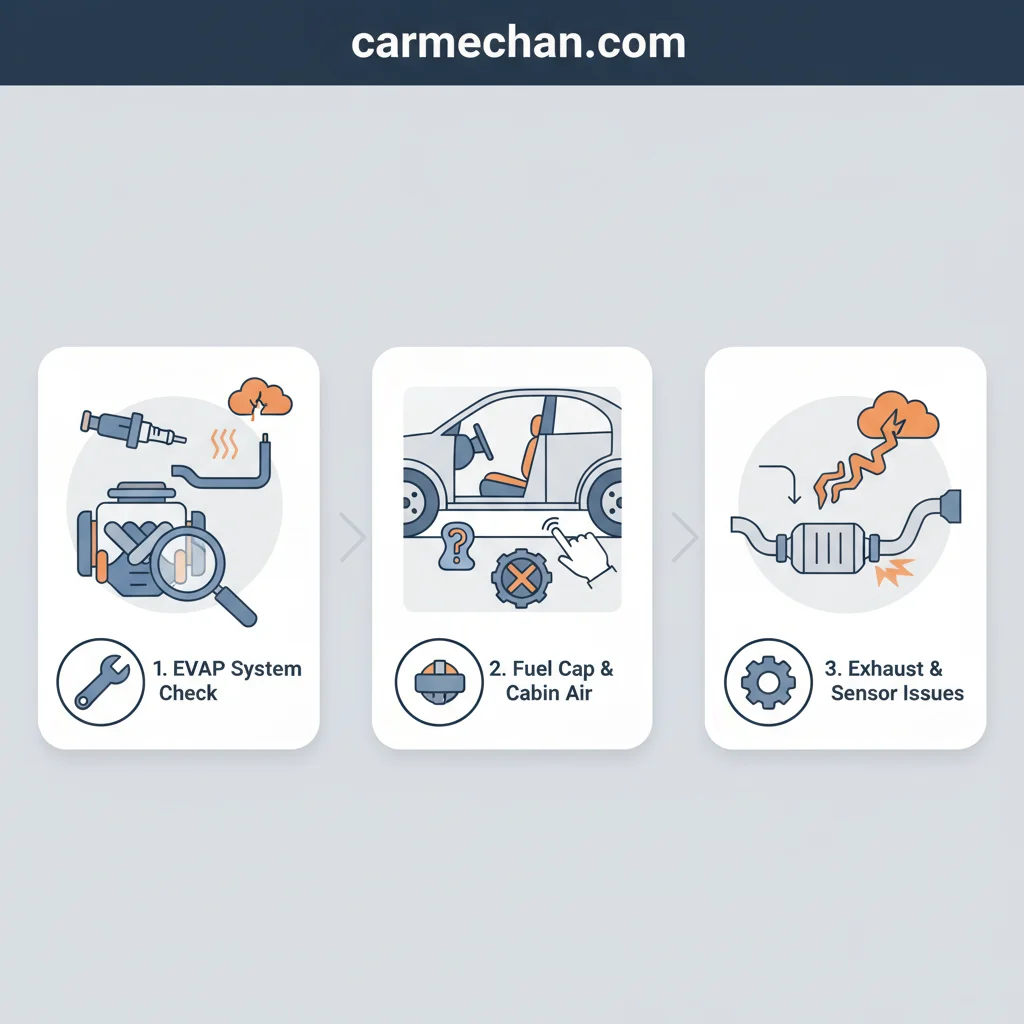
⚡ Key Takeaways
- No, it is not completely safe to drive.
- Yes, a damaged gas cap gasket allows tank vapors to escape.
- Fixing a vapor leak typically costs between $150 and $600.
- Idling reduces under-hood airflow, which allows escaped engine compartment fuel vapors to accumulate.
- Is it safe to drive my car when it smells like gas but has no visible leaks?
My Car Smells Like Gas but Isn’t Leaking 2026 Safe Solutions
When your car smells like gas but isn’t leaking liquid fuel, the issue is typically caused by escaping high-pressure fuel vapors originating from a compromised evaporative emission control (EVAP) system. Modern emissions architecture in 2026 relies on closed systems to capture these gases.
Because vapor pressure forces gases through microscopic seals, these fumes enter your cabin without creating a puddle. We will now analyze when to evaluate your vapor recovery system to catch issues early.
When to Assess Your Evaporative Emissions System


We limit the scope of this diagnostic blueprint strictly to the closed-loop EVAP system and low-pressure return pathways. This analysis focuses on vapor seals, engine compartment vents, and fuel tank surrounds to identify any EVAP system fuel vapor leak.
Volatile fuel transitions into gas rapidly at seventy degrees Fahrenheit, making seasonal heat shifts prime triggers for vapor expansion. To understand who is affected, we look at cabin odors versus tailpipe emissions. Pinpointing whether the gas scent lingers inside the cabin or drifts from the tailpipe clarifies the culprit.
In Cabin Odors vs Tailpipe Emissions for Drivers


We categorize vehicle occupants smelling fuel into two distinct diagnostic pathways based on odor location. Raw vapor enters through the cowl because fresh air intakes draw cabin air directly from engine bay margins.
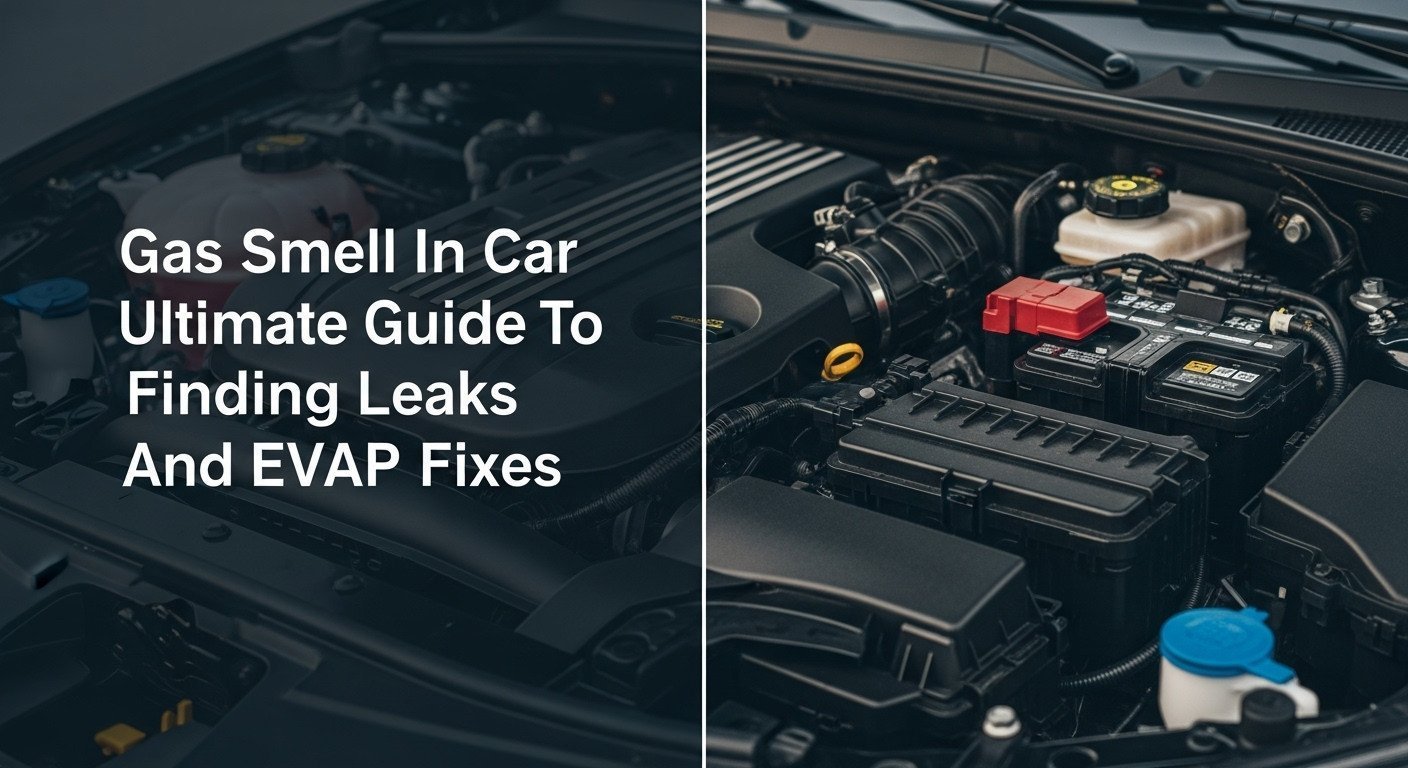
Conversely, rich combustion tailpipe emissions represent an engine tuning fault rather than an active vapor seal failure.
Cabin Odors vs. Tailpipe Emissions
Identify where the gas smell is coming from to isolate fuel system faults from engine performance issues.
| Parameter | Cabin Odors | Tailpipe Emissions |
|---|---|---|
| Primary Scent Location | Inside the passenger compartment. Strongest immediately upon starting the HVAC blower fan or when idling at a stoplight. | At the rear of the vehicle. Fumes trail behind the car or accumulate in enclosed garages directly from the exhaust pipe. |
| Likely Culprit |
|
|
| Safety Threat Level |
Critical
Direct exposure to hydrocarbons and VOCs inside a closed space. Risk of lightheadedness, headaches, and localized ignition hazards. |
Moderate to High
Primarily an environmental and vehicle health issue. Prolonged operation can melt the catalytic converter or wash cylinder walls of oil. |
| Diagnostic Action Required |
|
|
Now, let us walk through the step-by-step procedure of how to diagnose hidden fuel vapors. Once you identify the general location, a systematic diagnostic approach can locate the exact vapor source.
How to Diagnose Hidden Fuel Vapors in 5 Steps



Our core protocol requires a step-by-step systematic isolation of vapor escape points. We perform these manual tests in a ventilated space to prevent the buildup of toxic hydrocarbons.
Systematic Gas Smell Diagnostic Workflow
When a car smells like fuel but has no active liquid puddles, trace escaping vapors systematically.
-
Step 1
Inspect Gas Cap
Check for a loose cap, worn threads, or a cracked/dried rubber seal. A faulty seal lets pressurized fuel vapors escape directly to the atmosphere.
-
Step 2
Scan OBD-II Codes
Scan for pending or active EVAP trouble codes (e.g., P0440, P0442, P0455). These codes help identify if the system detects a small or large vapor leak.
-
Step 3
Inspect Engine Bay
Check fuel rails, fuel injectors (look for dirty residue at O-rings), and the purge solenoid. Fumes from slight weeping dry quickly but create a strong odor.
-
Step 4
Check Cabin & Trunk
Access the fuel pump retention ring under the back seat or trunk lining. Look for cracked plastic locking collars or weeps around the sender unit.
-
Step 5
Smoke Machine Trace
Inject diagnostic smoke into the EVAP service port. Pinpoints hairline cracks, dry-rotted charcoal canisters, or vapor line leaks deep within the chassis.

Step One Inspect Gas Cap
Examine the rubber gasket on your fuel filler cap for deep cracks, structural flattening, or gas cap gasket seal failure. If you detect any physical dry rot on this elastomeric ring, replace the cap immediately to restore the essential airtight vacuum that prevents fumes from venting.
Step Two Scan System Codes
Plug your OBD-II scan tool into the vehicle diagnostic port to retrieve any pending engine fault codes. Look specifically for active or stored evaporative emissions codes like P0440 and P0455, which confirm a vapor system failure and guide you to the leaking circuit.
Step Three Examine Engine Bay
Inspect the fuel vapor lines and check the purge valve for signs of physical degradation or loose connection joints. On direct-injection systems, we look for faulty fuel pressure regulator symptoms by examining the high-pressure pump weep hole and measuring fuel pressure sensor voltage drops.
Step Four Check Cargo Area
Remove the rear seat cushion to inspect the fuel pump locking ring and the tank sending unit gasket. A degraded seal at this junction allows high-pressure vapors to escape into the passenger cabin, a diagnostic risk we analyze in our fuel pump replacement cost case study.
Step Five Trace Evaporative Lines
Connect an EVAP smoke machine to the service port to inject low-pressure diagnostic vapor into the closed system lines. Ensure your test pressure never exceeds 0.5 PSI to prevent catastrophic charcoal canister diaphragm damage while you look for emerging smoke plumes.
Before proceeding with any physical testing, we must evaluate how dangerous it is to drive with fuel vapors. Identifying these invisible fumes is the first step toward understanding the safety risks of driving.
How Dangerous Is It to Drive With Gas Fumes
We warn against driving any distance once raw fuel odors overcome the air recirculation filters. Gasoline vapor becomes highly explosive at a lower explosive limit of just 1.4% by volume in air.

If you experience physiological symptoms, treat this with the same urgency as a high temp stop vehicle warning. Pull over immediately if you experience:
- Persistent headaches or sudden lightheadedness
- Nausea or throat irritation from vapor exposure
- Visual aura or blurred vision during operation
Pull over and turn off the engine immediately if you experience physiological symptoms like headaches, nausea, or visual aura. Do not drive with a fuel vapor leak.
Never start your engine if you detect pooling liquid or heavy raw fumes inside a closed garage space. To keep diagnostics efficient, let us analyze the diagnostic errors that often drain repair budgets. Recognizing these hazards highlights the urgent need for professional repair services to resolve the problem.
5 Common Diagnostic Errors Ending in Wasted Money
We regularly observe diagnostic missteps that lead to the unnecessary replacement of functional parts. Systematic testing always triumphs over speculative component swapping.
Replacing Fuel Pump Prematurely
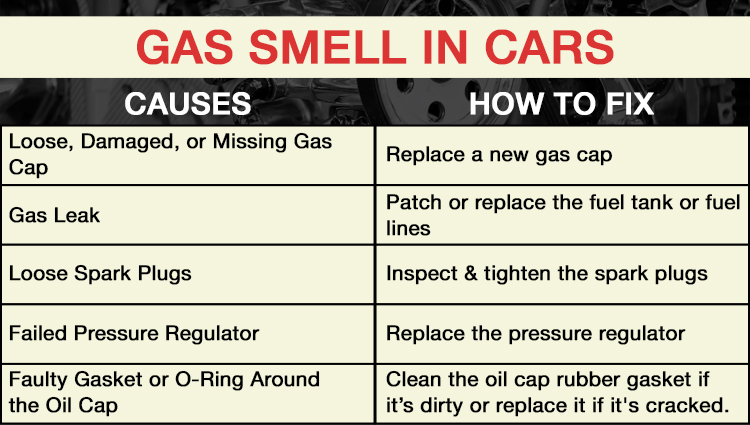
Many DIYers immediately replace the fuel assembly when they detect fuel odors near the rear cabin. This misstep wastes money because a simple rubber seal leak is usually the true culprit.
Research shows that over 40% of returned fuel pumps function perfectly, indicating widespread diagnostic errors. Pressure testing the tank assembly before purchasing components prevents this expensive misdiagnosis.
Ignoring Charcoal Canister Saturation
Topping off your fuel tank past the automatic click forces liquid gasoline directly into the vapor storage bed. This liquid saturation ruins the charcoal canister, destroying its ability to store fumes.
Studies indicate that liquid fuel degrades the activated carbon pellets, causing a charcoal canister raw fuel odor. Practicing proper fueling habits saves you over $400 in unnecessary canister replacement costs.
Skipping Engine Bay Inspection
Overlooking small hairline cracks in the plastic vacuum hoses often leads to replacing expensive EVAP sensors. A thorough visual inspection under the hood frequently reveals simple hose split failures.
We recommend using soapy water or a visual inspection mirror to trace the purge solenoid connections. If these common fixes fail to resolve the smell, we must look at what if vapor odors still persist.
What If Vapor Odors Still Persist
We identify minor structural failures on the upper margins of the tank as prime causes of persistent phantom smells. Rollover valves on popular SUVs experience a 3% failure rate after 100,000 miles due to plastic heat-cycling, which allows fumes to escape from the top of the tank.
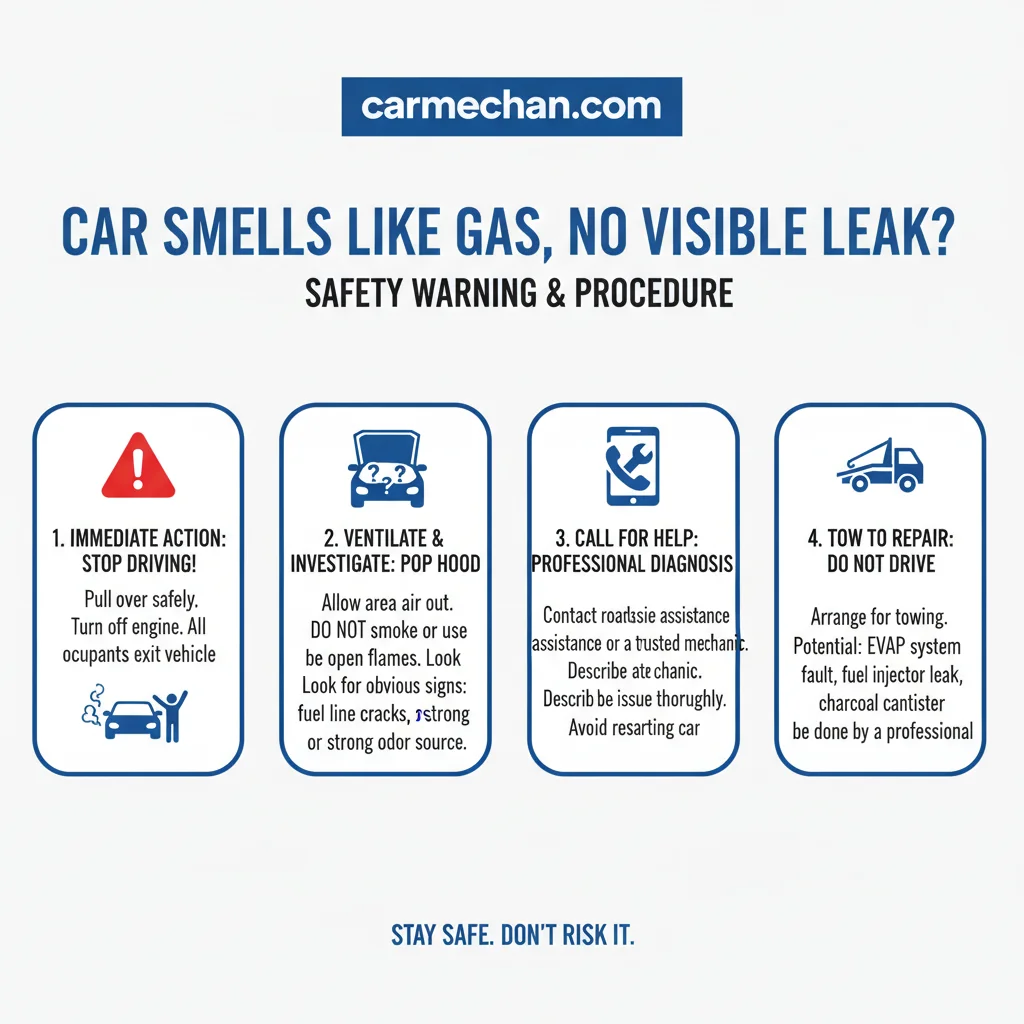
Furthermore, structural vibrations and harsh terrains can crack rigid nylon lines, which we document in our off road case study. When manual tracing meets its limit, you must know when to hire a professional automotive technician.
When to Hire a Professional Automotive Technician
We recommend professional intervention when system diagnostic codes indicate large-scale EVAP circuit leaks. Professional shops utilize nitrogen-charged smoke testers and advanced software to pinpoint micro-leaks safely.
| Diagnostic Service | Estimated Cost Range | Average Repair Time |
|---|---|---|
| EVAP Smoke Testing | $150 to $220 | 1 to 1.5 Hours |
| Purge Solenoid Replacement | $180 to $350 | 1 Hour |
| Charcoal Canister Swap | $450 to $800 | 2 to 3 Hours |
Escalating to an ASE-certified technician ensures these high-pressure vapor circuits are sealed without risking vehicle safety. To verify these diagnostics, we review the authoritative sources for technical safety data.
5 Authoritative Sources for Technical Safety Data
Our diagnostic guidelines are directly synthesized from recognized regulatory bodies and technical engineering groups. These institutions establish the safety thresholds for vapor control systems:
- EPA Code of Federal Regulations (40 CFR Part 86): Establishes strict evaporative emission standards to restrict harmful hydrocarbon escapes.
- NHTSA Safety Recall Portal: Catalogs fuel tank and filler neck structural defects across all major automotive manufacturers.
- SAE J2260 Standard: Specifies performance criteria for multi-layer non-metallic fuel lines to ensure high-pressure vapor containment.
- CARB LEV III Regulations: Mandates zero-evaporative emissions limits for modern vehicle fuel storage systems.
- EPA Federal Test Procedure: Outlines standardized pressure testing limits to prevent carbon canister membrane degradation.
This completes our diagnostic outline. Next, we address immediate user queries via our structured FAQ section.
When To Worry About Gas Smell In Car
When your car smells like gas but isn’t leaking liquid fuel, the issue is almost always a compromised EVAP system component. Diagnosing this problem systematically prevents expensive component swaps and unnecessary shop labor charges.
We urge you to address these vapor leaks immediately to maintain clean cabin air quality and eliminate severe combustion risks. Perform an OBD-II system scan today to check for stored EVAP codes before scheduling a professional smoke test.
Why Does My Car Smell Like Gas Without A Leak
Is it safe to drive my car if it smells like gas but has no leaks?
No, it is not completely safe to drive. Even without visible liquid leaks, escaping fuel vapors represent a high risk of ignition from electrical sparks. We recommend parking the vehicle in a ventilated space and identifying the vapor leak source immediately before driving.
Can a bad gas cap make the cabin smell like raw fuel?
Yes, a damaged gas cap gasket allows tank vapors to escape. These vapors drift along the chassis under-body and enter your cabin through the fresh air intake cowl. Replacing a degraded gas cap seal is a cheap and effective fix.
How much does it cost to fix an EVAP vapor leak?
Fixing an EVAP vapor leak typically costs between $150 and $600. A simple purge valve replacement sits at the lower end, while replacing a saturated charcoal canister costs significantly more. Professional diagnostic smoke testing fees average around $150.
Why does my car smell like gas only when idling at a stop?
Idling reduces under-hood airflow, which allows escaped engine compartment fuel vapors to pool. Without vehicle movement to dilute these fumes, the HVAC fresh air intake draws the vapors directly into your cabin. Moving vehicles usually disperse these fumes.
Can overfilling the gas tank cause a gas smell without liquid drips?
Yes, overfilling forces liquid fuel directly into the charcoal canister meant only for vapors. This liquid saturates the activated carbon bed, resulting in a persistent raw fuel odor without any visible drips. You must avoid topping off to prevent this damage.
- fuel vapors (atsdr.cdc.gov)
- evaporative emission control (en.wikipedia.org)
- gas cap gasket (oregon.gov)