Why Are Thieves Stealing Car Batteries Why Thieves 2026
Last Updated on September 1, 2026 by Albert Duke
Thieves steal car batteries primarily for their scrap value, driven by the lead content, and for quick resale in unregulated markets. This widespread issue affects many car owners, making preventative measures essential to protect vehicles.
Thieves steal car batteries primarily for their scrap value, driven by the lead content, and for quick resale in unregulated markets. This widespread issue affects many car owners, making preventative measures essential to protect vehicles.
- Lead content fuels battery theft.
- Scrap yards offer quick cash.
- Easy access makes vehicles targets.
- Prevention involves security measures.
- Theft trends vary by region.
The primary reason why thieves are stealing car batteries involves their inherent monetary value, particularly the lead they contain, and the relative ease of their illicit resale. As of 2026, this type of theft remains a concerning issue for vehicle owners globally, driven by economic incentives that outweigh the risks for criminals. Reports from various regions indicate a consistent pattern of battery theft, often linked to fluctuations in scrap metal prices. This problem signifies a broader challenge in automotive security.
We will now explore the specific components that make these batteries so appealing to criminals.
Key Takeaways


- Lead content fuels battery theft.
- Scrap yards offer quick cash.
- Easy access makes vehicles targets.
- Prevention involves security measures.
- Theft trends vary by region.
What Makes Car Batteries so Valuable?

Car batteries hold significant value for thieves, primarily due to the materials they contain and the ease of their disposal in illicit markets. The internal components, particularly lead, are highly sought after by scrap metal recyclers. This consistent demand ensures a ready income stream for thieves.
High Scrap Metal Prices
The core value of a car battery lies in its lead content. Lead is a heavy metal that is highly recyclable and consistently commands a price on the scrap metal market. As of 2026, global lead market trends continue to make this a lucrative commodity for illicit trade. A single car battery can contain significant pounds of lead, making it attractive for bulk theft.
Recycling centers, both legitimate and illegitimate, process these batteries to extract the lead. This recycled lead is then used in new batteries, construction, and other industries, creating an ongoing demand cycle. The average scrap value of a car battery in 2026 typically ranges from $5 to $15, depending on size, weight, and regional market prices .
Demand for Used Parts
Beyond their scrap metal value, stolen car batteries can also be resold as used parts. There is an active underground market for used car components, especially in areas where new parts are expensive or difficult to acquire. Thieves often sell these batteries to disreputable mechanics or individuals looking for a cheap replacement.
These transactions are usually cash-based and untraceable, making it an appealing option for criminals. The demand for affordable replacement parts, coupled with the difficulty of proving a battery is stolen once it’s removed from a vehicle, fuels this illicit resale market.
Quick Cash Transactions
One of the most significant appeals of car battery theft is the speed and anonymity of the transaction. Thieves can often sell multiple batteries for cash within hours of stealing them. Legitimate scrap yards may require identification, but many illegal operations or individuals dealing in stolen goods do not.
This quick turnaround makes battery theft a low-risk, high-reward endeavor for opportunistic criminals. It requires minimal effort and provides immediate financial gain, contributing to its prevalence.
Understanding their value is one thing, but how precisely do thieves manage to acquire these valuable components so quickly and efficiently?
How Do Thieves Steal Car Batteries so Fast?
The swiftness with which thieves can steal car batteries often surprises victims, a speed enabled by simple tools and targeting specific vulnerabilities. This crime is not complex, making it accessible to a wide range of perpetrators. The alarming ease contributes significantly to its frequency.
Recent data indicates that car battery theft remains a consistent issue across urban and suburban areas . These thefts often occur in less monitored locations and can be completed in minutes. This speed is a key factor in why thieves choose this particular crime.
Tools Thieves Employ
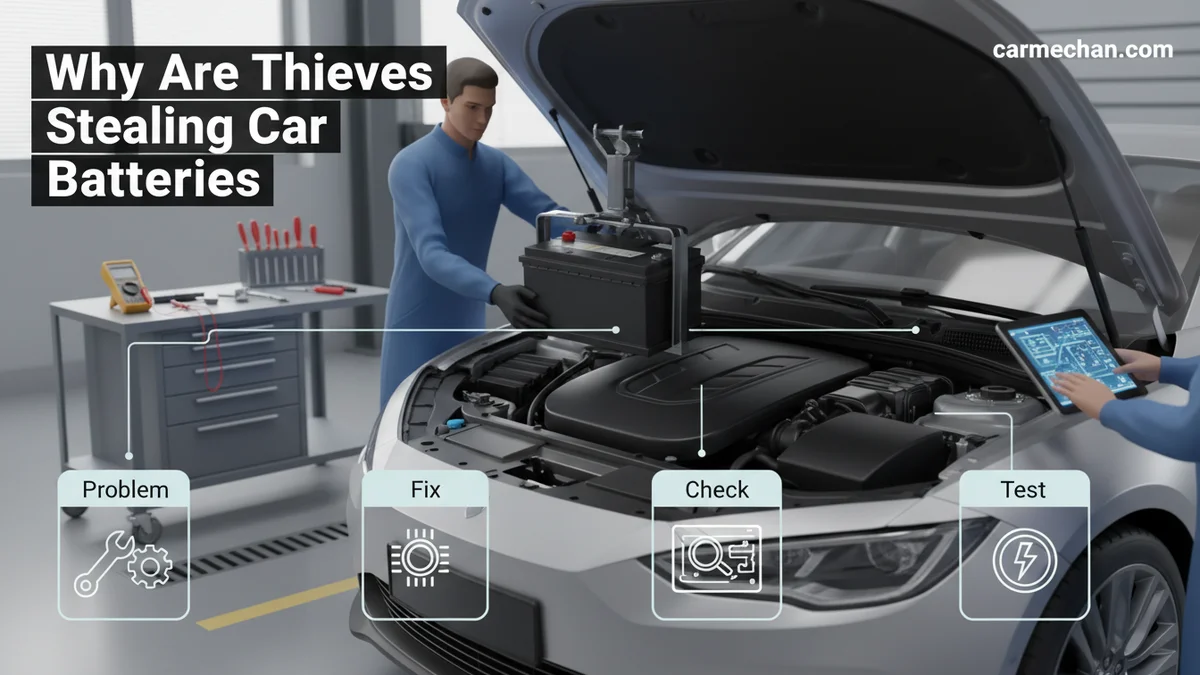
Thieves require minimal tools to execute a car battery theft. A basic wrench or socket set, and sometimes a pair of pliers or wire cutters, are usually sufficient. Many car batteries are held in place by simple clamps that can be quickly loosened. The entire process of opening a hood, disconnecting terminals, and removing the battery can take as little as 30 to 60 seconds for an experienced thief .
This simplicity means that almost anyone with a few common tools can commit this crime. The low barrier to entry makes it attractive to petty criminals or those looking for a quick score without extensive preparation.
Most Targeted Vehicles
Certain vehicle types are unfortunately more susceptible to battery theft due to easier accessibility. Older model vehicles, trucks, and larger SUVs often have batteries that are more exposed and simpler to remove from under the hood. Vehicles where the battery is not housed within a complex security system are prime targets.
Luxury cars or newer models with advanced anti-theft measures and batteries integrated into harder-to-reach locations may present more of a challenge. However, any vehicle left unattended in a vulnerable spot can become a target. .
Common Theft Locations
Car battery thefts commonly occur in locations offering minimal surveillance and easy escape routes. Unlit streets, unsecured parking lots, and residential driveways are frequent hotspots for these crimes . Vehicles parked for extended periods in remote areas, such as airport parking lots or large commercial complexes, also face increased risk.
The lack of witnesses and security cameras in these areas provides criminals with the opportunity needed to operate undetected. This highlights the importance of choosing secure parking options whenever possible.
Given the ease and prevalence of these thefts, car owners need proactive strategies to safeguard their vehicles.
How to Prevent Car Battery Theft in 5 Steps

Protecting your car battery from theft involves a combination of physical security measures, strategic parking, and heightened awareness around your vehicle. Implementing these steps can significantly deter opportunistic thieves and safeguard your investment in 2026. Proactive measures are your best defense against this type of crime.
Install Deterrents
One effective step is to install physical deterrents. Battery lock devices, such as clamps or security cages, can make it much harder and time-consuming for thieves to remove your battery. Some advanced options even include alarms triggered by tampering. You can also secure your hood with a secondary lock or a hood lock pin that requires an interior release. These measures add crucial minutes to a thief’s operation, often prompting them to move on to an easier target. . Consider these layers of security to make your vehicle less appealing.
Optimize Parking Habits
Where you park your vehicle plays a significant role in its security. Always choose well-lit, busy areas whenever possible. Parking in a garage overnight, if available, is the most secure option. If street parking, opt for spots under streetlights or near active businesses. Avoid parking in remote, dimly lit, or secluded areas where thieves can work unnoticed. When traveling, choose secure, monitored parking facilities over open lots.
Increase Vehicle Awareness
Being aware of your vehicle’s surroundings and overall security is crucial. Regularly check your vehicle after parking to ensure the hood is properly latched and no signs of tampering are present. Consider installing a car alarm system that includes hood sensor detection. If you notice suspicious activity, such as individuals loitering around vehicles or examining engine compartments, report it to local authorities. This collective vigilance can contribute to a safer community and deter potential thieves. For more general advice, explore various vehicle protection strategies.
Report Suspicious Activity
If you see anything out of the ordinary, such as people peering into car engines or carrying tools in a suspicious manner, do not hesitate to contact local law enforcement. Even seemingly minor observations can provide valuable intelligence that helps prevent crimes or apprehend offenders.
Consider Automotive Security Upgrades
For vehicles particularly prone to theft or those parked in high-risk areas, consider additional automotive security upgrades. This might include advanced alarm systems, GPS tracking devices that could help recover stolen parts, or even custom battery enclosures that are more difficult to breach. Staying informed about automotive security trends can also help you make informed decisions about protecting your vehicle. .
Even with preventative measures, understanding the fate of stolen batteries and the consequences for both thieves and victims provides a fuller picture of this crime.
What Happens to Stolen Car Batteries Next?
Once stolen, car batteries typically enter a clandestine network, leading them to either scrap yards or unregulated markets for quick, untraceable cash. This illicit journey has consequences for everyone involved, from the criminals to the unwitting recyclers and the vehicle owners left stranded. The path from vehicle to illicit profit is often swift and efficient for the thief.
Illegal Resale Networks
Stolen car batteries are primarily channeled into two destinations: illegal scrap metal operations or unregulated used parts markets. Unlicensed scrap yards often operate with fewer regulations and less scrutiny than their legal counterparts, making them willing buyers of untraceable goods. These operations then process the batteries, extracting the valuable lead for resale into the legitimate recycling chain, or occasionally, reusing the battery cells.
Similarly, an underground market exists for used batteries sold directly to individuals or repair shops seeking cheaper alternatives. These sales are typically cash-only, making them difficult to trace and linking them back to the original theft.
Legal Repercussions for Criminals
Car battery theft is a crime, and individuals caught perpetrating it face legal consequences. Depending on the value of the stolen battery and local laws, charges can range from petty theft to grand larceny. Penalties often include fines, probation, and potentially jail time. Repeat offenders typically face harsher sentences . Efforts by law enforcement to crack down on illegal scrap metal dealings are ongoing, aimed at disrupting these illicit supply chains.
Financial Burdens for Owners
For car owners, a stolen battery represents an immediate and significant inconvenience and financial burden. Victims must arrange for a new battery, which can cost anywhere from $100 to $300, depending on the vehicle and battery type . This expense is often coupled with labor costs for installation and the hassle of being without transportation. The process of reporting the theft to police and potentially dealing with insurance claims further adds to the stress.
Understanding the entire cycle of car battery theft, from motive to aftermath, reinforces the importance of community vigilance and individual preventative actions.
Frequently Asked Questions About Battery Theft
What Is the Average Scrap Value for a Car Battery?
The average scrap value of a car battery typically ranges from $5 to $15, depending on its size, weight, and current lead market prices. This value is derived from the lead content, which is then recycled by specialized facilities. Prices can fluctuate based on regional demand and global metal markets.
Which Types of Vehicles Are Most Targeted for Car Battery Theft?
Older model vehicles, trucks, and those with easily accessible engine compartments are most targeted for car battery theft. Vehicles parked in unsecured, dimly lit, or remote areas also face higher risks. Thieves prefer vehicles where the battery can be removed quickly without attracting attention or requiring specialized tools.
How Can I Make My Car Battery Harder to Steal?
You can make your car battery harder to steal by installing battery clamps or security cages, using a car alarm system, and always parking in well-lit, secure areas. Consider installing a kill switch or removing your battery if your vehicle will be stored for extended periods in vulnerable locations. These layers of security deter opportunistic thieves.
Are Car Battery Theft Rates Increasing in 2026?
Car battery theft rates often correlate with economic downturns and fluctuations in scrap metal prices. While specific 2026 data is still emerging, trends indicate that when lead prices rise, these thefts tend to increase. Local police reports and automotive associations can provide the most current regional statistics on theft .
What Should I Do Immediately If My Car Battery Is Stolen?
If your car battery is stolen, immediately report the theft to local law enforcement, providing them with your vehicle details and any relevant information. Document the incident with photos, check your insurance policy for coverage, and arrange for a replacement battery. Do not attempt to start the car without a proper battery installed.
Final Thoughts on Battery Theft
Car battery theft, driven by the enduring economic value of lead and the ease of illicit resale, remains a persistent concern for vehicle owners in 2026. Understanding the motives of criminals, their methods, and the destinations of stolen batteries empowers individuals to take preventative action. Implementing proactive security measures, from physical deterrents to smart parking choices, is crucial. This helps protect your vehicle and contributes to discouraging this opportunistic crime.
Review your current vehicle security and consider implementing the recommended anti-theft strategies today.