What SUV has adaptive cruise control: Categorized by Class
Ever wondered why some SUVs keep a perfect distance on the highway while others require constant pedal work? Navigating the complex landscape of trim levels and safety packages can make identifying the right SUV with Adaptive Cruise Control (ACC) a daunting task. As a professional in the automotive industry for over 15 years, I have seen this technology evolve from a luxury-only curiosity to a widely available safety staple. This comprehensive guide serves as your trusted information source for how these systems function, which models to look for, and how to safely utilize the technology in your next vehicle purchase.

Understanding the Mechanics of What SUV Has Adaptive Cruise Control
Recommended Best Deal Products


📤 Share Image
Radar-Based vs. Camera-Based Sensing
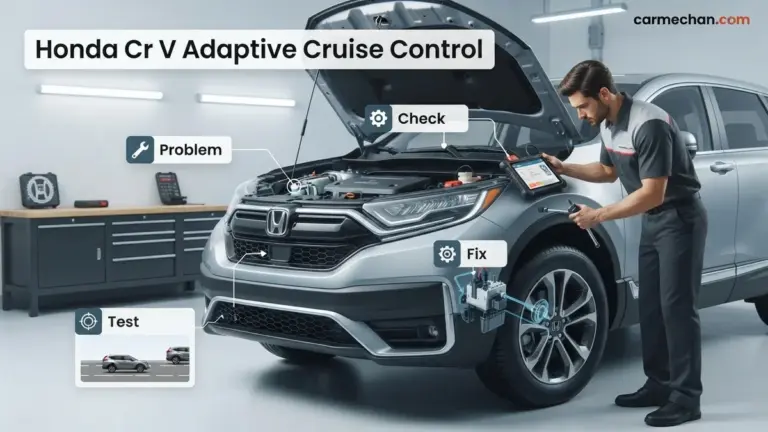
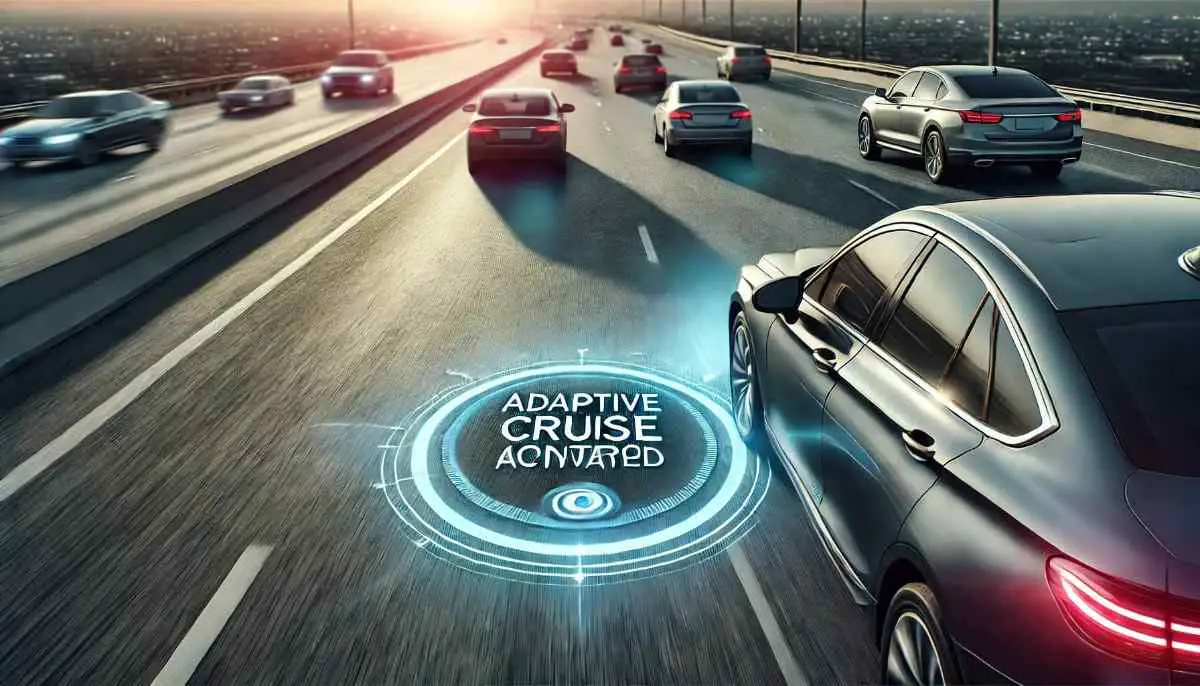
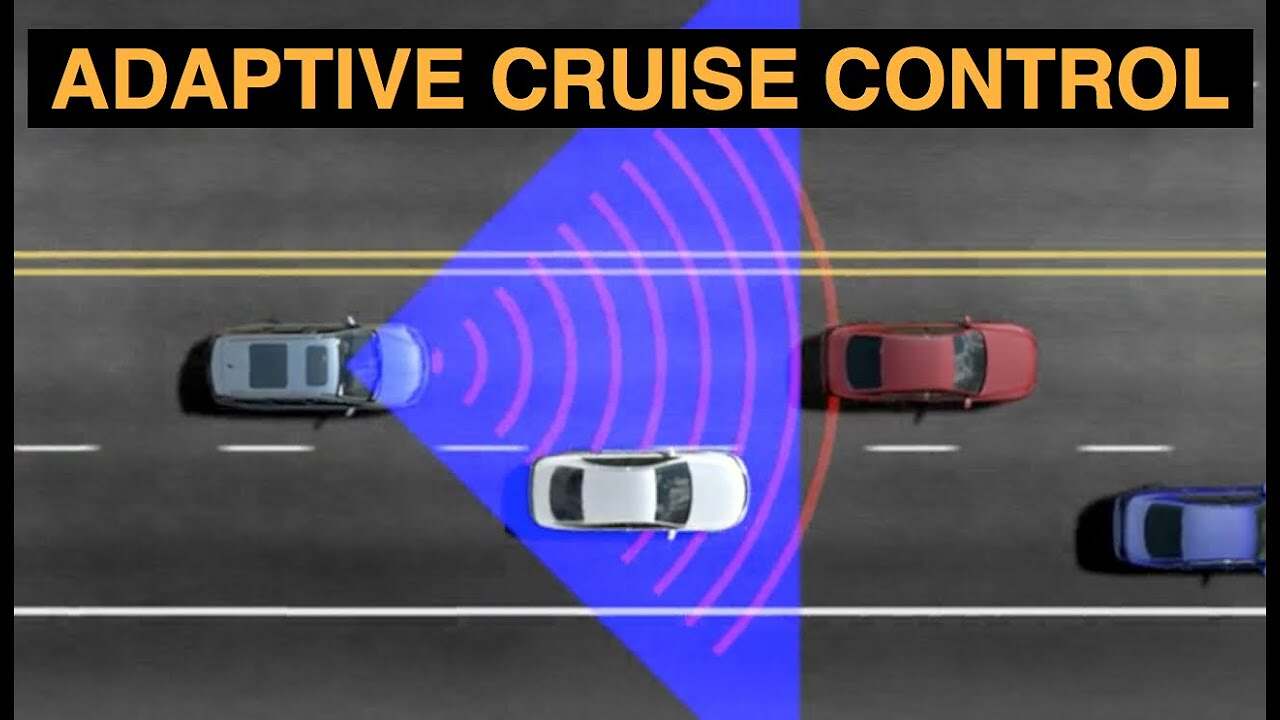
Modern Adaptive Cruise Control systems rely on high-fidelity hardware to monitor the road ahead. Most reliable implementations utilize a front-facing Radar Sensor mounted in the grille, which excels at calculating the exact distance and speed of the vehicle in front, even in poor lighting. Complementing this is the Camera Module, usually positioned behind the rearview mirror, which identifies lane markings and objects. When a radar detects a slower vehicle, the Electronic Control Unit (ECU) instantly processes this data, signaling the Throttle Actuator to reduce power or the ABS module to apply light braking to maintain the gap.
The Role of Sensor Fusion in Modern SUVs
The industry standard for a high-quality system is “Sensor Fusion.” By combining radar’s long-range distance accuracy with the camera’s ability to “see” colors and shapes, the system creates a redundant safety net. For example, if you are driving and a vehicle merges into your lane unexpectedly, the ECU evaluates the input from both sensors to determine if the threat requires a soft deceleration or a more aggressive braking intervention.
Full-Speed vs. Highway-Only Capabilities
A common pitfall for buyers is assuming all ACC systems are equal. A “Highway-Only” system may deactivate once speeds drop below 20 or 25 mph, while a “Full-Speed Range” system—often marketed as “Stop-and-Go”—can bring your SUV to a complete halt and resume movement when traffic clears. Always confirm the specific capabilities if you endure heavy daily commuting.
By The Numbers
Commonality in New Mid-Size SUVs
Required Driver Vigilance
Which SUV Models Offer Reliable Adaptive Cruise Control?
Why Trim Levels Dictate ACC Availability
Manufacturers frequently bundle Advanced Driver Assistance Systems (ADAS) into optional “Safety” or “Technology” packages. While many 2025/2026 models include basic cruise control as standard, high-quality ACC often requires an upgrade. As an expert, I recommend reviewing the “Standard Features” list versus the “Options” list for the specific trim you are considering.
Top-Rated SUVs with Advanced Driver Assistance Systems
How to Verify ACC Options Before Purchasing
Do not rely solely on sales stickers. Consult the manufacturer’s official brochure for the specific year and trim. Look for terms like “Adaptive Cruise Control,” “Distronic,” “Radar Cruise,” or “Dynamic Cruise.” If a vehicle lists “Lane Centering Assist,” it is almost always paired with a full-range adaptive cruise system.
How to Properly Operate and Calibrate Your SUV Cruise System
📋
Step-by-Step Activation Guide
Press the ‘Cruise’ button on your steering wheel. Look for the standby icon on your instrument cluster.
Accelerate to your desired cruising speed and press ‘Set.’ The vehicle will now maintain this speed.
Use the steering wheel toggle to select your preferred time-gap (usually 1 to 4 car lengths).

Audible — Listen Free for 30 Days
One free credit a month and thousands of titles included.
Listen Free for 30 DaysHandling Stop-and-Go Traffic Modes
In stop-and-go traffic, the system manages the latency between the car ahead stopping and your vehicle decelerating. Be aware that some vehicles require you to tap the ‘Resume’ button or the accelerator once the car in front starts moving if the stop exceeds three seconds.
Essential Maintenance for Front Grille Sensors
A common, preventable failure is debris accumulation. If mud, heavy snow, or even a thick layer of road salt covers your radar sensor, the system will disable itself for safety. Keep your front grille clear to ensure reliable operation.
Common Pitfalls and Limitations of SUV Adaptive Cruise
✅ Pros
- Reduces driver fatigue on long trips
- Helps maintain consistent follow distances
- Improves traffic flow efficiency
❌ Cons
- Fails in heavy rain/fog
- Can be “fooled” by sharp curves
- Not suitable for stop-and-go in all trims
Why You Cannot Rely on ACC in Construction Zones
Construction zones often feature narrowed lanes, orange barrels, and erratic traffic patterns. These environments can trigger Forward Collision Warning (FCW) false positives or confuse the system’s lane-centering functionality. Always take manual control in these areas.
Recognizing the Limits of Automatic Emergency Braking
While your SUV may be equipped with Automatic Emergency Braking (AEB), it is the final layer of safety, not a primary driving tool. Never rely on these systems to avoid obstacles entirely without your intervention, as physics-based limitations and sensor latency remain real factors in unpredictable road conditions.
Never assume the system recognizes stationary objects (like a stalled car) as reliably as moving traffic. Always be prepared to apply the brakes manually in high-speed scenarios.
Adaptive Cruise Control is a powerful, convenient tool that enhances your driving experience, but it is not a replacement for an alert driver. Always verify your specific model’s trim-level equipment to ensure you have the desired safety features. Keep your sensor arrays clean and remain vigilant, especially during inclement weather. To get started, check your owner’s manual or visit your local dealer to confirm the specific ADAS package installed on your current SUV.
What Suv Has Adaptive Cruise Control: Frequently Asked Questions
Does adaptive cruise control work in rain or snow?
While ACC is robust, heavy rain, thick fog, or accumulating snow can obstruct the radar sensors, causing the system to disable itself for safety reasons. When the radar cannot ‘see’ clearly, you must resume manual control. Always treat ACC as an aid, not a replacement for human vigilance, especially in adverse weather conditions where traction and visibility are compromised.
Can I use adaptive cruise control in stop-and-go traffic?
Many modern SUVs equipped with ‘Full-Speed Range’ Adaptive Cruise Control are specifically designed for stop-and-go traffic. These systems can bring the vehicle to a complete standstill behind the car in front and resume movement automatically or with a simple tap of the gas pedal once traffic clears. However, verify that your specific trim includes ‘Stop and Go’ capability.
Will my SUV come to a complete stop with ACC?
Most current-generation SUVs with advanced ACC features are capable of bringing the vehicle to a complete, smooth stop. Older systems may have a minimum speed threshold—often around 20-25 mph—at which the system disengages. Always consult your owner’s manual or the window sticker to confirm if your specific model supports low-speed follow and total stop functionality.
Audible Premium Plus — Annual Membership
12 audiobook credits up front, plus the full Audible catalogue.
See Annual PlansDoes adaptive cruise control save fuel?
Adaptive Cruise Control is generally more fuel-efficient than a human driver because it maintains a consistent speed and calculates following distances with mathematical precision, reducing unnecessary fluctuations in throttle and braking. By smoothing out speed changes during highway travel, the engine maintains a more constant RPM range, which optimizes fuel consumption across varied traffic conditions.
Is adaptive cruise control available on base-trim SUVs?
Availability varies by manufacturer. Brands like Subaru, Toyota, and Honda have made it a priority to include their comprehensive safety suites on almost all base models. Conversely, luxury manufacturers often group ACC behind high-end trim levels or optional technology packages. Always check the specific trim level of the SUV you are considering, as ‘standard’ often refers to the model line, not necessarily every single trim variant.