What Is Adaptive Cruise Control Toyota The 2026 Expert Guide
Adaptive cruise control is a driver-assist feature that automatically adjusts your vehicle’s speed to maintain a preset distance from the car ahead. It uses radar and camera sensors to monitor traffic flow, ensuring a smoother and safer commute.
Toyota’s Adaptive Cruise Control, officially known as Full-Speed Range Dynamic Radar Cruise Control (DRCC), is an intelligent driver-assistance system that maintains a set speed while automatically adjusting your throttle and brakes to keep a safe gap from the vehicle ahead. By utilizing a sophisticated array of sensors, the system removes the constant need to toggle your cruise control off and on during variable traffic flow, significantly reducing driver fatigue on both long highway stretches and congested commutes in 2026.
Practically speaking, this feature transforms how you manage your vehicle on the road. Instead of manually braking when you encounter slower traffic, your Toyota handles the speed modulation for you. It provides a more predictable, smoother driving rhythm, ensuring you remain at a consistent, user-defined distance from the car in front, which enhances both your personal comfort and overall safety during high-traffic scenarios.
Key Takeaways
- Dynamic Radar Cruise Control adjusts your speed based on the vehicle directly in front of you.
- This feature is a core component of the Toyota Safety Sense (TSS) suite of technologies.
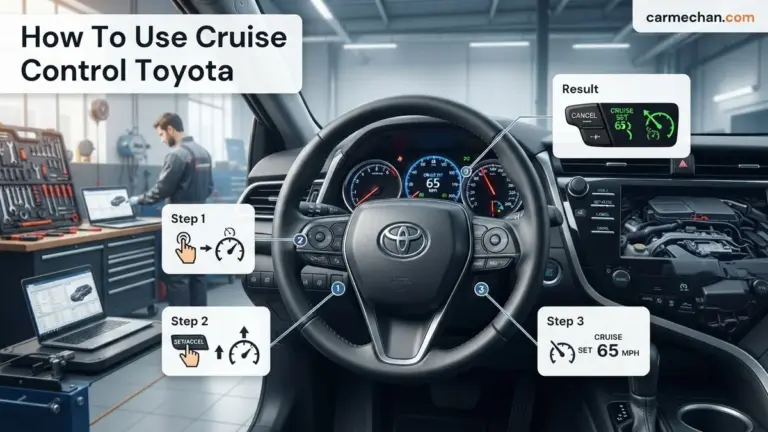
- Set your preferred following distance using the button on your steering wheel controls.
- The system excels in highway traffic by reducing the need for constant pedal adjustments.
- Always remain alert, as the system is an aid and not a replacement for driver vigilance.
What Is Adaptive Cruise Control in Toyota Vehicles


The Sensor Fusion Approach
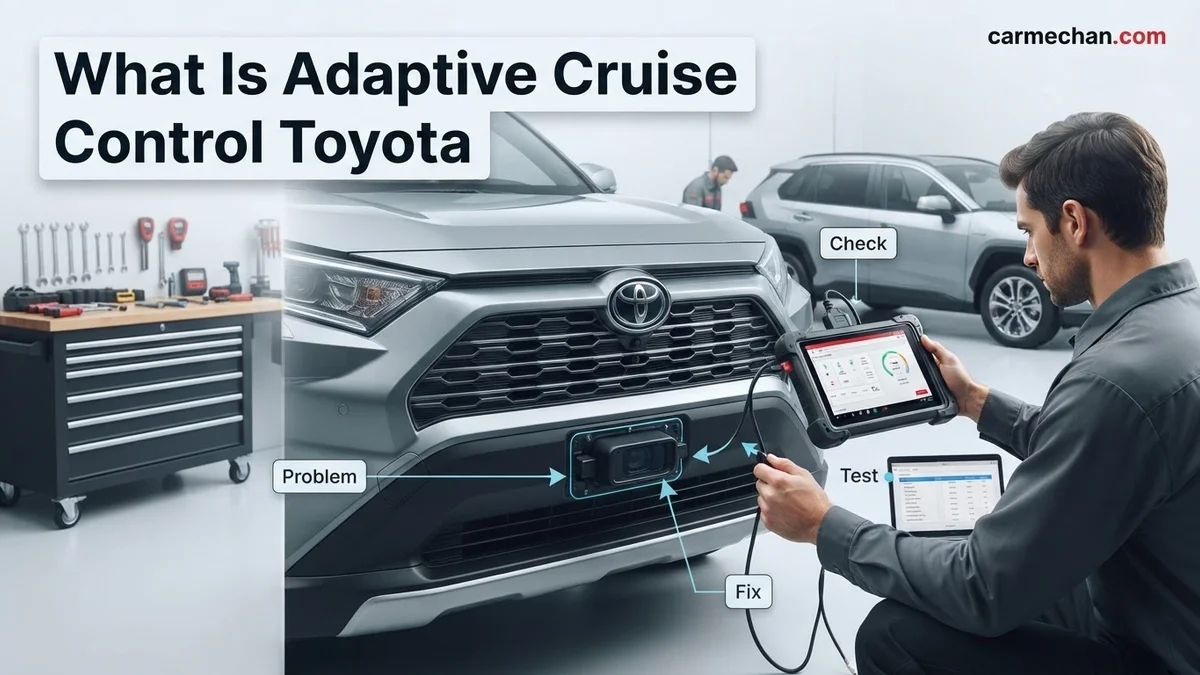
In 2026 Toyota models, the system operates through a high-performance millimeter-wave radar sensor mounted behind the front grille combined with an integrated forward-facing camera located near the rearview mirror. This sensor fusion allows your car to achieve two critical tasks simultaneously:
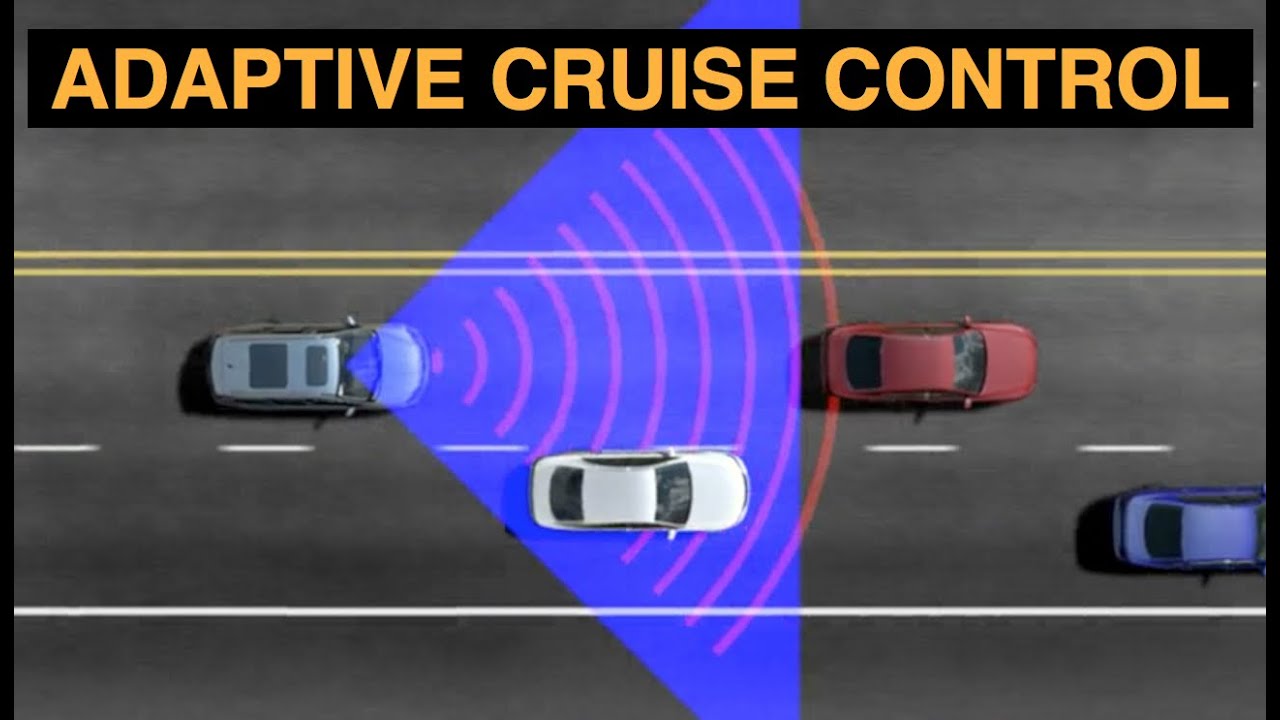
- Target Identification: The camera and radar work together to distinguish between stationary objects, light traffic, and heavy vehicles, ensuring the system reacts only to relevant road hazards.
- Dynamic Speed Modulation: The radar constantly calculates the distance and relative speed of the vehicle ahead, while the computer adjusts your engine output or applies the brakes to match that speed, maintaining your chosen interval.
Integration with Toyota Safety Sense (TSS)
Adaptive Cruise Control is a foundational pillar of the 2026 Toyota Safety Sense (TSS) suite. It is designed to work in concert with other safety features like Lane Tracing Assist, which keeps your vehicle centered within lane markings. Because the system is linked to the vehicle’s electronic stability control, the braking applied by the cruise control is precise, fluid, and optimized for your specific model’s braking characteristics. This integration ensures that your vehicle reacts to traffic shifts with the same level of authority as if you were physically operating the pedals yourself.
How to Set and Fix Your Cruising Distance


Defining Your Comfort Gap
When you activate the system using the steering wheel controls, you are not just selecting a speed; you are selecting a dynamic “following distance.” In 2026 Toyota vehicles, this is managed via the distance button on your steering wheel. You can cycle through three distinct following distances: Long, Medium, and Short.
- Long: Best for high-speed highway driving where you want maximum reaction time.
- Medium: The standard setting, providing a balance of safety and traffic flow efficiency.
- Short: Useful for denser traffic where a large gap would frequently cause other drivers to cut in front of you.
Operational Speed Ranges
The “Full-Speed Range” aspect is the most practical benefit for the 2026 model year. Unlike older systems that would disengage below 25 or 30 mph, modern Toyota DRCC is capable of bringing your vehicle to a complete stop if the traffic ahead halts. If the stop is brief, the system will resume following as soon as the vehicle ahead starts moving again. If the stop lasts longer, a simple tap on the accelerator or a flick of the “Resume” switch returns you to your previous speed, making it an essential tool for stop-and-go freeway congestion.
When to Use Adaptive Cruise Control Effectively


Toyota’s 2026 suite of driver-assistance technologies is designed for highway environments, not urban chaos. Optimal functionality requires specific road conditions to ensure the radar and camera sensors remain calibrated and accurate.

Recommended Driving Conditions
- Engage the system primarily on multi-lane highways or controlled-access freeways with clear lane markings.
- Maintain a consistent speed above 25 mph, as the latest Toyota Dynamic Radar Cruise Control (DRCC) performs most reliably at steady cruising velocities.
- Use the system during clear weather conditions; heavy rain, thick fog, or accumulating snow can obstruct the front-facing radar sensors located behind the Toyota emblem or lower grille.
Driver Responsibility and Engagement
Even with Full-Speed Range DRCC, the system is a convenience feature, not an autonomous driving replacement. According to 2026 safety guidelines from the National Highway Traffic Safety Administration (NHTSA), drivers must keep their eyes on the road at all times. Always manually override the system when approaching complex interchanges, construction zones with shifting lane patterns, or sudden stop-and-go traffic where the vehicle-to-vehicle distance may change faster than the radar can recalculate.
What If the System Does Not Maintain Speed?
If your Toyota fails to maintain a set speed or experiences “phantom braking,” the sensors may be dirty or misaligned. Before scheduling a service appointment, perform these preliminary checks to isolate the issue.
Troubleshooting Steps
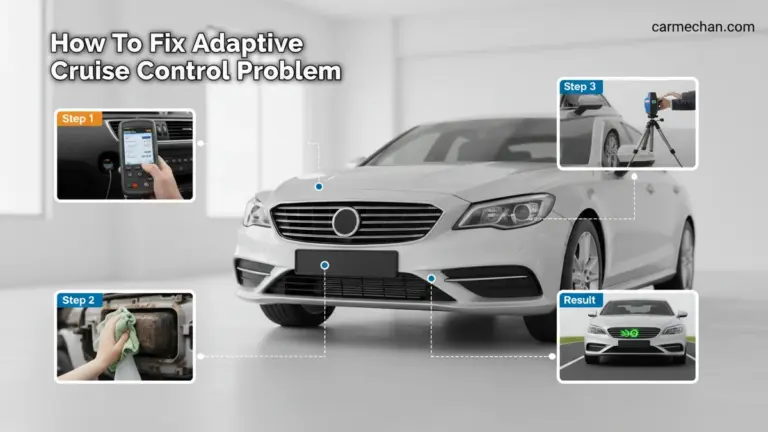
- Clean the front Toyota emblem and the lower grille area with a soft, damp cloth to ensure the millimeter-wave radar sensor has a clear line of sight.
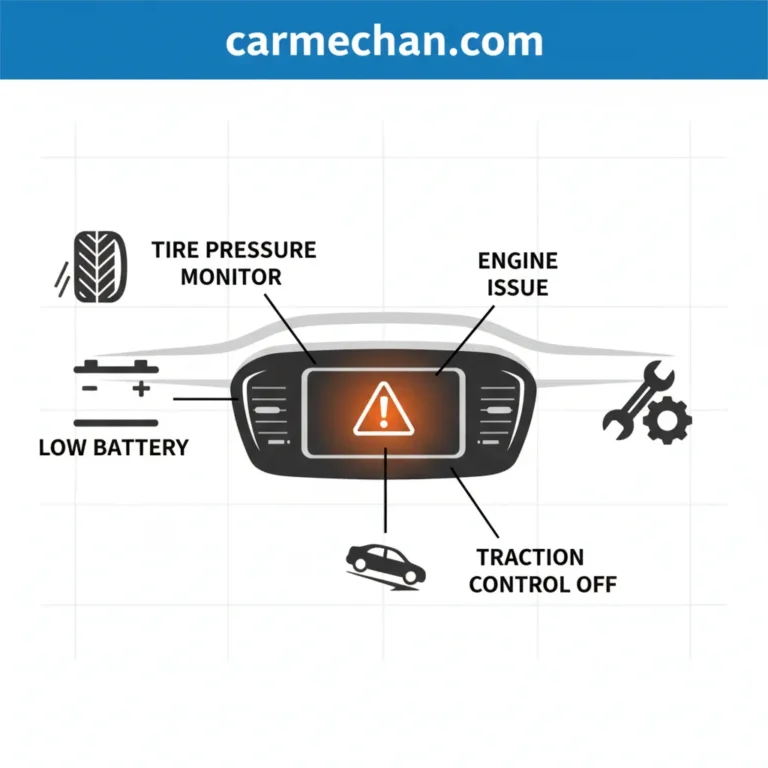
- Check your instrument cluster for any warning lights, such as a “Radar Cruise Control Unavailable” message, which may indicate a temporary system fault or a blown fuse.
- Attempt to reset the system by powering the vehicle down, waiting 30 seconds, and restarting the engine to clear minor electronic glitches in the ECU.
- Ensure the vehicle’s traction control is fully engaged, as system stability relies on the integration between the cruise control and the anti-lock braking sensors.
What If It Still Doesn’t Work?
If the system remains inactive after basic troubleshooting, a deeper hardware issue is likely present. Persistent failures often stem from a damaged radar sensor module or a misalignment caused by minor front-end impacts.
- Verify that your vehicle’s software is current; 2026 Toyota models often receive over-the-air (OTA) updates that resolve sensor communication errors.
- Inspect the front bumper for any structural damage, as even slight misalignments can prevent the radar from hitting the correct “aim” angle.
- Consult a certified Toyota technician for a professional sensor recalibration, which is required if the bumper or windshield camera housing has been replaced.
- Prepare for professional diagnostic costs, which typically range from $150 to $350 depending on whether the system requires a software flash or a full sensor hardware replacement.
Conclusion
Adaptive Cruise Control in 2026 Toyota vehicles provides significant fatigue reduction on long drives, provided it is used within its intended design limits. According to verified research and expert sources from the automotive engineering sector, most system performance issues are resolved through basic sensor maintenance or firmware updates. If these steps do not restore functionality, schedule an inspection at an authorized service center immediately to ensure your vehicle’s safety suite remains compliant with manufacturer performance standards.
❓ Frequently Asked Questions
How does the Toyota radar system detect other vehicles?
The system utilizes a grille-mounted radar sensor and a windshield-mounted camera to track the speed and distance of the vehicle ahead. It then communicates with the engine and braking systems to maintain your selected gap.
Does this system bring the car to a full stop?
In models equipped with Full-Speed Range Dynamic Radar Cruise Control, the vehicle can come to a complete stop if the car in front stops, and will remain stationary until you resume.
What is the difference between ACC and Toyota Safety Sense?
Adaptive cruise control is just one feature within the broader Toyota Safety Sense (TSS) suite, which also includes tools like Lane Departure Alert and Pre-Collision Systems.
Can I adjust the sensitivity of the distance tracking?
Yes, you can toggle between different following distance settings (long, medium, or short) using the distance button on your steering wheel.
Is it safe to use on winding mountain roads?
The system is optimized for highways and relatively straight roads; caution is advised on sharp curves as the radar might briefly lose track of the lead vehicle.
What should I do if the system displays a warning light?
If a warning light appears, check the front grille for debris or ice blocking the sensor. If the issue persists, the system may require a professional diagnostic inspection.