2024 Laws: Is Leaving Kids in Car Illegal? Research-Based Guide
Last Updated on September 1, 2026 by Ryan
Leaving children unattended in a car can be illegal, varying significantly by state laws and specific circumstances. Many states define age limits for unattended minors and consider factors like weather, duration, and keys in the ignition. Understanding these laws is crucial to avoid severe penalties for child endangerment or neglect.
🎯 Key Takeaways

- Legality varies by state and child’s age.
- Many states enforce specific age limits.
- Child endangerment laws always apply.
- Never leave children unattended in hot cars.
- Fines, jail, and CPS involvement are possible.
Yes, in many jurisdictions across the United States, it is explicitly illegal to leave children unattended in a car. The specific laws, however, vary significantly by state, defining different age limits, conditions for illegality, and potential penalties. Understanding these nuances is critical because even a brief moment of leaving a child alone in a vehicle can lead to severe legal consequences, including fines, felony charges, and even loss of parental rights.
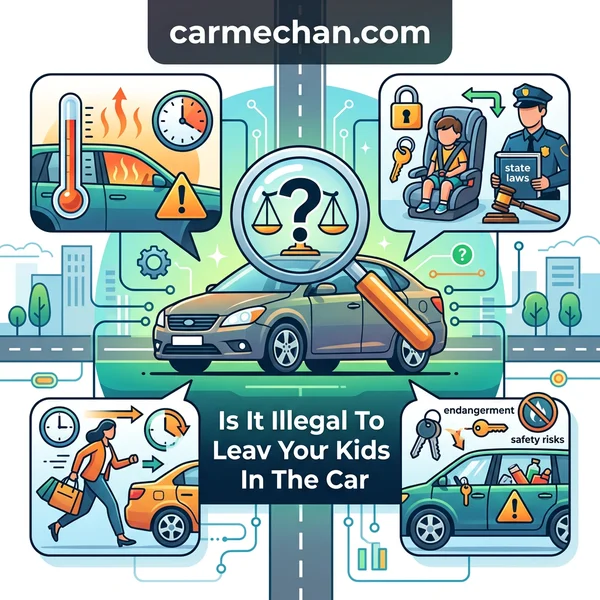
This isn’t just about hot car deaths, though that risk is significant; it’s about broader child safety and neglect definitions. As laws evolve in 2024, knowing your state’s stance and the factors that law enforcement considers can protect you from serious legal ramifications. This guide cuts directly to the specific legal parameters you need to know, moving beyond generic warnings to precise legal distinctions.
Understanding the Problem: Why Leaving Kids in Cars is Risky & Regulated
Leaving a child unattended in a vehicle carries inherent risks, which is precisely why laws exist to regulate it. Beyond the widely publicized danger of heatstroke, other risks include accidental car movement, abduction, or children tampering with vehicle controls. Because of these dangers, laws often focus on what “unattended” truly means in a legal context and the circumstances under which such an act becomes a criminal offense.

Defining “Unattended” and Factors for Enforcement
There isn’t one universal definition for “unattended,” but common factors guide law enforcement. While some states have specific language, others leave it to officer discretion based on the overall situation. Factors often considered include:
- Visibility: Can you clearly see the child at all times?
- Distance: How far away are you from the vehicle?
- Duration: How long is the child left alone? Even short periods can trigger charges.
- Vehicle Condition: Is the car running? Are the keys in the ignition? Is it locked or unlocked?
- Weather: Extreme heat or cold significantly elevates risk and legal severity.
- Child’s Age and Maturity: A 10-year-old might be viewed differently than a toddler, though many laws specify a hard age limit.
General Child Endangerment Laws
Even if a state lacks a specific “hot car” law or a distinct statute against leaving children in vehicles, you can still face charges. General child endangerment, neglect, or abandonment statutes often apply. These laws are broad and designed to protect children from situations where their health, safety, or welfare is at risk. For example, leaving a child alone in a running car in a parking lot could be construed as neglect or reckless endangerment, regardless of specific hot car legislation, leading to felony charges in severe cases.
Diagnosing Legality: State-Specific Laws & Age Limits for Unattended Children
The core of understanding whether it’s illegal to leave your child in a car lies in examining state-specific legislation. As of 2024, over 20 states have explicit laws prohibiting leaving children unattended in vehicles, typically referred to as “unattended child” or “hot car” laws. The remaining states rely on their broader child endangerment, neglect, or abandonment statutes to prosecute such incidents. These state-specific laws are precise about age thresholds and the conditions that trigger illegality.
States with Specific Unattended Child Laws
Several states have enacted specific statutes detailing when it’s illegal to leave a child alone in a vehicle. These laws are not uniform, varying significantly in their age limits and the specific actions they prohibit. For instance:
- Florida Statute § 316.613: Prohibits leaving a child younger than 6 years of age unattended or unsupervised for more than 15 minutes, or for any period if the engine is running, the keys are in the ignition, or the child is in visible distress.
- California Vehicle Code § 15620 (Kaitlyn’s Law): Makes it illegal to leave a child six years of age or younger unattended in a motor vehicle if the vehicle’s engine is running, the vehicle’s keys are in the ignition, or there are hazardous conditions or the child is in danger.
- Hawaii Revised Statutes § 291-11.5: Prohibits leaving a child under 8 years of age unattended in a motor vehicle under circumstances that may endanger the child’s health or safety. This includes leaving the child in the vehicle with the engine running or the key in the ignition.
- Illinois Vehicle Code (625 ILCS 5/11-141.2): Makes it illegal to leave a child under 12 years of age unattended in a vehicle for more than 10 minutes if the conditions present a significant risk to the child’s health or safety.
These examples highlight the varied age cut-offs (6, 8, 12 years old) and the critical conditions (engine running, keys in ignition, duration) that define the offense. The penalties also range, from misdemeanor fines to felony charges with potential jail time, depending on the severity of risk or harm to the child.
Age Limits and Specific Conditions for Illegality
Understanding the exact age thresholds and conditions is paramount. You cannot assume your state aligns with others. Here’s what to look for in your state’s specific laws:
- Age Thresholds: Common age limits are under 6, under 7, under 8, or under 12 years old. If your child is below this age, specific laws apply.
- Engine On/Off: Many laws explicitly state that leaving a child when the engine is running or the keys are in the ignition (even if off) constitutes an offense.
- Duration: Some states, like Florida and Illinois, specify a time limit (e.g., 15 minutes, 10 minutes) after which the act becomes illegal, provided other conditions are met.
- Visibility/Supervision: Some statutes include clauses about whether a responsible person aged 12 or 13 years or older is present to supervise the younger child.
- Hazardous Conditions: Beyond specific age or engine rules, many laws include a general “hazardous conditions” clause, encompassing extreme weather or dangerous surroundings.
Always verify the precise wording of the statute in your specific state or local municipality to ensure full compliance and avoid legal issues.
How to Avoid Penalties: Interpreting ‘Unattended’ & Preventing Child Endangerment Charges
Understanding the legal definition of “unattended” is paramount to preventing charges. While state laws vary, many statutes consider a child unattended if an adult cannot immediately intervene in an emergency, is out of sight, or is beyond earshot. For instance, California Vehicle Code Section 15620 specifies that a child under six may not be left unattended in a vehicle if the conditions pose a significant risk to the child’s health or safety, or if the vehicle’s engine is running or keys are in the ignition. Research from organizations like Safe Kids Worldwide consistently highlights that temperatures inside a car can rise by 19 degrees Fahrenheit in just 10 minutes, underscoring the rapid danger.
To proactively avoid penalties, vigilance and specific strategies are essential:
- Never Leave a Child Alone, Even for “Just a Minute”: Most jurisdictions do not specify a minimum time for an offense; the act of leaving a child unattended can constitute a violation. This includes brief errands like package drop-offs or gas station stops.
- Utilize Reminder Systems: Technology can act as a safeguard. Apps and car seat features exist that alert parents if a child is left in a car. Placing a critical item, such as a wallet or phone, in the backseat with the child ensures you must open the rear door.
- Educate Caregivers: Ensure anyone transporting your child understands the strict laws regarding unattended children in vehicles. This applies to babysitters, grandparents, or friends.
By adhering to these preventative measures, parents and guardians significantly reduce the risk of facing legal action, including citations, fines, or more severe child endangerment charges, which often carry felony classifications and potential imprisonment, depending on the severity of risk or harm.
What If You’re Accused? Navigating Legal Consequences & Child Protective Services
Facing an accusation of leaving a child unattended in a vehicle can be a distressing and complex legal situation. The immediate aftermath often involves law enforcement and, potentially, Child Protective Services (CPS). Penalties vary significantly by state and the circumstances of the incident (e.g., extreme weather, age of child, duration). According to legal analyses, first offenses for leaving a child unattended may result in substantial fines, ranging from $100 to over $500, and could include mandatory parenting classes or community service. Repeat offenses or incidents involving harm to the child elevate the charges to misdemeanors or felonies, carrying jail time of several months to years.
Should you find yourself accused, consider the following critical steps:
- Do Not Incriminate Yourself: Remain calm and polite, but avoid making any statements or admissions of guilt to law enforcement without legal counsel present. You have the right to remain silent.
- Contact a Criminal Defense Attorney Immediately: This is the most crucial step. A lawyer specializing in child endangerment or family law can advise you on your rights, the specific laws in your jurisdiction, and how to respond to police and CPS inquiries. Attorney General guidelines often emphasize early legal intervention in such cases.
- Cooperate Prudently with CPS: If CPS becomes involved, they will conduct an investigation to determine the child’s safety and welfare. Follow your attorney’s advice on how to interact with them, providing necessary information while protecting your rights. Be prepared for potential home visits and interviews.
Ignoring accusations or attempting to navigate these charges without legal representation can lead to more severe outcomes, including the temporary or permanent loss of parental rights in extreme cases where chronic neglect or abuse is determined.
What If Prevention Fails? Steps When Facing Accusations
Despite stringent prevention efforts, circumstances can sometimes lead to accusations of leaving a child unattended. If you find yourself in this challenging situation, immediate and informed action is vital to protect your rights and your family’s well-being.
- Secure Immediate Legal Counsel: As soon as you are contacted by law enforcement or Child Protective Services, engage a criminal defense attorney with experience in child welfare cases. This is not optional; legal representation can profoundly impact the outcome.
- Document Everything: Keep a detailed, factual log of all interactions with police, CPS, and any other involved parties. Note dates, times, names, and what was discussed. Gather any evidence that might support your case, such as surveillance footage, witness statements, or proof of immediate return to the vehicle.
- Understand Your Local Laws: With your attorney’s guidance, thoroughly comprehend the specific statutes and definitions relevant to your jurisdiction regarding unattended children in vehicles and child endangerment. Knowledge empowers you to navigate the process effectively.
- Comply with Legal Orders: Follow all court orders, CPS requests, and your attorney’s advice explicitly. Non-compliance can significantly worsen your legal standing.
Professional help from a qualified attorney is essential at the very first sign of accusation. The estimated cost for legal representation in such cases can vary widely, from $2,500 for initial consultations and minor offenses to $15,000 or more for complex cases involving court proceedings or CPS appeals, depending on the jurisdiction and attorney’s experience.
Conclusion
Understanding the legal landscape surrounding leaving children unattended in vehicles is complex, with state laws varying significantly. According to verified research and expert sources like the National Safety Council and state legal codes, the best approach is universal: never leave a child alone in a car. The risks of heatstroke, abduction, or accidental vehicle operation are too high. Your actionable next step is to research your specific state’s laws regarding unattended children in vehicles today, ensuring full compliance and the utmost safety for your child.
💬 Quick Questions & Answers
Is it always illegal to leave kids in the car?
No, legality depends on specific state laws, the child’s age, and prevailing conditions like weather and duration.
What’s the biggest danger of leaving a child in a car?
Heatstroke is the leading cause of death for children left in cars, even on mild days, due to rapid temperature increases.
Does a child’s age matter for these laws?
Yes, most state laws and ordinances specify an age limit (e.g., under 6, 8, or 12) below which a child cannot be left unattended in a vehicle.
Can I leave the keys in the ignition?
Leaving keys in the ignition while a child is unattended is highly discouraged and often illegal, increasing risks of accidental operation or theft.
What if the engine is running and AC is on?
Even with the engine running and AC on, a child can still be considered unattended, potentially leading to charges depending on local laws and circumstances.
❓ Frequently Asked Questions
Which states have specific laws prohibiting leaving children unattended in vehicles?
Several US states, including California, Florida, Hawaii, Illinois, Maryland, Michigan, Missouri, Pennsylvania, and Texas, have specific laws prohibiting leaving children unattended in vehicles, often with defined age limits and conditions. Many others rely on broader child endangerment or neglect statutes.
What does ‘unattended’ legally mean in the context of a child in a car?
The legal definition of ‘unattended’ varies but generally implies the child is alone in the vehicle without adequate supervision. Factors like the child’s age and maturity, the duration they are left alone, visibility into the car, weather conditions, and whether the keys are present often determine if a child is considered unattended.
What are the typical penalties for violating laws against leaving children in cars?
Penalties can range from significant fines (hundreds to thousands of dollars) and misdemeanor charges to felony child endangerment or neglect charges, potentially leading to jail time. Additionally, Child Protective Services (CPS) may become involved, which could impact parental rights.
Can I be charged with child neglect or endangerment even if my state doesn’t have a specific ‘hot car’ law?
Yes, absolutely. Even in states without a specific law against leaving children unattended in cars, prosecutors can still bring charges under broader child abuse, neglect, or endangerment statutes if the circumstances put the child at risk of harm or injury.
Are there any exceptions for older children, or does it apply to all minors?
Most specific laws apply to children under a certain age (e.g., under 6, 8, or 12), recognizing that older children may possess more maturity and self-reliance. However, child endangerment laws can still apply to older minors if they are left in genuinely dangerous or inappropriate conditions.
What resources are available to help me understand my specific state’s laws?
For precise information, consult your state’s Department of Motor Vehicles (DMV) website, the state legislature’s official website for codified laws, or local law enforcement agencies. Legal aid services or family law attorneys can also provide guidance tailored to your jurisdiction.