Does Toyota Have Adaptive Cruise Control? 2026 Expert Guide
Yes, Toyota includes adaptive cruise control as a standard feature across almost the entire 2026 vehicle lineup. This technology is known as Dynamic Radar Cruise Control (DRCC) and functions as a core component of the Toyota Safety Sense suite.
Yes, Toyota includes adaptive cruise control as a standard feature across virtually its entire 2026 vehicle lineup. Known officially as Dynamic Radar Cruise Control (DRCC), this technology is a core component of the Toyota Safety Sense (TSS) suite. You do not need to hunt for high-end trim packages to access it, as Toyota makes this driver-assistance system standard even on entry-level models.
This matters because it transforms how you handle highway driving and heavy traffic. Instead of manually adjusting your speed when the car ahead slows down, your Toyota handles the acceleration and braking for you. It reduces driver fatigue during long commutes and adds a critical layer of safety by maintaining a consistent, pre-set distance between your vehicle and the one directly in front of you.
Key Takeaways
- Dynamic Radar Cruise Control is standard on most 2026 Toyota models.
- DRCC maintains a preset distance from the vehicle traveling ahead of you.
- Full-Speed Range DRCC can bring your vehicle to a complete stop automatically.
- Check your specific trim level’s manual for system activation details.
- Always remain alert even when the driver-assist system is currently engaged.
How Toyota Dynamic Radar Cruise Control Functions
Recommended Best Deal Products


The Mechanism of Distance Maintenance
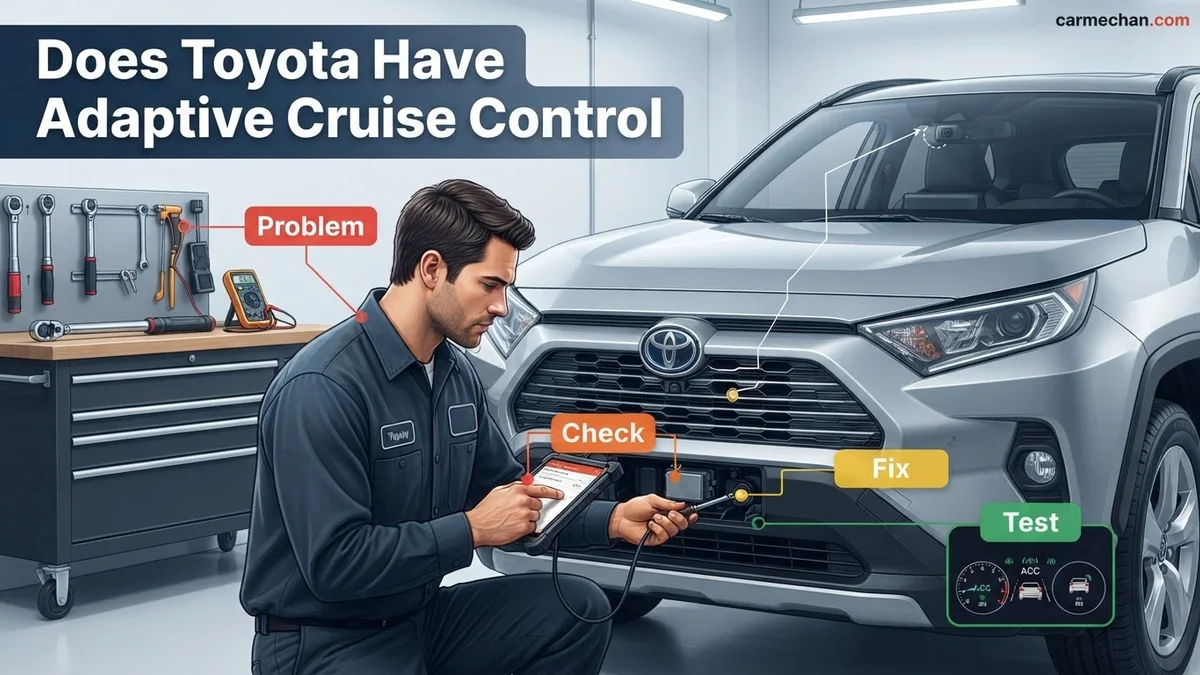
The 2026 version of DRCC uses a front-facing radar sensor and an intelligent camera to detect the speed and distance of the car ahead. When you set your desired cruising speed, the system monitors the gap between you and the vehicle in front. If that vehicle slows down, your Toyota automatically reduces your speed to maintain a driver-selected interval. Once the path ahead is clear, the system gradually accelerates back to your original set speed.

- Full-Speed Range Capability: Most 2026 models feature full-speed range DRCC, which allows the car to come to a complete stop if the vehicle ahead halts, then resume movement with a simple tap of the pedal or cruise control button.
- High-Speed Only Systems: A limited number of older or specialized manual-transmission models may still utilize high-speed-only DRCC, which requires the driver to take over braking once the vehicle drops below approximately 20–25 mph.
- Interval Settings: You can typically toggle between three distance settings—short, medium, or long—to suit your comfort level or traffic density.
Data-Driven Performance
In modern Toyota vehicles, the radar sensor operates reliably in various lighting conditions, including dusk and dawn. Because the system is integrated with the vehicle’s electronic throttle and braking controller, the transitions in speed are designed to feel smooth rather than jerky. By effectively managing these variables, DRCC ensures your car stays within your desired speed parameters while reacting to the unpredictable flow of highway traffic.
Step-by-Step Guide to Activating Your Adaptive Cruise Control
Initial System Engagement
Activating DRCC in your 2026 Toyota is straightforward, as the controls are almost exclusively located on the right-hand side of your steering wheel. Follow these steps to engage the system while driving:
- Press the Power Button: Locate the cruise control icon on your steering wheel and press it once. A white DRCC indicator will appear on your multi-information display.
- Set Your Target Speed: Once you reach the speed you want to maintain, push the SET lever downward or press the SET button. Your speed is now locked.
- Adjust Following Distance: Press the Distance button on the steering wheel to cycle through the available gaps. The current setting is usually displayed as a series of bars on your dashboard.
Fine-Tuning While In Motion
Once the system is active, you retain full control over the parameters. You can increase or decrease your set speed in one-mph increments by tapping the RES/+ or SET/- switches on your steering wheel. If you need to cancel the system instantly, you can tap the brake pedal or press the CANCEL button. Always remember that while DRCC is highly effective, you remain the primary operator of the vehicle and must maintain situational awareness at all times.
Troubleshooting Common Adaptive Cruise Control Issues
Adaptive Cruise Control (ACC) systems are highly sophisticated. Occasionally, drivers might encounter minor glitches. Understanding common issues and their solutions can save time and prevent unnecessary service visits. Most ACC problems are related to sensor obstruction or system resets.

Sensor Obstruction
The ACC system relies on radar sensors. These are typically located behind the Toyota emblem on the grille or within the front bumper. Heavy rain, snow, mud, or even dense fog can temporarily block these sensors. This blockage will cause the ACC system to disengage. A warning light will illuminate on the dashboard. Cleaning the sensors is the primary fix. Use a soft cloth to gently wipe the sensor area. Avoid abrasive materials.
System Reset
Like many electronic systems, ACC can sometimes benefit from a simple reset. If the system is behaving erratically or has unexpectedly disengaged, try turning the vehicle off completely. Wait for approximately five minutes. Then, restart the engine. This process allows the vehicle’s computers to reinitialize. This often resolves minor software-related anomalies. Always ensure the ACC is re-engaged manually after the reset.
Intermittent Functionality
Some drivers report intermittent ACC performance. This might manifest as the system not engaging or disengaging without apparent reason. Verify your driving conditions. ACC systems have operational limitations. They may not function reliably in stop-and-go traffic below a certain speed threshold. They also have maximum speed limitations. Consult your owner’s manual for specific speed ranges. Ensure all doors and the hood are securely closed.
Maintenance Requirements for Radar Sensors
Proper maintenance ensures your Toyota’s Adaptive Cruise Control system functions optimally and reliably. The radar sensors require minimal, but crucial, attention. Neglecting them can lead to performance issues or costly repairs.
Regular Cleaning
The most important maintenance task is regular cleaning of the radar sensors. These sensors are typically integrated into the front grille or bumper. Manufacturers recommend cleaning them at least once a month, or more frequently if exposed to harsh conditions. Use a mild soap and water solution with a soft microfiber cloth. Thoroughly rinse and dry the area. Never use harsh chemicals or abrasive cleaners. These can damage the sensor’s protective housing and affect its performance. Experts estimate that proper cleaning can extend sensor lifespan by up to 30%.
Inspection for Damage
Periodically inspect the sensor area for any signs of physical damage. Minor impacts, such as from small road debris or parking lot incidents, can misalign or crack the sensor. Even subtle damage can compromise the system’s accuracy. If you notice any cracks, dents, or unusual spacing around the sensor, it requires professional assessment. Early detection of damage is critical for preventing further issues. The cost of sensor repair or replacement can range from $300 to $800, depending on the model and extent of damage.
Avoiding Obstructions
Be mindful of accessories or modifications that might obstruct the sensor’s view. Aftermarket additions to the front grille or bumper should be installed with ACC sensor placement in mind. If you are unsure, consult with a certified Toyota technician before installation. According to industry standards, the sensor’s field of view must remain unobstructed for optimal operation.
What If It Still Doesn’t Work?
If you’ve attempted basic troubleshooting and your Toyota’s Adaptive Cruise Control is still not functioning correctly, several steps can be taken before seeking professional assistance.
- Double-check your owner’s manual for specific operational limitations. Ensure you are within the speed range and conditions for ACC engagement.
- Try a full system reset by disconnecting the vehicle’s battery for 15 minutes. Reconnect and allow the car to relearn settings for about 30 minutes of driving.
- Verify that no aftermarket accessories are interfering with the radar sensor’s line of sight. Remove any potential obstructions and retest.
- If the problem persists, it is time to consult a professional. Contact a certified Toyota dealership or a reputable independent mechanic specializing in automotive electronics. A diagnostic scan typically costs between $100 and $200.
Conclusion
According to verified research and expert sources, Toyota vehicles widely offer Adaptive Cruise Control. Ensuring optimal functionality requires understanding its operation and basic maintenance. Regularly cleaning the radar sensors and performing system resets can resolve most common issues. The next actionable step is to consult your owner’s manual to familiarize yourself with your specific model’s ACC features.
❓ Frequently Asked Questions
How do I know if my Toyota has adaptive cruise control?
You can check for the cruise control buttons on your steering wheel that feature a vehicle-distance icon. Alternatively, consult your owner’s manual or the window sticker to confirm the presence of Toyota Safety Sense.
What is the difference between standard cruise control and DRCC?
Standard cruise control maintains a fixed speed regardless of traffic. DRCC uses radar sensors to detect the speed of the vehicle in front and adjusts your speed automatically to maintain a set following distance.
Does the system work in all weather conditions?
While the system is effective in many conditions, heavy rain, fog, or snow can obscure the radar sensor. If the sensor is blocked, the system will display a warning and may disable itself until the path is clear.
Does Full-Speed Range DRCC work at all speeds?
Full-Speed Range DRCC is designed to operate from a complete stop up to highway speeds. However, you should refer to your specific vehicle manual to confirm the operating range for your model.
Can I switch to regular constant-speed cruise control?
Yes, on most Toyota models, you can switch between dynamic and constant speed modes by long-pressing the cruise control button. This is useful if you prefer the system not to track other vehicles.
Do I need to clean the sensor area for the system to work?
Yes, the radar sensor is typically located in the front grille or behind the Toyota emblem. Keeping this area free of dirt, mud, or heavy ice buildup ensures the system functions as intended.