Dodge Scat Pack Horsepower: Challenger & Charger HP Specs
Last Updated on September 1, 2026 by Ryan
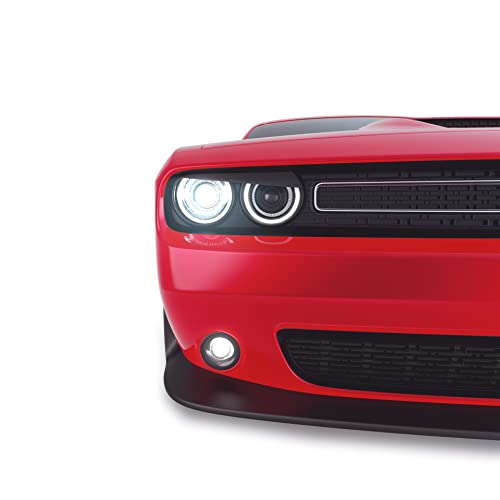
The Dodge Scat Pack (Challenger and Charger) typically boasts 485 horsepower and 475 lb-ft of torque from its 6.4L 392 HEMI V8 engine. While this figure has been consistent for most recent model years, minor variations or specific editions can sometimes occur. This powerful engine provides exhilarating performance for both coupe and sedan versions.

Prime for Young Adults — 6 Months Free
Students and 18–24s get six months of Prime free, then half price.
Start 6 Months FreeWant more from your Scat Pack’s 485 horses? These are the most popular mods:
 cold air intake Kit — FIPK Series Performance Upgrade” style=”width:90px;height:90px;object-fit:contain;border-radius:8px;flex-shrink:0;” loading=”lazy”>

As an Amazon Associate we earn from qualifying purchases.
🎯 Key Takeaways
- Scat Pack HP:485 horsepower for both models.
- Engine:Powered by a 6.4L 392 HEMI V8.
- Torque:Delivers a robust 475 lb-ft.
- Consistency:HP output largely stable across recent years.
- Performance:Expect thrilling acceleration and power.
If you are asking how much horsepower a Challenger Models and Horsepower on Wikipedia”>Dodge Scat Pack has, you are looking for specific numbers, and we are going to give them to you right away. A modern Dodge Challenger or Charger Scat Pack consistently delivers 485 horsepower (HP) and 475 pound-feet (lb-ft) of torque. This powerful figure has been the benchmark for the Scat Pack trim since its significant reintroduction in 2015, making it a reliable number for enthusiasts across recent model years.

Understanding this specific horsepower is crucial because it defines the Scat Pack’s performance tier within the broader Dodge lineup. It sets expectations for acceleration, track capability, and overall driving experience. This power output places the Scat Pack firmly in the high-performance muscle car category, providing a substantial step up from entry-level V8s without reaching the supercharged extremes of a Hellcat.
Understanding Scat Pack Horsepower: The Core Specs
The Modern Scat Pack Benchmark
For Dodge Challenger and Charger models carrying the Scat Pack designation from 2015 onwards, the horsepower rating is a robust and consistent 485 HP. This figure is identical for both the two-door Challenger and the four-door Charger Scat Pack variants, ensuring that whether you choose a coupe or a sedan, you receive the same exhilarating performance under the hood. The accompanying torque output is equally impressive, standing at 475 lb-ft.

- Horsepower: 485 HP
- Torque: 475 lb-ft
- Engine: Naturally Aspirated 392 HEMI V8 (6.4L)
- Consistent Across: Challenger Scat Pack and Charger Scat Pack
- Model Years: 2015 to present
This consistency is a defining characteristic of the Scat Pack. When you see a Scat Pack badge, you know exactly the level of raw, unadulterated power you are dealing with. It’s important to note that these figures represent the official manufacturer ratings, which are crucial for comparing performance and understanding the car’s capabilities.
Engine Behind the Power
The heart of every modern Scat Pack is the iconic 6.4-liter (392 cubic inch) naturally aspirated HEMI V8 engine. This engine is designed for high-revving power and robust torque delivery, distinguishing it from the supercharged engines found in higher-tier Hellcat models. It provides a linear and responsive power band that muscle car purists often appreciate. Power is typically managed through either a strong 8-speed automatic transmission (TorqueFlite 8HP70) or, in the case of the Challenger Scat Pack, an available 6-speed manual transmission.
The engineering behind this engine ensures optimal performance right off the line and through the entire RPM range. The combination of its substantial displacement and the advanced valvetrain technologies helps the 392 HEMI achieve its impressive 485 HP and 475 lb-ft of torque without forced induction, delivering a classic V8 roar and an incredibly visceral driving experience. You get direct, uncompromised power, exactly what the Scat Pack badge promises.
Everything You Need to Know About Scat Pack Horsepower
This comprehensive guide is designed to demystify the horsepower ratings of Dodge Scat Pack models. Whether you’re a prospective buyer, a current owner, or simply a muscle car enthusiast, understanding the nuances of Scat Pack power is crucial. By following these steps, you’ll gain clarity on the standard specifications, learn how to verify information for specific vehicles, and grasp factors that can influence a Scat Pack’s performance figures. Diving deep into these details will empower you with accurate knowledge, helping you make informed decisions and truly appreciate the engineering behind these iconic machines.
Step 1: Understand the Scat Pack Legacy and What it Represents
What you need: Basic understanding of automotive brands and performance packages.
Instructions: Begin by recognizing that “Scat Pack” isn’t just a random name; it’s a performance designation by Dodge that dates back to the 1960s, revived for its modern muscle cars. For the modern era (post-2015), the Scat Pack badge signifies a specific, high-performance trim level for the Challenger, Charger, and more recently, the Durango. It consistently implies a significant power upgrade over standard V8 models, positioning it above the R/T but below the supercharged Hellcat variants. Understanding this context sets the stage for appreciating the consistent power figures associated with it.
Pro Tip: Don’t confuse the Scat Pack with the SRT Hellcat or SRT Demon; while all are high-performance Dodges, the Scat Pack represents a powerful, naturally aspirated option distinct from its supercharged brethren.
Step 2: Identify the Signature Engine: The 392 HEMI V8
What you need: Knowledge of engine displacement measurements (liters, cubic inches).
Instructions: The heart of virtually every modern Scat Pack (Challenger, Charger, Durango SRT 392) is the naturally aspirated 6.4-liter HEMI V8 engine, famously known as the “392” (referencing its cubic inch displacement). This engine is the consistent source of the Scat Pack’s robust power. It’s a high-revving, non-supercharged power plant designed for immediate throttle response and a distinct muscle car roar. Recognizing that this specific engine is the common denominator across Scat Pack models is key to understanding its horsepower consistency.
Pro Tip: The “392” designation is often used interchangeably with “Scat Pack” among enthusiasts, underscoring its central role in defining the trim’s identity and performance capabilities.
Step 3: Pinpoint the Standard Factory Horsepower Rating
What you need: Basic understanding of horsepower (hp) and torque (lb-ft) as performance metrics.
Instructions: For the vast majority of modern (2015-present) Dodge Challenger R/T Scat Pack, Charger Scat Pack, and Durango SRT 392 models, the 6.4L (392 cu in) HEMI V8 engine produces a factory-rated 485 horsepower (hp) at 6,100 RPM and 475 lb-ft of torque at 4,200 RPM. These figures are consistent across various model years within this generation, establishing 485 hp as the benchmark for a stock Scat Pack. This number represents the engine’s output at the crankshaft (BHP – Brake Horsepower) as advertised by the manufacturer.
Pro Tip: Always look for crankshaft horsepower (bhp) in manufacturer specifications. Wheel horsepower (whp), measured at the wheels on a dynamometer, will typically be 10-15% lower due to drivetrain losses, so don’t be surprised if dyno results are around 420-435 whp.
Step 4: Differentiate Between Specific Scat Pack Models and Years
What you need: Awareness of vehicle model years (e.g., 2017, 2023) and trim variations (Challenger vs. Charger).
Instructions: While the 485 hp figure is largely universal for modern Scat Packs, it’s important to acknowledge that the “Scat Pack” designation applies to multiple Dodge models and has evolved over the years. Ensure you are looking at a Challenger R/T Scat Pack, Charger Scat Pack, or the Durango SRT 392, all of which feature the 6.4L HEMI with 485 hp. Earlier models, or specific limited editions that might have carried an “SRT 392” badge before the Scat Pack became prevalent, could have slightly different (though usually very close) power figures. Always confirm the exact model year and vehicle type when researching to avoid any ambiguity.
Pro Tip: For the most accurate information, specify the exact model (e.g., “2020 Dodge Challenger Scat Pack horsepower”) when searching, as minor updates or special editions could sometimes introduce subtle changes.
Step 5: Verify Horsepower for a Specific Vehicle Using its VIN
What you need: The Vehicle Identification Number (VIN) of the specific Scat Pack, internet access, optional access to a Dodge dealership or reputable car history service.
Instructions: If you’re looking to confirm the factory horsepower of a particular Scat Pack vehicle, the most reliable method is to use its VIN. You can input the VIN into Dodge’s official owner portal, which often provides access to original build sheets and specifications. Alternatively, reputable VIN decoder websites or vehicle history services (like CarFax or AutoCheck) can often provide detailed factory information. A Dodge dealership’s service department can also pull up the original factory build sheet using the VIN, explicitly listing the engine specifications and standard horsepower rating the vehicle left the assembly line with.
Pro Tip: Always request the VIN from a seller if you’re considering a purchase. This allows you to independently verify all factory specifications and history, rather than relying solely on verbal claims.
Step 6: Account for Aftermarket Modifications
What you need: Understanding that vehicles can be modified, and what a “dyno sheet” is.
Instructions: While the factory rating is 485 hp, many Scat Pack owners perform aftermarket modifications to enhance performance. These can range from simple bolt-ons like cold air intakes and exhaust systems to more complex upgrades such as camshaft changes, cylinder head work, or even forced induction (superchargers or turbochargers). Such modifications can significantly alter the original horsepower figures. If considering a used Scat Pack, always inquire about any modifications and ask for supporting documentation, such as dyno sheets, receipts, or installation records, to verify any claimed power increases.
Pro Tip: Be cautious of claims for massive horsepower gains from minor modifications without verifiable proof. Forced induction kits (superchargers/turbos) are the most common way to push a Scat Pack significantly beyond its stock 485 hp.
Step 7: Understand the Role of Torque in Scat Pack Performance
What you need: Basic knowledge of engine performance metrics (horsepower vs. torque).
Instructions: While horsepower (485 hp) often gets the spotlight, it’s equally important to understand the Scat Pack’s torque output. The 392 HEMI produces a robust 475 lb-ft of torque. Torque is the rotational force that gets the vehicle moving and provides that exhilarating “push into your seat” sensation, especially from a standstill or at lower RPMs. A high torque figure, delivered efficiently across the RPM range, contributes significantly to the Scat Pack’s impressive acceleration and street performance, making it feel incredibly responsive and powerful in everyday driving scenarios.
Pro Tip: Don’t just focus on peak horsepower numbers. A well-engineered engine like the 392 HEMI offers a broad torque curve, meaning plenty of usable power is available across the entire rev range, making for a more engaging and effective driving experience.
✅ Final Checklist
- Confirmed the Scat Pack engine is consistently the 6.4L (392 cu in) HEMI V8.
- Verified the standard factory horsepower rating is 485 hp for modern Scat Pack Challengers, Chargers, and Durango SRT 392s.
- Cross-referenced the specific model year and vehicle type for any potential variations.
- Considered the impact of any aftermarket modifications on the original horsepower figures.
- Understood both horsepower (485 hp) and torque (475 lb-ft) for a complete performance picture.
Important Notes:
- Safety considerations or warnings: High-performance vehicles like the Scat Pack demand respect. Always drive responsibly, within legal limits, and in conditions suitable for its power. If test-driving, ensure you are comfortable with the vehicle’s capabilities.
- When to seek professional help: If you are purchasing a pre-owned Scat Pack with significant aftermarket modifications, consider having a pre-purchase inspection conducted by a certified Dodge dealership or a reputable performance shop. This can help verify the quality of modifications and the overall health of the engine.
- Estimated time and cost range: Researching online for official specifications: 15-30 minutes (free). Using a VIN decoder service: typically free for basic info, up to $40 for detailed reports. Dealership VIN lookup: 10-20 minutes (often free with a visit or call). Professional pre-purchase inspection: 1-2 hours, ranging from $100-$300 depending on the shop and depth of inspection.
Horsepower & Torque: Model Year Variations and Consistency
Tracing Scat Pack’s Evolution
When discussing the horsepower of a Dodge Scat Pack, it is critical to understand its precise historical context. The Scat Pack trim, as most enthusiasts recognize it today, with the 392 HEMI engine, burst onto the scene in the 2015 model year. From that point forward, both the Challenger and Charger Scat Pack models have consistently maintained their impressive 485 horsepower and 475 lb-ft of torque ratings. This means if you are considering any Scat Pack from 2015 through the most recent model years, you can expect the same high level of power output.

This remarkable consistency simplifies the question of horsepower variations. Unlike some other performance models that see incremental power bumps year over year, the Scat Pack has held true to its initial, potent power figures for nearly a decade. This reliability in specifications makes the Scat Pack a straightforward choice for those seeking a specific performance benchmark without needing to deeply research individual model year changes for its core power output.
Pre-2015 and SRT 392 Models
While the “Scat Pack” trim received its 485 HP in 2015, the 392 HEMI engine itself existed in other Dodge performance models prior to this branding. Specifically, the SRT8 392 Challenger, Charger, and Chrysler 300C SRT8 models from 2011 to 2014 were also powered by a 392 cubic inch (6.4L) HEMI V8. However, these earlier versions were factory rated at 470 horsepower and 470 lb-ft of torque.
- 2011-2014 SRT8 392 Models: 470 HP / 470 lb-ft
- 2015+ Scat Pack (Challenger & Charger): 485 HP / 475 lb-ft
Therefore, when you ask about a “Scat Pack,” you are almost certainly referring to the 485 HP version that began in 2015. While the earlier SRT8 392s were undoubtedly powerful, they technically precede the dedicated “Scat Pack” trim level that cemented the 485 HP benchmark. The crucial takeaway is that once Dodge adopted the Scat Pack name for these 6.4L HEMI models, they standardized on the higher 485 HP figure, providing clear differentiation and a consistent power experience for you, the driver.
Engine Deep Dive: The 6.4L 392 HEMI V8 Powerhouse
While the raw horsepower numbers are impressive, understanding why the Scat Pack delivers such formidable power takes us under the hood to its beating heart: the 6.4-liter (392 cubic inch) naturally aspirated HEMI V8. This engine isn’t just about big displacement; it’s a meticulously engineered piece of American muscle designed for maximum grunt and durability.
Unpacking the HEMI Heritage
The “HEMI” name itself hints at its legendary design: hemispherical combustion chambers. This classic design allows for larger valves and a more efficient air-fuel mixture burn, contributing to significant power output. The 392 HEMI specifically builds on decades of Dodge’s performance heritage, bringing modern technology to a time-tested concept. It’s a direct descendant of the powerful engines that dominated drag strips in the muscle car era, updated for today’s roads.
Key Engineering for Performance
Dodge didn’t just drop a big engine into the Scat Pack; they optimized it for performance. Here are some key elements that make the 392 HEMI sing:
- Displacement: The 6.4L (392 cu in) size is fundamental, allowing for significant air intake and combustion volume.
- High Compression Ratio: A high compression ratio (often around 10.9:1) helps extract maximum energy from every drop of fuel, boosting power and efficiency.
- Active Intake Manifold: This system optimizes airflow for different RPMs, enhancing both low-end torque and high-end horsepower.
- Variable Cam Timing (VCT): VCT adjusts valve timing to improve performance across the entire RPM range, ensuring responsiveness whether you’re cruising or accelerating hard.
- Durable Construction: Built with robust materials to withstand the stress of high performance, from the forged crankshaft to the beefy connecting rods.
This combination of classic design principles and modern engineering ensures the 392 HEMI isn’t just powerful on paper, but incredibly responsive and exhilarating to drive.
Performance Beyond HP: 0-60 MPH and Quarter-Mile Times
While horsepower is a crucial metric, what truly defines a muscle car is how that power translates to real-world acceleration. The Scat Pack excels not just in its dyno numbers but in its ability to launch off the line and conquer the quarter-mile. These are the moments where the Scat Pack truly lives up to its name, delivering an visceral experience of raw power.
Blazing Off the Line: 0-60 MPH
For many enthusiasts, the 0-60 mph sprint is the ultimate bragging right. The Scat Pack, whether a Challenger or Charger, consistently delivers blistering times that put it in the league of much more expensive sports cars. These figures are achieved through a combination of the powerful 392 HEMI and sophisticated launch control systems.
- Challenger Scat Pack 0-60 MPH: Typically in the low 4-second range, often around 4.2 to 4.3 seconds.
- Charger Scat Pack 0-60 MPH: Similar to its coupe sibling, often in the 4.3 to 4.5-second range, making it one of the quickest sedans available.
Achieving these times reliably often depends on factors like tire choice, road conditions, and driver skill utilizing the car’s built-in performance features.
Dominating the Drag Strip: Quarter-Mile
The quarter-mile is the traditional proving ground for American muscle, and the Scat Pack doesn’t disappoint. It’s built to cover that 1,320 feet with authority, showcasing its relentless acceleration.
- Challenger Scat Pack Quarter-Mile: Regularly runs in the high 12-second range, with some drivers pushing into the low 12s (around 12.4-12.6 seconds) at trap speeds often exceeding 110 mph.
- Charger Scat Pack Quarter-Mile: Expect similar performance, typically in the mid to high 12-second range (around 12.6-12.8 seconds) at comparable trap speeds.
These figures are outstanding for a street-legal car and highlight the Scat Pack’s incredible straight-line performance. Whether you’re at the drag strip or just enjoying a spirited drive, the Scat Pack offers exhilarating acceleration that’s hard to beat for the price.
Conclusion: More Than Just Numbers
The Dodge Scat Pack, with its 392 HEMI V8, stands as a testament to accessible American muscle. Delivering a robust 485 horsepower and 475 lb-ft of torque, both the Challenger and Charger Scat Packs offer exhilarating performance that goes far beyond mere statistics. They provide a driving experience rich in heritage, raw power, and an unmistakable exhaust note.
If you’re drawn to the thrill of high horsepower, impressive acceleration, and an iconic design, the Scat Pack is undeniably worth exploring. Ready to feel the rumble? We encourage you to research local dealerships and explore the various Scat Pack configurations. Experience the legendary HEMI for yourself and unleash the beast!
❓ Frequently Asked Questions
What is the exact horsepower and torque of a Dodge Scat Pack?
The Dodge Scat Pack, whether a Challenger or Charger, boasts 485 horsepower and 475 lb-ft of torque. This impressive output comes from its 6.4L 392 HEMI V8 engine, providing a significant performance upgrade over the R/T models.
Does the Scat Pack Challenger and Charger have the same horsepower?
Yes, both the Dodge Challenger Scat Pack and the Dodge Charger Scat Pack are equipped with the identical 6.4L 392 HEMI V8 engine. Consequently, they both deliver the same 485 horsepower and 475 lb-ft of torque, ensuring consistent power across both body styles.
Has the Scat Pack’s horsepower changed across different model years?
For the majority of its modern production run, specifically since its reintroduction in 2015, the Scat Pack has consistently maintained 485 horsepower. While there might be minimal variations or special editions with slight tweaks, the core 392 HEMI output has remained stable for most model years.
How does the Scat Pack’s horsepower compare to other Dodge trims?
The Scat Pack’s 485 horsepower positions it as a significant step up from the R/T’s 370-375 hp (5.7L HEMI) but below the supercharged Hellcat’s 700+ hp, and even further from the Demon or Redeye models. It offers a potent naturally aspirated muscle car experience in the middle of Dodge’s performance lineup.
What other performance benefits does the Scat Pack offer besides horsepower?
Beyond its formidable 485 horsepower, the Scat Pack package includes a host of performance upgrades. These typically feature robust Brembo brakes, an enhanced high-performance suspension, active exhaust system, and performance features like Line Lock and Launch Control to maximize its power on the road or track.
What is the significance of the ‘392’ in the Scat Pack engine’s name?
The ‘392’ in the 6.4L 392 HEMI V8 refers to the engine’s displacement in cubic inches (392 cu in). This translates to approximately 6.4 liters and is a historical nod to classic American muscle car engine designations, signifying a large, powerful V8 engine.