Honda Civic Brake System Problems: Common Issues, Diagnostics, And Solutions
The braking system is arguably the single most critical safety component in your Honda Civic, demanding peak performance and immediate attention to any irregularities. Are you experiencing unusual noises, reduced stopping power, or warning lights related to your Honda Civic’s brakes and seeking to understand the underlying causes and remedies? This authoritative guide will systematically dissect the most common brake system problems affecting Honda Civics, provide clear diagnostic procedures, and outline effective professional solutions to restore your vehicle’s safety and performance.
Recognizing Common Brake System Symptoms in Honda Civics


Effective identification of brake system problems begins with understanding the observable symptoms and sensory cues your Honda Civic provides. Recognizing these indicators early allows for timely intervention, often preventing more severe and costly damage. As an experienced technician, I’ve seen how crucial this initial assessment is for an accurate diagnosis.

📤 Share Image
Unusual Noises During Braking
Brake noises are among the most common and noticeable symptoms. A high-pitched squeal when braking, particularly common in Honda Civics with over 30,000 miles, often signals the brake pad wear indicator engaging, meaning your pads are critically thin. This is the first alarm. If neglected, this progresses to a grinding noise, which is far more serious, indicating metal-on-metal contact. This occurs when the friction material on the pads is completely gone, and the metal backing plate is grinding against the rotor. This not only significantly reduces braking efficiency but also rapidly damages the rotors. Occasionally, a slight screech might also be heard if foreign material, like a small pebble or road debris, becomes lodged between the pad and rotor, which often resolves itself but warrants inspection if persistent.
Irregular Brake Pedal Feel
The feel of the brake pedal offers critical insights into the hydraulic system’s health. A soft or spongy pedal suggests air in the brake lines, contaminated fluid, or a failing master cylinder. For example, a 2017 Civic owner experiencing a ‘mushy’ pedal before a hard stop, which later revealed a leaking rear caliper, exemplifies this. Conversely, a hard or stiff pedal often points to a problem with the brake booster, which assists in amplifying pedal pressure, or a vacuum leak in its supply line. A pulsating pedal, which feels like a vibration through your foot, is almost always indicative of warped brake rotors, causing uneven contact with the pads during braking.
Vehicle Pull or Drift During Braking
If your Civic pulls sharply to one side when braking, it’s a clear signal of an imbalance in braking force. This commonly arises from a seized brake caliper on one wheel, where the caliper piston fails to retract, causing continuous pressure on the rotor, or uneven pad wear. A 2012 Civic pulling sharply to the left during braking, diagnosed as a seized front left brake caliper, is a classic example. Other causes include collapsed brake hoses preventing fluid flow, or hydraulic imbalances due to a faulty proportioning valve or master cylinder.
Dashboard Warning Lights
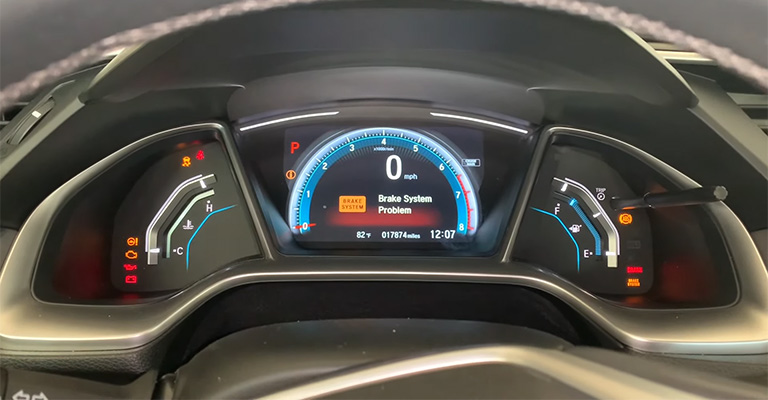
Modern Honda Civics are equipped with sophisticated diagnostic systems that illuminate warning lights to alert drivers to critical issues. The Brake System Warning Light typically indicates low brake fluid, a parking brake engaged, or a hydraulic system pressure differential. The ABS Light (Anti-lock Braking System) illuminates when there’s a fault within the ABS system itself, such as a faulty wheel speed sensor or ABS control module. The VSA (Vehicle Stability Assist) Light often accompanies the ABS light if a shared sensor or module is malfunctioning, as VSA relies heavily on ABS data for traction control and stability. These lights demand immediate attention to troubleshoot the underlying problem.
Reduced Braking Efficiency
A general feeling of inadequate stopping power or noticeably longer stopping distances is a critical symptom that should never be ignored. This could be due to severely worn brake pads, contaminated pads (e.g., oil or grease), overheated (faded) brakes, or a major hydraulic system failure. Studies indicate that over 60% of brake-related accidents could be mitigated by addressing early warning signs. On average, brake pad wear indicators are designed to activate when pad thickness drops below 2-3mm, yet many drivers overlook this. NHTSA data shows brake system component failure is a leading cause of vehicle inspection failures, highlighting the importance of recognizing these issues proactively.
Pinpointing the Root Causes of Honda Civic Brake Malfunctions


Identifying the precise root cause of a brake problem in a Honda Civic requires a systematic approach, understanding how each component contributes to the overall braking function. My experience over the years reveals consistent patterns in component failure.
Wear and Tear on Brake Pads and Rotors
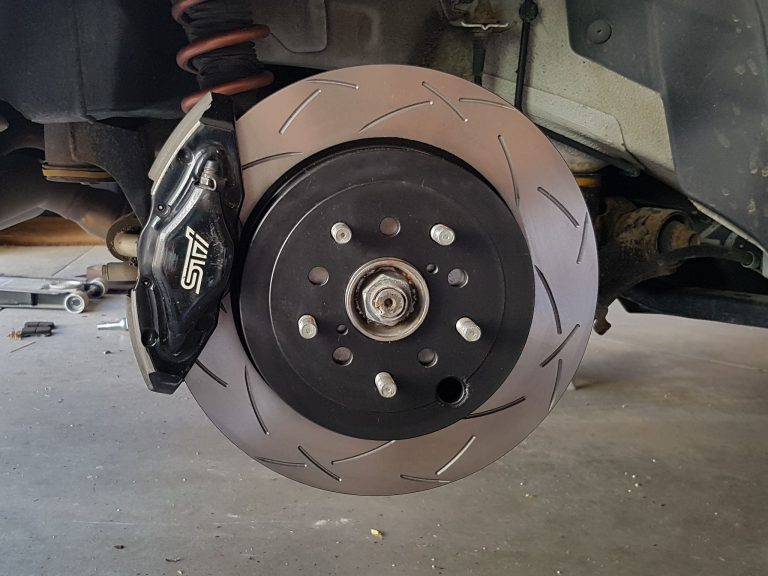
The most common cause of brake issues is the natural degradation of friction materials. Brake pads wear down over time due to friction. Once the friction material is depleted, braking efficiency plummets, and metal-on-metal grinding occurs. Rotors can also wear thin, develop grooves, or become “warped” (more accurately, exhibiting excessive runout) due to uneven heat distribution and repeated thermal cycles. A 2015 Honda Civic exhibiting severe vibration during braking, later attributed to excessively warped front rotors due to repetitive hard braking, exemplifies this. On average, Honda Civic brake pads require replacement every 30,000-70,000 miles, while rotors typically last for two sets of pads, depending on driving habits and component quality.
Hydraulic System Failures
The hydraulic system is the backbone of modern braking. Low or contaminated brake fluid is a frequent culprit. Brake fluid is hygroscopic, meaning it absorbs moisture over time. Water in the fluid significantly lowers its boiling point, leading to “brake fade” under heavy use, and can cause internal corrosion. A 2019 Civic experiencing a gradually sinking brake pedal, ultimately traced to a failing master cylinder with internal bypassing, highlights another critical hydraulic issue where the master cylinder fails to hold pressure. Brake booster vacuum leaks can also create a hard pedal, as the booster relies on engine vacuum to multiply the force applied to the master cylinder.
Caliper and Wheel Cylinder Problems
Brake calipers (front) and wheel cylinders (rear, in drum brake systems) are responsible for pressing the pads against the rotors. Seized calipers are a prevalent issue, often caused by corrosion on the caliper piston or neglected, unlubricated slider pins. This prevents the caliper from retracting fully or applying pressure correctly, leading to uneven pad wear, pulling, and overheating. Leaking piston seals within calipers or wheel cylinders result in fluid loss and a spongy pedal. Over 15% of brake system failures are linked to hydraulic component degradation, emphasizing the need to resolve these issues promptly.
Brake Line and Hose Integrity
Brake lines (hard lines) and hoses (flexible lines) transport hydraulic fluid under high pressure. Over time, corrosion can compromise hard lines, especially in regions with road salt. Flexible brake hoses can develop cracks, bulges, or internal delamination, restricting fluid flow or acting like a one-way valve. This can lead to a pulled vehicle during braking or even a complete loss of braking in one wheel, making it critical to inspect their integrity regularly.
Anti-lock Braking System (ABS) and Vehicle Stability Assist (VSA) Component Faults
While not directly involved in basic stopping power, ABS and VSA systems are crucial for vehicle control and safety. Malfunctions here are often electronic. Common problems include faulty ABS sensors or wheel speed sensors (WSS), which provide data on wheel rotation. A 2010 Civic with a persistent ABS light, found to have a corroded front right wheel speed sensor, perfectly illustrates this. Issues can also stem from the ABS control module or hydraulic control unit (HCU), which manage fluid pressure to individual wheels during emergency braking or stability interventions. These complex components require specialized diagnostic tools to debug accurately.
By The Numbers
Miles for Brake Pad Replacement
Recommended Brake Fluid Flush Interval
Moisture Content for Fluid Degradation
Brake Failures Due to Hydraulic Degradation

Advanced Diagnostic Procedures for Honda Civic Brake Issues


Accurate diagnosis is the cornerstone of any effective brake repair. Without systematically pinpointing the exact cause, any repair is a gamble. As a seasoned technician, I employ a multi-faceted approach, combining meticulous visual inspection with specialized tools to precisely identify the problem. This methodology ensures we don’t just treat symptoms but truly resolve the underlying issue.
📋
Step-by-Step Diagnostic Guide
Lift the vehicle and remove the wheels. Examine brake pads for wear patterns and thickness, rotors for scoring, warping, or cracks, and calipers for leaks, rust, or seized slider pins. Inspect all visible brake lines and hoses for corrosion, cracks, bulges, or signs of fluid leaks. This initial step is critical as a full brake system inspection typically includes over 20 critical checkpoints, identifying many obvious causes.
Using specialized diagnostic tools such as a brake fluid refractometer or electronic tester, test the fluid for moisture content and contamination. A refractometer revealing 4.2% moisture in a 2016 Civic, for instance, indicates an immediate need for a fluid flush, as moisture over 3% significantly compromises fluid integrity. Modern brake fluid testers can provide accurate moisture readings within seconds, a crucial factor in preventive maintenance.
Employ a vacuum gauge to test the brake booster for proper operation and potential leaks. A vacuum test on a 2014 Civic’s brake booster showing fluctuating readings, for example, confirms a booster diaphragm leak. Pressure gauges are used at various points in the hydraulic system to assess master cylinder performance and identify blockages or restrictions in brake lines, helping to troubleshoot pressure differentials.
Connect an advanced diagnostic scan tool to the vehicle’s OBD-II port. This allows retrieval of Diagnostic Trouble Codes (DTCs) from the ABS, VSA, and powertrain control modules. A technician using an OBD-II scanner on a 2018 Civic identifies a C1201 fault code for an ABS pump motor circuit malfunction, instantly narrowing down the diagnostic path. The scan tool also monitors live data from wheel speed sensors and other components, and can perform actuator tests on ABS valves or the pump motor to confirm function. Certified diagnostic scan tools provide precise data, with some advanced models offering bi-directional control for component testing, greatly assisting to debug complex electronic faults.
Once initial inspections are complete, a controlled road test is essential to replicate symptoms under various conditions. This involves evaluating pedal feel during normal and hard braking, observing for pulls or drifts, listening for noises, and verifying ABS/VSA activation. This dynamic assessment confirms the diagnostic findings and helps fine-tune the repair strategy by observing the brake system in its operational environment to fully troubleshoot issues.
Professional Repair Strategies and Solutions for Honda Civic Brakes
Once the problem has been accurately diagnosed, implementing the correct repair strategy with quality components is paramount for safety and lasting performance. My extensive experience dictates precision and adherence to manufacturer specifications for every brake service. This is where we deliver a robust solution to the identified issues.
Brake Pad and Rotor Replacement
For worn pads and rotors, replacement is often the most direct solution. We discuss material choices with clients, recommending ceramic pads for quiet operation and minimal dust, or semi-metallic for more aggressive braking. For a 2020 Civic with worn pads and minor rotor runout, replacing pads with high-quality ceramic components and resurfacing the rotors could be a cost-effective solution, provided the rotors meet minimum thickness specifications. However, severely warped or thin rotors require complete replacement to resolve pulsation and ensure proper heat dissipation. Proper bedding procedures (controlled braking cycles) are crucial after installation to optimize friction material transfer and ensure maximum braking performance from day one.
Brake Fluid Flush and Bleeding
When brake fluid is contaminated or degraded, a complete fluid flush and replacement is necessary. This involves evacuating all old fluid from the master cylinder, lines, and calipers/wheel cylinders, then refilling with fresh, manufacturer-specified DOT fluid. A 2013 Civic requiring a full brake fluid flush after discovering significant contamination and a spongy pedal is a common scenario. Following the flush, thorough bleeding of the hydraulic system is essential to eliminate any trapped air, which is the primary cause of a spongy pedal. This often involves sequential bleeding at each wheel, starting with the furthest from the master cylinder. Brake fluid should be flushed at least every two years or 30,000 miles for most Honda Civics to maintain optimal performance.
Brake Caliper and Wheel Cylinder Service/Replacement
For seized calipers or leaking wheel cylinders, the repair depends on the extent of the damage. If only the slider pins are corroded, they can often be cleaned, lubricated, and replaced. If the caliper piston is seized or the seals are leaking, a caliper rebuild kit may be used, but more often, complete unit replacement is the more reliable and time-efficient repair, especially when severe corrosion or damage is present. Replacing a completely seized rear caliper on a 2016 Civic to resolve persistent pulling and uneven pad wear provides an immediate and lasting solution. Similarly, leaking wheel cylinders are typically replaced outright.
Master Cylinder and Brake Booster Replacement
Issues with the master cylinder or brake booster necessitate replacement. Replacing the master cylinder involves careful removal of old unit, proper bench bleeding of the new unit (to prevent air from entering the primary hydraulic circuit), and then installation and full system bleeding. For brake booster replacement, the unit is often located behind the master cylinder and requires careful disconnection from the pedal assembly and vacuum lines. These are critical safety components, so professional installation is non-negotiable to ensure the repair effectively restores braking performance.
ABS/VSA Component Repair
Repairing ABS/VSA faults typically involves replacing the specific faulty component. This could be an ABS sensor or wheel speed sensor if a fault code points to it. Sometimes, damaged wiring leading to these sensors is the problem, requiring wire repair or harness replacement. In more complex cases, such as an internal fault within the ABS module or hydraulic control unit, these expensive components may need replacement. While some modules can be rebuilt or repaired by specialists, often a new or re-manufactured unit is installed and then programmed to the vehicle using specialized dealer-level diagnostic tools to debug any remaining electronic issues.
Brake Line and Hose Replacement
Compromised brake lines or hoses are a severe safety hazard. Replacing corroded hard lines involves carefully bending new steel or nickel-copper lines to match the original routing, flaring ends, and securing them with proper fittings. Flexible brake hoses that are cracked, bulging, or restricting flow are replaced with new units, ensuring proper routing away from moving suspension components and secure connections. After any line or hose replacement, a full system bleed is mandatory to remove air and restore hydraulic pressure, providing a complete workaround for fluid integrity issues.
Always use the correct torque specifications for lug nuts (typically 80 ft-lbs for Civics) and caliper bolts. Improper torque can lead to dangerous situations such as wheel detachment or brake component failure. Safety-critical components demand professional attention.
Preventative Maintenance for Sustained Honda Civic Brake Performance
Preventative maintenance is the most effective strategy for extending the lifespan of your Honda Civic’s braking system and avoiding unexpected failures. Proactive care ensures consistent performance and reduces long-term ownership costs. My experience shows that diligent preventative measures are always a superior solution to reactive repairs.
Extended Component Life
Consistent maintenance can extend the lifespan of brake components by up to 25-30%, delaying costly replacements.
Enhanced Safety Assurance
Reliably functioning brakes provide optimal stopping power, significantly improving overall vehicle safety for you and others.
Predictable Performance
Maintain a consistent and responsive brake pedal feel, eliminating spongy or hard pedal sensations.
Cost Savings Over Time
Preventing small issues from escalating into major failures reduces the need for expensive, extensive repairs.
Adherence to Regular Brake Inspections
Schedule professional brake inspections at least every 6 months or 5,000-7,500 miles, coinciding with oil changes or tire rotations. These inspections involve checking pad thickness, rotor condition, caliper function, fluid levels, and brake line integrity. A 2022 Civic owner who performs consistent brake inspections typically sees their brake pads and rotors last significantly longer than average, catching minor issues before they become major problems to troubleshoot.
Timely Brake Fluid Flushes and Replacements
Brake fluid is hygroscopic and degrades over time, absorbing moisture and losing its effectiveness. The Honda Civic owner’s manual typically specifies brake inspection intervals and brake fluid replacement schedules, usually every 2-3 years regardless of mileage. Timely fluid flushes prevent moisture contamination, maintain a high boiling point, and inhibit internal corrosion within critical hydraulic components like the master cylinder and ABS module. Brake fluid costs are minimal compared to the cost of replacing worn calipers or master cylinders due to neglect.
Selection of Quality Brake Components
When replacements are necessary, always opt for high-quality brake pads and rotors. While genuine Honda OEM brake parts often ensure optimal fitment and performance, reputable aftermarket brands also offer excellent alternatives. Choosing the right components for your driving conditions (e.g., heavy city driving vs. highway commuting) can significantly impact wear rates and performance, contributing to a lasting solution.
Practicing Conscientious Driving Habits
Your driving style directly influences brake wear. Practicing smooth, gradual braking, avoiding aggressive stops, and utilizing engine braking (downshifting to let the engine slow the vehicle) can dramatically reduce heat buildup and wear on your brake components. Educating a driver on how ‘engine braking’ down long declines can dramatically reduce heat buildup and wear on the brake components of their Civic helps resolve premature wear.
Monitoring Tire Pressure and Alignment
While not directly part of the brake system, properly inflated tires and correct wheel alignment indirectly impact brake wear. Uneven tire wear caused by improper alignment can lead to the vehicle pulling, which drivers may unconsciously counteract with uneven braking, accelerating wear on one side of the vehicle. Ensuring proper tire rotation and alignment on a 2014 Civic helps prevent uneven brake wear, contributing to overall brake system longevity.
Keep your Civic’s wheels clean, especially around the brake calipers. Excess brake dust and road grime can accelerate corrosion on caliper components and slider pins, leading to premature seizing. A simple rinse during car washes can make a difference.
Timely and accurate identification of brake system symptoms is crucial for preventing more severe failures and ensuring driving safety. Systematic diagnosis, utilizing both visual inspection and advanced tools, is essential to pinpoint the precise root cause of any Honda Civic brake problem. Professional repairs with quality components, combined with diligent preventative maintenance, are key to extending the lifespan and ensuring the reliable performance of your Honda Civic’s braking system, offering a comprehensive solution. If you observe any of the discussed brake system symptoms in your Honda Civic, it is imperative to consult a certified automotive technician immediately to ensure your vehicle’s safety and performance.
Frequently Asked Questions
Why are my Honda Civic brakes squealing?
Squealing brakes are commonly caused by worn brake pads nearing replacement, requiring attention. It can also indicate glazed rotors, brake dust accumulation, or improper pad installation. High-quality semi-metallic pads sometimes produce noise, but persistent squealing in a Civic typically signals it’s time for a professional inspection and potential pad/rotor service to ensure optimal braking performance and safety.
What does a spongy brake pedal indicate in a Honda Civic?
A spongy or soft brake pedal in a Honda Civic often points to air within the hydraulic system, a low brake fluid level, or a failing master cylinder. Air ingress can happen after a component replacement or due to a leak. Low fluid usually indicates a leak somewhere in the system. A compromised master cylinder cannot build adequate pressure. Immediate diagnosis is critical to prevent complete brake failure.
How often should I replace brake pads on my Honda Civic?
Brake pad lifespan for a Honda Civic varies significantly based on driving habits and conditions, typically ranging from 30,000 to 70,000 miles. Aggressive driving or frequent city stops reduce life. It’s recommended to have your brakes inspected every 6 months or 5,000-7,500 miles. Replacement is necessary when pads wear down to about 3-4mm thickness, as indicated by wear indicators or visual inspection.
Can I drive my Honda Civic with the ABS light on?
While your Honda Civic’s regular braking system may still function if the ABS warning light is on, it indicates that the Anti-lock Braking System is disabled. This means your wheels could lock up under hard braking, potentially leading to a loss of control. Driving is not recommended for extended periods without professional diagnosis, as it compromises a critical safety feature and could indicate other underlying brake system issues.
What are common causes of brake pulsation in a Honda Civic?
Brake pulsation, felt as a vibration through the pedal or steering wheel, is most frequently caused by warped or unevenly worn brake rotors. Overheating during heavy braking can lead to rotor distortion. Other less common causes include loose wheel bearings, a defective caliper, or issues with suspension components. It necessitates inspection to identify the precise cause and restore smooth, effective braking.