Best Years For Honda Odyssey: A Curated Selection For Reliability And Value
Best Years For Honda Odyssey: A Curated Selection For Reliability And Value
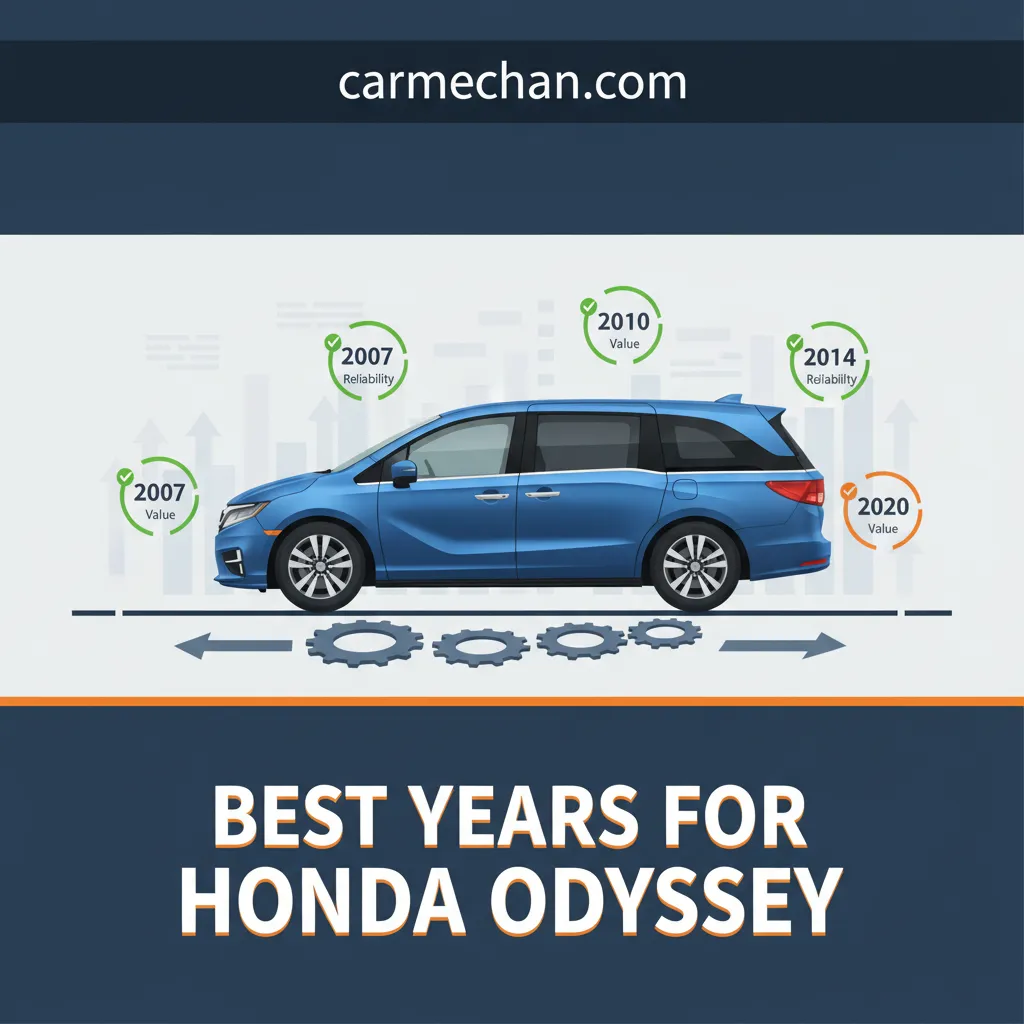
The Honda Odyssey stands as a perennial favorite in the minivan segment, renowned for its family-friendly utility, robust performance, and Honda’s signature reliability. However, navigating the used car market to pinpoint the ‘best’ years for a Honda Odyssey can be challenging, as reliability, features, and value can vary significantly across its multiple generations and model years. This expert-curated guide will meticulously detail the top-ranked Honda Odyssey model years, outlining their key advantages and potential drawbacks, equipping you with the essential knowledge to make an informed and confident purchasing decision.

Prime for Young Adults — 6 Months Free
Students and 18–24s get six months of Prime free, then half price.
Start 6 Months FreeThe Enduring Legacy of the Honda Odyssey Minivan: Understanding Generations
Recommended Best Deal Products


📤 Share Image
Since its North American debut in 1995, the Honda Odyssey has cemented its position as a formidable contender in the minivan segment, consistently rivaling models like the Toyota Sienna. Its prominence stems from a reputation for dynamic driving characteristics, unparalleled interior flexibility, and Honda’s signature commitment to engineering quality and durability. This unwavering focus has allowed the Odyssey to maintain a significant market presence, with Honda often scoring above average in consumer reliability surveys, such as those conducted by Consumer Reports.
A Brief Generational Overview
The Odyssey’s evolution across its distinct generations showcases a continuous pursuit of family-centric innovation:
- First Generation (1995-1998): Built on an Accord platform, this initial offering featured conventional hinged doors.
- Second Generation (1999-2004): A pivotal shift saw the introduction of a larger platform and crucial power sliding rear doors, establishing the blueprint for the modern minivan.
- Third Generation (2005-2010): Further refined cabin space and incorporated more advanced amenities, solidifying its appeal.
- Fourth Generation (2011-2017): Focused on enhanced driving dynamics and innovative family features, often garnering high consumer satisfaction.
- Fifth Generation (2018-Present): Marked by significant technological advancements, a refreshed design, and a strong emphasis on active safety.
To define the ‘best’ years within this impressive legacy, we evaluate several primary metrics: long-term reliability, manageable ownership costs (encompassing maintenance, repairs, and fuel economy), robust feature sets that remain relevant, and strong resale value. For many families, an Odyssey ownership period frequently stretches 10 to 15 years, underscoring the intrinsic durability and built-in longevity that defines the Honda brand.
Ranked for Robust Reliability: The 2014-2017 Honda Odyssey (Fourth Generation Refinement)
For prospective used minivan buyers, the 2014-2017 Honda Odyssey models consistently rise to the top of our ranked recommendations. This period represents a sweet spot for the fourth generation, offering an exceptional blend of proven reliability, strong feature content, and excellent value retention, making them particularly popular for used vehicle acquisition.
Powertrain Stability and Performance
A core strength of these model years lies in their powertrain. The standard 3.5L V6 engine (J35Y6), producing 248 horsepower, paired with the 6-speed automatic transmission (introduced across the lineup from the significant 2014 model year refresh), is widely regarded for its exceptional stability and smooth operation. This combination delivers ample power for family hauling while providing commendable fuel efficiency. Critically, this iteration of the powertrain has demonstrably fewer reported mechanical issues compared to earlier transmission variants or some VCM-related concerns in other fourth-generation years, contributing to significantly lower long-term ownership costs. User testimonials frequently praise the longevity and consistency of these powertrains, with many owners reporting well over 200,000 miles with only routine maintenance.
Interior Refinements and Advanced Features
The interior of the 2014-2017 Odyssey received notable enhancements. Available features like the innovative HondaVAC built-in vacuum cleaner (on Touring Elite trims) offered unparalleled convenience for families. Honda’s LaneWatch™ blind-spot display system provided an extra layer of safety, and updated infotainment systems, while not as advanced as current offerings, were intuitive and reliable for their time. Owners appreciate the thoughtful design, spaciousness, and overall practicality of the cabin.
Safety and Value Retention
Safety was paramount, with these models earning the coveted IIHS Top Safety Pick+ rating in many configurations. Their reinforced ACE™ (Advanced Compatibility Engineering™) body structure consistently achieved ‘Good’ ratings in all major crash test categories. In terms of long-term ownership, the J.D. Power Vehicle Dependability Study (VDS) scores for 2014-2017 Odyssey models frequently positioned them above the segment average, directly reflecting their robust reliability. Furthermore, their average market depreciation rates indicate a remarkably strong resale value, making them a fiscally sound choice for a used vehicle.

Audible — Listen Free for 30 Days
One free credit a month and thousands of titles included.
Listen Free for 30 DaysProven Powertrain
Reliable 3.5L V6 and 6-speed automatic with minimal reported issues.
High Safety Ratings
IIHS Top Safety Pick+ and robust ACE™ body structure.
Strong Resale Value
Lower depreciation rates indicate a wise investment for used buyers.
Family-Friendly Features
Innovations like HondaVAC and a spacious, versatile cabin.
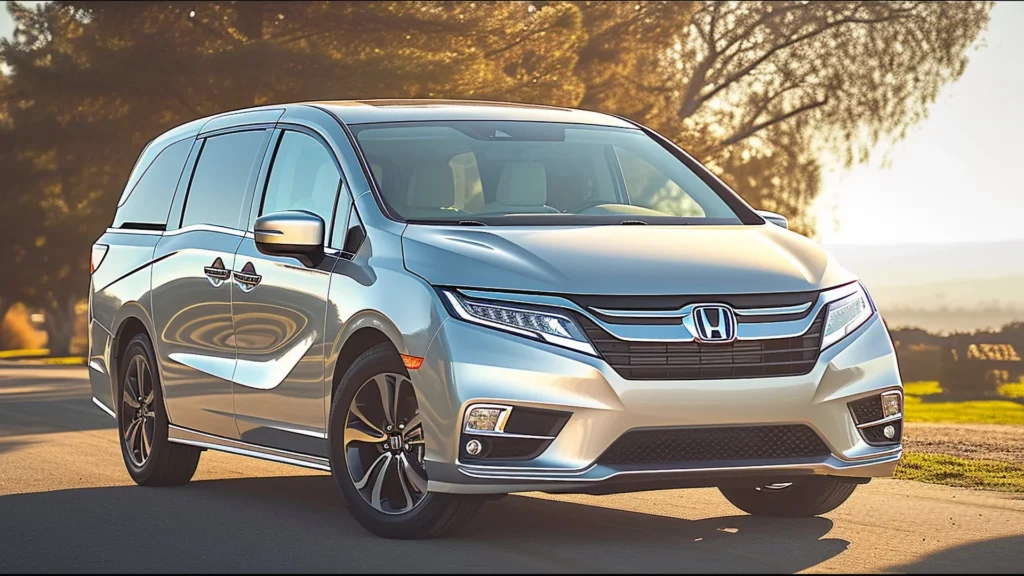
Curated for Modernity: The 2018-Present Honda Odyssey (Fifth Generation Innovations)
Recommended Best Deal Products


The fifth generation of the Honda Odyssey, launched in 2018, represents a significant leap forward in design, technology, and driving refinement. This collection of models is curated for contemporary buyers seeking a premium minivan experience with cutting-edge features and enhanced safety, making them a top selection for those prioritizing modernity.
Advanced Powertrain and Driving Dynamics
A standout feature from 2018 onwards is the introduction of the new 10-speed automatic transmission (initially on higher trims like EX-L Navi, Touring, and Elite, and later becoming more widespread). Paired with the robust 3.5L V6 engine, this transmission dramatically improved both fuel efficiency—with EPA estimated figures of 19 city/28 highway MPG—and driving dynamics. The wider gear ratio spread ensures smoother, more responsive acceleration and improved highway cruising refinement, contributing to a more engaging and comfortable driving experience.
Comprehensive Safety and Driver-Assistive Technologies
The fifth generation significantly elevated safety standards with the wide availability, and later standardization, of the Honda Sensing® suite. This comprehensive package includes critical features such as:
- Collision Mitigation Braking System™ (CMBS™): Automatically applies brake pressure to help mitigate potential collisions.
- Road Departure Mitigation System (RDM): Assists in preventing the vehicle from unintentionally leaving the road.
- Adaptive Cruise Control (ACC): Maintains a set following distance from the vehicle ahead.
- Lane Keeping Assist System (LKAS): Helps keep the vehicle centered in a detected lane.
These advancements contributed to the 2018+ models consistently earning a NHTSA 5-star overall safety rating. With over 70% of new car buyers now prioritizing advanced safety features, these models are particularly appealing.
Interior Innovation and Modern Design
Inside, the fifth generation introduced groundbreaking innovations to enhance versatility and family connectivity. The revolutionary Magic Slide® 2nd-row seats allow outboard seats to move laterally, providing easier access to the third row or creating space between occupants. Technology like CabinWatch™ (a rear-cabin camera display on the infotainment screen) and CabinTalk™ (an in-car PA system) allows drivers to monitor and communicate with rear passengers effectively. The infotainment system was also upgraded to include seamless Apple CarPlay and Android Auto integration as standard on most trims, meeting contemporary connectivity demands. Overall ride comfort, noise isolation, and a sleeker, more sculpted exterior design further contribute to a refined, premium aesthetic. Trim levels such as Touring and Elite boast exclusive offerings that cater to buyers seeking the utmost in luxury and technology.
Audible Premium Plus — Annual Membership
12 audiobook credits up front, plus the full Audible catalogue.
See Annual Plans10-Speed Transmission
Enhanced fuel efficiency and smooth, responsive driving dynamics.
Honda Sensing® Suite
Standard or widely available advanced safety and driver-assistive technologies.
Magic Slide® Seats
Revolutionary 2nd-row seating for ultimate versatility and access.
Modern Connectivity
Apple CarPlay/Android Auto, CabinWatch™, and CabinTalk™ for family convenience.
Essential Considerations for Budget-Conscious Buyers: The 2009-2010 Odyssey (Third Generation’s Final Iteration)
For buyers with a more constrained budget seeking a reliable and spacious family vehicle, the final model years of the third-generation Honda Odyssey—specifically the 2009 and 2010 models—offer an essential and attractive entry point into Odyssey ownership. These years precede many of the more widespread Variable Cylinder Management (VCM) concerns that affected some subsequent models, presenting a robust and cost-effective option, provided specific inspection criteria are met.
Proven Powertrain and Value
The 3.5L V6 engine (J35A7/J35A6) in these models, particularly those without or with a less problematic iteration of Variable Cylinder Management (VCM), generally demonstrates remarkable longevity and durability. This power plant is capable of high mileage when properly maintained. These model years offer a significantly more affordable entry point into Odyssey ownership, typically found in the $6,000-$10,000 range, a substantial saving compared to the $15,000-$25,000 for a fourth-generation model. Despite their age, they retain core utility, a spacious cabin, reliable climate control, and often include features like a rear-seat entertainment system, which were advanced for their time and remain highly relevant for family road trips today.
Critical Pre-Purchase Inspection Points
When considering a 2009-2010 Odyssey, a thorough pre-purchase inspection is paramount. Key areas to scrutinize include:
- Suspension Components: Inspect shocks, struts, and control arm bushings for wear, leaks, or looseness.
- Power Steering System: Check for leaks from the pump or hoses, and listen for any groaning noises during turns.
- Sliding Doors: Verify smooth operation, check rollers, and ensure electric motors function correctly.
- General Wear and Tear: Examine interior plastics, upholstery, and exterior trim for condition commensurate with age and mileage.
The importance of comprehensive maintenance records cannot be overstated for vehicles of this vintage. A meticulously maintained 2009-2010 model, with consistent fluid changes and timely preventative repairs, can often prove to be a more reliable and cost-effective purchase than a neglected newer vehicle.
Focus on examples with documented proof of regular transmission fluid changes (every 30,000-60,000 miles is ideal for these older automatics) to mitigate potential issues. The J35 V6 engine, when properly serviced, is known to reach well over 250,000 miles.
Must-Know Cautions: Honda Odyssey Years to Approach with Due Scrutiny
Recommended Best Deal Products


While the Honda Odyssey boasts a strong reputation for reliability, certain model years or generations are known for specific, potentially costly issues. Prospective buyers should be equipped with this must-know information to make informed decisions or undertake targeted preventative measures.
Early Third-Generation Transmission Concerns (2005-2006)
The 2005 and 2006 model years of the third-generation Odyssey are particularly noted for a higher incidence of automatic transmission failures. Owners reported symptoms such as harsh shifting, delayed gear engagement, or complete transmission failure. NHTSA complaint data shows a statistically higher volume of transmission-related issues for these specific years compared to others. Repair costs for a transmission rebuild or replacement can be substantial, often ranging from $3,000 to $5,000 or more, making a pre-purchase inspection of the transmission fluid’s condition and a thorough test drive absolutely critical.
Variable Cylinder Management (VCM) Issues (2011-2013, some other years)
Honda’s Variable Cylinder Management (VCM) system, designed to improve fuel economy, has been a significant source of contention for some fourth-generation models, notably 2011-2013 (though concerns can extend to other VCM-equipped years). Common problems include:
- Excessive oil consumption: Owners frequently report needing to add oil between scheduled changes.
- Engine misfires (P030X codes): Caused by fouled spark plugs due to oil entering the combustion chambers of deactivated cylinders.
- Premature piston ring wear: Long-term VCM operation can lead to oil blow-by and engine damage.
While aftermarket “VCM muzzlers” or disablers can prevent the system from engaging, they do not reverse existing engine wear. Consumer Reports reliability ratings for these years often reflect these VCM-related concerns, showing below-average engine reliability.
Other Prevalent Issues to Monitor
Beyond transmissions and VCM, other issues to be aware of include:
- Power Steering Pump Failures: Common in third-generation models, leading to leaks, noise, or loss of assist.
- AC Compressor Issues: Failures resulting in refrigerant leaks or insufficient cooling, especially in third and early fourth generations.
- Premature Brake Wear: Particularly for rear brakes, which some owners find wear out faster than expected.
- Rust Spots: On older models, inspect areas like the rear wheel wells and liftgate for corrosion, especially in regions with road salt.
A professional pre-purchase inspection should specifically look for symptoms of these known problems, including checking for active trouble codes, fluid conditions, and any signs of repeated repairs in the vehicle’s service history.
If considering a 2005-2006 Odyssey, a transmission specialist’s inspection is almost mandatory. For 2011-2013 models with VCM, closely monitor oil levels and inspect spark plugs. Be prepared for potential repair costs if issues are present or imminent, which can easily exceed $2,000 for VCM-related engine work.
Popular Factors for an Informed Odyssey Purchase: Beyond Just the Model Year
While identifying the “best” model years is crucial, a truly informed purchase of a used Honda Odyssey extends beyond a simple calendar check. The individual vehicle’s condition, its maintenance history, and comprehensive inspection results are equally, if not more, critical determinants of long-term satisfaction and reliability. These are the popular factors that smart buyers prioritize.
The Indispensable Value of Due Diligence
📋
Your Odyssey Purchase Checklist
Invest in a comprehensive report from services like CarFax or AutoCheck. This document is crucial for uncovering accident history, salvage titles, flood damage, inconsistent service records, or major repairs. It provides a transparent look into the vehicle’s past that mere visual inspection cannot.
This step is non-negotiable, regardless of the vehicle’s age or mileage. Have a trusted, independent mechanic—ideally one familiar with Honda models—perform a thorough PPI. They will meticulously assess the engine, transmission, suspension, brakes, electrical systems, fluids, and look for specific Odyssey vulnerabilities. Studies show that a PPI can save buyers an average of $2,000 in unforeseen repairs.
Don’t let mileage alone dictate your decision. A higher-mileage Odyssey (e.g., 150,000 miles) from a ‘good’ year (2014-2017) that has been meticulously maintained with a complete service history is often a superior purchase to a low-mileage (e.g., 70,000 miles), neglected one from the same or even a “better” year. Proper maintenance can extend a vehicle’s lifespan significantly, with well-maintained examples often lasting 50,000-100,000 miles longer than those poorly maintained.
Familiarize yourself with the various trim levels: LX, EX, EX-L, Touring, and Elite. Each offers a different suite of features. For instance, an EX-L often adds leather seats, a moonroof, and a power liftgate, while Touring and Elite introduce navigation, premium audio, and advanced safety features. Knowing what each trim entails is essential to match the vehicle to your specific needs and budget, ensuring you don’t overpay or miss out on desired amenities.
By diligently following these steps, you enhance your chances of securing a reliable, value-dense Honda Odyssey that serves your family well for years to come.
Conclusion
This expert-curated guide has meticulously examined the Honda Odyssey’s generational advancements and identified its standout model years. The 2014-2017 models represent a peak in reliability and value for the fourth generation, offering a compelling balance of proven performance and essential features. For those seeking the latest in automotive technology and comprehensive safety, the 2018-Present fifth generation provides a modern and refined minivan experience. While older models like the 2009-2010 can offer excellent budget-friendly options, certain years, such as the early third generation (2005-2006) with transmission concerns, and some early fourth-generation models (2011-2013) with VCM-related issues, require careful scrutiny and a targeted inspection.
Armed with this comprehensive insight, confidently explore the Honda Odyssey market. Prioritize a thorough pre-purchase inspection by a trusted mechanic and diligently review service history and vehicle reports to secure a reliable vehicle that perfectly suits your family’s needs and budget.
Frequently Asked Questions
Is the Honda Odyssey generally considered a reliable vehicle?
Yes, the Honda Odyssey generally holds a strong reputation for reliability, especially when well-maintained. Its robust V6 engine and consistent engineering across generations contribute to its longevity. While certain model years have specific known issues, overall, it remains one of the most dependable minivans on the market, frequently earning favorable consumer ratings for durability and fewer unscheduled repairs.
What common problems should I specifically look for in a used Honda Odyssey?
When evaluating a used Honda Odyssey, pay close attention to potential transmission issues in 2005-2006 models, and Variable Cylinder Management (VCM) related oil consumption or misfires in 2008-2013 V6 engines. Also, inspect for power steering pump leaks, AC compressor failures, and listen for suspension noises. A comprehensive pre-purchase inspection by a qualified mechanic is highly recommended.
How long do Honda Odysseys typically last with proper maintenance?
With diligent maintenance, a Honda Odyssey can reliably last for 200,000 to 250,000 miles or even more. Many owners report reaching these milestones without major powertrain issues. Regular oil changes, timely fluid flushes, and addressing minor repairs promptly are crucial for extending the vehicle’s lifespan and ensuring its continued dependable performance for many years.
What is VCM in the Honda Odyssey and should I be concerned about it?
VCM, or Variable Cylinder Management, is a system designed to improve fuel economy by deactivating cylinders during light-load cruising. While beneficial for efficiency, it has been linked to issues like excessive oil consumption, misfires, and premature spark plug wear in some 2008-2013 models. Researching VCM-related service bulletins and considering a VCM deactivation device (if applicable) can mitigate concerns.
Is it better to buy an older Honda Odyssey with lower mileage or a newer one with higher mileage?
The decision between an older, lower-mileage and a newer, higher-mileage Honda Odyssey depends on several factors beyond just the odometer. A newer vehicle with higher mileage might still have a more modern feature set and less overall wear from age, provided it was well-maintained. Conversely, an older, low-mileage car could have age-related issues. Prioritize condition, maintenance history, and a pre-purchase inspection over mileage alone.