How Long Does It Take to Make a Car? Production Speed & Stages
Last Updated on September 1, 2026 by Ryan
A modern car typically undergoes around 18-35 hours of direct labor on the assembly line, transforming from raw materials to a finished vehicle. While direct labor is efficient, the total factory throughput time for a single car can range from 3 to 5 days, accounting for all stages like stamping, body shop, paint shop, and general assembly. This rapid process is achieved through highly automated systems and synchronized logistics, optimizing every step of production.
🎯 Key Takeaways


- Direct car assembly involves 18-35 labor hours per vehicle.
- Total factory throughput for one car is usually 3-5 days.
- Modern production relies heavily on automation for speed.
- Car complexity and model type influence build duration.
- Manufacturing is a highly optimized, continuous process.
How long does it truly take to manufacture a modern car? The straightforward answer might surprise you: a typical vehicle undergoes direct assembly for anywhere from 18 to 35 direct labor hours. However, the total factory throughput time, from bare metal entering the plant to a fully finished car rolling off the line, generally spans 2 to 3 days. This distinction is crucial for understanding the intricate dance of modern automotive production.

Knowing these timelines isn’t just a matter of curiosity; it reflects the incredible efficiency, advanced automation, and complex logistics that define today’s auto industry. For manufacturers, optimizing every minute is key to meeting global demand, managing vast supply chains, and delivering vehicles to customers promptly. For consumers, it offers insight into the monumental effort behind the car you drive.
Understanding the Modern Car Manufacturing Timeline


When we talk about the speed of car manufacturing, it’s essential to differentiate between the actual hands-on labor hours and the total time a vehicle spends moving through the production facility. Both metrics paint a picture of efficiency, but they measure different aspects of the process.
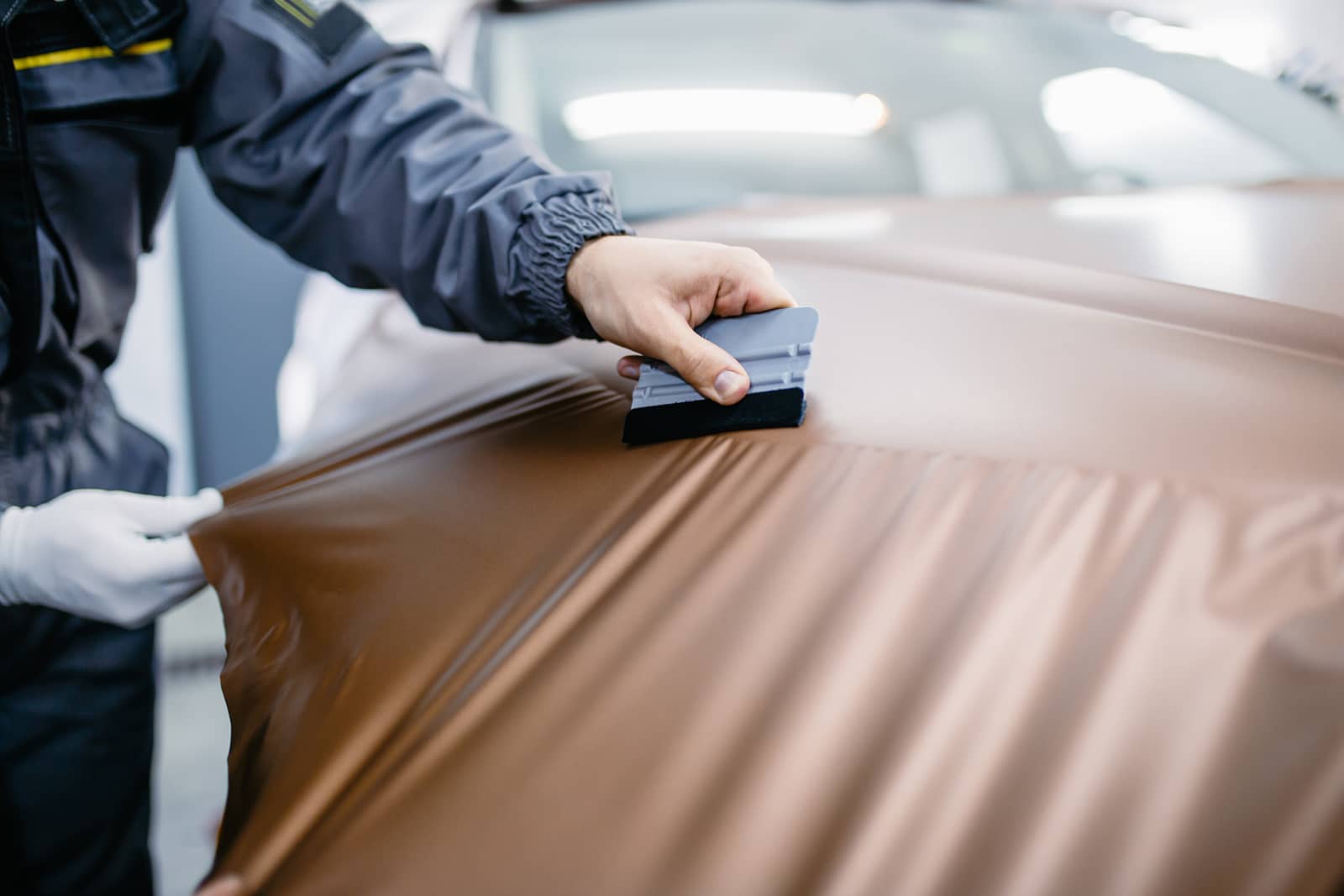
The Difference Between Direct Labor and Total Throughput
- Direct Labor Hours: This figure quantifies the cumulative time employees and automated systems spend actively working on a single vehicle. It’s the sum of all assembly tasks. For example, a highly automated Tesla Model 3 can achieve an impressively low figure, sometimes estimated at 10-15 direct labor hours. More traditional internal combustion engine (ICE) vehicles might range from 20-30 hours, while complex luxury or high-performance models could exceed 35 direct labor hours due to bespoke features and intricate assembly.
- Total Factory Throughput Time: This represents the elapsed time from when raw materials (like sheet metal) first enter the factory gates until the completed, quality-checked vehicle exits. This includes not just active labor, but also passive times such as paint curing, movement between different workshops, automated checks, and brief holding periods. As mentioned, this typically falls within a 2 to 3-day window, meaning a car that begins its journey on Monday morning might be completed by Wednesday afternoon.
Influencing Factors: Why Production Times Vary So Much
Several critical variables dictate how quickly a car moves through the manufacturing process:
- Level of Automation: Factories with a higher degree of robotic automation, particularly in areas like welding and painting, significantly reduce direct labor hours and can accelerate throughput. Robots work tirelessly and precisely, often faster than human counterparts for repetitive tasks.
- Vehicle Complexity: A basic economy sedan will generally take less time to assemble than a premium SUV packed with advanced electronics, specialized interior finishes, and multiple powertrain options. Electric Vehicles (EVs) also present unique challenges, as battery pack integration is a complex, time-consuming step that differs from traditional engine installation.
- Factory Efficiency and Layout: Lean manufacturing principles, optimized factory layouts, and streamlined logistics can drastically cut down on wasted movement and idle time, improving overall throughput. Factories are designed for continuous flow.
- Supply Chain Logistics: The ability of suppliers to deliver parts “just-in-time” (JIT) directly impacts assembly speed. Delays in component delivery can halt or slow down production lines, increasing total throughput time.
The Ultimate Car Creation Walkthrough


Embarking on the journey of understanding how an automobile comes to life is to witness a marvel of modern engineering and logistics. This comprehensive guide breaks down the complex, multi-stage process of manufacturing a car, from raw materials to a finished vehicle rolling off the assembly line. While a single car moves through these steps in roughly a day, the orchestration behind it involves years of design and development. Following these steps helps demystify the incredible precision and coordination required to produce the vehicles we rely on daily.
Step 1: Body Shop Fabrication
What you need: Large steel coils (for body panels), high-tonnage stamping presses, robotic welding cells, jig and fixture systems, industrial-grade lubricants, advanced laser measurement equipment.
Instructions: The process begins with enormous coils of steel, precisely cut and fed into powerful stamping presses that form individual body panels (e.g., doors, fenders, roof, hood). These panels are then transported to the body shop where hundreds of robots, guided by intricate programming, weld them together with incredible precision. This creates the car’s unibody (or body-on-frame for trucks), forming the structural integrity and safety cage. The main sections—underbody, side panels, and roof—are typically assembled first, followed by the complete body shell.
Pro Tip: Achieving optimal panel fit and structural rigidity is paramount. Modern body shops utilize sophisticated laser scanning and acoustic testing systems to detect even microscopic imperfections in weld integrity and panel alignment early in this stage, preventing costly rework down the line.
Step 2: Paint Shop Preparation
What you need: Industrial degreasers, phosphate coatings, cathodic electrocoat (E-coat) tanks, rust inhibitors, purified water, large drying ovens, specialized conveyor systems.
Instructions: Once the body shell is fully assembled in the body shop, it moves into the paint shop. This stage is crucial for corrosion protection and paint adhesion. The bare metal body undergoes a rigorous multi-stage cleaning process, including high-pressure washes and chemical degreasing baths, to remove any oils or contaminants. It’s then submerged in a large tank for an electrocoat (E-coat) application, where an electrical charge attracts the rust-preventative primer uniformly to every surface, inside and out. After E-coat, the body is baked in a high-temperature oven to cure the primer, preparing it for subsequent paint layers.
Pro Tip: The E-coat process is the backbone of long-term corrosion resistance. Any skips or thin spots here will compromise the entire paint job’s durability. Ensure precise control of bath chemistry and electrical current for even coverage.
Step 3: Painting Process
What you need: Robotic paint sprayers, various basecoat paints (pigment), clear coat lacquers, electrostatic charging equipment, controlled dust-free environment (cleanrooms), additional drying ovens, sanding tools.
Instructions: Following the E-coat and baking, the body proceeds to the actual painting booths. These are highly controlled, dust-free environments to prevent imperfections. Robotic arms apply multiple layers of paint: first, the primer-surfacer (to smooth the E-coat), then the pigmented basecoat (for color), and finally, several layers of clear coat (for gloss, protection, and UV resistance). Each layer is applied with extreme precision, often using electrostatic charges to ensure uniform adherence and minimal overspray. After each layer, the body typically undergoes a flash-off period and then another bake cycle in an oven to cure and harden the paint.
Pro Tip: Consistent film thickness and curing temperature are vital for paint durability and aesthetic quality. Variations can lead to issues like “orange peel” texture or poor chip resistance. Regular calibration of robotic sprayers and oven temperatures is non-negotiable.
Step 4: General Assembly – Chassis & Powertrain
What you need: Engines, transmissions, exhaust systems, fuel tanks, suspension components (shocks, springs), brake assemblies, axles, wheels and tires, various hand tools, automated torque wrenches, lifts and conveyor systems.
Instructions: Once painted and inspected, the car body moves to the general assembly line. This is where the car truly starts to take shape as a functional vehicle. The “marriage” point is a critical step, where the painted body is lowered onto the pre-assembled chassis (which includes the engine, transmission, exhaust system, and suspension components). Robots and human technicians meticulously bolt these major assemblies together, connecting wiring harnesses, fuel lines, and brake lines. Wheels and tires are typically installed towards the end of this stage, allowing the vehicle to roll on its own.
Pro Tip: Precise torque application for all fasteners, especially those securing critical components like suspension and powertrain, is paramount for safety and reliability. Utilize automated torque wrenches with data logging capabilities to ensure every bolt meets specification.
Step 5: General Assembly – Interior & Electrics
What you need: Wiring harnesses, dashboards (pre-assembled), infotainment systems, seats, carpeting, door panels, airbags, steering columns, HVAC components, specialized clip and fastening tools.
Instructions: With the chassis and powertrain integrated, the focus shifts to the interior and electrical systems. Long, complex wiring harnesses are carefully routed throughout the vehicle. The dashboard, often assembled as a complete module off-line, is installed, followed by the steering column and pedal assembly. Technicians then install the heating, ventilation, and air conditioning (HVAC) system components, infotainment screens, and speakers. Seats, carpeting, and interior trim panels are fitted next, completing the cabin. Airbags and safety restraint systems are also carefully integrated during this stage.
Pro Tip: Electrical connections are a common point of failure if not done correctly. Employ visual verification systems and automated electrical testers to ensure every circuit is properly connected and functioning before moving to the next stage.
Step 6: General Assembly – Exterior Trim & Final Details
What you need: Doors, hoods, trunks (pre-painted), headlights, taillights, bumpers, grilles, exterior mirrors, windshields, side windows, various exterior trim pieces, specialized adhesive applicators.
Instructions: As the interior takes shape, the exterior components are added. Pre-painted doors, hood, and trunk lid are carefully hinged and aligned. The windshield and rear window are bonded into place using specialized adhesives, followed by the side windows. Headlights, taillights, bumpers (often pre-assembled with sensors and fog lights), grilles, and exterior mirrors are meticulously attached. All exterior trim, badges, and emblems are also applied. This stage brings the car’s aesthetic design to its final form, ensuring all panels align perfectly and all exterior features are functional.
Pro Tip: Panel gap and flushness are critical for premium feel and aerodynamics. Use precise alignment jigs and quality control checks at every step of exterior panel installation to ensure consistent fit and finish across all vehicles.
Step 7: Quality Control & Testing
What you need: Diagnostic computers, water leak test booths, wheel alignment machines, brake dynamometers, emissions testing equipment, sound measurement devices, a dedicated test track/roller dyno, human inspectors.
Instructions: The completed vehicle undergoes a rigorous gauntlet of quality control checks. This includes a “rain test” to ensure watertight seals, comprehensive electrical diagnostics to verify all systems (lights, infotainment, safety features) are working, and wheel alignment. Brake systems are tested on a dynamometer, and in some cases, emissions are checked. Finally, each car typically undergoes a short but thorough road test on a dedicated track or roller dyno to evaluate acceleration, braking, steering, and overall driving dynamics, checking for any unusual noises or vibrations before being cleared for shipment.
Pro Tip: Don’t rely solely on automated checks. A skilled human inspector’s sensory feedback (sight, sound, touch) during the final road test can often detect subtle issues that automated systems might miss, ensuring a truly defect-free product.
✅ Final Checklist
- All critical fasteners torqued to specification and visually verified.
- Electrical systems fully functional, including lights, infotainment, and safety features.
- Vehicle passes water ingress test with no leaks.
- Wheel alignment and brake performance verified within manufacturer tolerances.
- Exterior finish free of defects, and panel gaps/flushness are consistent.
Important Notes:
- Safety considerations: Always wear appropriate personal protective equipment (PPE) when handling heavy machinery, working with chemicals, or in high-noise environments. Follow lockout/tagout procedures during maintenance.
- When to seek professional help: For large-scale manufacturing, specialized engineering firms and industrial automation experts are essential for setting up and optimizing the production line. Complex issues in design, material science, or robotics require expert intervention.
- Estimated time and cost range: While a single car typically spends about 18-30 hours on the actual assembly line from bare body to finished product, the entire development cycle for a new model from concept to showroom can take 3-5 years. The cost to develop a new car platform can easily exceed $1 billion, and the manufacturing cost of a single unit varies wildly, from tens of thousands for economy cars to hundreds of thousands for luxury or specialized vehicles, not including profit margins or R&D recoup.
Key Stages of Automobile Production and Their Durations
Car manufacturing is a meticulously choreographed sequence of processes, traditionally broken down into four main shops. Each stage contributes uniquely to the overall timeline, with some being highly automated and others requiring significant human intervention.

📤 Share
💾 Download
Stage 1: Stamping (The Foundation)
This is where the car truly begins to take shape. Giant presses, exerting thousands of tons of force, stamp flat sheets of steel or aluminum into precise body panels—doors, hoods, fenders, roof panels, and structural components. This is a rapid process; individual panels are formed in mere seconds, contributing minimal active time to the overall clock for each part, but it’s the critical first link in the production chain. This stage is usually highly automated for speed and precision, ensuring a continuous supply of ready-to-assemble components.
Stage 2: Body Shop (The Skeleton)
In the body shop, the individual stamped panels are welded together to form the vehicle’s “body-in-white” (BIW) – the unpainted, complete shell of the car. This stage is the most highly automated segment of the entire process, with hundreds of robots performing thousands of spot welds. Modern car bodies can have upwards of 5,000 spot welds. Robots work with incredible speed and accuracy, fabricating the strong, rigid frame. While a single car might spend 4-8 hours of direct assembly time here (robot time mostly), its throughput time within this section of the factory could be around half a day as it moves from one robotic station to the next, undergoing multiple quality checks.
Stage 3: Paint Shop (The Skin)
Once the BIW is complete, it moves to the paint shop, often considered the bottleneck in terms of throughput time. Here, the body undergoes extensive cleaning, pre-treatment to prevent corrosion, multiple layers of primer, base coat (color), and clear coat. Each layer requires precise application and meticulous curing in large ovens. This stage is extremely sensitive to dust and contaminants, often requiring specialized, clean-room environments. Due to the necessary drying and curing times for each layer, a single vehicle typically spends the longest passive time here, usually 10 to 18 hours to pass through all the stages and emerge with a durable, high-quality finish. This extended duration is almost entirely passive wait time, not active labor.
Stage 4: General Assembly (Bringing it All Together)
This is where the car truly comes alive. The painted body is conveyed to the general assembly line, often the most labor-intensive stage. Here, thousands of components are installed: the engine and transmission (often pre-assembled as a “power module”), interior trim, wiring harnesses, dashboard, seats, glass, wheels, brakes, and all the intricate electronics. Workers and specialized robots collaborate to fit these parts, many of which arrive “just-in-time” from suppliers. Depending on the vehicle’s complexity, this stage can consume the most direct labor hours, ranging from 8 to over 15 hours of concentrated effort per vehicle. The throughput time for a car moving through the general assembly line might range from 10 to 20 hours within the factory, culminating in final inspections and quality checks before it’s ready for shipment.
Factors Influencing Car Assembly Speed and Efficiency
While automation sets a baseline for speed, numerous other elements can either accelerate or impede the car manufacturing process. Think of it as a finely tuned orchestra where every section must play in perfect harmony.
Supply Chain Resilience and Logistics
- Timely Component Delivery: Modern car manufacturing operates on a “Just-in-Time” (JIT) principle, meaning parts arrive precisely when needed. This minimizes storage costs but makes the process highly vulnerable to supply chain disruptions.
- Global Dependencies: A single car can have thousands of components sourced from dozens of countries. Issues like port congestion, geopolitical events, or natural disasters can halt production lines worldwide.
- Example: The global semiconductor chip shortage that began in 2020 severely impacted automotive output for years. Factories sometimes sat idle because one tiny, crucial part was missing.
- Tip: Automakers increasingly invest in diversified supplier networks and maintain strategic reserves of critical components to mitigate these risks.
Car Model Complexity and Customization
- Design Intricacy: A basic economy sedan with fewer features is inherently faster to assemble than a luxurious, technology-packed SUV or a high-performance sports car. More parts, more connections, and more advanced systems equate to longer build times.
- Customization Options: Offering a wide array of interior trims, paint colors, specialized engines, or advanced driver-assistance systems (ADAS) adds complexity. Each unique configuration requires specific parts and potentially different assembly steps.
- Example: Producing a standard Ford Focus might take significantly less time than assembling a bespoke Rolls-Royce with a hand-stitched interior and custom paintwork, where human craftsmanship adds weeks.
- Tip: Manufacturers use modular platforms and shared architectures across different models to standardize as much as possible, even with customization, balancing efficiency with consumer choice.
The Role of Automation in Rapid Car Manufacturing
If the early days of car making relied heavily on manual labor, today’s factories are symphonies of steel and silicon. Automation is the silent hero dramatically cutting down production times and enhancing quality.
Robotics in Key Assembly Stages
- Repetitive Tasks: Robots excel at precision-intensive and repetitive tasks that would fatigue human workers. Welding, painting, bolting, and heavy lifting are now almost entirely automated.
- Speed and Consistency: Robotic arms can perform thousands of spot welds on a car body in mere minutes with incredible accuracy, far exceeding human capabilities in terms of speed and consistency. They don’t take breaks and operate 24/7.
- Hazardous Environments: Robots safely handle tasks in dangerous areas, such as high-temperature welding or toxic painting booths, protecting human workers.
- Example: In a modern auto plant, you’ll see a ballet of robotic arms attaching doors, installing windshields, and even tightening hundreds of screws with precise torque.
- Tip: The integration of advanced sensors and AI allows these robots to adapt to minor variations, further enhancing their efficiency and problem-solving capabilities on the line.
Precision, Quality, and Error Reduction
- Sub-Millimeter Accuracy: Robots perform tasks with an unparalleled degree of precision, ensuring every component is placed exactly where it should be. This drastically reduces manufacturing defects and improves overall vehicle quality.
- Consistent Application: Whether it’s applying paint, sealants, or adhesives, robots ensure a uniform and consistent layer every time, minimizing waste and ensuring a flawless finish.
- Data-Driven Improvement: Automated systems constantly collect data on their performance. This information is then used to optimize processes, identify bottlenecks, and continuously refine the assembly line for even greater efficiency.
- Example: Robotic vision systems scan finished car bodies for even the slightest imperfection, catching errors that might be missed by the human eye before they become costly issues down the line.
- Tip: Regular calibration and preventative maintenance of robotic systems are essential to uphold their precision and prevent downtime, ensuring continuous, high-quality output.
Conclusion
The journey from raw materials to a finished car on the showroom floor is a testament to incredible engineering and logistical prowess. While the actual physical assembly on the line can range from a swift 18-30 hours, the entire process, including parts manufacturing and logistics, stretches over weeks or even months. Factors like global supply chains, car complexity, and the relentless march of automation all play pivotal roles in shaping how quickly a new vehicle comes to life.
Next time you see a car, take a moment to appreciate the intricate dance of humans and machines, the vast network of suppliers, and the cutting-edge technology that brings these complex machines into existence. It’s a true marvel of modern industry.
❓ Frequently Asked Questions
How do direct labor hours differ from total factory throughput time in car manufacturing?
Direct labor hours refer to the actual cumulative time human workers spend physically working on a single car, typically 18-35 hours. Total factory throughput time, however, is the full duration a vehicle spends within the factory system, from raw materials entering to the finished product rolling off the line, which includes automated processes, waiting times, and transfers between stages, usually totaling 3-5 days.
What specific factors cause variations in how long it takes to make different car models?
Factors like a car’s complexity (e.g., more features, luxury trims), the number of distinct parts, engine type (e.g., EV vs. ICE), and the level of customization requested can all extend the assembly time. Highly automated lines for simpler, high-volume models are generally faster than bespoke, low-volume productions.
What are the typical time contributions of each major stage in car manufacturing?
While precise times vary, the body shop (welding thousands of spots) and paint shop (multiple coats, drying) are often the longest individual stages in terms of elapsed time, taking many hours. General assembly, while involving the most individual tasks, is highly synchronized to move cars continuously, contributing significantly to direct labor but often less to static waiting time.
How has modern technology and automation impacted the car manufacturing timeline over the years?
Modern technology, particularly robotics and advanced logistics, has dramatically accelerated the manufacturing timeline. Tasks that once took days, like body welding, are now completed in hours with superior precision, enabling factories to produce hundreds of cars daily and minimizing the time any single vehicle spends on the line.
Does the manufacturing time include the design and development phase of a new car model?
No, ‘how long does it take to make a car’ in this context refers specifically to the physical production and assembly process on the factory floor. The design and development (R&D) phase for a new model is a separate, much longer process that can span several years, involving engineering, testing, and prototyping before mass production even begins.
What’s the difference in production time between electric vehicles (EVs) and internal combustion engine (ICE) vehicles?
EVs often require less time in the body and paint shops, similar to ICE vehicles, but their assembly process can be marginally quicker in the final stages due to fewer moving parts in the drivetrain compared to a complex ICE engine and transmission. However, battery pack integration can add unique complexities that balance out some time savings.