How Do Clown Cars Work? The Secrets Behind the Big Reveal
Last Updated on September 1, 2026 by Ryan


Clown cars work through a clever combination of radical vehicle modifications and expert performer coordination. The interior is stripped and altered to maximize space, while clowns employ strategic positioning and timing to create the illusion of endless capacity.
🎯 Key Takeaways
- Clown cars require extensive interior modification for space.
- Performer coordination and strategic packing are crucial.
- Illusion relies on maximizing volume and timed exits.
- Vehicle suspension is reinforced to bear extra weight.
- Smaller car models enhance the comedic visual impact.
How do clown cars work? The simple answer is through an ingenious combination of extreme vehicle modification and highly coordinated performer techniques. You’re not witnessing magic when dozens of clowns emerge from a tiny vehicle; you’re seeing clever engineering paired with precise physical performance, designed to push the limits of available space.

Understanding these specific methods reveals the practical ingenuity behind one of the circus’s most enduring gags. This isn’t just about creating a laugh; it’s about a meticulous process of transforming a standard automobile into a highly specialized performance prop, one that masterfully manipulates perception by maximizing every cubic inch and choreographing every movement. You’re about to uncover the secrets behind this iconic illusion, delving into the real mechanics and physical prowess required.
Understanding the Core Modifications of a Clown Car
The foundation of any successful clown car act lies in its radical internal transformation. Vehicle manufacturers never intended for their cars to hold twenty people, so every non-essential component is ruthlessly stripped away to create maximum internal volume. This involves a comprehensive overhaul of the vehicle’s original structure.
Maximizing Internal Volume
To fit an impossibly large number of performers, the car’s interior is effectively gutted. You’re looking at a bare-bones shell, often reinforced to handle the extreme stresses of the act.
- Complete Interior Removal: All seats—front, back, and passenger—are the first to go. This immediately frees up a significant portion of the cabin. Seatbelts, which would obstruct movement, are also removed.
- Panel and Lining Elimination: Door panels, the headliner, floor carpeting, and sometimes even sound-dampening materials are stripped out. This shaves off precious millimeters and removes irregular surfaces, creating smoother, more usable internal walls.
- Dashboard and Console Trimming: While the steering wheel and pedals remain for the driver, the dashboard is often severely trimmed, cut down, or even replaced with a minimal, flat panel. The center console is almost always removed. This creates critical foot and leg room for performers positioned in the front area.
- Repurposing or Removing Wells: The spare tire well in the trunk is a prime candidate for modification. It might be sealed over with a flat, strong panel to create additional floor space, or simply removed if structural integrity allows for even deeper internal volume.
Structural Reinforcement and Safety
With an unprecedented number of bodies inside, the car’s original structure simply isn’t robust enough. Key modifications ensure the vehicle can withstand the weight and movement of its unusual payload.
- Suspension Overhaul: The most critical mechanical modification is often a complete suspension upgrade. Heavy-duty springs, reinforced leaf springs (for older cars), and industrial-grade shock absorbers are installed. This prevents the car from visibly sagging under the collective weight of multiple performers and ensures it can handle the dynamic forces of their movement and exit without bottoming out.
- Internal Framing and Handholds: A custom internal frame or roll cage is frequently installed. While it offers a degree of safety in a rollover, its primary purpose is to provide robust anchoring points. Performers use these frames for handholds and footholds, allowing them to brace themselves during transport and manipulate their positions for exit. These frames also contribute to the car’s overall structural rigidity.
- Floor Reinforcement: The original floor pan might be too thin or uneven for dozens of feet and bodies. It’s often reinforced with stronger metal sheeting or even slightly lowered in sections to gain an extra inch or two of vertical space, crucial for stacking clowns.
- Door and Hatch Strengthening: Doors are frequently reinforced, particularly around their hinges and latches, to withstand the constant pressure from inside and the rapid, often forceful opening during the act. Some vehicles may even have custom, wider door openings or modified rear hatches to facilitate quicker and more spectacular exits.
How to Maximize Clown Car Capacity Like a Pro: A Practical Walkthrough
Welcome to this comprehensive guide on the legendary clown car! Far from being a magical anomaly, the ability of these comical vehicles to seemingly hold an impossible number of performers is a testament to clever engineering, theatrical misdirection, and meticulous coordination. This walkthrough will demystify the illusion, providing you with practical, step-by-step instructions to understand the principles behind creating your own astonishingly capacious clown car experience. Following these steps will not only unveil the secrets but also equip you with the knowledge to appreciate this classic circus stunt.
Step 1: Understanding the Core Illusion Principle
What you need: A basic understanding of theatrical misdirection and audience psychology.
Instructions: The fundamental secret of a clown car lies not in defying physics, but in manipulating perception. It’s a grand illusion achieved through strategic vehicle modification, the agile maneuvering of performers, and expert audience misdirection. The audience expects a small car to hold only a few people, making the reveal of many more a delightful surprise. Your goal is to amplify this contrast between the car’s apparent size and its actual, maximized internal volume. Recognize that every modification and every performer’s action contributes to maintaining this delightful deception.
Pro Tip: Never reveal the mechanics prematurely. The magic is in the surprise! Focus on the “reveal” being as impactful and unexpected as possible.
Step 2: Selecting the Right Vehicle Base
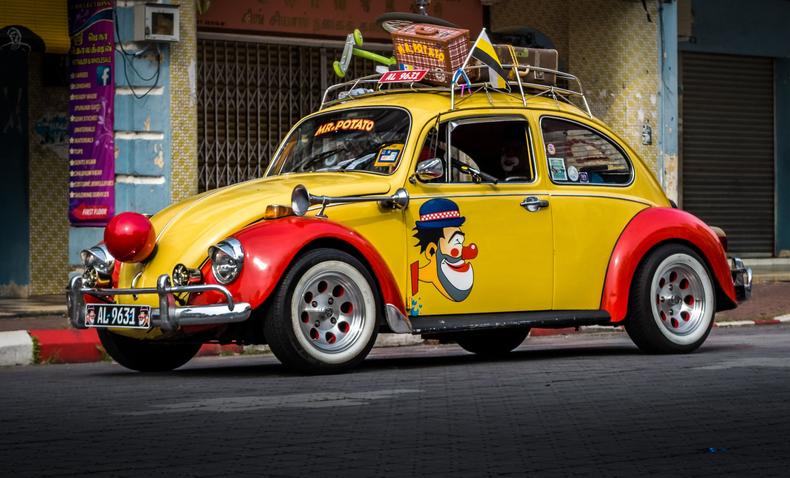
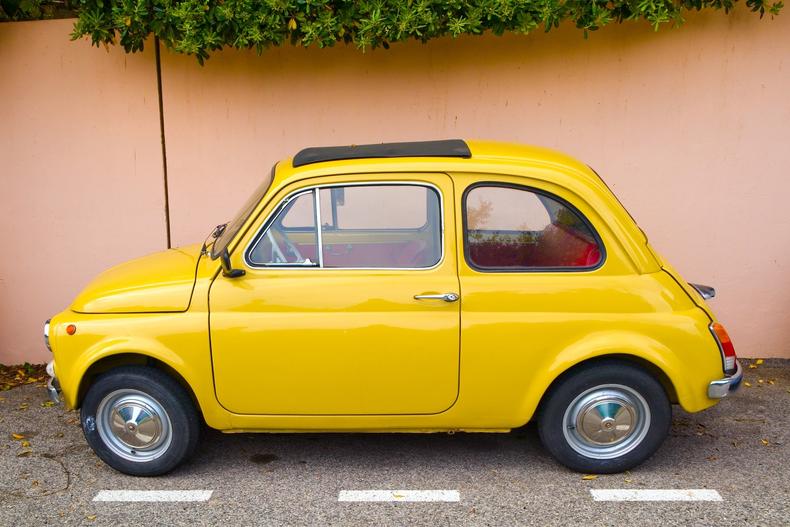
What you need: An older, robust, compact car (e.g., VW Beetle, Mini Cooper, Fiat 500, or a small utility van), measuring tape, a sturdy jack and stands, basic mechanic’s toolkit, safety glasses, work gloves.
Instructions: The ideal clown car starts with a seemingly small exterior that surprisingly offers more internal volume than meets the eye. Older models often have less sophisticated safety features taking up space. Focus on vehicles with generous vertical clearance and a sturdy frame. Prioritize a car where the rear seats, passenger seat, and door panels can be easily removed without compromising structural integrity. Measure the internal dimensions meticulously, paying attention to hidden pockets of space that can be reclaimed. A 2-door model often works best to minimize external distractions during entry/exit.
Pro Tip: Look for models with a relatively flat floor pan once seats are removed, as this provides a more stable and usable surface for performers to crouch or stack.
Step 3: Interior Deconstruction and Maximization
What you need: Ratchet set, various wrenches, screwdrivers, utility knife, upholstery removal tools, angle grinder (with appropriate safety gear: eye protection, hearing protection, gloves), vacuum cleaner, cleaning supplies.
Instructions: This is where you reclaim every possible cubic inch. Systematically remove all non-essential interior components: all passenger seats (front and rear), seatbelts, door panels, rear deck lids, carpets, headliners, sound-deadening materials, and even the glove compartment. If legally permissible and safe for the act, consider removing the rear portion of the driver’s seat frame, leaving only the bare minimum for the driver to operate the vehicle. Ensure all sharp edges created by removal are filed down or covered to prevent injury. Clean the interior thoroughly to remove dust and debris.
Pro Tip: For safety and space, consider removing the spare tire and associated tools, replacing them with a lightweight, temporary puncture repair kit if the car needs to be driven short distances off-stage.
Step 4: Strategic Internal Support and Handhold Installation
What you need: Lightweight, collapsible stools or benches, strong bungee cords, industrial-strength Velcro, foam padding, marine-grade handholds/grab handles, nuts, bolts, washers, drill, measuring tape, stud finder (for internal frame points).
Instructions: With the interior stripped, you’ll need to install minimal, compact support systems. Affix marine-grade grab handles securely to the car’s frame (e.g., roof supports, door pillars) in strategic locations for performers to brace themselves. These should be placed at varying heights to accommodate different performer positions. Use heavy-duty Velcro to secure foam padding to hard surfaces where performers might lean or brace. Collapsible stools can be deployed for quick, temporary seating for the first few entrants, providing a base for others to stack upon. These must be instantly foldable or removable.
Pro Tip: Practice entering and exiting with these supports to ensure they are ergonomically placed for speed and safety during the actual performance. Consider color-coding handholds for specific performers.
Step 5: The Art of Performer Placement and Coordination
What you need: A team of agile, flexible, and well-rehearsed performers, comfortable and form-fitting costumes, a designated rehearsal space (preferably with the modified car).


Instructions: This is arguably the most critical step. Performers must be small, nimble, and understand their precise position within the car. The tallest or broadest performers generally enter first and position themselves deep inside, often lying down or crouching in the furthest corners, with limbs strategically intertwined. Smaller, more flexible individuals fill the remaining voids, often standing or kneeling, tucked into every available space. Develop a precise sequence for entry and exit, rehearsing it countless times until it’s a seamless, almost automatic flow. Communication via subtle cues is vital.
Pro Tip: Assign each performer a specific “spot” or “level” within the car. Using visual markers inside the car can help them quickly find their designated place, reducing confusion and delays.
Step 6: Optimizing Entry and Exit Dynamics
What you need: The modified car, the coordinated performers, a designated performance area with clear audience sightlines.
Instructions: The speed and fluidity of entry and exit are paramount to the illusion. Design a tightly choreographed sequence. Often, performers enter from the passenger side, piling in quickly, while the driver is either already in place or is the last to squeeze in. For the exit, a designated “pusher” (often the driver or someone near the front) helps propel the first few performers out, creating a cascade. Misdirection plays a huge role here: use loud music, other clowns distracting the audience, or props being thrown from the car to draw attention away from the detailed mechanics of people squishing in or out.
Pro Tip: Incorporate sound effects (like comical horn honks or squeaky noises) to coincide with entries and exits, further enhancing the theatricality and distracting from the mechanics.
Step 7: External Aesthetics and Audience Focus
What you need: Bright, comical paint, oversized props (e.g., giant flowers, spinning pinwheels, fake exhaust pipes), lively music, additional clown performers for stage presence.
Instructions: The exterior of the clown car should be absurd and visually engaging. Paint it in vibrant, contrasting colors with exaggerated features. Attach oversized, lightweight props that emphasize its comical nature. Crucially, the external presentation serves to distract. While performers are secretly cramming themselves inside, other clowns outside the vehicle should engage the audience directly – performing gags, making noise, interacting with the crowd. This shifts the audience’s attention from the subtle movements around the car’s entry points to the overt performance happening elsewhere, maintaining the illusion of impossible capacity.
Pro Tip: Position the car slightly angled away from the primary audience view of the entry points, subtly obscuring the precise packing process without making it obvious.
Step 8: Safety and Emergency Protocols
What you need: A basic first-aid kit, clear communication signals, pre-determined emergency exit plan, a designated safety spotter.
Instructions: While creating a convincing illusion, safety must always be the top priority. Establish clear, non-verbal communication signals among performers for discomfort, low air, or emergencies. Ensure that performers can exit the vehicle quickly and safely if needed, even if it means momentarily breaking the illusion. Have a designated safety spotter on standby who can monitor the car’s interior (if possible via hidden camera or direct line of sight) and exterior for any issues. Ventilation can be a concern; ensure adequate airflow, especially if the car is stationary for extended periods, perhaps via discrete fan installation.
Pro Tip: Rehearse emergency exits just as meticulously as the performance sequence. Each performer should know their quickest route out in an unexpected situation.
✅ Final Checklist
-
Vehicle interior fully optimized for maximum available space?
-
All internal supports and handholds securely installed and tested for performer safety?
-
Performer entry and exit choreography rehearsed countless times for seamless execution?
-
Misdirection elements (music, external performers, props) finalized and integrated into the act?
-
Safety protocols, communication signals, and emergency exit plans clearly established and understood by all performers?
Important Notes:
- Safety Considerations: Overcrowding in a confined space carries risks such as claustrophobia, lack of oxygen, and potential for injury during rapid entry/exit. Ensure performers are comfortable and never push past their physical limits. Always have adequate ventilation, especially in warmer climates.
- When to Seek Professional Help: For any major structural modifications to the vehicle’s frame, engine, or essential safety systems (like brakes or steering), consult with a certified automotive engineer or mechanic. Improper modifications can lead to serious hazards.
- Estimated Time and Cost Range: Preparing a clown car can range from 2-4 weeks for basic interior modifications and initial rehearsals. Extensive modifications, paintwork, and professional choreography might take 2-3 months. Costs can vary wildly, from a few hundred dollars for a basic used car and materials to several thousand for a well-maintained base vehicle, custom fabrication, and professional theatrical design elements.
The Strategic Art of Clown Car Performer Positioning
While car modifications provide the canvas, the clowns themselves are the artists, employing highly refined techniques to fit within the impossible space. This isn’t random chaos; it’s a meticulously rehearsed and physically demanding feat of human compression and coordination.
The Human Tetris: Fitting Everyone In
Each performer has a precise role and position, turning the act of getting into the car into a complex, live-action puzzle. You’ll observe a methodical approach to space utilization.
- Strategic Layering and Stacking: Clowns don’t just pile in; they “interlock.” Smaller, more flexible clowns often fill the most constrained spaces: the footwells, under the dashboard, and deep within the trunk area. Taller clowns might lie flat on the floor, using the full length of the car, or lean against the reinforced walls, with their limbs carefully tucked.
- Limb Management and Compression: Every limb is folded, tucked, and interleaved with others. Arms are crossed over chests, knees are drawn tightly, and elbows are pressed in. Performers learn to breathe shallowly and endure significant physical compression for the duration they are inside the vehicle. This requires considerable flexibility, core strength, and mental stamina.
- Pre-Determined Positions: Each clown has a specific, rehearsed “spot” within the car. This ensures optimal fit for everyone, prevents accidental injuries, and guarantees a smooth, predictable exit sequence. There’s no improvisation once the packing begins.
- Minimalist Costumes and Props: Clowns wear costumes designed for maximum compressibility. Bulkier items like wigs or hats might be held in hand until exit, or designed to flatten. Props carried into the car are typically small, soft, and easily crushable, preventing them from taking up critical volume.
The Choreographed Exit: Timing and Reveal
The illusion’s impact comes from the rapid, seemingly endless stream of clowns. This isn’t spontaneous; it’s a carefully timed and choreographed burst of activity.
- Staggered and Sequential Exit: Clowns do not all burst out at once. Instead, they emerge in a pre-planned sequence. Typically, those closest to the doors or primary exit points go first, creating an initial flood. Then, performers from deeper within the car move into the newly vacated space and follow. This creates a continuous flow rather than a single explosion.
- Rapid Movement and Momentum: The key to the “endless clowns” illusion is speed. Performers exit quickly and decisively, often using momentum to spring out of the car. This minimizes the time any one clown spends visible in the doorway, amplifying the perceived number emerging. You barely have time to count before another appears.
- Utilizing All Openings: To enhance the visual impact and create the sense of clowns appearing from everywhere, all available openings are utilized. This includes not just the main passenger doors but also windows, sunroofs, and the trunk lid. This multi-point egress further distorts the perception of the car’s actual internal capacity.
- Immediate Displacement: As soon as a clown exits, they typically move away from the car quickly, often engaging with the audience or forming a line. This prevents “traffic jams” at the exit points and keeps the focus on the car, maintaining the illusion of more clowns still inside.
Analyzing the Illusion: Physics, Perspective, and Timing
The magic of the clown car isn’t just about what’s inside; it’s also about how our brains perceive the impossible. The illusion relies on a clever blend of visual tricks, the physics of human flexibility, and impeccable timing.
Mastering the Art of Misdirection
One of the biggest secrets to the clown car’s success is misdirection. Clowns are masters of controlling audience attention. From the moment the tiny car appears, it’s designed to be unassuming. When the deluge of performers erupts, the surprise is overwhelming, leaving little time for logical analysis. It’s a classic “now you see it, now you don’t” on a grand scale.
- Visual Gags: Exaggerated honks, smoking exhausts, or wobbly driving distract from the serious internal engineering.
- Speed of Reveal: Performers exit quickly, often tumbling out in rapid succession, which enhances the perception of an endless stream. The faster they come out, the less time the audience has to question how they fit.
- Perspective Play: The car often appears small against the vastness of the arena, making it seem even more improbable that so many people could fit inside.
The Role of Physics and Constraints
While magic seems to be at play, the laws of physics are very much enforced. The “impossible” number of clowns is always within the physical limits of the vehicle and the human body. Performers are often trained in acrobatic skills, allowing them to contort and compress themselves into tight spaces.
- Human Flexibility: Performers often sit shoulder-to-shoulder, lap-to-lap, or even stacked on top of each other. Think of it like a human jigsaw puzzle.
- Gravity’s Helper: Sometimes, clowns are actually positioned below floor level, utilizing hidden compartments or modified chassis to create more vertical space.
- Volume vs. Surface Area: The illusion isn’t about fitting a greater volume of people than the car allows, but rather arranging them in a way that minimizes their perceived footprint, leveraging every nook and cranny.
Practical Considerations and Evolution of the Clown Car Gag
Beyond the mechanical ingenuity and the theatrical flair, running a clown car act involves significant practical considerations, especially regarding safety and keeping the classic gag fresh for modern audiences.
Safety First: Protecting Performers
While the goal is laughter, the safety of the performers is paramount. Cramming multiple people into a small space, even for a short duration, requires careful planning and execution.
- Ventilation: Proper airflow is crucial to prevent overheating and ensure performers can breathe comfortably in tight quarters.
- Clear Exit Paths: The interior must be free of obstructions, allowing for a swift and smooth exit to avoid injuries during the rapid reveal.
- Driver Training: The driver of the clown car is often a key part of the act, needing not only driving skills but also an understanding of the internal dynamics and the precise timing required for the gag.
- Emergency Protocols: Just like any stunt, there are often rehearsed plans for unexpected situations.
Modern Twists and Creative Interpretations
The clown car gag has been around for decades, but it continues to evolve. Performers and directors constantly find new ways to surprise and delight audiences, proving that classic gags can always be reinvented.
- Vehicle Variation: Beyond the traditional compact car, modern acts might use golf carts, scooters, oversized bicycles, or even custom-built contraptions that appear to be other vehicles.
- Technological Enhancements: Some contemporary acts incorporate lighting effects, sound synchronization, or even projection mapping to add another layer of spectacle to the reveal.
- Narrative Integration: Instead of just a standalone gag, the clown car might be woven into a larger story or theme, making the appearance and disappearance of the clowns more meaningful within the show.
- Audience Interaction: Some modern interpretations involve audience members in the gag, albeit in a safe and controlled manner, further blurring the lines between reality and illusion.
Conclusion
The clown car is more than just a silly bit; it’s a brilliant blend of mechanical ingenuity, theatrical misdirection, and human acrobatics. It reminds us that often, the most astonishing feats aren’t magic, but clever engineering and brilliant performance. From reinforced chassis to the perfectly timed reveal, every element works in harmony to create that unforgettable moment of disbelief and delight. Next time you see a clown car, take a moment to appreciate the incredible thought and skill behind the laughter. What other everyday illusions capture your imagination?
❓ Frequently Asked Questions
What specific parts of the car are removed or altered to create space for clowns?
To maximize internal volume, virtually all non-structural interior components are stripped from a clown car. This includes all passenger seats, the dashboard, door panels, and sometimes even the rear deck or floor pan to create a large, unobstructed cavity for performers.
How do clowns physically arrange themselves to fit into the cramped space of a clown car?
Clowns employ various strategic positions such as laying flat on top of each other, interlocking limbs, crouching, and even sitting on specific ledges or reinforced areas. They coordinate their movements meticulously, often entering in a specific sequence to optimize every inch of available space until their timed exit.
Are there any specific types of cars commonly used for clown car acts due to their design?
Smaller, more compact cars like vintage Mini Coopers, Volkswagen Beetles, or older two-door sedans are frequently preferred due to their surprising visual contrast with the number of clowns. Their relatively simple internal construction also makes them easier to modify and strip down.
How is the suspension of a clown car adapted to handle the extreme weight of multiple performers?
The car’s suspension system, including springs and shock absorbers, is typically reinforced or replaced with heavy-duty components designed for greater load bearing. This critical modification prevents the car from visibly sagging under the collective weight of many clowns, which would instantly diminish the comedic and surprising illusion.
Beyond physical modifications, what role does timing and choreography play in a successful clown car act?
Timing and choreography are absolutely critical; clowns often enter and exit in a precisely orchestrated sequence, creating a rapid, continuous flow that makes it seem like an endless stream. This seamless, rapid-fire appearance and disappearance is key to enhancing the comedic surprise and the overall effectiveness of the illusion.
Does the physical size and agility of the clowns themselves impact how many can fit into a clown car?
Yes, the physical dimensions and agility of the performers directly influence the overall capacity and the effectiveness of the visual gag. Smaller and more flexible clowns are generally easier to pack into a clown car, allowing for a greater number to participate and enhancing the surprising visual effect.