Mastering the 5.7 Hemi Serpentine Belt: Complete Routing Diagrams and Professional Maintenance for Ram 1500
Last Updated on September 1, 2026 by Ryan
For the Ram 1500 owner, the 5.7L Hemi engine represents a pinnacle of American power, yet its entire operation hinges on a single, reliable loop of reinforced rubber. When a serpentine belt fails or is incorrectly routed after a repair, your truck is rendered useless, leading to rapid overheating and potential engine destruction within minutes. This guide provides an expert-verified 5.7 Hemi belt diagram, professional installation steps, and reliable troubleshooting tips to keep your truck on the road.

Prime for Young Adults — 6 Months Free
Students and 18–24s get six months of Prime free, then half price.
Start 6 Months FreeThe Vital Role of the 5.7L Hemi Serpentine Belt System
Recommended Best Deal Products
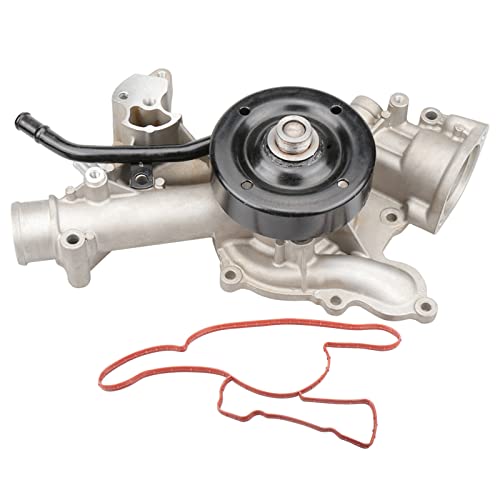
![VIPCAR 01108 Professional Water Pump for Dodge [5.7L V8 HEMI] Engine, 2009-2018…](https://m.media-amazon.com/images/I/312eBpGsdNL._SS500_.jpg)

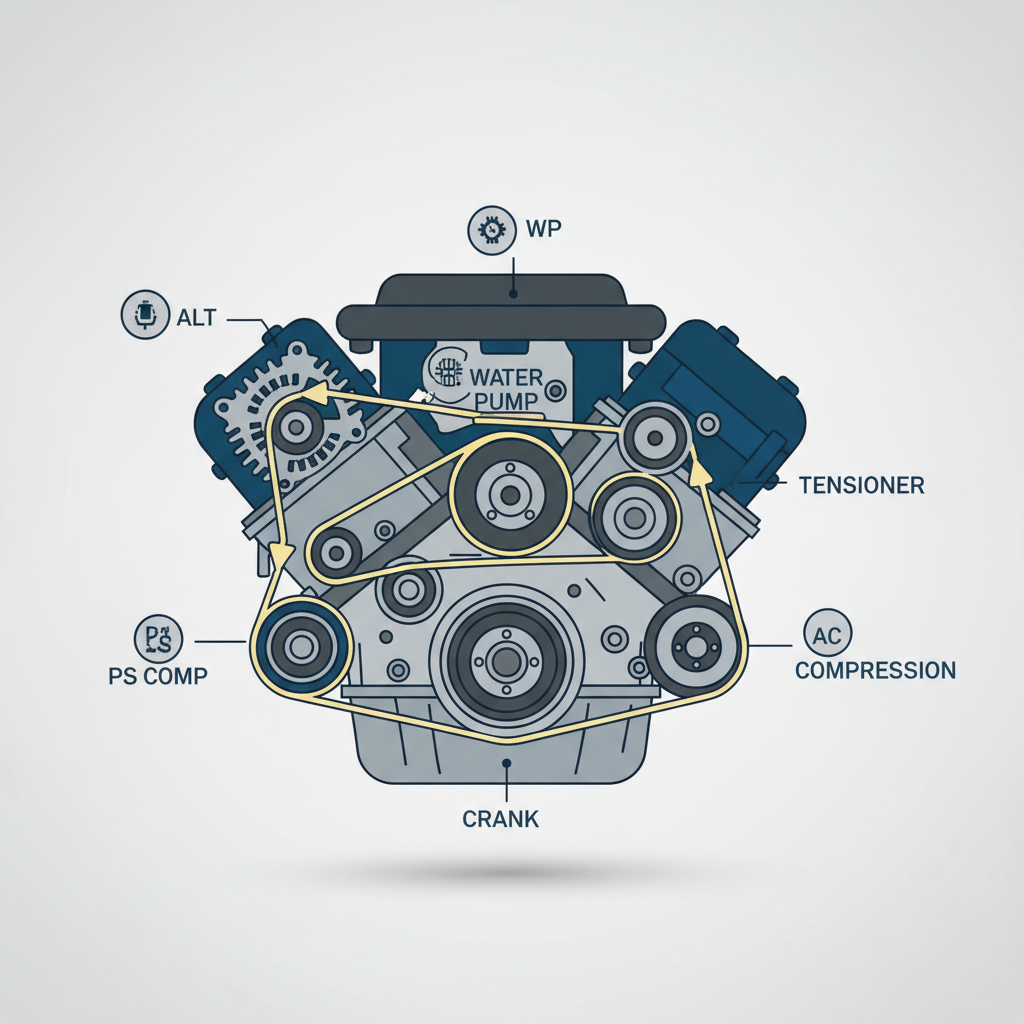
The serpentine belt on a 5.7L Hemi engine is more than just a simple accessory strap; it is a sophisticated, single, continuous ribbon that manages the synchronized operation of the alternator, power steering pump, air conditioning compressor, and the water pump. In the high-torque environment of a Hemi V8, the accessory drive layout is engineered to maximize efficiency while maintaining a compact footprint. This belt transfers rotational energy directly from the crankshaft pulley to every peripheral component, ensuring your truck stays cooled, steered, and powered.
One of the nuances of this system is the distinction between the “ribbed” and “flat” sides of the belt. The ribbed side is designed for high-torque transfer, gripping the grooved pulleys of the alternator and crankshaft. Conversely, the flat side of the belt typically interfaces with smooth idler pulleys and the water pump in specific configurations. Professional technicians know that even a slight misalignment in these grooves can lead to premature wear or the belt jumping the track entirely.
Unlike some older engines where the water pump might be driven by a timing belt, the 5.7L Hemi relies on the serpentine belt for cooling. Research indicates that a failed belt can cause the engine to overheat within less than 5 minutes, leading to warped cylinder heads or a cracked engine block.
Consider a scenario where a belt snaps while towing. You will immediately experience heavy, difficult-to-manage steering as the power steering pump loses drive, followed shortly by a “Battery Not Charging” alert on your dashboard. According to blank” rel=”noopener”>repair estimates, if you don’t pull over immediately, the repair costs can escalate from a simple $50 belt to a $5,000 engine rebuild.

Decoding the 5.7 Hemi Belt Diagram: Professional Routing Specifics
The 5.7L Hemi has undergone several iterations since its introduction in the Ram 1500. While the core block remains legendary, the accessory drive has evolved. For professional results, you must identify your truck’s specific generation. A common pitfall is following a diagram for a 2005 model when you are working on a 2018 model; the routing is significantly different due to the shift in power steering technology.
Ram 1500 trucks transitioned to Electric Power Steering (EPS) in 2013. This was a major engineering shift that removed the hydraulic power steering pump from the belt loop. Consequently, the belt is shorter and the routing diagram is less complex than the 2009–2012 models. If you attempt to use an older belt on a newer EPS-equipped Hemi, the excess length will prevent the tensioner from functioning correctly.
Standard Routing Architecture
- Crankshaft: The primary drive pulley at the bottom center.
- Alternator: Usually located at the top of the engine for easy access and cooling.
- Tensioner Pulley: A spring-loaded arm that maintains constant pressure.
- Idler Pulley: Provides the necessary wrap-around angle for the belt to grip other pulleys.
Professional technicians often check the radiator support or the fan shroud for the official Mopar decal showing the routing. If yours is missing, remember the “Hemi Rule”: the belt must always have at least 180 degrees of contact with the crankshaft pulley to prevent slippage under load. Bypassing the water pump or routing it on the wrong side of an idler is the most common error that results in immediate overheating despite the belt seeming “tight.” For more technical details on part variations, consult blank” rel=”noopener”>Mopar Technical Manuals before beginning.

Audible — Listen Free for 30 Days
One free credit a month and thousands of titles included.
Listen Free for 30 Days
📋
Step-by-Step Replacement Guide
Recommended Best Deal Products


Ensure the engine is completely cool. Disconnect the negative battery cable to prevent accidental engine starts. Use a 1/2-inch or 3/8-inch breaker bar (depending on your tensioner model) to prepare for tension release.
Locate the automatic tensioner. Insert your tool and rotate it counter-clockwise to compress the internal spring. While holding the tensioner back, slide the belt off the uppermost pulley (usually the alternator) first.
Thread the new belt starting from the lowest point—the crankshaft pulley. Work your way up, following the 5.7 Hemi diagram exactly. Finish by pulling back the tensioner and sliding the belt over the final upper pulley.
Before you fire up the engine, use a flashlight to ensure the belt ribs are perfectly seated in every pulley groove. If the belt is off by even one rib, it will shred within seconds of the engine reaching idle RPM. Always take a quick photo of the routing before removal to ensure a trusted reference point.
Troubleshooting Failures: Symptoms of a Failing Serpentine Belt
Diagnosing a belt issue before it leaves you stranded is a hallmark of professional maintenance. You should perform an auditory and visual check every time you change your oil. A high-pitched chirp usually indicates a misaligned belt or moisture on the pulleys, while a heavy grinding or rattling noise often points to a failing tensioner or idler pulley bearing.
Visually, look for “glazing” (a shiny, smooth appearance on the ribbed side) which indicates the belt is slipping and overheating. Also, check for “chunking”—where small pieces of the ribs have broken off—or lateral cracks. According to enthusiast discussions on blank” rel=”noopener”>enthusiast discussions, if you see more than three cracks in a one-inch span, the belt is nearing end-of-life and must be replaced immediately.
Audible Premium Plus — Annual Membership
12 audiobook credits up front, plus the full Audible catalogue.
See Annual PlansDiagnostic Tip: Spray Bottle Test
If you hear a squeal, lightly mist the ribbed side of the belt with water. If the noise disappears or changes, the belt is the culprit. If the noise remains constant, a pulley bearing is likely failing.
Reliable Maintenance: Ensuring Long-Term Belt and Pulley Health
A comprehensive maintenance strategy for the Ram 1500 involves more than just changing the belt. The automatic tensioner and idler pulleys are wear items just like the belt itself. Professional shops recommend the “Preventive Package” approach: replacing the belt, tensioner, and idler pulleys all at once at the 100,000-mile mark. This ensures the entire accessory drive system is reliable and won’t require repeated teardowns.
When selecting parts, always opt for EPDM (Ethylene Propylene Diene Monomer) belts. Unlike older neoprene belts, EPDM does not crack as easily but instead wears down like a tire tread. This makes it more heat-resistant and durable for the high-operating temperatures of the 5.7L Hemi engine bay. Finally, ensure all pulleys are cleaned of oil or coolant spills; even a small amount of fluid can contaminate a new belt and cause slipping or chemical degradation.
By The Numbers
Avg. Lifespan (Miles)
Time to Overheat
Life Loss (Dusty Areas)
In conclusion, the serpentine belt is a critical component powering the water pump, alternator, and power steering of your Ram 1500. Using the correct routing diagram for your specific model year is essential for accessory function and engine longevity. Proactive replacement every 50,000 to 100,000 miles prevents catastrophic engine failure and keeps your Hemi performing at its peak. Inspect your belt today for cracks or glazing, and if you hear a squeal, consult our diagram to ensure your routing is professional and secure. For more community-tested advice and truck-specific tips, visit blank” rel=”noopener”>Dodge truck discussions to connect with other owners and experts.
Frequently Asked Questions
What is the correct serpentine belt routing diagram for a 2016 Ram 1500 5.7 Hemi?
For 2016 models, the routing is streamlined because the truck uses Electric Power Steering (EPS). The belt travels from the crankshaft to the water pump, then up to the alternator, around an idler pulley, down to the A/C compressor, and finally back to the tensioner. Always verify with the decal on your radiator shroud as configurations can vary based on specific trim levels.
How do I relieve the tension on the serpentine belt tensioner?
To relieve tension on a 5.7 Hemi, you must use a breaker bar or a serpentine belt tool on the bolt head located in the center of the tensioner pulley. Rotate the arm counter-clockwise (toward the passenger side) to compress the internal spring. This will create enough slack to slip the belt off the uppermost pulley, which is usually the alternator.
What size serpentine belt do I need for my Ram 1500 5.7 Hemi?
Belt size varies significantly by year. Older 5.7 Hemis with hydraulic power steering typically require a longer belt (often around 87-90 inches), while newer models with EPS use a shorter belt (around 70-75 inches). For a reliable fit, always provide your VIN to a trusted parts dealer to ensure the effective length matches your specific accessory drive layout.
What are the symptoms of a bad serpentine belt tensioner?
A failing tensioner often presents as a constant ‘chirping’ sound that increases with engine RPM or a visible ‘fluttering’ of the belt while the engine is idling. If the internal spring weakens, you may notice the belt slipping under load, such as when the A/C compressor engages. Professionals recommend replacing the tensioner whenever you install a new belt to ensure consistent performance.
Can a failed serpentine belt cause permanent engine damage?
Yes, it can. On the 5.7 Hemi, the serpentine belt drives the water pump. If the belt snaps, coolant circulation stops immediately. In modern aluminum-head engines, this can lead to a warped cylinder head or a blown head gasket within minutes of the temperature gauge reaching the red zone. If your belt fails, pull over and shut down the engine immediately.