What Is Equity In A Car Real Car Equity Guide 2026 2026
Last Updated on September 1, 2026 by Albert Duke
Equity in a car represents the portion of the vehicle’s value that you actually own, calculated as its current market value minus any outstanding loan balance. This financial concept is crucial for understanding your vehicle’s true worth and impacts decisions like trading in, selling, or refinancing your car.
Understanding what is equity in a car is fundamental for any vehicle owner or prospective buyer in 2026. Car equity essentially represents the portion of your vehicle’s value that you genuinely own, free from debt. This financial concept profoundly influences your ability to sell, trade in, or even refinance your car, directly impacting your financial flexibility.
Grasping the nuances of car equity provides a clearer picture of your automotive asset’s true worth. It equips you with the knowledge to make informed decisions throughout your vehicle ownership journey, from the initial purchase to eventual resale.
Equity in a car represents the portion of the vehicle’s value that you actually own, calculated as its current market value minus any outstanding loan balance. This financial concept is crucial for understanding your vehicle’s true worth and impacts decisions like trading in, selling, or refinancing your car.
- Car equity is market value minus loan balance.
- Positive equity means you own more than you owe.
- Negative equity means you owe more than it is worth.
- Depreciation and loan terms greatly impact equity.
- Strategic actions can build or manage car equity.
Key Takeaways


- Car equity is market value minus loan balance.
- Positive equity means you own more than you owe.
- Negative equity means you owe more than it is worth.
- Depreciation and loan terms greatly impact equity.
- Strategic actions can build or manage car equity.
How Does Car Equity Work?

Car equity operates on a straightforward principle, reflecting your ownership stake in the vehicle. It’s the difference between what your car is currently worth and what you still owe on it. This calculation reveals your true financial position regarding your automotive asset.

Defining Car Equity
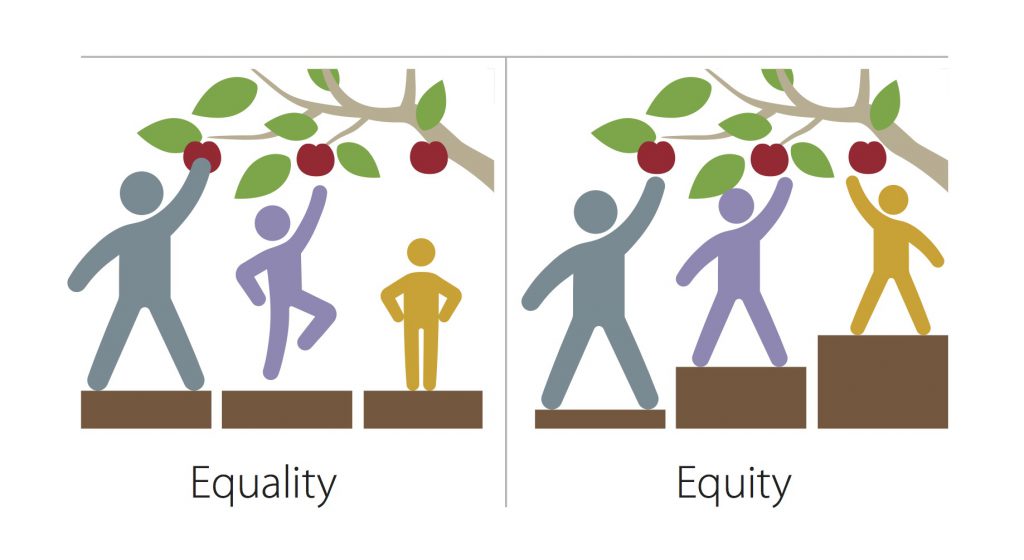
We define car equity meaning as the monetary value of your car that you have paid for outright. It means the amount that belongs to you after all debts secured by the vehicle are settled. This is a dynamic figure that changes over time.
Simple Calculation Method
Calculating car equity is a simple process. You take your car’s current market value and subtract your outstanding loan balance. For example, if your car is worth $20,000 in 2026 and you still owe $15,000 on your loan, your equity is $5,000. We recommend using reputable valuation tools for market values.
Factors for Market Value
Several elements determine your car’s market value. These include its make, model, year, mileage, condition, and current demand. Regular maintenance and a clean title often boost this figure. You can assess your vehicle’s market value through various online resources.
Outstanding Loan Balance
Your outstanding loan balance is the total amount you still owe your lender. This includes the principal amount plus any accrued interest. As you make monthly payments, your principal balance decreases, which directly impacts your equity. Your loan statement will always show your precise outstanding balance.
Understanding this calculation is critical because it directly leads us to the distinction between having positive or negative equity, a crucial concept for car owners.
Positive Equity Versus Negative Equity Explained
Understanding whether you have positive or negative car equity is paramount for informed financial decisions. These two states represent vastly different financial realities for car owners. Each has distinct implications for selling, trading in, or refinancing your vehicle.
The Positive Outlook
Positive car equity means your vehicle’s current market value is greater than the amount you owe on your loan. This is the ideal scenario for car owners. For instance, if your car is worth $25,000 and your loan balance is $18,000, you have $7,000 in positive equity. This equity acts like cash in your pocket.
Having positive equity offers significant financial flexibility. You can use this equity as a down payment on a new vehicle, reducing your next loan amount. Alternatively, you can sell your car and pocket the difference, giving you funds for other purposes. It signifies a strong vehicle financial position.
The Negative Reality
Negative car equity, often called being “upside down” or “underwater,” occurs when your outstanding loan balance exceeds your car’s market value. This situation means you owe more than your car is worth. If your car is valued at $15,000 but you still owe $18,000, you have $3,000 in negative equity.
This negative position creates challenges. If you sell the car, you must pay the lender the difference out of pocket. Trading in a car with negative equity often means rolling that deficit into your new car loan, increasing your future payments and debt. This can create a cycle of debt on subsequent vehicles.
Real World Impact
The real-world impact of your equity position is profound. Positive equity provides leverage and financial freedom. Negative equity, however, can restrict your options and lead to increased financial strain. It forces you to make difficult choices if you need to get rid of your car.
For instance, if you are forced to sell due to financial hardship, negative equity can leave you with an unpaid debt and no car. Therefore, understanding and managing your equity is a critical aspect of responsible car ownership.
Now that we have distinguished between these two critical states, let us explore the various factors that actively shape your car’s equity over time.
7 Key Factors Influencing Car Equity
Your car’s equity is not static; it constantly shifts due to various influences. Understanding these factors helps you predict and manage your vehicle’s financial trajectory. Several elements play a significant role in determining whether your equity grows or shrinks.
Vehicle Depreciation Rate
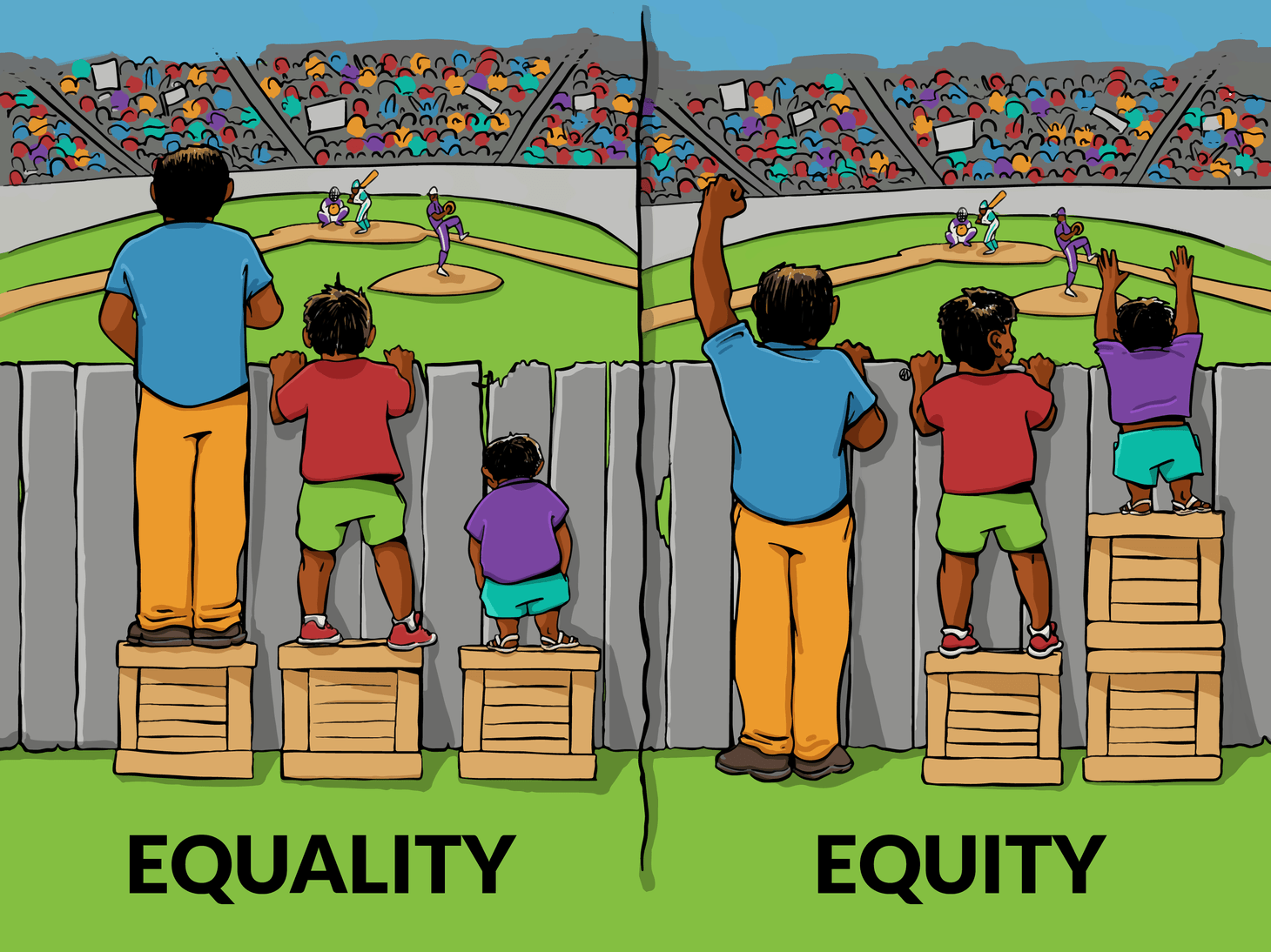
Depreciation is arguably the largest factor affecting car equity. Cars lose value from the moment they are driven off the lot. .
This rapid loss in value directly erodes equity, especially early in a loan term. Managing car depreciation strategies is key.
Initial Down Payment
The size of your initial down payment directly impacts your starting equity position. A larger down payment reduces the amount you need to borrow. This means you begin your loan with a lower outstanding balance, giving you an immediate head start in building positive equity.
Loan Term Length
Longer loan terms (e.g., 72 or 84 months) result in lower monthly payments but accumulate equity slower. The car depreciates faster than you pay down the principal, often leading to negative equity for extended periods. Shorter loan terms accelerate equity growth.
Interest Rate Influence
A higher interest rate means more of your monthly payment goes towards interest, not principal reduction. This slows down the rate at which you pay off the loan balance, thus delaying equity accumulation. Securing a low interest rate for your auto loan is financially beneficial.
Mileage and Condition
High mileage generally lowers a car’s resale value, reducing potential equity. Similarly, poor physical and mechanical condition significantly detracts from its market worth. A well-maintained car with reasonable mileage commands a better price.
Maintenance and Care
Regular maintenance, as per the manufacturer’s schedule, helps preserve your car’s value. A complete service history proves the car’s reliability and often increases its market appeal. Neglecting maintenance accelerates depreciation and hurts equity.
Market Demand Shifts
External market forces also play a role. Popular models or those with high fuel efficiency during periods of high gas prices might retain more value. Economic conditions and consumer preferences can cause market values to fluctuate, affecting your equity. We need to watch 2026 automotive market trends closely.
Understanding these influencing factors empowers you to take proactive steps. Now, let us shift our focus to actionable strategies for building car equity more rapidly.
How to Build Car Equity Fast in 5 Steps
Building positive car equity quickly is a strategic financial move that enhances your flexibility and strengthens your overall financial standing. We can take several concrete steps to accelerate this process and secure your auto loan equity explained.
Maximize Down Payment
The most direct way to build equity from the start is by making a substantial down payment. A larger down payment reduces the initial loan amount. This immediately puts you in a better equity position compared to someone financing the full purchase price. It also reduces interest paid over the loan term.
Choose Shorter Loan
Opting for a shorter loan term, such as 36 or 48 months instead of 60 or 72, forces you to pay down the principal balance faster. While monthly payments will be higher, you will gain equity much more rapidly. This reduces the time your car spends in the period of fastest depreciation.
Make Extra Payments
Even small extra payments can make a big difference. Any amount paid above your scheduled monthly payment typically goes directly towards reducing the principal. This accelerates the payoff timeline and helps you build equity faster. Consider making bi-weekly payments or adding a little extra each month.
Maintain Vehicle Value
Regular maintenance and careful driving help preserve your car’s market value. Keeping up with oil changes, tire rotations, and addressing minor repairs prevents larger, more costly issues. A well-maintained vehicle with a clean interior will command a higher resale value when you decide to sell or trade it.
Avoid Rolling Over Debt
If you have negative equity on your current vehicle, resist the urge to roll that balance into a new car loan. This practice puts you deeper into debt from day one with the new vehicle. It makes it incredibly difficult to achieve positive equity in the future. Deal with existing negative equity separately before buying a new car.
These strategies help you take control of your car’s financial future. However, for those already facing challenges, understanding options for negative equity is equally important.
What Are 4 Options for Negative Equity
Facing negative equity can feel daunting, but you have several paths forward. We want to provide you with clear options to manage or resolve this situation effectively. Each approach comes with its own considerations and suitability.
Pay the Difference
The most straightforward option when selling or trading in a car with negative equity is to pay the difference out of pocket. This means you write a check for the amount between your car’s market value and your outstanding loan balance. This clears your old loan completely, allowing you to start fresh with a new purchase.
It ensures you avoid carrying old debt onto a new vehicle.
Refinance Your Loan
Refinancing your current car loan can sometimes alleviate negative equity, though it’s not a direct solution. If you can secure a lower interest rate or a slightly longer term (without extending it too much), more of your payment might go toward the principal. This can help you catch up to your car’s value over time.
Always check if a new loan term would ultimately increase total interest paid. We recommend exploring refinancing car loan tips.
Roll Debt Strategically
Rolling negative equity into a new car loan is an option, but it requires careful consideration. This involves adding the negative balance from your old car onto the loan for your new purchase. While it avoids an immediate out-of-pocket payment, it significantly increases your new loan amount.
This makes it harder to build equity in your new vehicle and increases overall interest costs. This should only be done if you can secure a very favorable rate and keep the total loan amount manageable.
Wait Until Equity Shifts
If you are not in urgent need of a new vehicle, waiting is often a viable strategy. Continue making your payments diligently, and over time, your loan balance will decrease, and your car’s depreciation rate will typically slow down. Eventually, your car’s value may exceed your outstanding loan balance, bringing you into a positive equity position.
This strategy requires patience and financial stability.
By understanding these options, you are better equipped to navigate the complexities of negative equity and make the best decision for your financial health.
Your Car Equity a Financial Compass
Understanding what is equity in a car is more than just knowing a financial term; it’s about having a clear compass for your automotive finances. Whether you’re a first-time buyer or a seasoned owner, grasping the calculation, implications, and influencing factors of car equity empowers you.
We have explored how positive equity offers freedom and negative equity presents challenges. We also outlined actionable steps to build your equity and navigate tricky situations. By actively managing your car’s equity, you gain control over your vehicle’s financial journey. This enables you to make smarter decisions about buying, selling, or trading your vehicle in 2026 and beyond.
Common Car Equity Questions Answered
What Does It Mean to Be ‘upside Down’ on a Car Loan?
Being ‘upside down’ on a car loan means you have negative equity. The amount you owe on the vehicle is greater than its current market value. This situation often arises from rapid depreciation or financing for longer terms, leaving you owing more than the car is worth.
Can I Trade in a Car With Negative Equity?
Yes, you can trade in a car with negative equity. However, you will typically need to pay the difference out of pocket. Another option is rolling the negative balance into your new car loan, which increases your new debt significantly.
Does Making Extra Payments Build Car Equity Faster?
Absolutely, making extra or larger payments on your car loan directly reduces your outstanding balance faster than scheduled. This accelerates the growth of your car equity. It also effectively reduces the total interest paid over the entire life of the loan.
How Does Depreciation Specifically Affect My Car’s Equity?
Depreciation is the biggest factor affecting car equity. It is the rate at which your car loses value over time. If your car depreciates faster than you pay down your loan, you risk falling into negative equity, as its market value decreases rapidly.
Is It Better to Have High or Low Car Equity?
It is always better to have high (positive) car equity. High equity provides more financial flexibility. This includes a larger down payment for your next vehicle or more cash in hand if you decide to sell your car outright.