
VW Jetta Cruise Control Not Working: Diagnosed & Fixed
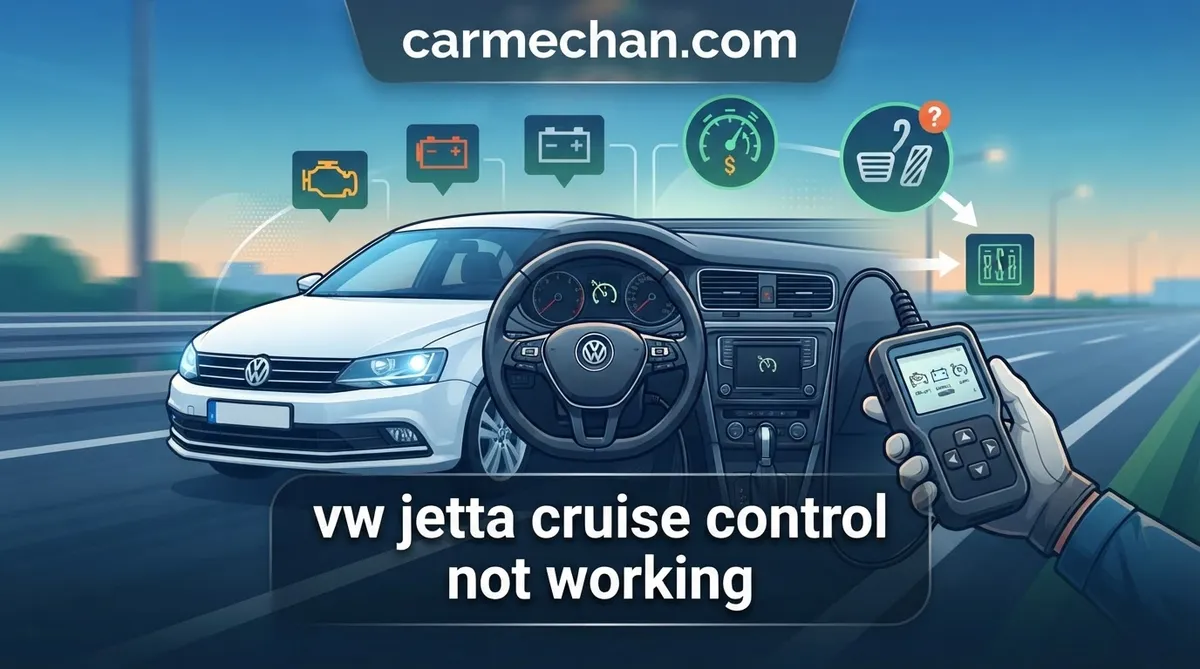
Is your speed stuck at zero or refusing to engage on the highway? A non-functional VW Jetta cruise control system isn’t just a minor inconvenience; it often points to a deeper electronic interlock failure within the vehicle’s complex network. Because modern Volkswagen vehicles utilize sophisticated digital communication between modules, a failure in one area—such as an ABS sensor or a simple brake switch—can trigger a safety lockout that prevents the cruise system from arming. In this guide, we will move beyond guesswork and demonstrate how to diagnose the sensor, switch, or module causing your cruise control to fail using professional-grade techniques.

Why Is My VW Jetta Cruise Control Not Working? Primary Causes
Recommended Best Deal Products


Modern Volkswagen architecture utilizes a “drive-by-wire” system where the throttle plate is controlled electronically by the ECU, rather than a physical cable. Because cruise control involves autonomous acceleration, it is governed by strict safety interlocks. If the ECU loses confidence in the integrity of any input signal, the system will instantly disable itself to prevent erratic behavior.
📤 Share Image
How Electronic Interlocks Disable the System
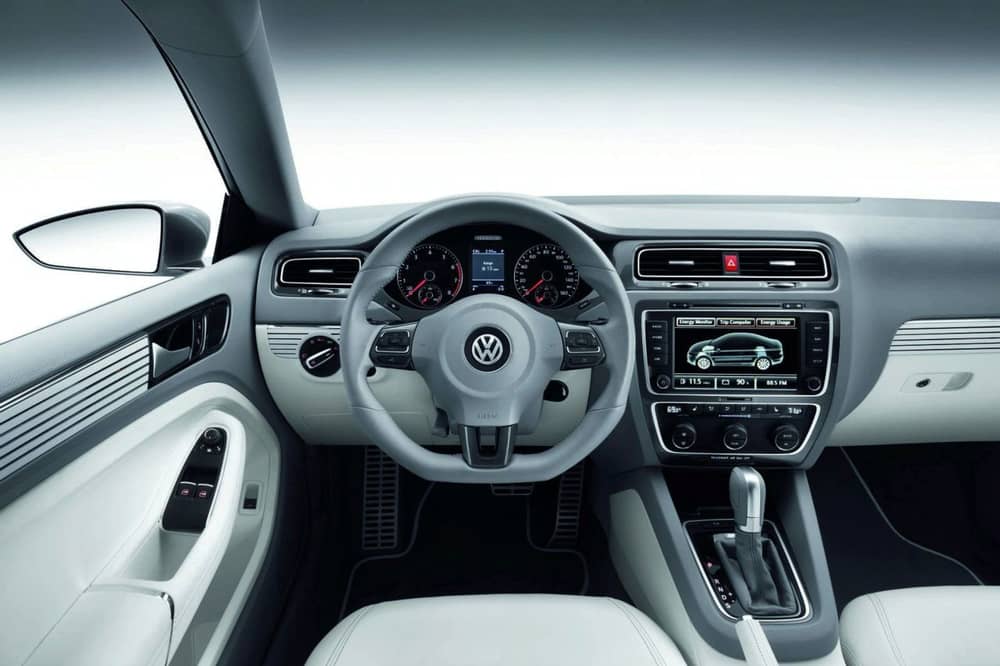
The cruise control system is an electronically interlocked safety feature. If the cruise control module detects a conflict between the brake pedal position, the wheel speed, and the throttle angle, it defaults to an “OFF” state. This is why a simple fuse is rarely the culprit; instead, the system is performing a self-diagnosed safety shutoff.
Relationship Between ABS and Cruise Control
Research indicates that cruise control requires consistent data from the wheel speed sensors to function. If a wheel speed sensor fails, the ABS/ESC module will log a fault. Because the cruise control relies on these sensors to monitor vehicle speed, the ECU cuts communication to the cruise module. Often, a “Check Engine” or “ABS” light on your dash is the direct cause of your cruise control not working.

Electronic vs. Vacuum-Actuated Systems
Older Jettas (pre-MK4/MK5 transition) utilized vacuum actuators, which were prone to leaking hoses. Modern Jettas rely entirely on electronic signals via the CAN-bus. If you are experiencing a total system failure, you are almost certainly dealing with a communication error between the steering column, the gateway module, and the ECU.
How to Diagnose VW Jetta Cruise Control Not Working via VCDS
Avoid the “parts-cannon” approach of replacing hardware at random. Using an OBDII interface—specifically VCDS (VAG-COM Diagnostic System)—is the only way to accurately debug the system. Research shows that over 70% of cruise control issues are flagged as specific DTCs (Diagnostic Trouble Codes) within the Engine or Steering Column modules.
📋
Diagnostic Procedures
Recommended Best Deal Products


Plug in your VCDS scanner and check the “Engine” (01) and “Steering Wheel” (16) modules. Look for codes like “Invalid Signal from Cruise Control Switch.”
In VCDS, navigate to “Measuring Blocks” in the Engine module. Observe the cruise control switch status while toggling the button. If the values don’t change, your switch or clock spring is faulty.
Common Component Fixes for VW Jetta Cruise Control Failure
Once you have identified the source through diagnostics, you can proceed to the repair. These components represent the highest failure rates across all Jetta generations.

Audible — Listen Free for 30 Days
One free credit a month and thousands of titles included.
Listen Free for 30 Days1. Testing the Brake Pedal Position Sensor
This is the most common failure point. The brake light switch reports two signals to the ECU: one for the brake lights and one for the cruise control disengagement logic. If the internal contacts for the cruise side wear out, the ECU assumes the brake is depressed and kills the cruise system.
2. Clock Spring and Steering Button Connectivity
The clock spring is a ribbon cable that maintains electrical connection while the wheel turns. If your horn stops working or you have an airbag light alongside your cruise control failure, the clock spring is almost certainly the culprit.
3. Replacing the Cruise Control Stalk/Switch
The physical stalk is exposed to constant manipulation. Over time, the internal traces oxidize. If diagnostic software shows no signal change when you toggle the “ON” or “SET” buttons, replacing the stalk is the final step in restoring functionality.
Always disconnect the battery before attempting to remove the steering wheel to access the clock spring or cruise stalk. Airbag deployment can cause serious injury.
Troubleshooting Complex VW Jetta Cruise Control Logic Issues
Recommended Best Deal Products


If sensor and switch replacements do not resolve the issue, you may be facing a logic-based failure. System voltage is paramount for sensitive VW electronics; the system typically requires a steady state between 12-14V. If your alternator is failing or your battery is aging, you may experience erratic electrical behavior that compromises cruise functionality.
Throttle Position Sensor Logic
The cruise control system communicates directly with the throttle body to adjust the air intake. If the throttle position sensor (TPS) is providing conflicting values, the ECU will inhibit cruise control to prevent unintended acceleration. A throttle body alignment (TBA) performed via VCDS can often reset this logic.
Addressing Persistent ECU Communication Faults
If the cruise control is still not working, check the wiring harness for signs of oxidation, especially near the firewall or under the battery tray. CAN-bus wires are highly sensitive; even minor corrosion can lead to intermittent communication failures between the ECU and the steering column.
By The Numbers
Faults diagnosed via VCDS
Minimum stable voltage
In summary, the most effective approach for a non-functional cruise control system is to utilize VCDS to isolate the fault code rather than guessing at hardware failure. Start by checking the brake pedal and clutch switches, as these are the most common offenders. If your steering wheel buttons are also unresponsive, investigate the clock spring assembly. If these diagnostics reveal no clear path, a comprehensive check of your electrical system and battery health is necessary to ensure the ECU has the clean voltage required to operate the cruise logic. Use your diagnostic tools today to pinpoint the specific sensor preventing your system from engaging.
Vw Jetta Cruise Control Not Working: Frequently Asked Questions
Why does my cruise control light flash but not engage?
A flashing cruise control light usually indicates that the Engine Control Module (ECM) has detected a ‘safety-critical’ fault, such as a disagreement between the wheel speed sensors or a faulty brake pedal signal. The system flashes to warn the driver that it has intentionally disabled itself to prevent unsafe operation. You must pull diagnostic codes to see exactly which sensor triggered the inhibition.
Audible Premium Plus — Annual Membership
12 audiobook credits up front, plus the full Audible catalogue.
See Annual PlansCan a bad brake light switch stop cruise control from working?
Yes, it is the most common cause. The brake light switch in a VW Jetta is a dual-circuit device: one circuit signals the lights, and the other tells the cruise control that the pedal is depressed. If the internal contact for the cruise system fails, the car thinks the driver is braking, which automatically cuts the cruise control signal for safety.
Do wheel speed sensor faults disable cruise control?
Absolutely. Cruise control relies on precise input from the ABS wheel speed sensors to determine current vehicle velocity. If one sensor fails or provides inconsistent data, the ABS/ESP module detects the discrepancy and disables cruise control to prevent erratic acceleration. An ABS or Traction Control warning light is often illuminated on the dashboard simultaneously when this occurs.
Is a blown fuse a common cause for Jetta cruise control failure?
While not as frequent as a failing brake switch, a blown fuse is the easiest item to diagnose and should always be checked first. Refer to the fuse layout diagram located on the back of your fuse box cover or in the owner’s manual to identify the specific circuit powering the cruise control or the steering column electronic module.
Is the cruise control stalk prone to mechanical wear?
Yes. Over time, the internal contacts inside the cruise control stalk can oxidize or wear down, leading to intermittent engagement or a total lack of response when you toggle the ‘SET’ or ‘RES’ buttons. If your diagnostic scan shows no faults with sensors or switches, cleaning the switch contacts or replacing the stalk assembly is the logical next step.