How Much Does a Ram 2500 Weigh? Curb, GVWR & Payload Specs
A Ram 2500’s curb weight typically ranges from 6,000 to over 8,000 pounds, varying significantly based on engine, cab style, and drivetrain. Understanding its Gross Vehicle Weight Rating (GVWR) and payload capacity is crucial for safe operation and determining how much it can legally carry.
🎯 Key Takeaways


- Ram 2500 curb weight varies from ~6,000 to over 8,000 lbs.
- Engine (diesel/gas), cab, and 4WD significantly impact total weight.
- Gross Vehicle Weight Rating (GVWR) indicates max safe operating weight.
- Payload capacity is the difference between GVWR and curb weight.
- Always check your truck’s doorjamb sticker for exact weight specs.
If you’re asking “how much does a Ram 2500 weigh?”, you’re looking for critical information about your truck’s capabilities. A Ram 2500’s curb weight, which is its empty weight without passengers or cargo, typically ranges from approximately 6,000 pounds for a base 2WD configuration to over 8,500 pounds for a fully loaded 4WD Mega Cab diesel model. Understanding this figure, along with its Gross Vehicle Weight Rating (GVWR) and payload capacity, is essential for safe and legal operation.

Knowing these weight specifications isn’t just about curiosity; it’s fundamental to safely loading your truck, staying within legal limits, and calculating your effective towing capacity. Whether you’re hauling tools for work, loading up for a weekend adventure, or simply want to understand your truck’s limits, the exact weight figures determine what your Ram 2500 can truly do. Let’s break down these numbers for your heavy-duty truck.
Understanding Ram 2500 Curb Weights and Common Ranges


Your Ram 2500’s curb weight is its most basic weight figure: the truck as it leaves the factory, full of all necessary fluids (fuel, oil, coolant) but without any occupants, cargo, or added accessories. This “empty” weight is the starting point for all other weight calculations. Ram 2500 models, being heavy-duty trucks, have a significant range in curb weight due to numerous configuration options.

What Influences Your Ram 2500’s Curb Weight?
Several key factors significantly impact how much your specific Ram 2500 weighs. Understanding these helps you pinpoint where your truck falls in the overall range:
- Engine Type: The 6.7L Cummins Turbo Diesel engine is substantially heavier than the 6.4L HEMI V8 gasoline engine, often adding 600-800 pounds to the truck’s overall weight.
- Drive System: A 4×4 (four-wheel drive) system adds more components (transfer case, front differential, heavier axle) than a 4×2 (two-wheel drive) system, increasing curb weight.
- Cab Style: From the lightest Regular Cab to the heavier Crew Cab and the largest Mega Cab, each step up in interior space adds structural weight.
- Bed Length: An 8-foot long bed will naturally be heavier than a 6-foot-4-inch short bed.
- Trim Level & Features: While less impactful than the primary factors above, higher trim levels often include more standard features like power seats, larger infotainment screens, and additional sound deadening, all of which contribute slightly to the overall weight.
Typical Ram 2500 Curb Weight Ranges by Configuration
To give you a clear idea, here are common curb weight ranges for different Ram 2500 configurations. Remember, these are approximate and can vary slightly by model year, specific options, and factory changes. Always check your truck’s door jamb sticker for precise figures.
- Ram 2500 4×2 Regular Cab, 8′ Bed, 6.4L HEMI V8:
- Curb Weight: Approximately 6,000 – 6,300 lbs
- Ram 2500 4×4 Crew Cab, 6’4″ Bed, 6.4L HEMI V8:
- Curb Weight: Approximately 6,800 – 7,300 lbs
- Ram 2500 4×2 Crew Cab, 8′ Bed, 6.7L Cummins Diesel:
- Curb Weight: Approximately 7,300 – 7,800 lbs
- Ram 2500 4×4 Crew Cab, 6’4″ Bed, 6.7L Cummins Diesel:
- Curb Weight: Approximately 7,500 – 8,000 lbs
- Ram 2500 4×4 Mega Cab, 6’4″ Bed, 6.7L Cummins Diesel:
- Curb Weight: Approximately 7,800 – 8,500+ lbs
As you can see, opting for a 4×4 system, a larger cab, or especially the powerful Cummins diesel engine can add over 2,000 pounds to the Ram 2500’s curb weight compared to its lightest configuration. This initial weight is crucial for determining your truck’s remaining capacity.
Everything You Need to Know About Ram 2500 Weight


Understanding the weight of your Ram 2500 isn’t just about a single number; it’s a crucial aspect of safe operation, legal compliance, and maximizing its utility. This comprehensive guide will walk you through all the different weight metrics associated with a Ram 2500, from its base curb weight to its maximum towing capacities, and how to accurately determine them for your specific vehicle. By following these steps, you’ll gain a thorough understanding of your truck’s capabilities and limitations, ensuring you’re always operating within safe parameters.
Step 1: Grasp Key Weight Terminology
What you need: A basic understanding of vehicle specifications.
Instructions: Before diving into numbers, familiarize yourself with essential terms. Curb Weight is the weight of the truck with all standard equipment, fluids, and a full tank of fuel, but no passengers or cargo. Gross Vehicle Weight Rating (GVWR) is the maximum permissible total weight of the truck, including its own curb weight, passengers, cargo, and any accessories. Payload Capacity is the maximum weight of cargo and passengers the truck can safely carry, calculated as GVWR minus Curb Weight. Understanding these concepts is fundamental to knowing your Ram 2500’s weight profile.
Pro Tip: Always remember that “payload” includes everything added to the truck – from your toolbox and passengers to a fifth-wheel hitch and the pin weight of a trailer. Don’t underestimate how quickly these items add up!
Step 2: Locate Your Ram 2500’s Certification Label
What you need: Your Ram 2500 truck, access to the driver’s side door jamb.
Instructions: The most authoritative source for your specific Ram 2500’s weight ratings is the certification label, typically found on the driver’s side door jamb. This sticker provides critical information such as the Gross Vehicle Weight Rating (GVWR), Gross Axle Weight Ratings (GAWR) for both front and rear axles, and sometimes the tire inflation pressures. This label reflects the factory specifications for your exact truck configuration. Take a clear photo or write down all the relevant numbers, especially the GVWR, as you’ll use it for subsequent calculations.
Pro Tip: These labels can sometimes be faded or obscured over time. If you can’t read it, check your owner’s manual or Ram’s official website using your VIN, but the physical label is always the primary source.
Step 3: Determine Your Truck’s Base Curb Weight
What you need: Your Ram 2500 (empty), a full tank of fuel, a certified commercial scale (e.g., at a truck stop, landfill, or material yard).
Instructions: While manufacturer specifications provide a range, the most accurate curb weight for your specific truck requires weighing it. Ensure your truck is completely empty – no passengers, cargo, toolboxes, or aftermarket accessories that weren’t installed at the factory. Fill the fuel tank to capacity. Drive onto a certified scale, ensuring the entire truck is on the weighing platform. The scale operator will provide you with a weigh ticket showing the actual weight. For a Ram 2500, curb weights typically range from 6,000 lbs to over 8,000 lbs, heavily depending on configuration.
Pro Tip: To get precise axle weights, ask for a “split weight” if the scale can provide it (front axle and rear axle weighed separately). This is crucial for load distribution and ensuring you don’t exceed individual GAWRs.
Step 4: Calculate Your Available Payload Capacity
What you need: Your Ram 2500’s GVWR (from Step 2), your truck’s actual curb weight (from Step 3).
Instructions: Once you have your specific truck’s GVWR and its actual curb weight, calculating your available payload capacity is straightforward: Payload Capacity = GVWR – Actual Curb Weight. For example, if your Ram 2500 has a GVWR of 10,000 lbs and its actual curb weight is 7,200 lbs, your payload capacity would be 2,800 lbs. This number is critical for knowing how much weight you can safely add in terms of passengers and cargo without exceeding the truck’s maximum design limits.
Pro Tip: Always keep a buffer. Don’t load right up to your maximum payload capacity, especially for long trips or unfamiliar terrain. Factor in the weight of you and your passengers into the total payload.
Step 5: Identify the Gross Combined Weight Rating (GCWR)
What you need: Your Ram 2500’s owner’s manual or Ram’s official towing guide for your model year.
Instructions: The Gross Combined Weight Rating (GCWR) is the maximum permissible total weight of your fully loaded Ram 2500 (including passengers and cargo) AND any attached trailer (including its cargo). This rating is not usually on the door jamb sticker but is found in your owner’s manual or on manufacturer towing charts, often varying by engine, axle ratio, and drivetrain. For a Ram 2500, GCWR can range from around 17,000 lbs to over 30,000 lbs. It’s vital for safe and legal towing, ensuring your truck and trailer combination don’t overload the powertrain and braking systems.
Pro Tip: When researching GCWR, also look for the maximum conventional towing capacity and fifth-wheel/gooseneck towing capacity, as these are often distinct and determined by GCWR and your truck’s specific curb weight.
Step 6: Understand the Impact of Configuration Choices
What you need: Knowledge of your Ram 2500’s engine, drivetrain, cab style, and bed length.
Instructions: The base curb weight of a Ram 2500 varies significantly based on its configuration. For instance, a 6.7L Cummins Turbo Diesel engine adds approximately 700-800 lbs compared to the 6.4L HEMI V8. A 4×4 drivetrain is heavier than a 4×2. A Mega Cab or Crew Cab will weigh more than a Regular Cab, and an 8-foot bed is heavier than a 6-foot-4-inch bed. These factory choices directly influence your truck’s curb weight and, consequently, its available payload capacity. A stripped-down Regular Cab 4×2 Hemi will be substantially lighter than a fully loaded Laramie Longhorn Mega Cab 4×4 Cummins.
Pro Tip: When comparing Ram 2500s or looking at specifications online, always ensure you’re comparing identical configurations (engine, drivetrain, cab, bed) to get an accurate weight expectation.
Step 7: Assess Aftermarket Modifications and Accessories
What you need: A list of all non-factory installed accessories on your Ram 2500 (e.g., lift kits, heavy bumpers, winches, toolboxes, bed liners, larger tires, campers, fifth-wheel hitches).
Instructions: Every item added to your truck after it left the factory contributes to its overall weight and directly reduces your available payload capacity. A heavy-duty steel bumper with a winch can add 200-300 lbs. A full-size toolbox with tools might add another 150-250 lbs. A bed liner, larger tires, or a fifth-wheel hitch also add significant weight. Meticulously list all these additions and estimate their weight. Add these to your truck’s factory curb weight (or your actual weighed curb weight) to understand your true “empty” operational weight before adding any cargo or passengers.
Pro Tip: Don’t forget smaller items like a full-size spare tire (if not standard), recovery gear, or even a full complement of fluids in auxiliary tanks. These seemingly minor additions can quickly diminish your usable payload.
Step 8: Perform a Real-World Weight Measurement
What you need: Your Ram 2500 (loaded as you typically drive it), any attached trailer (loaded), a certified commercial scale.
Instructions: For the most accurate answer to “how much does MY Ram 2500 weigh” in its operational state, take it to a certified scale. Drive it onto the scale with you, any passengers, and all your typical cargo (e.g., tools, gear, hitch) on board. This will give you your actual Gross Vehicle Weight (GVW). If you’re towing, also weigh the truck and trailer together to get your actual Gross Combined Weight (GCW). Compare these actual weights to your GVWR and GCWR to ensure you are operating within safe and legal limits. This is the definitive answer for your current setup.
Pro Tip: Weigh your truck multiple times in different configurations (empty, with typical work gear, with the camper, with the trailer) to fully understand its weight profile for various scenarios.
✅ Final Checklist
- Verified GVWR and GAWRs from the door jamb sticker.
- Obtained an accurate curb weight by weighing the empty truck.
- Calculated current available payload capacity.
- Confirmed GCWR for safe towing operations.
- Accounted for all aftermarket accessories and their weight contributions.
Important Notes:
- Safety Considerations: Never exceed your Ram 2500’s GVWR, GCWR, or individual GAWRs. Overloading can lead to dangerous handling, tire failure, brake fade, and premature wear on critical components. Always distribute your load evenly.
- When to Seek Professional Help: If you’re making extensive modifications that could drastically alter weight distribution, or if you’re unsure about calculating specific capacities, consult a qualified mechanic or a vehicle upfitter specializing in heavy-duty trucks. They can provide precise measurements and guidance.
- Estimated Time and Cost Range: Locating stickers and manuals: 15-30 minutes (free). Weighing your truck at a commercial scale: 15-30 minutes, typically $10-$20 per weigh. Total time for this entire guide might range from 1-3 hours depending on how many different scenarios you weigh.
Gross Vehicle Weight Rating (GVWR) and Payload Capacity Explained
Beyond the empty weight, two other critical figures dictate your Ram 2500’s hauling capabilities: its Gross Vehicle Weight Rating (GVWR) and its payload capacity. These numbers are non-negotiable limits set by the manufacturer for safety and compliance.

Ram 2500 Gross Vehicle Weight Rating (GVWR) Explained
The Gross Vehicle Weight Rating (GVWR) is the maximum permissible total weight of your fully loaded truck. This includes the truck’s curb weight, all occupants, all cargo in the bed and cab, and any tongue weight from a trailer connected to the hitch (not the entire trailer weight, just the downward force on the hitch). For most Ram 2500 models, the GVWR typically falls in the range of 9,900 to 10,000 pounds. Some specific configurations or packages might push this slightly higher. It’s crucial to never exceed this rating to maintain vehicle safety, handling, braking performance, and to comply with legal requirements.
Calculating Your Ram 2500’s Payload Capacity
Your truck’s payload capacity is simply the maximum amount of weight you can safely add to the truck, including yourself and any passengers. It’s calculated by subtracting your truck’s specific curb weight from its GVWR. Since curb weights vary so much, so does payload capacity across Ram 2500 models.
- Payload Capacity = GVWR – Curb Weight
For example, if your Ram 2500 has a GVWR of 10,000 pounds and a curb weight of 7,000 pounds, its payload capacity would be 3,000 pounds. This 3,000 pounds must cover everything you put into the truck: the driver, passengers, tools, luggage, aftermarket accessories, and any vertical weight from a trailer (tongue weight or pin weight for a fifth-wheel/gooseneck). Ram 2500 payload capacities generally range from approximately 1,800 pounds for a heavy diesel Mega Cab to over 4,000 pounds for a lighter gasoline Regular Cab 4×2. Always consult the yellow sticker on your truck’s door jamb for the precise payload capacity for your specific vehicle.
Key Factors Influencing Ram 2500’s Overall Weight
While we’ve discussed the general weight ranges, it’s important to understand that no two Ram 2500s are exactly alike in their curb weight. Several specifications and features can significantly tip the scales, making your specific truck heavier or lighter than a base model.
Trim Levels and Powertrain Choices
The trim level and what’s under the hood are major determinants of your truck’s weight. Think of a stripped-down Tradesman versus a loaded Limited – there’s a considerable difference in features, and thus, weight.
- Engine Type: The legendary 6.7L Cummins Turbo Diesel engine is significantly heavier than the 6.4L HEMI V8 gasoline engine due to its robust cast-iron block and larger components. Choosing the diesel can add several hundred pounds to the curb weight.
- Drivetrain: A 4×4 (four-wheel drive) system adds components like a transfer case, front differential, and additional driveline components, making it heavier than a 4×2 (two-wheel drive) configuration.
- Cab and Bed Configuration: A Crew Cab with an 8-foot bed will naturally weigh more than a Regular Cab with a 6-foot-4-inch bed. More steel, more interior components, and a larger frame add up.
- Luxury Features: Higher trim levels (Laramie, Longhorn, Limited) include more creature comforts like power-adjustable heated/ventilated seats, larger infotainment screens, premium sound systems, and more extensive sound deadening, all contributing to a higher curb weight.
Added Features and Accessories
Beyond the factory options, what you add to your truck after purchase can also impact its overall weight. These additions contribute directly to the curb weight and reduce your available payload capacity.
- Aftermarket Bumpers and Winches: Heavy-duty steel bumpers, especially those designed for off-roading, and integrated winches can easily add 100-300 pounds to the front of your truck.
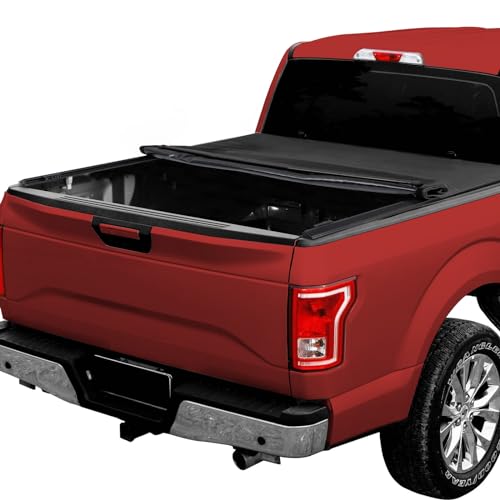
- Toolboxes and Bed Covers: While useful, a heavy-duty cross-bed toolbox, especially when loaded with tools, or a robust tonneau cover can add another 50-150 pounds.
- Larger Tires and Wheels: Upgrading to heavier aftermarket wheels and larger, more aggressive tires (e.g., mud-terrains) can increase unsprung weight significantly, affecting both curb weight and driving dynamics.
- Utility Racks and Camper Shells: If you equip your bed with a utility rack for hauling ladders or a fiberglass camper shell, you’re adding substantial weight that needs to be accounted for in your payload calculations.
Practical Implications of Ram 2500 Weight for Owners
Understanding your Ram 2500’s various weight specifications isn’t just a matter of trivia; it has tangible impacts on how you use and maintain your truck. These figures directly influence safety, performance, and even legal compliance.
Fuel Economy and Driving Dynamics
The heavier your truck, the more energy it takes to move it, which directly affects how often you’ll be visiting the gas station and how your truck handles on the road.
- Reduced Fuel Efficiency: Every additional pound requires more power from the engine, leading to increased fuel consumption. A heavier truck, especially one loaded close to its GVWR, will see a noticeable drop in MPG compared to an unladen lighter configuration.
- Impact on Acceleration and Braking: A heavier vehicle will take longer to accelerate and require a longer distance to stop. This is a critical safety consideration, particularly when towing or hauling. Always allow for extra braking distance.
- Handling Characteristics: While the Ram 2500 is built for heavy loads, a significantly heavier truck will exhibit different handling. Expect more body roll, a slightly less nimble feel, and increased wear on suspension components over time if frequently run at maximum weights.
Towing, Hauling, and Legal Considerations
This is where understanding GVWR and payload becomes absolutely crucial. Overloading your Ram 2500 can have serious safety, legal, and mechanical repercussions.
- Ensuring Safe Towing and Hauling: Your truck’s payload capacity dictates how much weight you can safely carry in the cab and bed, including passengers, cargo, and the tongue weight of a trailer. Exceeding this limit compromises stability, braking, and overall safety. Always factor in the weight of your passengers and any modifications.
- Preventing Mechanical Stress: Consistently overloading your truck can lead to premature wear and tear on critical components like tires, brakes, suspension, and even the transmission. This can result in costly repairs and reduced lifespan for your vehicle.
- Legal Compliance and Insurance: Many jurisdictions have weight limits for vehicles, and driving an overloaded truck can result in fines, especially if involved in an accident. Furthermore, some insurance policies might not cover damages if the vehicle was found to be operating beyond its manufacturer-specified limits.
- The Importance of Weighing: The best way to know if you’re within limits is to use a certified public scale (like those at truck stops, often called CAT scales). Weigh your truck empty, then weigh it loaded with your cargo or trailer. This provides real-world numbers for informed decision-making.
Conclusion
The weight of your Ram 2500 is a multifaceted topic, extending far beyond a single number. From its initial curb weight, influenced by trim and powertrain, to its crucial GVWR and payload capacity, each specification plays a vital role in the truck’s performance, safety, and utility. Understanding these figures empowers you to maximize your truck’s potential while ensuring safe and compliant operation.
Always consult your specific owner’s manual and the sticker on your driver’s side door jamb for the precise weight ratings of your Ram 2500. When in doubt about your loaded weight, find a local CAT scale to get accurate measurements. Drive informed, drive safe, and confidently handle any task your Ram 2500 is designed for!
❓ Frequently Asked Questions
What is the difference between curb weight, GVWR, and payload capacity for a Ram 2500?
Curb weight is the empty weight of the truck with standard equipment, full fluids, but no passengers or cargo. GVWR (Gross Vehicle Weight Rating) is the maximum total weight the truck can safely handle, including the truck itself, fuel, passengers, and cargo. Payload capacity is the maximum weight of cargo and passengers a truck can carry, calculated by subtracting the curb weight from the GVWR.
How much does a Ram 2500’s weight vary between different cab styles and bed lengths?
Cab styles significantly impact weight; a Crew Cab is heavier than a Regular Cab, and a Mega Cab is the heaviest. Similarly, an 8-foot bed adds more weight than a 6-foot-4-inch bed. These variations, combined with engine and drivetrain, can lead to a difference of over 1,000 pounds between the lightest and heaviest configurations.
What is the maximum payload capacity for a Ram 2500?
The maximum payload capacity for a Ram 2500 varies widely, typically ranging from 2,000 to over 4,000 pounds. Lighter configurations (e.g., 2WD Regular Cab with a gas engine) generally offer the highest payload, while heavier options like a 4WD Mega Cab Cummins will have a lower payload capacity due to their higher curb weight.
Does adding optional features like a sunroof, larger wheels, or trim levels affect the Ram 2500’s weight?
Yes, every added option contributes to the truck’s overall curb weight. Features like sunroofs, power running boards, premium sound systems, larger wheels, and higher trim levels (e.g., Laramie, Limited) will increase the truck’s empty weight, consequently reducing its available payload capacity.
Why is it important to know the precise weight of my Ram 2500 and its weight ratings?
Knowing your Ram 2500’s precise weight and ratings is crucial for safety, legal compliance, and optimal performance. Exceeding the GVWR or payload capacity can compromise braking, handling, tire integrity, and suspension, potentially leading to accidents or costly repairs, and can result in fines during weigh-ins.
Are Ram 2500 weights consistent across different model years or generations?
No, Ram 2500 weights can vary between different model years and generations due to design changes, material updates, and new technologies. For example, a 2018 Ram 2500 might have slightly different specifications than a 2024 model, even with similar configurations. Always consult the specific vehicle’s documentation or doorjamb sticker for the most accurate information.