2012 Dodge Ram 1500 Oil Pressure Sensor Location: Diagnostic and Replacement Guide (2024)
Last Updated on January 7, 2026 by Ryan
Finding the exact 2012 Dodge Ram 1500 oil pressure sensor location is critical for resolving erratic gauge readings. Whether you have a 5.7L Hemi or V6, professional assistance is nearby to ensure your engine remains protected. Our community-focused shop is dedicated to serving RAM owners with the best parts available, providing authoritative guidance for this common maintenance task.
As a professional with over 15 years in the automotive industry, I’ve seen hundreds of Ram trucks roll into the shop with “ghost” oil pressure readings. In many cases, owners fear a complete engine failure when the culprit is simply a $40 electrical component. Understanding the nuances of the 2012 models—specifically the transition in the Hemi and PowerTech engine platforms—is essential for a successful DIY repair or an informed conversation with your trusted local mechanic.
Precise Oil Pressure Sensor Locations for 3.7L, 4.7L, and 5.7L Hemi Engines


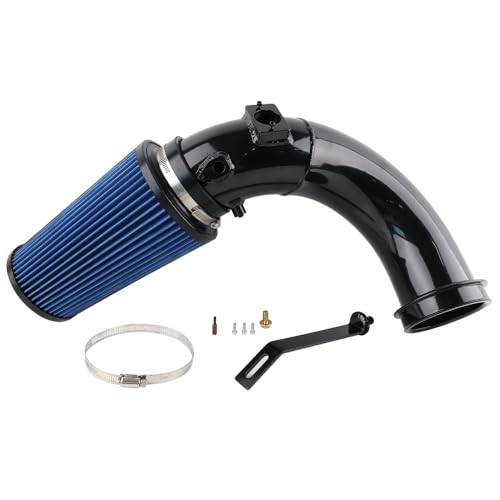
The 2012 Dodge Ram 1500 was available with three primary powerplants. While the sensors perform the same function—monitoring the oil pressure system and sending signals to the PCM (Powertrain Control Module)—their accessibility varies significantly. Finding a convenient path to the sensor is half the battle.
5.7L Hemi V8 Location
The 5.7L Hemi is the most common engine in the Ram 1500 fleet. The oil pressure sensor is located on the passenger side front of the engine block. To see it, you must look behind the alternator. In most cases, the alternator must be unbolted and moved aside to allow enough clearance for the socket wrench and the sensor’s electrical connector. It is threaded directly into the block near the oil filter adapter.
4.7L PowerTech V8 Location
On the 4.7L engine, the sensor is typically more accessible from underneath the vehicle. It is located on the driver’s side of the engine block, very close to the oil filter. It is often mounted on the oil filter adapter housing itself. If you are performing an oil change, this is a highly accessible time to inspect the sensor for leaks.
3.7L V6 Location
Similar to its larger PowerTech sibling, the 3.7L V6 places the sensor on the lower left (driver) side of the engine, threaded into the block near the oil filter. While it is accessible, the proximity to the frame rail can make the use of a standard deep socket difficult, often requiring a specialized thin-walled oil pressure sensor socket.
By The Numbers
Of all engine-related repairs in trucks over 5 years old
Typical mileage range for sensor failure in 2012 models
3 Critical Symptoms of a Failing Oil Pressure Sending Unit


Research indicates that many 2012 Dodge Ram 1500 owners report sensor issues after the 75,000-mile mark. Recognizing the symptoms early can prevent you from being stranded or misdiagnosing a healthy engine as having low oil pressure.
Erratic Gauge Readings
The needle on the dashboard fluctuates wildly or “pegs” to the maximum or minimum without any change in engine RPM or temperature.
Check Engine Light (CEL)
The PCM detects an out-of-range electrical signal and triggers a DTC (Diagnostic Trouble Code) like P0520 or P0521.
Oil Pressure Warning Lamp
The “Low Oil Pressure” chime sounds even when the oil level is correct and the engine is running smoothly without mechanical noise.
Step-by-Step Instructions: How to Replace a 2012 Ram 1500 Oil Pressure Sensor


📋
Replacement Procedure
Before working on the electrical components, disconnect the negative battery cable. This prevents short circuits, especially if you need to remove the alternator on Hemi models.
For 5.7L Hemi: Remove the serpentine belt and unbolt the alternator. For 4.7L/3.7L: Lift the vehicle and remove the front driver-side wheel or splash guards to reach the oil filter area.
Depress the red locking tab on the electrical connector and pull it away. Use a 1-1/16″ (27mm) oil pressure sensor socket to unthread the old unit. Keep a rag nearby for minor oil drainage.
Apply a small amount of Teflon tape or thread sealant to the new sensor. Thread it in by hand first to avoid cross-threading, then tighten to 15-20 ft-lbs. Reassemble components in reverse order.
Expert Diagnostic Troubleshooting to Rule Out Mechanical Oil Pump Failure
One of the most common pitfalls in DIY repair is “parts cannon” engineering—replacing sensors without confirming the actual oil pressure. A study of automotive repair shops shows that approximately 3% of engine repairs are sensor-related, but mechanical pump failure, while rarer, is far more catastrophic.
Before replacing the oil pressure sensor, verify the oil pressure with a mechanical gauge. If the mechanical gauge shows steady, healthy pressure (typically 25-65 PSI depending on RPM), you have confirmed the sensor is faulty. If the mechanical gauge also shows low pressure, the issue is likely a clogged oil pickup tube or a failing oil pump.
Never ignore a low oil pressure warning. If the engine begins making a rhythmic metallic ticking or knocking noise, shut it off immediately. Running an engine without adequate oil pressure for even a few minutes can cause irreparable damage to the camshafts and crankshaft bearings.
Choosing the Right Part: OEM vs. Aftermarket
When sourcing a replacement, consider the longevity of the component. The 2012 Ram 1500 system reset often happens automatically once the PCM detects a valid signal, but a low-quality aftermarket sensor may fail within months.
✅ Pros of Mopar OEM
- Exact calibration for Ram cluster
- Superior heat resistance
- Plug-and-play connector fit
- Better long-term reliability
❌ Cons of Aftermarket
- Higher failure rate (DOA)
- Potential for incorrect PSI readings
- O-rings may leak prematurely
- May not include thread sealant
Protecting Your 2012 Ram 1500 for the Long Haul
Whether you are tackling the 2012 Dodge Ram 1500 oil pressure sensor location on a Hemi or a PowerTech engine, the key is patience and the right tools. By following these professional diagnostic steps and ensuring the electrical system is properly handled, you can save hundreds of dollars in labor costs and gain the peace of mind that your engine’s vitals are being monitored accurately.
If you find that the sensor is not the issue, or if you are uncomfortable removing the alternator on your Hemi engine, remember that expert help is available. Your trusted local service center can provide a comprehensive oil system health check, ensuring your RAM remains a reliable workhorse for many more miles. Don’t let a small sensor compromise your engine’s longevity—act today to keep your readings accurate and your engine protected.
Frequently Asked Questions
Where is the oil pressure sensor located on a 2012 Dodge Ram 1500 with a 5.7L Hemi?
On the 5.7L Hemi, the sensor is located on the front of the engine block, often positioned behind the alternator. Access usually requires removing the air intake ducting or partially unmounting the alternator to reach the electrical connector and the sensor’s threaded base safely.
What are the primary symptoms of a bad oil pressure sensor?
Common symptoms include a fluctuating oil pressure gauge, the ‘Check Gauges’ light illuminating, or a pegged needle at zero or maximum pressure. Additionally, you may see a P0520 or P0521 diagnostic trouble code. These signs indicate the sensor is no longer accurately communicating with the PCM.
How much does it cost to replace the oil pressure sensor on a 2012 Ram 1500?
Professional replacement generally costs between $100 and $250. This includes the cost of the sensor and roughly one hour of labor. Prices vary depending on the engine type, as some configurations require more component removal to reach the sensor location than others.
What makes the RAM 1500 oil pressure sensor unique?
In 2012 Ram models, particularly those with the 5.7L Hemi, the sensor data is integrated with the Multi-Displacement System (MDS). If the sensor fails, the MDS may not engage properly, leading to decreased fuel efficiency and potential engine performance issues beyond just a faulty dashboard reading.
How can I accurately diagnose a faulty sensor versus a bad oil pump?
The most authoritative diagnostic method is using a mechanical oil pressure gauge. By connecting a manual gauge directly to the engine block, you can compare the physical pressure reading to the dashboard’s electronic readout. If manual pressure is normal but the dashboard is low, the sensor is faulty.