What Does Midrange Do In A Car Expert Guide What 2026
Last Updated on September 1, 2026 by Albert Duke
Midrange in a car audio system refers to the frequencies between the low bass tones and the high treble notes. It is crucial for reproducing the most recognizable sounds in music, such as human voices and primary instruments, providing clarity and presence to your car’s soundstage.

Prime for Young Adults — 6 Months Free
Students and 18–24s get six months of Prime free, then half price.
Start 6 Months FreeMidrange in a car audio system refers to the frequencies between the low bass tones and the high treble notes. It is crucial for reproducing the most recognizable sounds in music, such as human voices and primary instruments, providing clarity and presence to your car’s soundstage.
What does midrange do in a car’s audio system is a fundamental question for anyone seeking better sound. Midrange frequencies are the heart of your music. They carry the critical vocal and instrumental tones that define clarity and realism in your listening experience.
Without well-reproduced midrange, music can sound hollow, distant, or simply “off.” This essential part of the audio spectrum bridges the gap between deep bass and sparkling highs. Understanding its function is key to appreciating and upgrading your vehicle’s sound in 2026.
We will now explore what “midrange” means specifically within car audio. We will also highlight its profound impact on overall sound quality.
Key Takeaways
Recommended Best Deal Products


- Midrange covers vocal and instrument frequencies.
- It bridges bass and treble for balanced sound.
- Dedicated midrange speakers enhance clarity.
- Crossovers direct specific frequencies to speakers.
- Proper midrange improves audio immersion.
What Does Midrange Mean for Car Sound?
For car audio, midrange refers to the specific band of frequencies that are most perceptible to the human ear. This spectrum typically covers sounds from approximately 250 Hertz (Hz) up to 2,000 Hz, or 2 kilohertz (kHz) . These frequencies are where much of music’s detail resides.

It is important to clarify that this “midrange” is distinct from an engine’s “midrange RPMs.” We are exclusively discussing acoustic frequencies here. These are the sounds you hear coming from your speakers.
Defining the Range
The midrange frequency range is where most familiar sounds are concentrated. It acts as the backbone of nearly all music genres. From classical symphonies to modern pop hits, these frequencies deliver the core content.
Vocal Frequencies
Human voices fall squarely within the midrange. Male voices typically occupy the lower part of the midrange, while female voices extend into the higher end. A clear midrange allows you to distinctly hear lyrics and vocal nuances, making the artist’s performance truly shine.

Audible — Listen Free for 30 Days
One free credit a month and thousands of titles included.
Listen Free for 30 DaysInstrument Tones
Many primary musical instruments, such as guitars, pianos, trumpets, and violins, produce their fundamental tones within the midrange. When these frequencies are accurately reproduced, each instrument retains its unique character and presence. This prevents them from blending into an indistinct sonic mush. We will next look at how these frequencies interact with the entire audio spectrum.
How 3 Key Frequencies Shape Your Audio
Recommended Best Deal Products

Your car’s audio system produces sound across three main frequency ranges: low, midrange, and high. Each range requires different speaker technologies for optimal reproduction. They work together to create a full and dynamic listening experience.
High End Details
High frequencies, also known as treble, typically range from 2,000 Hz to 20,000 Hz. These are handled by tweeters. They provide crispness, sparkle, and detail to your music. Examples include cymbal crashes, high-hats, and the delicate overtones of strings.
Low End Impact
Low frequencies, or bass, range from about 20 Hz to 250 Hz. Woofers and subwoofers are designed to reproduce these deep, resonant sounds. Bass provides the rhythmic foundation and impact, from kick drums to bass guitars. You can read more about enhancing your vehicle’s low-end response in our guide to improving car bass.
Crucial Middle Ground
Midrange acts as the bridge between these extremes. It connects the punch of the bass with the clarity of the treble. Without a strong midrange, vocals can sound recessed, and instruments lose their definition. The midrange provides the warmth and presence that makes music feel “live.” Now, let’s explore the specific speakers responsible for handling this vital frequency range.
Which Speakers Handle Midrange Frequencies?
The task of reproducing midrange frequencies in a car audio system falls to specific speaker components. These components are designed to efficiently handle the intricate vocal and instrumental details that define the midrange spectrum.

Dedicated Midrange Drivers
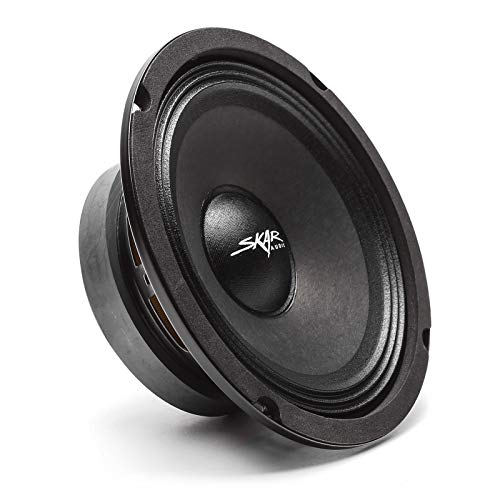
In high-fidelity car audio setups, dedicated midrange drivers are used. These are specialized speakers optimized solely for the midrange frequencies. They typically range in size from 3 to 5 inches . Their smaller size allows them to be highly responsive and accurate within their specific frequency band.
Installing dedicated midrange speakers greatly enhances the clarity of vocals and instruments.
Full Range Solutions
Many factory car audio systems and basic aftermarket speakers use “full-range” drivers. These attempt to reproduce the entire audible spectrum (bass, midrange, and treble) from a single cone. While convenient, full-range speakers often compromise on sound quality. They struggle to accurately reproduce the detailed nuances of the midrange.
Audible Premium Plus — Annual Membership
12 audiobook credits up front, plus the full Audible catalogue.
See Annual PlansFor an in-depth comparison, consider exploring the differences between 2-way vs 3-way car speakers.
Crossover Integration
Crossovers are electronic filters essential for any multi-speaker system. They ensure that each speaker only receives the frequencies it is designed to reproduce. For dedicated midrange speakers, a crossover blocks out low bass and high treble signals. This prevents distortion and allows the midrange driver to focus on its intended job.
Without proper crossover integration, even the best midrange speaker cannot perform optimally. This meticulous frequency management is why clear midrange reproduction is so impactful.
Why Midrange Clarity Makes a Difference
The clarity of your car’s midrange frequencies profoundly impacts your overall listening enjoyment. It transforms a generic audio experience into an immersive one. This is where music comes alive, providing depth and realism.
Realistic Soundstage
A well-reproduced midrange creates a realistic soundstage within your vehicle. It makes instruments and voices appear to come from specific locations. This simulates the experience of attending a live performance or sitting in a recording studio. Good sound staging ensures instruments are not just heard but also “placed” correctly in the audio image.
Balanced Audio Mix
Midrange clarity is crucial for a balanced audio mix. It prevents music from sounding overly bass-heavy or excessively bright. When midrange is distinct, it allows all elements of a song to coexist harmoniously. You can appreciate the nuances of each instrument and vocal track without anything getting lost.
Our resource on car audio frequency spectrum provides more context on balancing these elements.
Recognizing Poor Midrange
You can identify poor midrange reproduction by certain listening cues. Voices might sound muffled, distant, or “nasal.” Instruments may lack definition, blending together instead of standing out. If your music sounds flat or unengaging, a lack of midrange clarity is often the culprit. Conversely, an overly harsh or shouty sound can indicate exaggerated midrange.
Such issues detract significantly from your drive. Let’s look at practical steps to enhance your car’s midrange performance.
3 Ways to Improve Car Midrange Sound
Enhancing your car’s midrange audio does not always require a complete system overhaul. Several targeted adjustments can significantly improve vocal and instrumental clarity. These improvements make a noticeable difference in your daily commute for 2026.
Speaker Upgrades
The most direct way to improve midrange is by upgrading your speakers. Installing dedicated midrange drivers as part of a 3-way component system offers superior performance. Even replacing old, worn-out full-range speakers with higher-quality models can yield significant improvements. Look for speakers with good sensitivity and a strong neodymium magnet for better responsiveness.
You can find detailed guides on choosing car speakers that suit your needs.
Crossover Adjustments
If your system includes an aftermarket amplifier or digital sound processor (DSP), fine-tuning your crossovers is crucial. Ensure your midrange speakers are receiving the correct frequency band. Setting the high-pass filter (HPF) and low-pass filter (LPF) accurately for your midrange drivers prevents distortion. It also maximizes their efficiency. Consult your component manual or a professional for precise settings.
Strategic Placement
The physical placement of midrange speakers within your car affects sound quality. Midrange frequencies are directional. Aiming them towards the listener’s ear can dramatically improve imaging and soundstage. Consider custom door pods or dashboard mounts if factory locations are suboptimal. Minimizing obstacles between the speaker and the listener also helps preserve clarity.
Good placement significantly enhances the perception of vocal clarity in car audio.
Understanding and optimizing your car’s midrange is a cornerstone of achieving truly excellent sound. By focusing on these essential frequencies, you unlock a richer, more detailed, and engaging listening experience.
Frequently Asked Questions
What Is the Typical Frequency Range for Midrange in Car Audio?
The typical frequency range for midrange in car audio systems is approximately 250 Hz to 2,000 Hz. This range covers the majority of human speech and the fundamental tones of many musical instruments, contributing significantly to sound clarity and presence.
Why Is Midrange Important for Car Sound Quality?
Midrange is vital for car sound quality because it handles the most recognizable audio elements like vocals and lead instruments. Clear midrange ensures voices sound natural and instruments are distinct, preventing music from sounding muffled or unbalanced between bass and treble frequencies.
Are Midrange Speakers the Same as Full Range Speakers?
No, midrange speakers are not the same as full-range speakers. Midrange speakers are dedicated drivers designed to reproduce only the midrange frequencies, typically in a multi-component system. Full-range speakers attempt to cover a wider spectrum of frequencies with a single cone, often compromising clarity in the midrange.
How Do Crossovers Relate to Midrange Speakers?
Crossovers are electronic filters that direct specific frequency ranges to the appropriate speakers. For midrange speakers, a crossover ensures they only receive the midrange frequencies, preventing them from trying to reproduce bass or treble tones, which could damage the speaker or degrade sound quality.
Can I Improve My Car’s Midrange Sound Without Buying New Speakers?
Yes, you can often improve your car’s midrange sound without buying new speakers. Adjusting equalizer settings to boost or cut specific midrange frequencies, ensuring proper speaker placement, and optimizing crossover points if your system allows are all effective methods.