How to Tell Your Tire’s Ply: Load Range Markings Explained 2026
Last Updated on September 1, 2026 by Ryan
To determine your tire’s ply rating, look for the Load Range (LR) marking on the sidewall, which is the modern standard for indicating a tire’s strength and carrying capacity. This alphanumeric code, such as ‘Load Range E’, directly corresponds to a historical ply rating equivalent. Understanding these markings is crucial for proper tire selection and safe vehicle operation.
🎯 Key Takeaways


- Locate Load Range (LR) on the tire sidewall.
- Load Range replaces traditional ply rating.
- Higher Load Range signifies greater carrying capacity.
- Check ‘Max Load’ and ‘Max PSI’ for limits.
- Modern tires use advanced materials, not literal plies.
To determine the ply rating, or more accurately, the modern Load Range of your tire, you need to locate a specific letter code on its sidewall. This Load Range letter (such as C, D, E, or F) is the industry standard indicating a tire’s strength and maximum load-carrying capacity, directly superseding the outdated “ply rating” system.

Understanding your tire’s Load Range is crucial for safety and performance, ensuring your tires are robust enough for your vehicle’s weight and intended use. While historically referring to the literal number of fabric layers, today’s Load Range provides a clear, standardized measure of a tire’s construction strength and its ability to support weight at a specific inflation pressure.
Understanding Tire Load Range: The Modern Ply Equivalent

From Literal Plies to Performance Ratings
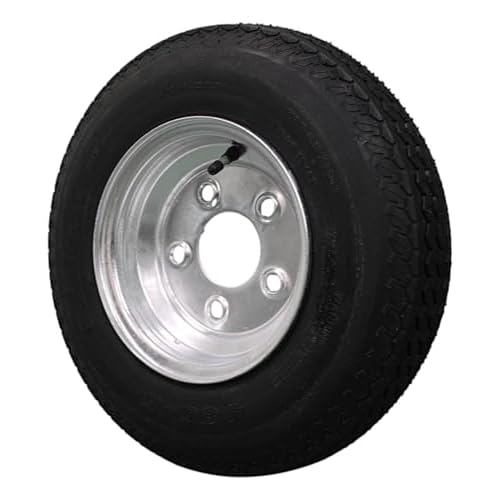
The term “ply rating” originated when tires were constructed with multiple layers, or plies, of cotton or rayon cord. A higher ply count genuinely meant a stronger tire. However, modern tire technology has evolved dramatically. Today’s tires utilize advanced materials like steel, polyester, and nylon, allowing for greater strength with fewer actual plies. This innovation meant that a tire with, for example, two steel plies could outperform an older tire with eight fabric plies.

To standardize this, the tire industry developed the “Load Range” system. Load Range is a letter designation that accurately describes a tire’s maximum load-carrying capacity at a specified inflation pressure, regardless of the actual number of internal plies. It’s a performance metric, not a literal ply count, but it correlates to the strength levels traditionally associated with ply ratings.
Load Range vs. Historical Ply Rating Equivalent
While Load Range is the current standard, understanding its historical “ply rating equivalent” can help provide context for those familiar with older terminology. Remember, these are equivalents, not actual ply counts within the tire’s construction.
- Load Range C: 6-ply equivalent
- Load Range D: 8-ply equivalent
- Load Range E: 10-ply equivalent
- Load Range F: 12-ply equivalent
- Load Range G: 14-ply equivalent
- Load Range H: 16-ply equivalent
- Load Range J: 18-ply equivalent
- Load Range L: 20-ply equivalent
- Load Range M: 22-ply equivalent
This table clearly shows how a higher letter corresponds to a greater load-carrying capacity, reflecting a stronger tire designed for heavier applications. Always refer to the Load Range letter, as it’s the precise and relevant specification for modern tires.
Everything You Need to Know About Tire Ply Rating
Understanding a tire’s ply rating, or more accurately its load range, is crucial for vehicle safety, performance, and longevity. This comprehensive guide will walk you through the precise methods for identifying the structural strength of your tires, ensuring they are appropriate for your vehicle’s intended use. Following these detailed steps will empower you to make informed decisions about tire selection and maintenance, preventing premature wear, potential blowouts, and ensuring compliance with manufacturer specifications. Let’s dive in and demystify tire construction.
Step 1: Grasp the Modern Concept of Ply Rating
What you need: No tools required; just an understanding of tire terminology evolution.
Instructions: Historically, “ply rating” directly referred to the number of fabric layers (plies) within a tire’s casing. A 6-ply tire literally had six layers. However, with advancements in radial tire technology and stronger materials like steel belts, this direct correlation no longer holds true for most modern passenger and light truck tires. Today, “ply rating” is an index indicating a tire’s strength and load-carrying capacity, often expressed as a “Load Range” (e.g., C, D, E) or a “Load Index” (a numerical value). It’s a way to standardize strength across different construction types, not a literal count of physical plies. Familiarize yourself with this shift to avoid common misconceptions about tire construction.
Pro Tip: Do not attempt to physically count plies on a modern radial tire. The “ply rating” you see on the sidewall, if present, is almost always an equivalent strength rating, not the actual number of layers.
Step 2: Locate Key Markings on the Tire Sidewall
What you need: A clean cloth (optional, for wiping dirt), good lighting (flashlight if needed), and possibly a piece of paper and a pen to note down findings.
Instructions: The tire sidewall is a treasure trove of information, and it’s where you’ll find the most critical data regarding its strength. Start by locating the manufacturer’s name, tire size (e.g., P235/75R15), and then carefully scan the entire sidewall. Look for combinations of letters and numbers that might indicate load capacity. These markings are often stamped or molded into the rubber. You might need to rotate the tire slowly or move around your vehicle to find all the relevant information, as it may not be immediately visible from a single vantage point. Pay close attention to smaller text often found near the bead or alongside the main size information. Look for codes like “LT,” “Load Range,” or a three-digit number followed by a letter.
Pro Tip: Sidewall markings can sometimes be faint or obscured by dirt. Use a bright flashlight and gently wipe the area with a damp cloth if necessary to ensure you don’t miss any crucial details. Don’t confuse manufacturing date codes with load information.
Step 3: Identify the Load Range or Load Index Code
What you need: Your noted information from the tire sidewall.
Instructions: Once you’ve located the tire size (e.g., LT235/75R15), immediately following it, or sometimes near it, you will find the load range or load index. For light truck (LT) tires, you’ll typically see a letter code like “C,” “D,” “E,” or “F,” often preceded by “Load Range” or “LR.” For example, “LT235/75R15 Load Range E.” For passenger (P) tires, you’ll more commonly see a two or three-digit number followed by a letter (e.g., “P215/65R16 98H”). The number is the “Load Index,” and the letter is the “Speed Rating.” The Load Index is the modern, more precise indicator of a tire’s maximum load capacity when properly inflated. Note down this specific code accurately as it’s the primary key to understanding the tire’s strength.
Pro Tip: Be mindful of the difference between “P” (Passenger) and “LT” (Light Truck) tires. LT tires are generally designed for heavier loads and commercial use, thus their ply rating (load range) is often more critical and explicitly stated with letter codes.
Step 4: Decode the Load Range/Ply Rating Equivalence Chart
What you need: The Load Range letter (e.g., C, D, E) or Load Index number you found on the sidewall.
Instructions: With your identified Load Range letter or Load Index number, you’ll need to consult a standard conversion chart. While a literal “ply” count is rare, these charts provide the equivalent ply rating. Here’s a common equivalence for light truck tires:
- Load Range B = 4-ply equivalent
- Load Range C = 6-ply equivalent
- Load Range D = 8-ply equivalent
- Load Range E = 10-ply equivalent
- Load Range F = 12-ply equivalent
- Load Range G = 14-ply equivalent
For Load Index numbers (found on P-metric tires), you’ll need to look up a more detailed chart online or in a tire manual to find the exact maximum load in pounds or kilograms corresponding to that number. This step directly translates the modern markings into the traditional “ply rating” concept and maximum load capacity.
Pro Tip: Always cross-reference your findings with multiple reliable sources, such as tire manufacturer websites or reputable tire dealer charts, as minor variations can occur based on tire type and brand.
Step 5: Consult Your Vehicle’s Owner’s Manual or Door Jamb Sticker
What you need: Your vehicle’s owner’s manual and access to the driver’s side door jamb.
Instructions: Your vehicle’s manufacturer specifies the minimum tire ply rating or load range required for safe operation. This critical information is typically found on a sticker located on the driver’s side door jamb (often near the latch mechanism) or sometimes inside the glove compartment. It will list the recommended tire size, inflation pressures, and often the required load range or load index. Compare the ply rating or load range you identified on your actual tires with the manufacturer’s recommendations. Ensure your current tires meet or exceed these specifications. If your tires have a lower load rating than recommended, they are unsafe for your vehicle’s intended use and should be replaced immediately.
Pro Tip: Never install tires with a lower load range/ply rating than what your vehicle manufacturer specifies. Doing so can lead to tire failure, poor handling, reduced braking effectiveness, and is a significant safety risk, especially when carrying heavy loads or towing.
Step 6: Utilize Online Resources for Specific Tire Models
What you need: The full tire model name and size (e.g., Michelin Defender LTX M/S, LT275/70R18) and internet access.
Instructions: If you’re still uncertain about the ply rating or want to double-check the information gathered, a powerful tool is the internet. Visit the website of the tire manufacturer (e.g., Goodyear, Bridgestone, BFGoodrich). Navigate to their product catalog or use their tire search function. Enter the complete tire model name and size, including the load range or load index you found on the sidewall. The manufacturer’s official product page will provide detailed specifications, including the actual construction (e.g., 2 steel belts, 2 polyester body plies, 1 polyamide ply) and the equivalent ply rating, confirming all the information you’ve gathered. This is particularly useful for verifying the intricacies of modern radial construction and understanding material composition.
Pro Tip: When searching online, ensure you are on the official manufacturer’s website or a highly reputable tire retailer’s site. Third-party forums or less official sources might contain outdated or incorrect information. Cross-reference with at least two trusted sources if doubt persists.
✅ Final Checklist
- Identified the Load Range (e.g., C, D, E) or Load Index (numerical code) on all four tires.
- Consulted a Load Range/Ply Rating equivalence chart to understand the strength.
- Verified that the tire’s ply rating meets or exceeds the vehicle manufacturer’s specifications on the door jamb sticker.
- Confirmed information through the tire manufacturer’s official website for accuracy.
- Ensured all tires on the vehicle have consistent and appropriate ply ratings for safe operation.
Important Notes:
- Safety considerations or warnings: Always ensure your tires’ load capacity matches or exceeds your vehicle’s requirements. Using tires with an insufficient ply rating can lead to overheating, rapid wear, and catastrophic tire failure, especially when carrying heavy loads or towing. Never overload your vehicle beyond its Gross Vehicle Weight Rating (GVWR) regardless of tire ply rating. Improper ply rating can also void tire warranties.
- When to seek professional help: If you are unsure about any of the markings, cannot find the necessary information, or suspect your tires are incorrectly rated for your vehicle, consult a qualified tire professional or mechanic immediately. They have specialized tools and knowledge to accurately assess your tires and provide expert advice on replacements.
- Estimated time and cost range: This process typically takes 5-15 minutes per tire if performed manually. Online verification adds another 5-10 minutes. There is no direct cost involved in checking the ply rating, but replacing tires with an incorrect rating will incur standard tire replacement costs (typically $100-$300+ per tire, depending on type, brand, and vehicle application).
Locating Load Range Markings on Your Tire Sidewall
Where to Look: The Sidewall Code
Identifying your tire’s Load Range is straightforward once you know where to look. The Load Range is always prominently displayed as part of the tire’s size and service description on the sidewall. You will find it as a single capital letter, typically immediately following the wheel diameter (e.g., R16, R17) and often preceding the load index and speed rating.

For Load Range to be applicable, your tire will usually start with “LT” (Light Truck), indicating it’s designed for heavier loads common in trucks, SUVs, and vans. Passenger car (P-metric) tires, by contrast, typically do not use Load Range letters in this format; instead, they are generally classified as “Standard Load” (SL) or “Extra Load” (XL) based on their construction and maximum load capacity.
Decoding the Full Tire Code for Load Range
Let’s use a common Light Truck tire marking to pinpoint the Load Range. Consider the code: LT235/85R16E 120/116R.
Here’s how to break it down and find your Load Range:
- LT: Identifies the tire as a Light Truck tire, meaning Load Range will be specified.
- 235: Indicates the tire’s section width in millimeters (235mm).
- 85: Represents the aspect ratio (the tire’s height as a percentage of its width).
- R: Specifies Radial construction (the most common type).
- 16: Denotes the wheel diameter in inches (for a 16-inch rim).
- E: This is your Load Range. In this example, “E” corresponds to a 10-ply equivalent rating, indicating robust load-carrying capabilities.
- 120/116: These are the load index numbers, indicating the maximum load the tire can carry when used as a single tire (120) or in a dual setup (116).
- R: This is the speed rating, indicating the maximum safe speed for the tire under optimal load conditions.
Always inspect your specific tire’s sidewall carefully. The Load Range letter is a critical piece of information, clearly printed, and essential for matching your vehicle’s requirements.
Interpreting Load Range: From Letters to Ply Equivalents
Once you’ve located the load range on your tire’s sidewall, often marked as a single letter (like C, D, or E), you’re holding the key to its load-carrying capability. This letter isn’t about counting physical plies anymore, but rather a modern classification system that harks back to those historical ply ratings.
Understanding the Load Range Chart
Each letter in the load range system corresponds to a specific strength and maximum air pressure a tire can handle, which in turn dictates its load capacity. Think of it as a strength grade. Here’s a quick rundown of common load ranges and their traditional "ply equivalents":
- Load Range B: Historically a 4-ply equivalent. Generally for light-duty passenger vehicles or small trailers.
- Load Range C: Historically a 6-ply equivalent. Often seen on light trucks, SUVs, and some trailers.
- Load Range D: Historically an 8-ply equivalent. For heavier light trucks and commercial vans.
- Load Range E: Historically a 10-ply equivalent. A common choice for heavy-duty trucks, RVs, and larger trailers.
- Load Range F: Historically a 12-ply equivalent. Used in very heavy-duty applications.
- Load Range G: Historically a 14-ply equivalent. Reserved for the heaviest-duty trucks and commercial vehicles.
Remember, these are modern tires engineered with fewer, stronger plies, yet they meet or exceed the performance of their multi-ply ancestors.
Why Load Range Matters More Than "Ply"
The crucial takeaway is that the load range letter directly tells you about the tire’s engineered strength and the maximum pressure it can safely sustain to carry a given weight. Modern tire construction, utilizing advanced materials like steel belts and synthetic cords, means a Load Range E tire, for example, might only have two body plies, but its overall construction delivers the robust performance of an old 10-ply tire.
When replacing tires, always match or exceed the load range specified by your vehicle manufacturer, usually found on the driver’s side door jamb placard or in your owner’s manual. This ensures your tires are up to the task of safely supporting your vehicle’s weight and any cargo you might carry.
Beyond Load Range: Other Key Tire Capacity Indicators
While Load Range gives you a great overview of a tire’s general robustness, there are even more precise indicators embedded in the sidewall markings that can tell you exactly how much weight a tire can carry and at what speed.
The Load Index: A Precise Measurement
Right after the tire size and often immediately preceding the speed rating, you’ll find the Load Index. This is a two or three-digit number (e.g., 110, 121) that represents the maximum load capacity a single tire can support when properly inflated. Unlike load range letters, the load index gives you a direct, numerical value in pounds or kilograms, usually found by consulting a standardized load index chart.
For example:
- A load index of 100 means a tire can carry 1,764 pounds (800 kg).
- A load index of 110 means it can handle 2,337 pounds (1,060 kg).
- A load index of 121 means it can support 3,197 pounds (1,450 kg).
This is the most accurate way to understand a tire’s weight-carrying capability. Always ensure the load index of your replacement tires meets or exceeds your vehicle’s requirements to maintain safety and performance.
Speed Rating and Its Role
Adjacent to the Load Index is the Speed Rating, represented by a letter (e.g., S, T, H, V, Z). While not directly related to "ply," the speed rating is an essential indicator of a tire’s construction and its ability to dissipate heat and remain stable at sustained high speeds. A higher speed rating generally implies a more robustly constructed tire, designed for better handling and durability under demanding conditions.
For instance, a tire with a "Q" speed rating is designed for speeds up to 99 mph (160 km/h), common on light trucks, while a "V" rating goes up to 149 mph (240 km/h), often found on performance cars. While you might not drive at these top speeds, maintaining the manufacturer’s recommended speed rating ensures the tire’s structural integrity and performance characteristics align with your vehicle’s design.
Conclusion
Understanding your tire’s capabilities is about more than just a historical "ply count." Modern tires use advanced engineering, making the load range letter and the specific load index far more critical for determining true strength and capacity. These markings on your tire’s sidewall are your reliable guides to ensuring your vehicle is equipped with the right tires for safe and efficient operation.
To keep yourself and your cargo safe, always consult your vehicle’s door placard or owner’s manual for the manufacturer’s recommended tire specifications. When replacing tires, make sure their load range and load index meet or exceed these original equipment requirements. Drive confidently, knowing your tires are perfectly suited for the journey ahead!
❓ Frequently Asked Questions
What is the difference between ply rating and Load Range?
Ply rating was a historical term referring to the actual number of fabric layers in a tire. Load Range is a modern industry standard that indicates a tire’s strength and maximum load-carrying capacity through advanced construction materials, without necessarily corresponding to a literal ply count.
How do I find the Load Range if it’s not clearly labeled?
The Load Range is almost always stamped on the tire sidewall, often appearing as ‘LR C’, ‘Load Range D’, or similar. Look closely among the other tire information, usually near the size and maximum pressure details.
Can a tire have multiple Load Range markings?
No, a tire will only have one specific Load Range marking. This single designation defines its intended load-carrying capabilities and structural strength under proper inflation.
Does a higher Load Range always mean a better tire for my vehicle?
Not necessarily ‘better’, but a higher Load Range indicates a tire with greater load capacity. Using a tire with a significantly higher Load Range than required by your vehicle can lead to a harsher ride and potentially reduced traction due to stiffness.
What other markings relate to a tire’s capacity besides Load Range?
Beyond Load Range, you should also look for the ‘Max Load’ (maximum load in pounds or kilograms) and ‘Max PSI’ (maximum inflation pressure) markings on the sidewall. These directly state the tire’s absolute limits for safe operation.
Why don’t modern tires have actual plies matching their Load Range equivalent?
Modern tire technology utilizes advanced materials like steel belts, polyester cords, and reinforced compounds. These innovative constructions achieve superior strength and durability with fewer actual layers, making the historical ‘ply equivalent’ a classification for capacity rather than a literal count.