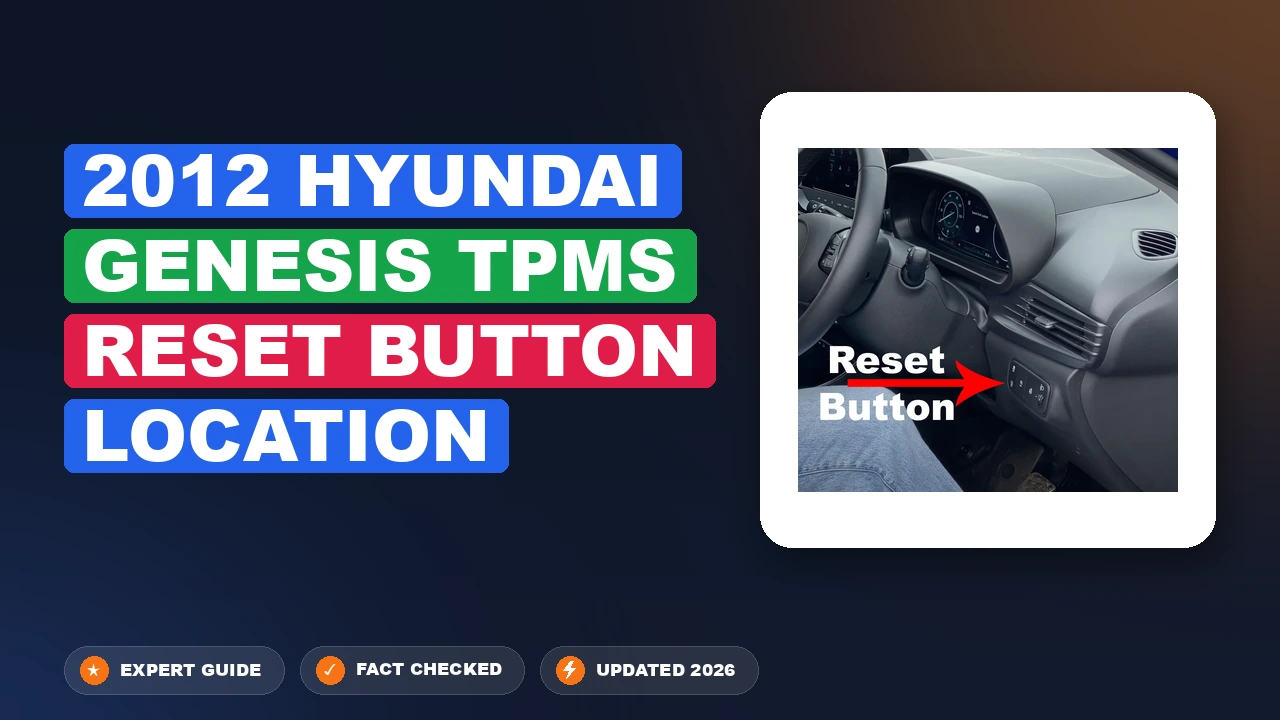
2012 hyundai genesis tpms reset button location: Solved
Are you staring at your dashboard, looking for a reset button that simply isn’t there? Many owners of the 2012 Hyundai Genesis struggle to clear their Tire Pressure Monitoring System (TPMS) warning light because they incorrectly assume a physical reset button exists, a feature common in older vehicle architectures from other manufacturers. In this guide, we will clarify the automatic reset process, walk you through the correct calibration drive cycle, and help you troubleshoot stubborn system warnings to ensure your vehicle is operating safely and accurately.

Understanding the 2012 Hyundai Genesis TPMS Reset Button Location
Recommended Best Deal Products



📤 Share Image

Why No Reset Button Exists
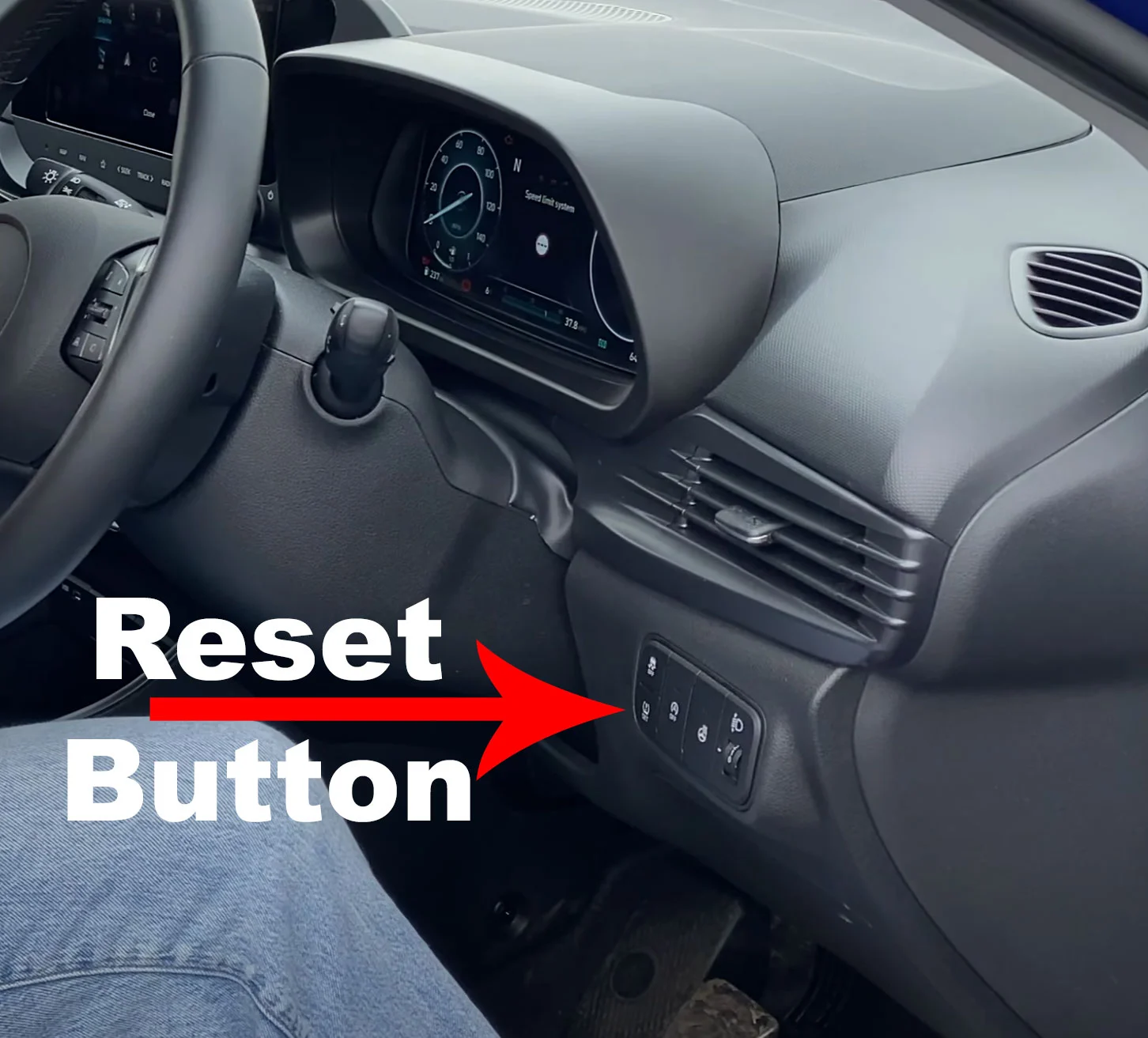
If you have spent time hunting for a hidden button under the steering wheel or inside the glove box, you are not alone. Unlike older Toyota or Nissan models that utilized a manual initiation switch to trigger a recalibration, the 2012 Hyundai Genesis utilizes a sophisticated, fully automatic TPMS control module. This module constantly communicates with the four wheel-mounted TPMS sensors. It does not require manual intervention to "reboot" or "restore" the system because it is programmed to recognize tire pressure changes in real-time.
Interpreting the Tire Pressure Warning Light
Distinguishing between different warning light behaviors is critical. A solid, illuminated tire pressure light typically indicates that one or more tires have dropped below the recommended threshold, which is usually 32–35 PSI for this model. Conversely, a flashing light—usually lasting for 60 to 90 seconds upon startup—signifies a system error. This could be a dead battery in one of the sensors, a hardware fault in the receiver, or an signal interference issue. Do not look for a reset button to clear a flashing light, as it is a diagnostic code, not a calibration prompt.

The Danger of Over-inflation Myths
A common pitfall is the attempt to "force" a reset by significantly over-inflating tires. Industry experts warn against this practice, as it creates uneven tire wear and negatively impacts vehicle handling. The TPMS receiver is calibrated to factory specifications; providing air pressure beyond the placard recommendation will not trigger a reset, but it will increase the risk of a blowout. Always adhere to the tire pressure levels found on the sticker located on the driver-side door jamb.
Procedure to Initialize the 2012 Hyundai Genesis TPMS Calibration
📋
Step-by-Step Guide
Recommended Best Deal Products


Adjust all four tires to the exact PSI specified on the door jamb sticker. Even a 2–3 PSI discrepancy can prevent the sensor from reporting a "normal" status to the control module.
Drive the vehicle at speeds between 30 and 45 mph for at least 15 to 20 minutes. This provides the TPMS sensors enough time to wake up and transmit stable, consistent data to the vehicle’s computer.
Once the sensor values are recognized as being within the safe range for a sustained period, the system will automatically turn off the warning light. No further input is required.
Troubleshooting 2012 Hyundai Genesis TPMS Reset Button Location Faults
If the warning light remains illuminated after the drive cycle, the issue is rarely a calibration failure but rather a hardware malfunction. Below are the common diagnostic paths to resolve these stubborn errors:
- End-of-Life Sensor Batteries: TPMS sensors are powered by non-replaceable lithium batteries that typically last 7–10 years. In a 2012 vehicle, these batteries are often depleted. If one sensor fails, it often indicates the others are near their end-of-life.
- OBD-II Scan Tool Analysis: A standard code reader will not suffice. You require a TPMS-specific tool that can interface with the ECU to read individual sensor IDs and signal strengths. This tool will tell you exactly which wheel is reporting a fault.
- Corrosion and Environmental Damage: Road salt and moisture can corrode the valve stems, preventing proper air pressure reading or causing a slow leak that re-triggers the alarm shortly after manual inflation.
- Professional Service: When the system consistently reports a fault code, replacement of the sensor is mandatory. A professional technician can "initialize" the new sensor ID into the car’s computer to ensure a clean handshake between components.
2012 Hyundai Genesis TPMS Maintenance and Factory Best Practices
Recommended Best Deal Products


Seasonal Sensitivity
Temperature fluctuations are the most common cause of false-positive warnings. Expect the light to turn on during the first cold snap of the season, as air density decreases significantly with temperature.

Audible — Listen Free for 30 Days
One free credit a month and thousands of titles included.
Listen Free for 30 DaysRotation Readiness
During tire rotations, the system naturally learns the new position of each sensor. Ensure the technician confirms sensor signal strength before remounting wheels to avoid post-service light issues.
Industry Data
Temperature drop needed to cause a ~1 PSI loss in tire pressure.
Estimated battery lifespan for OE-spec TPMS sensors.
The 2012 Genesis has no manual reset button. Proper inflation is the primary trigger for the system. The drive cycle is the only way to trigger an automatic reset. Persistent flashing lights indicate a hardware failure, not a calibration issue. If your warning light persists after following these steps, visit your local Hyundai technician to scan for individual sensor fault codes.
2012 Hyundai Genesis Tpms Reset Button Location: Frequently Asked Questions
Where is the TPMS reset button located on a 2012 Genesis?
There is no physical TPMS reset button on the 2012 Hyundai Genesis. Unlike some other vehicle manufacturers that utilize a dash-mounted button to initiate a relearn process, the Genesis system is fully automated. It is engineered to monitor tire pressure and perform a self-diagnostic check, recalibrating automatically once the tires are properly inflated and the vehicle is driven at speed.
Why is my TPMS light staying on after filling my tires?
The TPMS light often remains illuminated because the system has not yet performed a new handshake with the sensors. Even if the tires are filled to the correct PSI, the sensors require the vehicle to be driven for several minutes at highway speeds—typically above 20-25 mph—to wake up and transmit the updated pressure data to the car’s computer, effectively forcing the system to clear the warning.
Do I need to go to the dealer to reset my tire pressure light?
In most cases, you do not need to visit a dealership. If the light is on simply due to low pressure, adjusting the inflation and driving the vehicle should clear it. However, if the light flashes for one minute and then stays solid, it indicates a system malfunction or a dead sensor battery, which requires a professional diagnostic scanner to identify the specific faulty component.
Does the light turn off automatically?
Yes, the light is designed to extinguish itself automatically. Once the TPMS control module detects that all four tires are within the specified PSI range and confirms a successful data transmission from each sensor during a drive cycle, it will remove the warning from the instrument cluster. No manual intervention or button pressing is required to finish the process.
Can aftermarket tires or wheels cause the TPMS light to stay on?
Yes, if you installed aftermarket wheels, you may have failed to transfer the original TPMS sensors, or the new sensors may not be compatible with the Hyundai frequency. Furthermore, if you did not install sensors in the new wheels at all, the light will remain on permanently until sensors are properly registered to the vehicle’s ECU by a qualified tire service technician.
Audible Premium Plus — Annual Membership
12 audiobook credits up front, plus the full Audible catalogue.
See Annual Plans