Nissan Altima Years To Avoid: Identifying Models With Common Issues And Reliability Concerns
Last Updated on January 26, 2026 by Ryan
The Nissan Altima has long been a staple in the mid-size sedan market, valued for its affordability and practical design, making it a consistent contender against rivals like the Honda Accord and Toyota Camry. However, prospective buyers often face a critical question: which Altima model years are best avoided due to recurring mechanical and electrical issues, particularly concerning its Continuously Variable Transmission (CVT)? This expert guide will meticulously detail the specific Nissan Altima years known for significant reliability challenges, providing comprehensive insights into their common defects and equipping you with the knowledge to make a truly informed and trusted purchasing decision.

Audible — Listen Free for 30 Days
One free credit a month and thousands of titles included.
Listen Free for 30 DaysUnderstanding the Nissan Altima’s Market Position and Evolving Reliability Profile
Recommended Best Deal Products



📤 Share Image
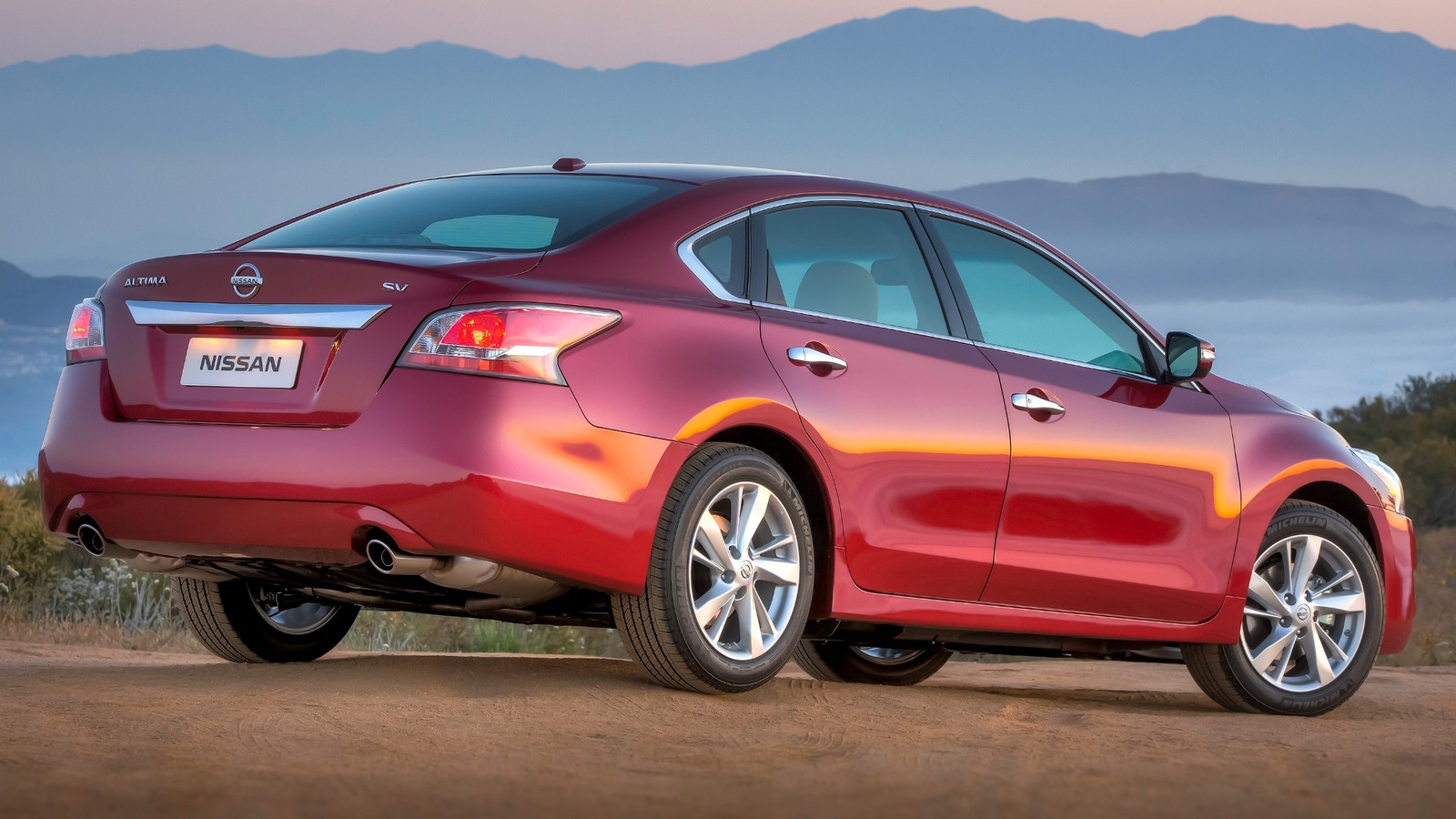
The Nissan Altima has long held a crucial position in the competitive mid-size sedan segment, consistently appealing to buyers seeking an affordable, spacious, and well-equipped family vehicle. Since its introduction, the Altima has carved out a substantial market share, often ranking among the top-selling sedans, showcasing its consistent sales performance and broad appeal. Over the decades, the Altima has undergone significant generational evolution, introducing design changes, technological advancements, and crucial mechanical platform shifts. For instance, the transition from the third generation (2002-2006) to the fourth generation (2007-2012) marked notable changes in styling and interior amenities, while the fifth generation (2013-2018) brought further refinements in aerodynamics and cabin technology.
However, it is essential for any prospective buyer to understand that not all Altima model years are created equal in terms of durability and owner satisfaction. While certain generations, particularly the earlier models, garnered respectable initial quality ratings, the Altima’s reputation for reliability has fluctuated significantly. A pivotal moment in this evolving profile was the widespread adoption of Continuously Variable Transmission (CVT) technology across the Altima lineup, starting prominently in the mid-2000s. While CVTs promised improved fuel efficiency, their early iterations introduced a new set of inherent design challenges that would profoundly impact powertrain reliability and become a central concern for many Altima owners.
Early JD Power Initial Quality Study (IQS) and Vehicle Dependability Study (VDS) ratings sometimes reflected initial market perception positively, but the long-term implications of these technological shifts would later reveal substantial differences in the actual ownership experience for various model years. This nuanced understanding is critical when navigating the used Altima market to identify models with common issues.
The Continuously Variable Transmission (CVT): A Critical Analysis of Problematic Altima Years
The Continuously Variable Transmission (CVT) stands as the single most critical factor contributing to the Altima’s varied reliability reputation. Unlike conventional automatic transmissions with fixed gears, Nissan’s CVTs, such as the RE0F10A/JF011E units prevalent in many models, utilize a belt and pulley system to provide an infinite range of gear ratios. While this design theoretically offers smoother acceleration and superior fuel economy, its implementation in various Altima generations presented significant reliability concerns that ultimately led to widespread owner dissatisfaction and costly repairs.
The Altima model years most notoriously associated with premature CVT failure fall predominantly within the 2007-2013 range, with some early 2014-2016 models also exhibiting similar vulnerabilities, albeit with incremental improvements. Owners of these vehicles frequently reported a consistent set of alarming symptoms: prominent shuddering or jerking during acceleration, hesitation or a complete loss of power, especially under load, and ultimately, catastrophic transmission failure often occurring at alarmingly low mileages, sometimes well before 100,000 miles. These issues are well-documented across platforms like NHTSA’s consumer complaint database, where “powertrain” or “transmission” issues frequently top the list for these specific Altima years. For instance, the 2009 Nissan Altima alone accumulated over 800 NHTSA complaints related to its powertrain, a stark indicator of the problem’s prevalence.
The root cause of these failures often lies in the internal components of the CVT. Common failures include premature wear of the steel drive belt, which can slip or break, and issues with the hydraulic control unit or valve body that regulates fluid pressure to the pulleys. Overheating is another significant factor, often exacerbated by inadequate cooling systems that lead to the rapid degradation of transmission fluid. This degraded fluid loses its lubrication properties, accelerating wear on critical components and eventually leading to system failure.
Nissan acknowledged these widespread issues, responding with extended warranty programs for specific CVT units. For example, many Altima models equipped with the RE0F10A/JF011E CVT had their powertrain warranty extended to 10 years or 120,000 miles, a testament to the scope of the problem. Additionally, numerous class-action lawsuits were filed and settled, impacting hundreds of thousands of vehicles and providing compensation or remedies for affected owners. Despite subsequent design revisions aimed at improving CVT durability in later generations, the early implementations stand as a professional warning against the problematic Altima years.

Prime for Young Adults — 6 Months Free
Students and 18–24s get six months of Prime free, then half price.
Start 6 Months FreeA failing CVT in an Altima typically requires a complete replacement, not a rebuild, due to the complexity and specialized tooling involved. These repairs are exceptionally costly, often ranging from $3,000 to $5,000 or more, making vehicles with existing CVT issues financially unviable for most buyers.

Beyond the CVT: Other Noteworthy Mechanical and Electrical Vulnerabilities in Altima Models
Recommended Best Deal Products


While the CVT is undeniably the most prominent reliability concern for specific Altima years, a comprehensive understanding requires examining other significant mechanical and electrical vulnerabilities that have historically plagued certain models. These issues, while perhaps less universal than the CVT problems, contribute to a holistic view of potential ownership pitfalls.
Engine-Related Problems
A significant concern for several Altima generations, particularly those equipped with the 2.5L 4-cylinder QR25DE engine (e.g., from the early 2000s up to early 2010s), is excessive oil consumption. This issue, often due to piston ring design flaws, can lead to dangerously low oil levels, causing premature engine wear, check engine lights, and in severe cases, catastrophic engine damage if not constantly monitored and topped off. Some VQ35DE V6 engines, while generally more robust, have also reported occasional oil consumption issues, though less frequently. Owners often report needing to add a quart or more of oil between regular service intervals, which can become a significant inconvenience and cost.
Steering and Suspension Component Issues
Specific Altima generations have shown a propensity for premature wear in steering and suspension components. This includes the rapid deterioration of lower control arm bushings, tie rod ends, and ball joints, leading to clunking noises, imprecise steering, and uneven tire wear. In earlier models with hydraulic power steering, failures of the power steering pump or leaks in the system were not uncommon. Later generations transitioning to electronic power steering (EPS) have also seen reports of anomalies such as intermittent stiffness or unexpected lightness, particularly in the 2007-2009 Altima range. Consumer Reports reliability ratings for several Altima years have notably shown lower-than-average scores in the “steering” category, corroborating owner complaints.
Electrical System Malfunctions
Electrical system malfunctions, while often less critical than powertrain failures, can be irritating and costly to diagnose and repair. Common issues include problems with the Body Control Module (BCM), leading to erratic behavior of various electrical accessories, from lighting to dashboard functions. Faulty window regulators are a recurring complaint, as are issues with the air conditioning system, including compressor failures or refrigerant leaks, especially in models from the late 2000s to early 2010s. Sensor failures, such as those related to the crankshaft position or camshaft position, frequently trigger “check engine” lights and impact engine performance, with a noticeable recurrence rate in certain production batches.
Other Noteworthy Issues
While less frequent, issues like catalytic converter failures (often linked to excessive oil consumption in the QR25DE engine), premature brake wear, and concerns about exhaust system integrity have been reported across various Altima model years. These issues, individually or in combination with the more prevalent CVT and engine problems, contribute to higher overall ownership costs and reduced vehicle dependability for specific generations of the Altima.
By The Numbers
NHTSA Powertrain Complaints for 2009 Altima Alone
Typical Cost of CVT Replacement
Extended Warranty for Some Problematic CVTs
Key Nissan Altima Model Years to Exercise Caution With: A Consolidated Overview
Drawing upon extensive industry experience and aggregated reliability data, we can provide a direct and actionable summary of the Nissan Altima model years that prospective buyers should approach with significant caution, if not outright avoid. This comprehensive guide highlights periods where the confluence of powertrain, engine, and electrical issues presents a high risk of costly and frustrating ownership.
The 2007-2013 Nissan Altima models collectively represent the most prominent ‘avoid’ years. During this period, the early generation CVTs were at their most vulnerable, and compounded with engine oil consumption and various electrical system weaknesses, the cumulative effect was a significant decrease in vehicle reliability and a marked increase in ownership costs. For instance, a typical CVT replacement in these years can easily cost between $3,000 and $5,000, often approaching or exceeding the market value of the vehicle itself. Even seemingly attractive low-priced Altimas from these years often harbor hidden costs that swiftly outweigh any initial savings.
While Nissan made efforts to refine the CVT in subsequent generations, the fundamental design challenges remained for a significant period. Consequently, even some early production models of the fifth-generation Altima (2013-2018), specifically 2014-2016, continued to receive reports of CVT-related problems, although generally less frequent or severe than the preceding generation. Our professional assessment indicates that choosing an Altima from these explicitly problematic years means inheriting a higher likelihood of encountering costly, inconvenient repairs or significant vehicle downtime, impacting overall dependability and owner satisfaction.
Audible Premium Plus — Annual Membership
12 audiobook credits up front, plus the full Audible catalogue.
See Annual PlansMitigating Risk: Essential Due Diligence When Purchasing Any Used Nissan Altima
Recommended Best Deal Products


Acquiring a used Nissan Altima, particularly given its history of variable reliability, demands robust strategies for evaluation. Even when considering model years generally considered more reliable, a meticulous approach is crucial to minimize the risk of unforeseen defects and ensure a sound investment. Our expert recommendation for a complete and comprehensive due diligence process involves several critical steps.
📋
Step-by-Step Guide for Altima Purchase
This is non-negotiable. Arrange for an independent, qualified mechanic specializing in Nissan vehicles to conduct a comprehensive PPI. This inspection should cover all major systems, with particular emphasis on the CVT’s condition (checking fluid quality, looking for leaks, listening for unusual noises), engine health (checking for oil consumption evidence, leaks, diagnostic trouble codes), and steering/suspension components. A quality PPI costs an average of $100-$200 but can uncover thousands in hidden repairs.
Acquire a detailed vehicle history report from services like CarFax or AutoCheck. Meticulously review it for signs of previous accidents, flood damage, salvage titles, inconsistencies in mileage readings, and most critically, a complete service history. Look for evidence of regular CVT fluid changes (recommended every 60,000 miles, but often neglected), engine oil changes, and any records of major repairs, especially transmission work or warranty claims.
During the test drive, pay specific attention to the CVT’s behavior. The transmission should provide smooth, linear acceleration without any shuddering, jerking, or excessive engine RPMs at low speeds. Test it through various speed ranges, including highway speeds. Listen for unusual noises from the engine bay or suspension. Check all electrical components (windows, AC, radio, lights) for proper functionality. Perform several turns to evaluate steering response and listen for any clunking from the suspension.
Even for purportedly ‘reliable’ Altima years, it’s prudent to budget for potential maintenance and repairs. Parts and labor costs can add up. For higher-mileage Altimas, especially those bordering on the problematic years, purchasing a reputable extended warranty specifically covering powertrain components, including the CVT, can be a sensible safeguard against unforeseen major repair expenses. Ensure you understand the coverage limitations and deductible.
When test driving, specifically pay attention to the Altima’s behavior when moving from a complete stop. Early CVT issues often manifest as a slight delay, then a sudden lurch or a feeling of the engine revving disproportionately high before the vehicle starts to move smoothly. This could indicate early signs of CVT belt wear or valve body issues.
By diligently following these steps, you significantly enhance your ability to make an informed decision and reduce the risk of acquiring a Nissan Altima that turns into a financial burden. Prioritizing transparency, expert inspection, and comprehensive documentation are the cornerstones of a successful used car purchase in this segment.
Certain Nissan Altima model years, particularly 2007-2013, are consistently associated with significant reliability concerns, primarily due to inherent CVT design flaws and other mechanical/electrical vulnerabilities. Beyond the CVT, issues like excessive oil consumption, steering component wear, and electrical malfunctions contribute to higher ownership costs and reduced vehicle dependability in specific Altima generations. Diligent pre-purchase inspections, thorough vehicle history checks, and informed test drives are crucial steps to mitigate risks, even when considering Altima models outside the explicit ‘avoid’ list. Armed with this professional assessment, empower your next used car purchase by prioritizing reliability and conducting comprehensive due diligence. Consult a trusted mechanic and verify service records to ensure a sound investment and avoid potentially costly pitfalls associated with these problematic years.
Frequently Asked Questions
Which Nissan Altima model years are most commonly cited for CVT problems?
The 2007-2013 Nissan Altima model years are most frequently cited for significant CVT reliability issues. These models often experienced premature transmission failure, characterized by symptoms such as shuddering, loss of acceleration, and complete breakdown, leading to expensive repairs or replacements. Nissan did extend warranties for many of these specific units.
Are all Nissan Altima CVTs inherently problematic, or have newer models improved?
While early Nissan Altima CVTs (2007-2013) had notorious issues, Nissan has implemented numerous revisions and improvements in subsequent generations. Newer Altima models (post-2016) generally feature more robust CVT designs and enhanced cooling systems, leading to better, though not entirely flawless, reliability compared to their predecessors. Regular maintenance remains key.
What common engine problems do Nissan Altimas, especially those to avoid, typically exhibit?
Aside from CVT issues, some Nissan Altima models, particularly those with the 2.5L QR25DE engine from roughly 2002-2006 and certain 2007-2013 models, are known for excessive oil consumption. This can lead to reduced lubrication, accelerated engine wear, and potential engine failure if not regularly monitored and topped off. Other issues include catalytic converter problems.
Is it ever advisable to buy an Altima from a ‘problematic’ year if the price is low?
Purchasing an Altima from a known problematic year at a low price carries substantial risk. While tempting, the potential costs of repairing critical components like the CVT or engine often far outweigh the initial savings. Such a purchase is only advisable if a comprehensive pre-purchase inspection confirms recent, documented major repairs using genuine parts, along with a significantly reduced price to account for residual risk.
What are the typical repair costs for major issues in problematic Nissan Altima years?
Repair costs for major issues in problematic Nissan Altima years can be substantial. A full CVT replacement typically ranges from $3,000 to $5,000, while significant engine repairs due to oil consumption or related damage can also fall within a similar range. Electrical system diagnostics and repairs, depending on complexity, can accumulate hundreds to over a thousand dollars, making these years costly to maintain.