Ford Transit TPMS Reset Without Tool: Executed Manually
Is that glowing TPMS light on your Ford Transit driving you crazy, even though your tires look perfectly fine? Many owners believe they need an expensive activation tool or a dealership visit just to turn off a stubborn sensor alert. This guide will show you how to execute a Ford Transit TPMS reset without a tool, using factory-approved drive cycles to restore your dashboard to a clean slate.
Understanding Why Your Ford Transit TPMS Light Stays On


The Tire Pressure Monitoring System (TPMS) is a safety-critical component. When the Tire Pressure Warning Lamp illuminates, it is your vehicle’s way of communicating that one or more sensors have detected a deviation from the established baseline. However, the light’s behavior provides specific diagnostic clues about the nature of the issue.

📤 Share Image
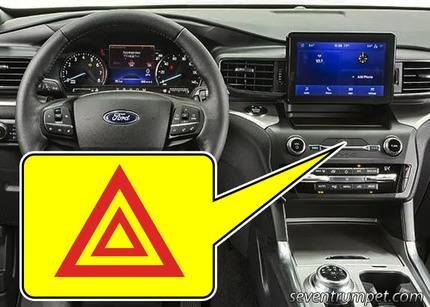
Solid vs. Flashing Warning Lamp Indicators
A solid dashboard light indicates that the air pressure in one or more tires has fallen below the manufacturer’s recommended threshold. Conversely, a flashing light—typically for 60 to 90 seconds before turning solid—signifies a system fault. This often suggests that a TPMS sensor has failed, the battery is depleted, or the Body Control Module (BCM) has lost communication with the wireless signals. Resetting the system does not fix a physical puncture or a damaged sensor.

How Ambient Temperatures Trigger False Alerts
Physics plays a significant role in TPMS sensitivity. Research indicates that for every 10-degree Fahrenheit drop in ambient temperature, tire pressure typically decreases by 1 PSI. During seasonal transitions, your Transit may trigger an alert even if the tires are not leaking air. While inflating the tires to the correct pressure often triggers an automatic reboot of the system, owners must remember that this is an adjustment to environmental variables, not a mechanical repair.

The Dangers of Ignoring Tire Structural Damage
Never assume a reset clears a physical hazard. If the light remains on after adjusting your tire pressures, do not ignore it. A hidden nail, a sidewall bulge, or internal structural damage requires professional inspection. The TPMS is a monitor, not a replacement for routine tire maintenance and visual safety checks.
How to Perform a Ford Transit TPMS Reset Without a Tool


📋
Step-by-Step Guide


Always use a calibrated tire pressure gauge to inflate tires to the pressure listed on the driver’s side door jamb placard. Never use the “max pressure” listed on the tire sidewall, as this is for maximum load capacity, not daily driving comfort or safety.
Ensure your spare tire (if equipped with a sensor) is also properly inflated. Many Transit owners overlook the spare, which continues to transmit a low-pressure signal to the BCM, preventing the system from clearing.
After adjusting tire pressures, you must initiate the relearn procedure. Drive your Ford Transit for at least 20 minutes at speeds consistently above 20 mph. This steady speed allows the BCM to ping the sensors and initialize the new pressure readings without requiring an external tool.
Common Pitfalls of Ford Transit TPMS Reset Without Tool Attempts
Even with the correct procedure, users often fall into traps that prevent a fresh start for the system. Here is what you should avoid during your manual attempt:
- Over-inflation Hazard: Adding too much air to “trick” the sensor can lead to uneven tire wear, poor handling, and a harsher ride. Stick to factory specifications.
- Aftermarket Incompatibility: If you recently replaced your wheels or tires and used aftermarket sensors, they may not be compatible with the Ford OE receiver. These units often require a specialized TPMS activation tool to handshake with the vehicle’s computer.
- Sensor End-of-Life: A typical TPMS sensor battery has a lifespan of 5–10 years. If your Transit has surpassed this mileage or age, the internal batteries are likely dead. No amount of driving will revive a sensor that cannot broadcast a signal.
- Ignoring Model Year Differences: While the drive-cycle method is highly effective for many Ford platforms, some later model years or specific fleet configurations may have slight variations in how they poll sensor data.
Attempting to force a reset by deflating and re-inflating tires in rapid succession while the ignition is on can confuse the BCM and store permanent fault codes that can only be cleared by a professional scan tool.
Troubleshooting Persistent TPMS Faults After Manual Reset
If you have successfully performed the drive-cycle but the dashboard light persists, you are likely dealing with a hardware failure rather than a pressure discrepancy. When manual efforts fail, it is time to move to diagnostic troubleshooting.
Reading Diagnostic Trouble Codes (DTC) via OBDII
If the light remains active, use a Bluetooth-enabled OBDII reader to check for ‘C’ series trouble codes. These codes are specific to chassis and sensor communications. An OBDII scan will often identify exactly which valve stem or corner of the vehicle is reporting the fault, saving you from guessing which sensor needs replacement.
When to Seek Professional Tire Shop Services
When the internal sensor battery is dead, or the sensor has been physically damaged during a tire change, no reset method will work. Professional tire shops use high-frequency tools that can read the signal—or lack thereof—directly from the wheel without removing the tire. If the system reports ‘no response’ from a specific sensor, it is time for a professional replacement.
Environmental Interference and Signal Loss
In rare cases, external electronics, such as high-powered aftermarket dash cams or poorly shielded mobile chargers, can create electromagnetic interference that blocks the 315MHz or 433MHz signals used by Ford TPMS sensors. If you have recently installed new cabin electronics and the TPMS light appeared shortly after, try powering down those devices to see if the signal is restored.
Industry Data
Required Drive Time
Min. Speed for Pairing
Final Considerations for Your TPMS System
Restoring your TPMS system to a default state is a manageable task, provided you respect the limitations of the onboard computer. Always start with correct tire inflation as per the door sticker. Remember, the ‘drive-to-relearn’ method is the most reliable tool-free approach, but it requires patience as the system polls sensors in sleep mode. If your light is flashing, recognize this as a system fault that requires a scan rather than a reset.
If your TPMS light remains on after a proper 20-minute drive, visit a trusted local tire shop to have your sensors scanned for battery failure or structural damage. Proper maintenance ensures that when the light does turn on, you can trust the system is giving you an accurate warning, not a false alarm.
Ford Transit Tpms Reset Without Tool: Frequently Asked Questions
Will a battery disconnect reset the TPMS light?
No, disconnecting the vehicle battery will not reset the TPMS light. The TPMS sensor IDs and pressure data are stored in the Body Control Module’s non-volatile memory. Removing power only cycles the electronics; it does not clear the stored error codes or force the system to perform a new handshake with the sensors. You must address the tire pressure and perform a valid drive cycle.
How long does the relearn mode stay active?
The Transit’s internal relearn logic is generally active whenever the ignition is in the ‘ON’ position and the vehicle is in motion. There is no specific ‘mode’ button to press. Once the sensors detect a pressure change or are triggered by rotation, the system continually attempts to handshake. If you maintain a steady speed, the system usually completes the relearn process within 10 to 20 minutes of driving.
Why does the system fail to learn new sensors?
Failure to learn new sensors usually stems from either using aftermarket sensors that do not match the Ford-specific frequency or protocol, or physical damage to the TPMS receiver antenna. If the sensor is not ‘woken up’ correctly or is positioned poorly within the wheel, the BCM cannot capture the unique ID. If you have replaced a sensor and it fails to register, the sensor may be incompatible or defective.
Can cold weather trigger a false TPMS alert?
Yes, cold weather frequently triggers false alerts. As ambient temperatures drop, the air inside the tires contracts, causing the internal pressure to fall below the manufacturer’s programmed threshold. This is a legitimate pressure drop rather than a system error. To restore the system, inflate your tires to the recommended cold-tire PSI specifications, and the light should extinguish once you begin driving and the air warms.
What if the TPMS light flashes instead of staying solid?
A flashing TPMS light typically indicates a system malfunction rather than a low-pressure warning. This usually points to a dead sensor battery, a damaged wheel sensor, or a fault within the TPMS control module itself. Unlike a low-pressure light, a flashing light often requires a diagnostic tool or professional service, as the self-learning drive cycle cannot repair a faulty electrical component or an expired sensor battery.