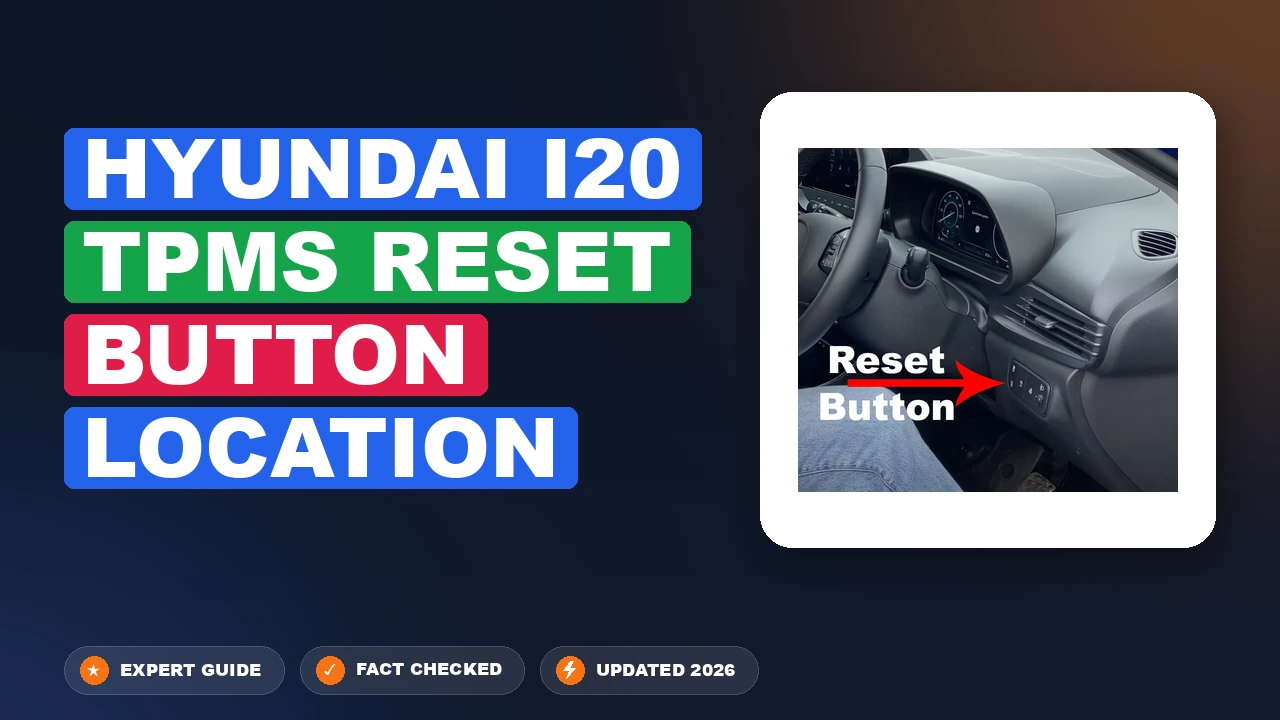
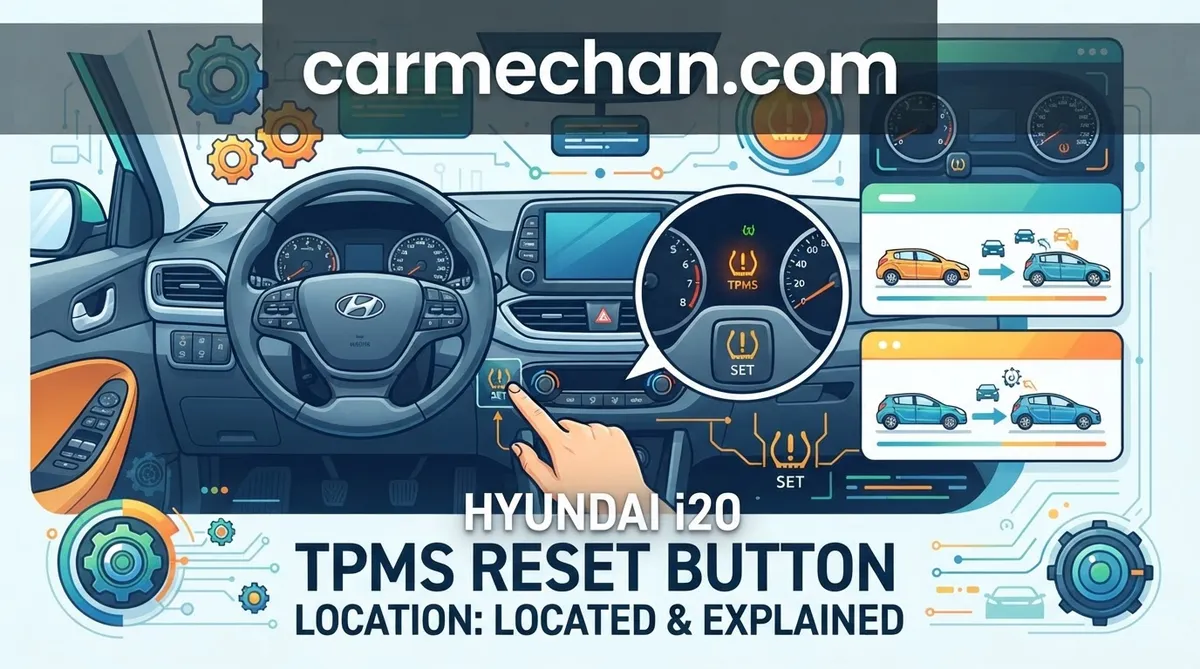
Hyundai i20 TPMS Reset Button Location: Located & Explained
Seeing a TPMS warning light on your Hyundai i20 dashboard can be stressful, especially when you are searching for a reset button that simply isn’t there. Drivers often waste hours searching the glovebox, steering column, or fuse panels for a physical button that many modern models have retired in favor of automatic systems. This guide will clear the confusion, explaining how to calibrate your system correctly and pinpointing exactly when you might need professional help.
Understanding the Hyundai I20 TPMS Warning Light System
Recommended Best Deal Products


📤 Share Image
Interpreting the TPMS Warning Light Symbols
The Tire Pressure Monitoring System (TPMS) acts as a critical safety barrier. When the horseshoe-shaped icon with an exclamation point illuminates, the TPMS control module has detected a deviation from the programmed threshold. In modern i20 vehicles, this system relies on sensors located inside the valve stem of each wheel, providing real-time data to the ECU.

How Cold Weather Affects Tire Pressure Sensors
Physics dictates that air pressure drops as temperatures fall—typically by about 1 PSI for every 10°F decrease in ambient temperature. Research indicates that a high percentage of TPMS alerts occur during seasonal transitions, as the Direct TPMS sensors detect a drop below the factory-mandated PSI, triggering a dashboard warning despite no physical leak in the tire.
Differentiating Between Low Pressure and System Malfunction
It is vital to distinguish between a pressure warning and a hardware failure. If the TPMS light remains solid while driving, it indicates low tire pressure. However, if the light flashes for approximately one minute and then stays illuminated, it signals a system malfunction. This usually points to a dead battery in one of the sensors or an issue with the receiver unit, rather than just the need for a fresh start or inflation.
Hyundai I20 TPMS Reset Button Location: Reality vs. Expectation
Checking for a Manual Reset Button in Older Models
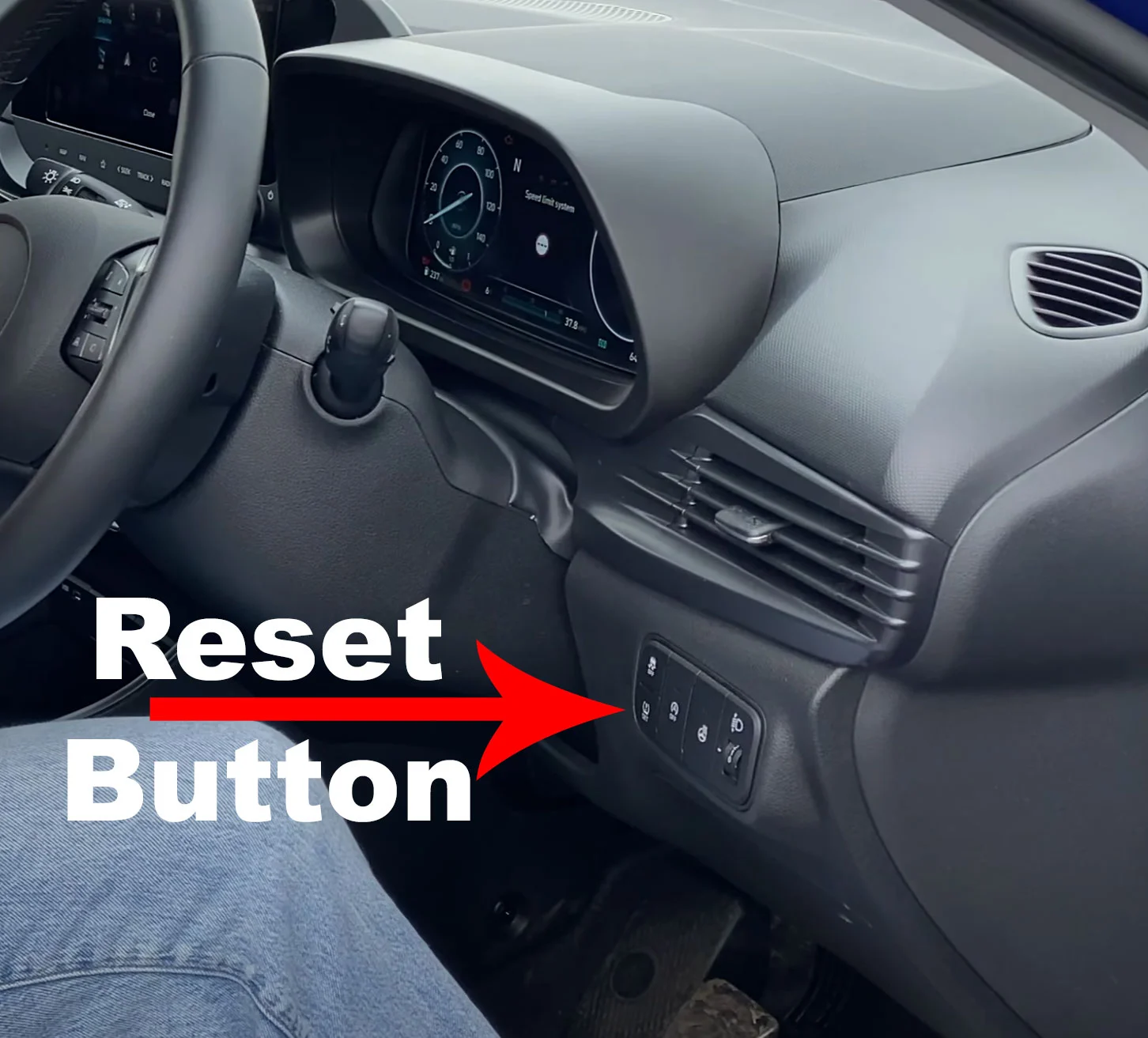
If you are operating an older generation i20, you might be tempted to search for a physical button, often located under the dashboard or inside the glovebox. However, even on these older units, the “reset” function is often managed via an OBD-II scan tool or a specific sequence of ignition cycles. For the vast majority of owners, the manual button is a myth.
Calibration Through Driving Cycles
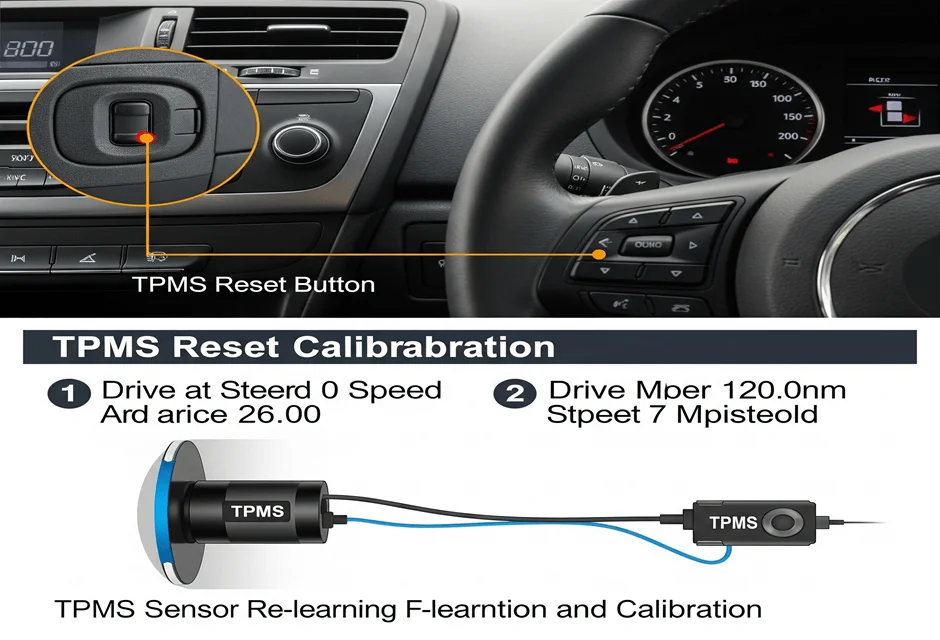
Modern Hyundai i20 architecture favors automation. Once you adjust the tires to the default pressures specified on the B-pillar door jamb sticker, the system performs an internal reboot. This initialization occurs while the vehicle is in motion, allowing the sensors to perform a handshake with the onboard computer.
Using the Instrument Cluster Menu for Settings
On high-trim levels equipped with advanced driver displays, the reset process may be integrated into the digital interface. Navigate through your steering wheel’s “Menu” or “Mode” button, look for “User Settings,” and select “TPMS.” If a reset option is available, it will be listed there; if not, your vehicle relies entirely on the automatic reboot procedure.
📋
Step-by-Step Tire Pressure Calibration Procedure
Recommended Best Deal Products


Use a high-quality tire pressure gauge to check each tire. Always perform this while the tires are “cold”—meaning the vehicle has been parked for at least three hours or driven less than one mile.
Inflate to the PSI found on your driver-side door jamb. Drive the vehicle for 10–20 minutes at speeds consistently above 25 mph. This allows the system to restore readings and recognize the new pressure state.
Troubleshooting Common Hyundai I20 TPMS Reset Button Location Errors
If the dashboard light persists despite correct inflation, you may be dealing with a hardware-level issue rather than a setting error. Here is what to check before heading to the shop:
- Dead Sensor Batteries: TPMS sensors are powered by non-replaceable internal batteries, typically lasting 7–10 years. If the light remains on, a battery likely needs replacing.
- Spare Tire Pressure: Some models include a full-size spare with its own sensor. If your spare is flat, it may trigger the warning light even if your primary road tires are perfectly pressurized.
- The “Hidden Button” Myth: Stop searching for a manual reset; doing so can lead to interior trim damage. If you cannot find a button in the infotainment menu, your vehicle does not have one.
- Professional Scanning: If the light continues to flash, visit a technician who can perform a backup of your sensor IDs and scan for individual sensor failure using specialized tools.
Do not use the “Max PSI” printed on the tire sidewall. Always adhere to the factory specification found on the door jamb to ensure safety and even tire wear.
By The Numbers
Temp drop = 1 PSI loss
Required driving time
In summary, most modern Hyundai i20 vehicles calibrate automatically after you reach the correct pressure. Always follow the door jamb PSI specifications, not the tire sidewall markings. Remember that a flashing light almost always signifies a technical fault, not just a pressure drop, and consistent highway driving is the most effective way to trigger a system handshake. If your light persists after completing these steps, visit your local Hyundai dealership to have your sensors scanned for battery health and signal integrity.
Hyundai i20 Tpms Reset Button Location: Frequently Asked Questions
Do I need a special tool to reset the TPMS?
For most routine resets, such as after tire inflation or rotation, you do not need a special tool. The i20 system is designed to auto-learn the sensor positions while driving. However, if you replace a TPMS sensor with a new one, you will require an OBDII re-learn tool or a professional diagnostic scanner to register the new sensor ID to your vehicle’s ECU.
How long does it take for the TPMS light to turn off after driving?
Once you have corrected the tire pressures to the manufacturer’s recommended PSI, the TPMS light should turn off automatically after driving for 5 to 15 minutes at speeds above 25 mph (40 km/h). This allows the sensors to re-transmit their data to the receiver, confirming that all four corners are within the acceptable range for a fresh start.
Can a low battery in the sensor cause the light to stay on?
Yes, a low battery is a common cause for a permanent TPMS warning light. The sensors inside the wheels are battery-powered with a lifespan of approximately 5 to 7 years. When the battery voltage drops below a specific threshold, the sensor can no longer transmit data. This is often indicated by a flashing light followed by a solid light, signifying a system fault.
Will an aftermarket tire size affect the TPMS reset?
Using non-standard tire sizes can potentially confuse the TPMS software, as the ECU is programmed for specific tire pressure requirements and rolling diameters. If you have installed aftermarket tires, ensure they are compatible with your i20’s recommended pressures. If the light remains on, the system may require a recalibration by a technician to accept the different operating parameters of the new tires.
What does a flashing TPMS light mean compared to a solid one?
A solid TPMS light indicates low pressure in one or more tires, which is a standard maintenance alert. However, a flashing light—usually for 60 to 90 seconds upon startup—indicates a technical malfunction. This suggests an issue with the sensors, the receiver unit, or the communication line. If you see a flashing light, it confirms the system cannot perform a reset and requires diagnostic inspection.