Can the IRS Take Your Car? What Actually Triggers It
Last Updated on September 1, 2026 by Albert Duke
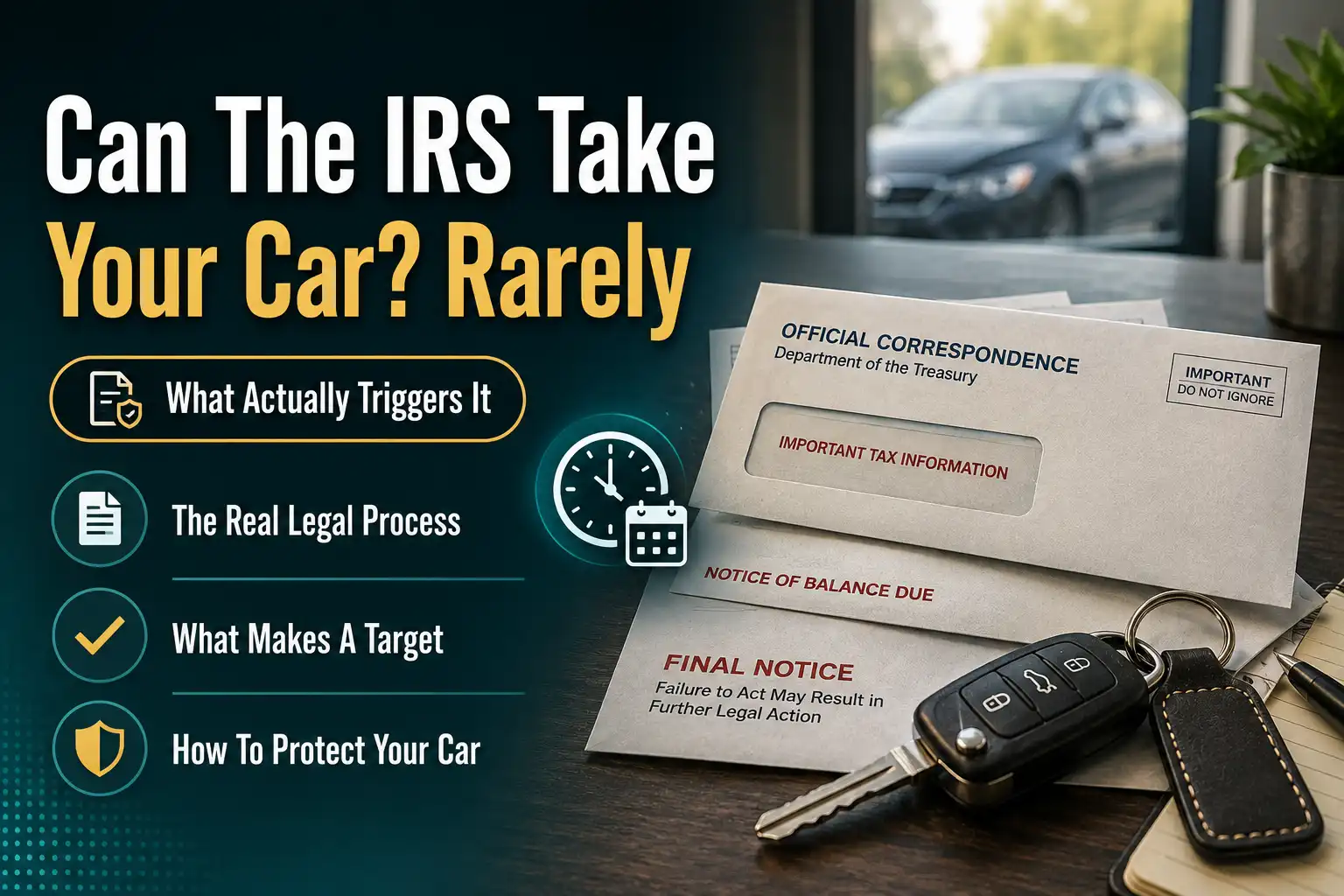
Yes, the IRS legally has the authority to seize your car if you owe back taxes, but in practice this is genuinely rare and reserved for specific situations, not something that happens over a small debt or without warning. Vehicle seizure is typically a last resort after other collection methods, like wage garnishment or a bank levy, have already failed.

Prime for Young Adults — 6 Months Free
Students and 18–24s get six months of Prime free, then half price.
Start 6 Months FreeThis guide covers how rare car seizure actually is, the legal process that has to happen first, what makes a vehicle an actual target, and the real steps you can take to protect your car before it ever gets close to that point. Most of what shows up when searching this question comes from tax relief companies trying to sign you up for a consultation, so this focuses on the actual process and your real options first.
How Rare Vehicle Seizure Actually Is
Recommended Best Deal Products



The IRS issues hundreds of thousands of levies every year, but only a small percentage of those involve physically seizing a vehicle or other asset. Cars in particular are one of the less attractive targets for the agency, since they depreciate quickly and often don’t generate much usable revenue once towing, storage, and auction costs are subtracted from the sale price.
A tax resolution resource summarizing this pattern notes that the IRS has broad authority to levy personal property, including vehicles, but this power is only exercised in extreme cases, and cars are less frequently targeted because they depreciate quickly and may not generate much revenue after towing, storage, and auction costs.
This doesn’t mean it can’t happen to you specifically, but it does mean the scary headline version of this question overstates how common it actually is for most taxpayers, most of whom will never see it happen even after years of owing back taxes.
The Legal Process Before Any Seizure
The IRS doesn’t seize property without following a defined legal sequence first, and each step gives the taxpayer a real opportunity to resolve the debt before it escalates further. A financial guide walking through this exact process explains that the IRS can only take a car after all other means of resolving past due taxes have failed, following specific collection procedures based on the Internal Revenue Code and Treasury regulations.

- Notice of Demand for Payment: The IRS sends written notice requesting payment of the amount owed, the first formal step in the collection process.
- Continued non-payment or non-response: If the debt goes unaddressed, the IRS moves toward more serious collection action.
- Final Notice of Intent to Levy: This notice advises the taxpayer of their rights and warns that a levy, including possible asset seizure, could occur soon.
- Right to a Collection Due Process hearing: The taxpayer can request this hearing to challenge the levy or negotiate a payment plan before any seizure takes place.
- Seizure, only if all prior steps are ignored: Actual seizure is the final step, reached only after the taxpayer has failed to respond to or resolve the debt through the earlier stages.
This process takes real time, often months, which is why a surprise seizure with no warning at all is extremely uncommon.
What Actually Makes A Car A Seizure Target
Recommended Best Deal Products


- Significant unpaid balance: Assets usually aren’t seized for debts under roughly $5,000, though this isn’t a hard legal line, and the IRS generally reserves seizure for larger outstanding amounts where the effort is actually worth it.
- Meaningful equity in the vehicle: A car worth considerably more than what’s owed on it, if anything, is a more attractive target than one that’s heavily financed or has little resale value after depreciation.
- Repeated ignored notices: Seizure is generally reserved for taxpayers who have not responded to or engaged with the IRS’s collection attempts over time, not someone who missed one letter or is actively working through a resolution.
- Vehicle isn’t essential to work or survival: If a car is essential for someone’s job or daily life, the IRS typically avoids seizing it, especially where doing so would cause genuine economic hardship for the taxpayer.
A car that checks most or all of these boxes at once is a realistic target. A car that checks none of them, which describes most people’s situation, is very unlikely to actually be seized.
What Happens If Your Car Is Financed
The IRS can still seize a financed vehicle, but it doesn’t erase the existing loan. Any proceeds from selling the seized car go first toward paying off the outstanding loan balance to the original lienholder, and only the remaining amount, if any, goes toward the tax debt. If you’re trying to understand how equity and loan payoff work together, our guide on how trading in a financed car works covers the same payoff-order logic that applies here.

Audible — Listen Free for 30 Days
One free credit a month and thousands of titles included.
Listen Free for 30 DaysThis is a major reason heavily financed cars with little equity are rarely worth the effort for the IRS to pursue. After paying off the loan and covering towing, storage, and auction costs, there’s often little to nothing left over to apply to the tax bill, which makes these vehicles low-priority targets in practice, and one of the reasons vehicle seizures overall remain uncommon compared to bank account or wage levies.
How To Protect Your Car From Seizure
- Open and respond to any IRS notice as soon as it arrives, rather than ignoring it and hoping the issue resolves itself on its own.
- Request a Collection Due Process hearing if you receive a Final Notice of Intent to Levy, which pauses the process and gives you a formal chance to challenge or negotiate the outcome.
- Set up an installment agreement to pay the debt over time, which is one of the most common ways taxpayers resolve back taxes without any asset seizure at all.
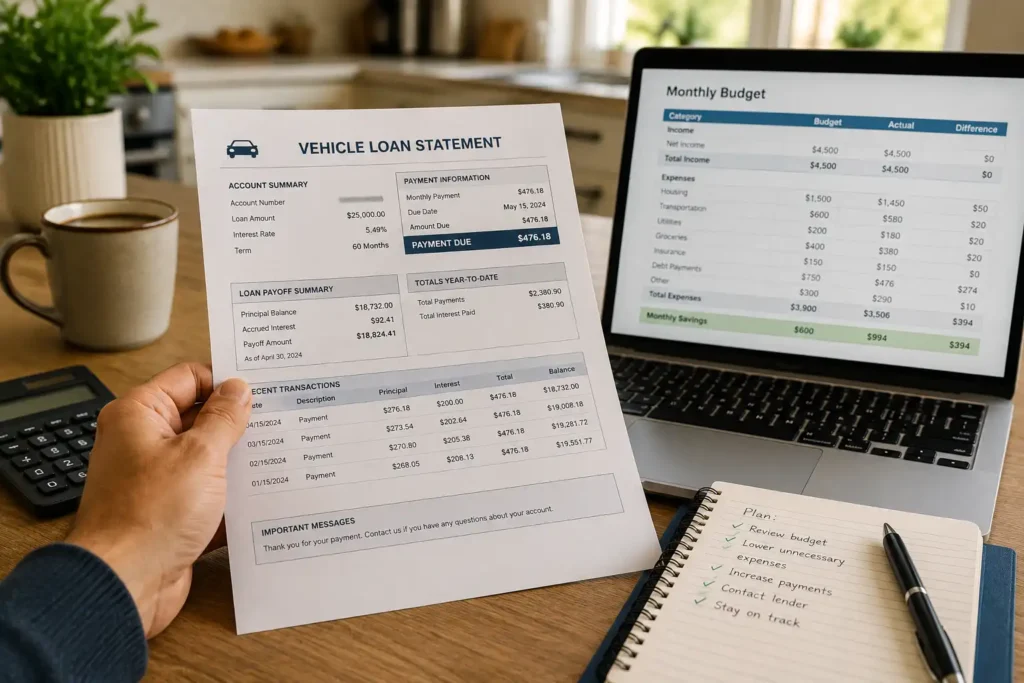
- Set up an installment agreement to pay the debt over time, which is one of the most common ways taxpayers resolve back taxes without any asset seizure at all. If your monthly budget is already tight, our guide on how to lower a car payment without refinancing covers ways to free up room in your budget that could also help toward an IRS installment plan.
- Document financial hardship if losing the vehicle would prevent you from working or meeting basic needs, since this can factor into the IRS’s decision-making process.
- Consult a licensed tax professional or attorney if the debt is substantial, since navigating IRS collections correctly often prevents the situation from escalating in the first place.
IRS Car Seizure Risk Quick Reference
| Situation | Seizure Risk | Why |
|---|---|---|
| Small debt, first notice, responding to IRS | Very low | Below typical threshold, actively engaged |
| Heavily financed car, little equity | Low | Little to no proceeds after loan payoff |
| Only vehicle, needed for work | Low | IRS generally avoids causing hardship |
| Large debt, significant equity, notices ignored | High | Meets multiple seizure target factors |
IRS Car Seizure FAQ
Does the IRS need a court order to seize a car?
No, not for a vehicle specifically. A court order is required to seize a primary residence, but that specific protection doesn’t extend to a car, though the IRS still must follow its standard notice and appeal process first before any seizure can legally proceed.
Can the IRS take a car used for work?
Legally, yes, but the IRS typically avoids seizing a vehicle that’s essential for someone’s job or daily life, especially where doing so would cause significant economic hardship, and this factors into their decision before pursuing seizure over other collection methods.
How much notice does the IRS give before seizing property?
The process generally takes months, not days, since it requires a Notice of Demand for Payment followed by a Final Notice of Intent to Levy, which itself includes a window to request a Collection Due Process hearing before any seizure can occur, giving the taxpayer multiple opportunities to respond.
Can the IRS seize a car that’s leased?
A leased vehicle is more complicated, since the taxpayer doesn’t own it outright, the leasing company does. The IRS’s ability to seize a leased vehicle is more limited than with an owned car, since there’s little to no equity for the agency to actually recover once the leasing company’s interest is accounted for.
What happens to the car after the IRS seizes it?
A seized vehicle is generally sold at public auction, with the proceeds applied first to any existing lienholder, then to the outstanding tax debt, and any remaining amount beyond both of those is returned to the original owner, though this rarely leaves much once all the costs are accounted for.
The IRS can legally take your car, but actual seizure is rare and reserved for large, ignored tax debts on vehicles with real equity. Responding to notices early and using the options available, like a payment plan or a Collection Due Process hearing, resolves the vast majority of tax debt situations long before a vehicle is ever at risk. Most people who owe back taxes never come close to this outcome, and staying engaged with the IRS rather than avoiding their notices is the single biggest factor in that. Some taxpayers also explore refinancing their car to free up cash toward a tax debt, though that’s worth weighing carefully against simply setting up a direct payment plan with the IRS.
This article explains general tax collection concepts and is not legal or tax advice. Individual situations vary, so consult a licensed tax professional or attorney for guidance specific to your circumstances.