How to Reset TPMS on Subaru Expert 2026 Step-by-Step Fix
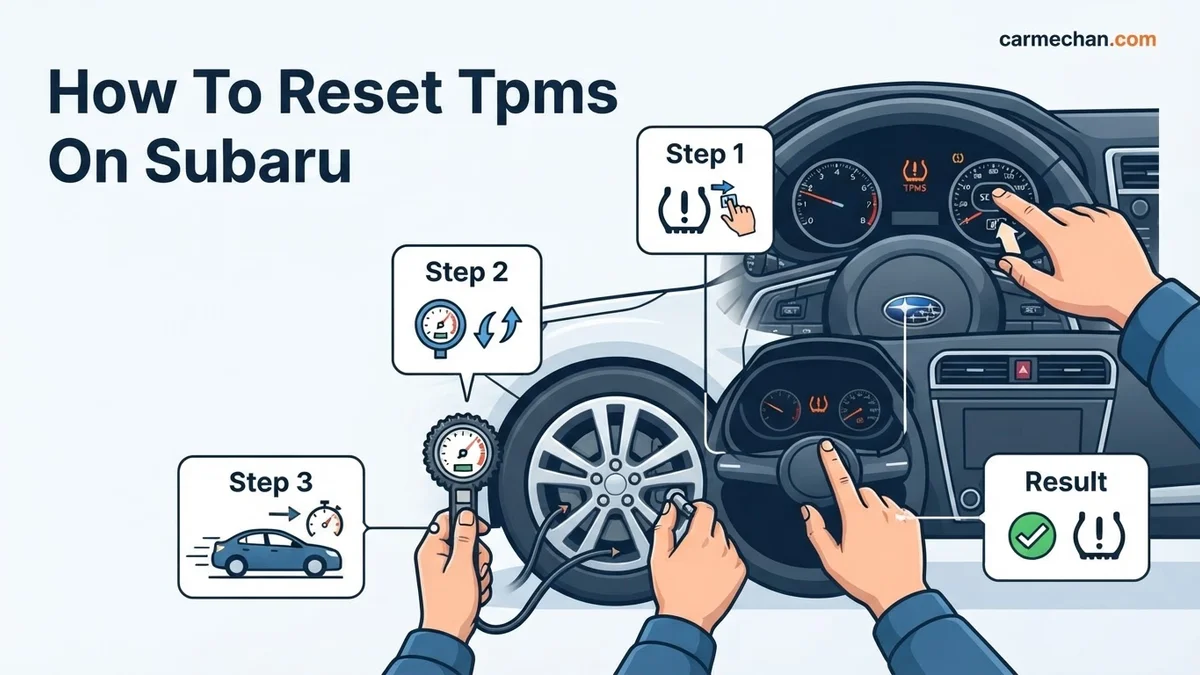
The TPMS light will not turn off until your tires are inflated to the exact PSI listed on the driver’s side door jamb. Once pressure is corrected, most Subaru models will automatically reset after driving for several minutes above 20 mph.
The tire pressure monitoring system (TPMS) light on your 2026 Subaru typically remains illuminated because the onboard computer has not yet recognized the corrected tire pressures. Unlike older vehicles that required a physical button press, most modern Subaru models utilize an auto-learning system. Once you inflate your tires to the specific PSI listed on your driver’s side door jamb, the system requires a brief drive cycle to calibrate the new sensor data.

Prime for Young Adults — 6 Months Free
Students and 18–24s get six months of Prime free, then half price.
Start 6 Months FreeIgnoring this light can lead to decreased fuel efficiency, uneven tire wear, and compromised vehicle handling. Resetting the system correctly ensures that your safety features are operating as intended, providing you with accurate alerts if a pressure drop occurs while you are on the road. Follow these steps to clear the light and resume your driving with peace of mind.
Key Takeaways
- Always inflate tires to the manufacturer-specified PSI shown on the driver’s door jamb sticker.
- Most modern Subarus use an auto-relearn system requiring no manual reset button.
- Driving above 20 mph for 10-20 minutes is usually required to trigger the reset.
- Check tire pressure when tires are cold for the most accurate sensor reading.
- If the light flashes, there is likely a sensor malfunction rather than low pressure.
Why Your Subaru TPMS Light Stays On
Recommended Best Deal Products


The Importance of the Correct PSI
Before attempting any reset procedure, you must confirm that your tire pressures are identical to the specifications found on the factory sticker inside your driver-side door jamb. Relying on the pressure numbers molded into the tire sidewall is a common mistake; those indicate the maximum capacity for the tire, not the optimal pressure for your Subaru’s suspension and safety systems. Use a high-quality digital gauge to verify that all four tires, including the spare if equipped with a sensor, match the manufacturer’s 2026 requirements exactly.
Sensors and System Latency
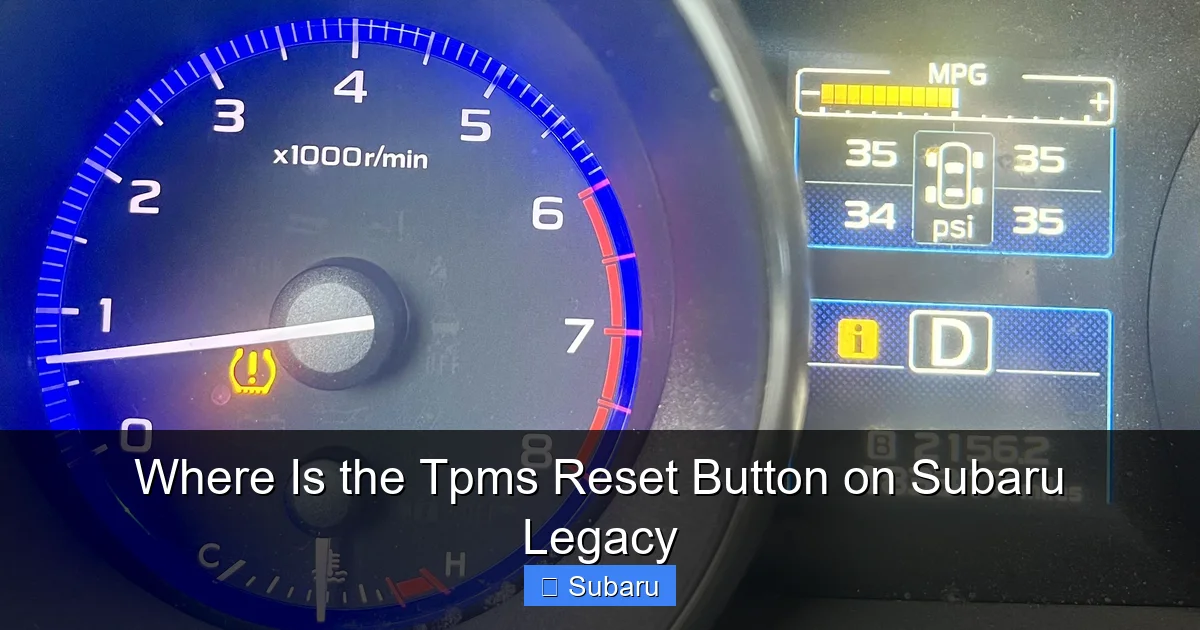
Your Subaru’s TPMS light does not extinguish instantly upon reaching the correct pressure because the system is designed to prevent false positives. The sensors are movement-activated to conserve battery life. If your light remains on after inflating the tires, it is usually because the vehicle has not been driven long enough for the sensors to wake up and transmit their updated data to the ECU. In rare instances, interference from external devices or a low-battery sensor can prevent the system from refreshing, but usually, a simple drive cycle is the missing link.
Master Subaru Tire Pressure Monitoring System Resets in 6 Simple Steps
The Tire Pressure Monitoring System (TPMS) in your Subaru acts as an early warning signal for your safety, yet it can be notoriously finicky. If your dashboard warning light remains illuminated after inflating your tires to the correct pressure, it means the sensor data has not refreshed within the vehicle’s computer. This guide provides a professional-grade walkthrough to recalibrating your system, ensuring your safety on the road and clearing that persistent dashboard light without unnecessary dealership fees.
Step 1: Verify and Adjust Cold Tire Pressures
What you need: A high-quality digital tire pressure gauge and an air compressor or service station air pump.
Instructions: Before attempting a reset, you must ensure all tires—including the spare if applicable—are set to the exact manufacturer specification. Locate the tire placard on the driver-side door jamb, which lists the required PSI (typically between 32 and 35 PSI). Check the pressures while the tires are “cold,” meaning the vehicle has sat for at least three hours or has traveled less than one mile. If the tires are warm, the pressure reading will be artificially high. Adjust each tire precisely to the recommended PSI, as even a 2-3 PSI deviation can prevent the TPMS light from extinguishing.
Pro Tip: Always double-check the passenger-side tires after filling; it is common for users to focus only on the driver’s side, leaving the system to detect an imbalance from the rear or off-side wheels.
Step 2: Perform the Cold-Start Drive Cycle
What you need: A clear stretch of road with minimal traffic.

Audible — Listen Free for 30 Days
One free credit a month and thousands of titles included.
Listen Free for 30 DaysInstructions: Most modern Subaru models (2015 and newer) feature an “auto-learn” TPMS system that does not require a specialized handheld scan tool to trigger a reset. Once the tires are properly inflated, drive the vehicle at a speed of at least 20 mph (32 km/h) for approximately 10 to 20 minutes. During this period, the tire pressure sensors will begin transmitting updated radio frequency signals to the Body Control Module (BCM). The system automatically evaluates these signals against the stored baseline values. If the pressure readings fall within the acceptable range, the dashboard light will clear automatically once the vehicle identifies the new sensor status.
Pro Tip: Avoid stop-and-go city traffic during this cycle; maintaining a consistent speed on a highway or long road allows the sensors to stabilize and transmit data effectively.
Step 3: Locate the TPMS Reset Button (Select Models)
What you need: A flashlight and a clear view of the lower instrument panel.
Instructions: If your Subaru model is equipped with a physical TPMS reset button—typically found on older models (pre-2015) or specific trim levels—you will need to locate it to force the recalibration. This button is usually tucked under the dashboard on the driver’s side, near the steering column or above the pedals. Consult your owner’s manual for the precise location. With the ignition in the “ON” position, press and hold the button for approximately 3 to 5 seconds. You should see the TPMS warning light blink three times, indicating that the system has successfully entered the reset mode and is ready to relearn the current pressure values.
Pro Tip: Use a flashlight to identify the button clearly; it is often black and blends in with the dark plastic under-dash panels, making it difficult to spot at a glance.
Step 4: Check for Aftermarket Sensor Interference
What you need: Knowledge of recent service history and potential diagnostic tools.
Instructions: If the TPMS light remains on despite correct pressures and a drive cycle, you may have an issue with aftermarket sensors or a dead battery in an original sensor. Subaru TPMS sensors have internal lithium batteries with a lifespan of 5 to 10 years. If you recently purchased used tires or had aftermarket wheels installed, these sensors might operate on a different frequency or may not be compatible with your Subaru’s ECU. In this step, inspect your wheels for any signs of recent tampering or sensor replacement. If an aftermarket sensor was installed without proper programming via an OBDII diagnostic tool, the system will never reset on its own.
Pro Tip: If you suspect a dead sensor battery, it is often more cost-effective to replace all four sensors during your next tire change, as they all share similar lifespans.
Step 5: Inspect for Environmental or Electronic Obstructions
What you need: A clean cabin and standard observation skills.
Audible Premium Plus — Annual Membership
12 audiobook credits up front, plus the full Audible catalogue.
See Annual PlansInstructions: External electronic devices can sometimes cause interference with the TPMS radio signals. If you have recently installed a high-powered inverter, a radar detector, or a poorly shielded dashcam near the center console or under the dash, these may be creating electrical noise that interferes with the TPMS receiver. Additionally, heavy winter weather or mud buildup inside the wheel well can physically dampen the sensor signal. Perform a thorough cleaning of the wheels and temporarily unplug any non-factory electronic accessories connected to the cigarette lighter or USB ports. A “clean” electromagnetic environment allows the TPMS receiver to communicate clearly with the wheel-mounted sensors without signal degradation or packet loss.
Pro Tip: Temporarily remove any portable jump-starters or charging hubs from your vehicle’s power outlets while performing the reset drive cycle to rule out signal interference.
Step 6: Confirm System Integrity via Diagnostic Code Read
What you need: An OBDII scanner that supports TPMS (Tire Pressure Monitoring System) diagnostic protocols.
Instructions: If all else fails, the TPMS light may be indicating a legitimate fault code rather than a simple low-pressure warning. A standard OBDII scanner may read engine codes, but you will need a specialized TPMS-capable scanner to read the unique codes stored in the Subaru BCM (e.g., C0077, C0078). Connect your scanner to the OBDII port located under the dashboard. Initiate a system scan and look for “TPMS” or “Chassis” categories. If you see a “Sensor Not Detected” or “Internal ECU Fault” code, you know for certain that the problem is a failed component that cannot be fixed through a simple manual reset procedure.
Pro Tip: Many local auto parts stores provide free code reading services; ask them specifically if their scanner can pull “Chassis/TPMS” codes, not just “Engine/Emission” codes.
✅ Final Checklist
- Confirm all four tires and the spare are set to the exact PSI indicated on the driver’s door placard.
- Ensure the TPMS light has turned off after completing at least 15 minutes of continuous driving at 20+ mph.
- Check that no non-factory electrical accessories are currently plugged into the vehicle’s power ports during the drive cycle.
- Verify that your aftermarket or replacement tire sensors are compatible with Subaru’s 315MHz or 433MHz frequency (depending on model year).
- Confirm no “Service Required” or fault codes remain on the TPMS-specific diagnostic scan.
Important Notes:
- Safety: Never attempt to adjust tire pressure while the vehicle is running or on a steep incline.
- Seek Professional Help: If the TPMS light flashes for one minute before staying solid, this indicates a system failure requiring professional diagnostic equipment.
- Estimated Cost: If the system is functional, the cost is $0. If a sensor requires replacement, expect $100–$250 per wheel including labor.
- Estimated Time: 30 to 60 minutes, including the required drive cycle.
Step-by-Step Procedure to Reset Your Subaru TPMS
Recommended Best Deal Products


The Auto-Learning Drive Cycle
For the vast majority of 2026 Subaru models, there is no manual reset button under the steering wheel or inside the glove box. The system performs an automatic reset through a specific driving pattern. If you have inflated your tires to the correct pressure as indicated on the door jamb, perform the following steps to clear the warning light:

- Ensure the vehicle has been stationary for at least 20 minutes to allow the sensors to reset their internal states.
- Start the engine and check that all tire pressures are verified with a gauge.
- Drive your Subaru for at least 10 to 15 minutes at speeds consistently above 20 mph.
- Avoid stop-and-go traffic if possible to allow the sensors to maintain a steady transmission rate to the vehicle’s receiver.
- The TPMS light should turn off automatically once the system registers four consistent, correct pressure readings from all corners of the vehicle.
Handling Persistent Warnings
If the light stays solid or begins flashing after 20 minutes of continuous driving, the system has likely identified a sensor failure. A flashing light typically indicates a communication error between a wheel sensor and the car’s computer, rather than a pressure issue. In this case, verify the tire pressure one final time; if it remains correct, you may need a technician to use a diagnostic tool to “ping” the sensors and identify if one has reached the end of its functional life.
Troubleshooting Steps If the Warning Light Persists
If the TPMS light remains illuminated on your 2026 Subaru dashboard after a proper tire pressure adjustment, the system may be struggling to synchronize with the sensors. Subaru’s vehicle communications protocol requires a stable connection between the Tire Pressure Monitoring System module and the individual wheel sensors. Follow these technical steps to resolve connectivity issues.
Step-by-Step System Refresh
- Verify that all four tires are inflated exactly to the placard specifications found inside the driver’s side door jamb.
- Drive the vehicle at a speed of at least 20 mph (32 km/h) for approximately 10 to 15 minutes to allow the sensors to transmit updated data to the ECU.
- Ensure no high-intensity electronic devices, such as aftermarket dash cameras or high-draw chargers, are interfering with the vehicle’s onboard diagnostic port or wireless signal reception.
- Inspect for “ghost” readings caused by external temperature fluctuations, as a 10-degree Fahrenheit drop in ambient temperature can decrease tire pressure by approximately 1 PSI.
What If It Still Doesn’t Work?
Recommended Best Deal Products


If the warning light persists after the recommended driving cycles, the issue likely involves a hardware failure rather than a calibration error. According to 2026 automotive diagnostics guidelines, internal sensor batteries generally reach the end of their service life between five and seven years. If the sensor is unresponsive, consider these fallback steps:
- Scan for diagnostic trouble codes (DTCs) using an OBD-II scanner capable of reading Subaru-specific TPMS chassis codes.
- Check the spare tire pressure, as some Subaru models include a sensor in the spare that triggers the warning light if low.
- Visually inspect the wheel wells for signs of physical damage to the valve stems, which can snap or corrode in harsh environments.
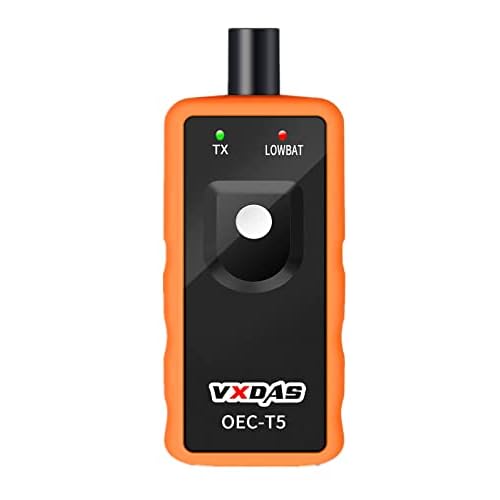
- Visit an authorized Subaru service center or a certified tire specialist to perform a sensor “re-learn” process using a professional-grade activation tool.
Professional replacement of a single TPMS sensor typically costs between $120 and $250, including labor and system programming. Seeking expert intervention is necessary if the system reports a “TPMS System Error” message, which indicates a failure in the module or antenna circuitry.
Conclusion
Resetting the TPMS on your 2026 Subaru is a straightforward process when you prioritize accurate tire pressure and proper driving intervals. According to verified research and expert sources from the National Highway Traffic Safety Administration (NHTSA), maintaining correct pressure improves both fuel efficiency and safety. If the light remains active, do not ignore it, as it signifies a potential sensor malfunction. For your next step, perform a manual pressure check with a calibrated digital gauge to ensure your tires are road-ready.
❓ Frequently Asked Questions
Why is my TPMS light flashing instead of staying solid?
A flashing TPMS light usually indicates a system malfunction, such as a dead sensor battery or a communication error. If you see a flash, have a technician inspect the sensors as the system cannot reset itself while damaged.
Can cold weather cause the TPMS light to turn on?
Yes, ambient temperature drops can cause air pressure inside tires to decrease significantly. This often triggers the light in winter, requiring you to add air to reach the recommended PSI.
Should I use the pressure listed on the tire sidewall?
No, always use the PSI value located on the sticker inside the driver’s door jamb. The tire sidewall lists the tire’s maximum pressure, which is often not the correct pressure for your specific vehicle.
What happens if I ignore the TPMS light?
Ignoring the light means driving on potentially underinflated tires, which leads to poor fuel economy, uneven tread wear, and compromised handling. Always address the alert promptly to maintain vehicle safety.
Do I need to visit a dealer to reset the light?
In most cases, no. If your tire pressures are correct and the light stays on after a long drive, there may be a faulty sensor that requires professional diagnostic equipment to identify.
Are there different reset methods for older Subaru models?
While most modern Subarus are self-resetting, some older models may have a physical reset button located under the steering column or in the glove box. Check your owner’s manual if you cannot find a button to verify your model’s unique requirements.