How to Open a Locked Car Door: DIY Methods & Safe Solutions
Last Updated on September 1, 2026 by Ryan
Facing a car lockout requires immediate, practical solutions. While several DIY methods exist for opening a locked car door, understanding the specific tools, risks, and your car’s locking system is crucial to prevent costly damage. For complex situations or newer vehicles, professional assistance is often the safest choice.
🎯 Key Takeaways
- Assess car’s lock type before attempting DIY.
- Gather specific tools for chosen unlock method.
- Prioritize vehicle damage prevention at all times.
- Know when to call professional locksmith services.
- Practice caution; DIY risks vehicle damage.


Finding yourself locked out of your car is incredibly frustrating, especially when your keys are sitting right on the seat. The good news is, you often don’t need to panic or immediately call a costly professional. This post cuts straight to the chase, providing practical, step-by-step DIY methods you can use to regain access to your vehicle, along with critical safety precautions.

Understanding these unlocking techniques can save you time, money, and a lot of stress. While professional services are always an option, many lockout situations can be resolved with common household items and a bit of patience. We’ll guide you through effective strategies, helping you assess when a DIY approach is viable and when it’s safer to call for expert help.
Understanding Different Car Lock Mechanisms
Before attempting any DIY unlocking method, it’s crucial to understand the basic types of locking mechanisms prevalent in cars. Your car’s age and model heavily influence which methods will be effective and, more importantly, which ones could cause damage.
Mechanical vs. Electronic Systems: How They Differ
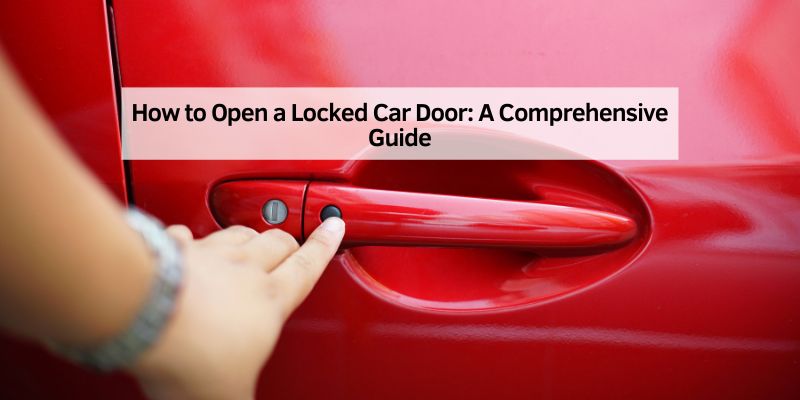
- Mechanical Linkage Systems: Found predominantly in older vehicles (generally pre-1990s and many budget models thereafter), these systems use physical rods and levers connecting the exterior lock cylinder, interior lock button/lever, and the door latch. When you push down a lock button or turn a key, you are directly manipulating these rods. This design makes them susceptible to tools like a slim jim or a coat hanger, which can snag or push these internal rods to unlock the door.
- Electronic Solenoids and Actuators: Modern cars primarily use electronic locking systems. When you press a button on your remote or an interior switch, an electronic signal activates a solenoid or actuator that physically locks or unlocks the door. These systems often lack the direct mechanical linkages accessible from the outside. Attempting to force a tool into these areas blindly can damage delicate wiring or the actuator itself, leading to costly electrical repairs. For these vehicles, methods targeting the interior unlock button are often more viable than trying to manipulate internal rods.
- Double Locking/Deadlocking: Many newer vehicles feature advanced security. A “double lock” or “deadlock” mechanism means that even if you try to pull the interior door handle, the door will not open once it’s locked from the outside. This prevents entry even if a thief breaks a window. These systems make DIY methods significantly harder, as simply hitting an interior unlock button might not be enough.
Interior Lock Buttons and Handles: Your Targets
- Push/Pull Pins: Many cars, especially older ones, have visible lock pins on the top of the door panel that you push down to lock and pull up to unlock. These are prime targets for tools that can hook or loop around them.
- Toggle/Rocker Switches: Newer cars often integrate the lock/unlock function into a small toggle switch or button on the door panel or armrest. These require a specific push or pull action. Tools like a wedge and coat hanger often aim to press or flip these directly.
- Interior Door Handles: While it might seem intuitive to try and pull the interior door handle, many vehicles prevent this from unlocking the door if it was locked externally. This is a safety feature to prevent accidental opening or unauthorized entry. Don’t rely solely on this as your unlocking target.
Everything You Need to Know About Opening a Locked Car Door
Finding yourself locked out of your car can be incredibly frustrating and inconvenient. Whether you’ve accidentally left your keys inside, or the remote has stopped working, regaining access without damaging your vehicle is crucial. This comprehensive guide will walk you through several common and effective DIY methods for opening a locked car door, focusing on safety and preventing damage. While professional locksmiths are always an option, these steps can help you get back on the road without immediate external assistance. Always proceed with caution and only attempt these methods if you feel confident and capable, prioritizing the integrity of your vehicle.
Step 1: Assess the Situation and Identify Lock Type
What you need: A flashlight (especially at night), a calm demeanor, and keen observation skills.
Instructions: Before attempting any entry method, take a moment to assess the situation. Check all other doors, the trunk, and every window to ensure they aren’t accidentally unlocked or partially open. Sometimes, a forgotten rear door or partially rolled-down window can provide an easy solution. Observe the type of lock mechanism your car uses – is it a pull-up knob, a push-down button, or an electronic toggle switch on the door panel? Identifying this will guide your choice of entry technique. Also, note if the car has frameless windows, as these require extra care.
Pro Tip: Panic can lead to hasty and damaging actions. A thorough, calm inspection can often reveal a simpler solution than immediately resorting to tools. Ensure no children or pets are locked inside before proceeding with any method.
Step 2: Gather Your Improvised Toolkit (Non-Marring Focus)
What you need: A plastic or inflatable wedge (or a wooden doorstop wrapped in cloth), a long-reach tool (e.g., a straightened wire coat hanger, sturdy, thick gauge wire, or a professional long-reach grabber tool), and non-abrasive tape (like painter’s tape or electrical tape).
Instructions: For most modern cars, you’ll want to create a small gap in the door frame to insert a long-reach tool. An inflatable wedge is ideal as it expands gently. If unavailable, a plastic trim removal tool or a wooden doorstop wrapped in a soft cloth can work. The long-reach tool needs to be rigid enough to push/pull but flexible enough to maneuver. Bend a coat hanger into a long, slightly hooked shape. Wrap any metal parts of your long-reach tool and wedge with tape to protect your car’s paint and weather stripping.
Pro Tip: Never use a metal screwdriver or harsh prying tools directly against your car’s paint or metal frame. The goal is to open the door without causing any cosmetic or structural damage.
Step 3: Carefully Create an Access Gap in the Door Frame
What you need: Your chosen wedge (plastic, inflatable, or cloth-wrapped wood), a non-marring pry tool (like a plastic trim tool), and your protective tape.
Instructions: Focus on the upper corner of the door frame, typically on the passenger side (as it’s often less used and less likely to show minor stress). Gently pry the frame away from the car body using your non-marring pry tool, just enough to insert your wedge. If using an inflatable wedge, insert it deflated and slowly inflate until a gap of approximately 1/2 to 1 inch is created. For solid wedges, gently tap it in. The goal is to create enough space to insert your long-reach tool without straining the door or window glass. Stop immediately if you hear any cracking sounds.
Pro Tip: Always start with the corner furthest from the door hinges. Using two smaller wedges can provide more even pressure and prevent localized stress compared to one large wedge forced into place.
Step 4: Deploy the Long-Reach Tool to Trip the Lock
What you need: Your long-reach tool (coat hanger, sturdy wire, or professional tool), and a flashlight.
Instructions: With the access gap established, carefully insert your taped-up long-reach tool into the car’s interior. Guide it slowly towards the target: either the interior door handle (some cars unlock when the handle is pulled), the manual unlock button on the door panel, or a pull-up style lock knob. Take your time, adjusting the angle and reach. For electronic lock buttons, you might need to press it directly. For pull-up knobs, try to hook and lift. Patience and a steady hand are paramount to avoid scratching interior surfaces or snagging on wires.
Pro Tip: Before inserting the tool, visualize the interior of your car and identify your target. If you have another identical car or can look up an interior diagram, it can significantly reduce guesswork and potential damage.
Step 5: The “Shoelace” or “String” Method (for Specific Older Lock Types)
What you need: A sturdy shoelace or strong piece of string (at least 3-4 feet long), and a small, non-marring wedge.
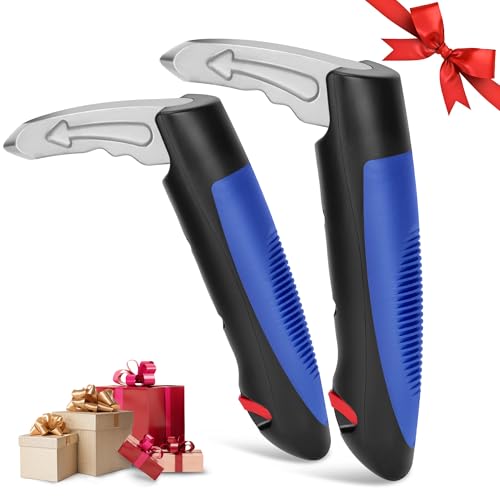


Instructions: This method works exclusively on older vehicles with exposed, pull-up style lock knobs that have a larger head. First, tie a slip knot in the middle of your shoelace. Create a small gap in the upper corner of the door (as in Step 3), just wide enough to feed the string through. Carefully work the shoelace back and forth, manipulating the slip knot until it cinches around the pull-up lock knob. Once securely around the knob, pull both ends of the shoelace upwards to lift the knob and unlock the door. This method requires significant practice and patience.
Pro Tip: Practice forming and manipulating the slip knot beforehand. This method is often shown in videos; watching one can provide a better visual understanding of the technique.
Step 6: The Coat Hanger/Slim Jim Method (for Older Vehicles with Rod Locks)
What you need: A metal coat hanger (straightened and bent into a hook), and a flashlight.
Instructions: This method is more advanced and primarily for older cars (pre-1990s often) that use vertical rods to connect the lock knob to the locking mechanism. Straighten a metal coat hanger, then bend a small hook at one end. Carefully slide the hanger down between the window and the exterior weather stripping, or through the door frame gap. The goal is to “fish” for the internal linkage rod that operates the lock. Once you snag a rod, gently pull or push it to manipulate the lock. This method carries a higher risk of damaging internal wiring or components if done incorrectly.
Pro Tip: Researching your specific car model’s door lock mechanism and internal components is highly recommended before attempting this method. Modern cars have complex electronics and airbags within the door, making this method risky and potentially damaging.
Step 7: Verify Access and Inspect for Damage
What you need: Just your eyes and hands.
Instructions: Once the door is successfully unlocked, carefully remove all tools. Close the car door gently and then reopen it to ensure the latch mechanism is still functioning correctly. Thoroughly inspect the door frame, the paint around the entry point, and the weather stripping for any signs of bending, scratches, or tears. Check that the door still closes flush against the car body and that there are no new gaps. If you notice any damage, consider having it professionally inspected to prevent future issues like water leaks or wind noise.
Pro Tip: A quick visual and tactile inspection immediately after gaining entry can save you from bigger problems down the line. If the weather stripping appears compromised, a slight adjustment or replacement might be necessary to maintain your car’s seal.
✅ Final Checklist
- The car is unlocked and accessible.
- No visible damage (scratches, dents, bends) to the exterior paint, door frame, or window.
- The door closes and latches securely, without excessive force or gaps.
- The internal lock mechanism functions correctly with the key or electronic fob.
- All tools used have been retrieved and accounted for.
Important Notes:
- Safety Considerations: Never break a window as a first resort; it’s dangerous, costly, and can leave your car vulnerable. Always be aware of your surroundings when performing these actions, especially in public places, to avoid being mistaken for attempting to steal the vehicle.
- When to Seek Professional Help: For newer vehicles with complex electronics, advanced security systems, or if you are unsuccessful after a few attempts, it is always best to contact a certified locksmith or your roadside assistance provider. They have specialized tools and expertise that minimize damage.
- Estimated Time and Cost Range: DIY attempts can take anywhere from 5 to 30 minutes, depending on your car and the method used, with minimal to no material cost (using improvised tools). Calling a professional locksmith typically costs between $50 – $200, depending on your location, time of day, and complexity of the service.
Factors Influencing Your Choice of Unlocking Method
Selecting the right unlocking method isn’t a one-size-fits-all situation. Several critical factors will dictate your best course of action, minimizing risk and maximizing your chances of success.

Vehicle Type, Age, and Make/Model: Key Considerations
- Older Vehicles (Pre-2000s): Generally, these cars are the easiest to open with DIY methods. They often have simpler mechanical linkages, visible lock pins, and less robust anti-theft measures. Framed windows are common, allowing for easier wedging.
- Newer Vehicles (Post-2000s): Modern cars present a greater challenge. They typically feature electronic locking, complex wiring, tighter window seals, sloped door designs, and advanced security like deadlocking. Damage to electronics, paint, or weather stripping is a higher risk.
- Specific Models: Some car manufacturers design their door locks with specific vulnerabilities or protections. For example, older Honda/Acura vehicles were known for being relatively easy to “slim jim.” Conversely, many European luxury cars have incredibly secure and recessed locking mechanisms, making DIY attempts extremely difficult and risky. Researching your specific make and model online for known DIY methods can be helpful.
- Frameless Windows: Cars with frameless windows (common on coupes and some sedans) can be particularly tricky. Wedging the door or window incorrectly can cause significant damage to the window motor or its delicate sealing mechanism.
Available Tools and Your Comfort Level: Practical Limitations
- What’s on Hand? Your immediate environment dictates what tools you have access to. A simple coat hanger, a string, or a wooden wedge might be your only options. If you have a dedicated lockout kit (air wedge, long reach tool), your options expand.
- DIY Aptitude: Be honest about your mechanical skills and patience. Attempting a delicate operation when you’re frustrated, in a hurry, or lack confidence significantly increases the risk of damage. If you’re not comfortable manipulating wires or delicate mechanisms, it’s better to reconsider.
- Risk Tolerance: Every DIY method carries a risk of scratching paint, bending door frames, damaging window seals, or interfering with internal wiring. Assess if the potential cost of repair outweighs the locksmith’s fee.
Urgency and Environment: When to Call a Pro
- Child or Pet Inside: If a child or pet is locked inside the car, especially in extreme weather conditions,
do not attempt DIY methods. Call 911 (or your local emergency number) immediately. First responders are equipped for rapid, safe entry in these critical situations.
- Extreme Weather: Cold weather can make plastic components brittle and prone to breaking. Hot weather can exacerbate the dangers for occupants inside. These conditions demand immediate professional assistance.
- Safe Environment: Attempting to unlock your car in a dimly lit, unsafe, or remote location is not advisable. You need good visibility and a secure environment to focus on the task and avoid drawing unwanted attention.
- Time Sensitivity: If you’re in a rush to an appointment or flight, the time spent on a potentially unsuccessful DIY attempt might be better spent waiting for professional help.
Mitigating Risks and Preventing Vehicle Damage
Attempting to open a locked car door yourself can save you time and money, but it’s crucial to proceed with caution. The last thing you want is to exchange a locked door for a damaged one. Understanding the potential risks and how to avoid them is paramount to a successful outcome without costly repercussions.
Avoiding Common Mistakes
Many people, in their haste or frustration, make common errors that lead to unnecessary damage. One frequent mistake is using improvised or incorrect tools. For instance, a regular screwdriver might seem handy, but its sharp edges can easily scratch paint, tear weather stripping, or even bend your car’s door frame. Applying excessive force is another pitfall; car components are often more delicate than they appear, and forcing a tool can lead to broken clips, electrical issues, or permanent distortion.
- Never use metal objects directly on painted surfaces or trim. Always use protective covers like cloths or tape if direct contact is unavoidable.
- Avoid forcing tools into tight spaces. If a tool isn’t sliding in easily, it might be the wrong tool or you’re approaching the wrong spot.
- Be aware of internal wiring. Modern car doors are packed with electronics for power windows, locks, and speakers. Poking around blindly can sever wires or short circuits.
Prioritizing Safety and Car Integrity
Your primary goal is to get into your car, not to create a new set of problems. Always prioritize the safety of yourself and the integrity of your vehicle. Damaging your car can lead to expensive repairs, compromise its weather sealing, affect its security, and even diminish its resale value. Before you begin, take a moment to assess the situation and your tools.
- Work in a well-lit environment. Good visibility helps you see what you’re doing and avoid mistakes.
- Patience is key. Rushing often leads to errors. Take your time, be gentle, and if you feel resistance, stop and re-evaluate.
- Understand your car’s specifics. Some vehicles, especially those with frameless windows or complex security systems, are more susceptible to damage from DIY attempts.
- Consider the “cost” of damage. A minor scratch might be annoying, but a bent door frame or damaged electrical system could be hundreds or thousands of dollars to fix.
DIY vs. Professional Assistance: Making the Right Call
Deciding whether to tackle a locked car door yourself or call a professional often comes down to a few key factors: the age and type of your car, the tools you have available, and the urgency of the situation. Knowing when to confidently attempt a DIY solution and when to wisely opt for expert help can save you both stress and money.
When DIY is Feasible
DIY methods are generally more suitable for older model cars with simpler locking mechanisms. If your vehicle is from an era before sophisticated electronic security systems became standard, you might have a higher chance of success with basic tools like a slim jim or a long-reach grabber. DIY is also a viable option if you have the correct specialized tools readily available, such as a proper car wedge and an air pump wedge, designed specifically for this task without causing damage. It’s a great option if you have a spare key inside the car and just need to create enough space to retrieve it.
- Older vehicle models: Typically have less complex internal door mechanisms.
- Right tools on hand: If you own a proper car lockout kit, you’re better prepared.
- Low-stress situation: When time isn’t critical, you can afford to be patient.
Recognizing When to Call a Pro
For newer cars, especially those with advanced security features, keyless entry systems, or delicate finishes, calling a professional is often the safest and most cost-effective choice. Modern vehicles are designed to resist unauthorized entry, and amateur attempts can easily trigger alarms, damage sensitive electronics, or leave lasting cosmetic flaws that are expensive to repair. Moreover, if a child or pet is locked inside the car, immediate professional assistance (or even emergency services if heat is a factor) is not just recommended, but critical. Professionals like locksmiths or roadside assistance technicians have specialized tools and training to open your car without causing damage, often faster than you could yourself.
- Newer or luxury vehicles: High risk of damaging advanced electronics or expensive finishes.
- Emergency situations: When a child or pet is locked inside, time is of the essence.
- Lack of proper tools or experience: If you’re unsure or don’t have the right equipment.
- Repeated failed attempts: If DIY methods aren’t working, stop before you cause damage.
Conclusion
Finding yourself locked out of your car is undeniably frustrating, but with the right knowledge, it doesn’t have to be a disaster. We’ve explored various DIY methods and the critical importance of preventing damage while attempting to open your car door. Remember, understanding your vehicle’s vulnerabilities and knowing when to call a professional are key to a successful outcome. Whether you choose a DIY approach or seek expert help, always prioritize safety and your car’s integrity.


For your next steps, consider keeping a spare key in a secure, accessible place away from your vehicle, or ensure you have roadside assistance details saved in your phone. Stay prepared, act smart, and you’ll navigate future lockouts with confidence!
❓ Frequently Asked Questions
What are the primary risks involved when trying to open a locked car door yourself?
The main risks include damaging the car’s paint, weather stripping, window seal, internal electrical components, or even deploying airbags if tools interfere with wiring. Incorrect methods can also bend the door frame or damage the locking mechanism, leading to expensive repairs.
How do different car lock types affect the feasibility of DIY unlocking methods?
Older cars with manual pull-up/push-down locks are generally easier to open with simple tools like a coat hanger or shoelace. Newer vehicles with electronic locking systems, anti-theft features, and recessed buttons are significantly harder and riskier to attempt DIY methods on, often requiring specialized tools or professional help.
When should I definitely call a professional locksmith or roadside assistance instead of attempting DIY?
You should call a professional if your car is a newer model with advanced security features, if you’re unsure about the correct method, if you lack the proper tools, or if you’ve already attempted DIY methods without success and fear causing damage. They have specialized equipment and expertise to open doors safely.
Are there any specific tools that are safer to use than others for DIY car unlocking?
Using a non-marring wedge and an air bag or pump wedge to create a small gap is generally safer than prying with metal tools, as it reduces the risk of paint and frame damage. A long-reach tool or a specially designed slim jim (if you know your car’s internal layout) can also be safer than blind prying.
What immediate steps should I take if I realize I’ve locked my keys in my car?
First, check all other doors and the trunk for an unlocked state, as you might be surprised. Next, consider if you have a spare key hidden or accessible through a family member. If not, calmly assess the situation and your car’s features before attempting any DIY methods or calling for professional help.
Can using a cell phone or app remotely unlock my car door?
Yes, many modern vehicles are equipped with telematics systems (like OnStar, Uconnect, FordPass) that allow you to remotely unlock your car via a smartphone app or by calling their service center. This is often the safest and easiest option for newer cars if you subscribe to such services.