Can You Rejuvenate Old Gasoline? Truth & Safe Disposal
Rejuvenating truly old or degraded gasoline is generally not effective or safe for most engines. Significant chemical changes and loss of key components make restoration impractical; instead, focus on proper storage to prevent degradation and safe disposal for expired fuel.
🎯 Key Takeaways

- Old gasoline often cannot be restored effectively.
- Using degraded fuel risks severe engine damage.
- Proper, safe disposal of old gas is crucial.
- Prevent degradation with fuel stabilizers and storage.
- Avoid using fuel older than 6-12 months.
Can you really rejuvenate old gasoline and make it safe and effective to use again? For most DIYers, the straightforward answer is no. Once gasoline truly degrades, its chemical composition changes fundamentally, making practical and safe restoration an impossible task. Trying to salvage significantly aged fuel often leads to costly engine damage, poor performance, and even serious safety hazards.

Understanding what happens to gasoline over time is crucial. This knowledge will help you avoid expensive mistakes and ensure you handle old fuel responsibly. We’ll dive into the science of fuel degradation and explain why ‘rejuvenating’ it is typically a futile—and dangerous—endeavor.
Understanding Gasoline Degradation and Its Effects
What Happens When Gasoline Ages?
Gasoline isn’t a static substance; it’s a complex blend of hydrocarbons designed for immediate combustion. Over time, several processes cause it to break down, compromising its quality:
- Loss of Volatile Compounds: Gasoline contains lighter, highly volatile components that are crucial for easy ignition, especially in cold weather. These compounds evaporate first, reducing the fuel’s octane rating and making it harder for engines to start and run smoothly.
- Oxidation: Oxygen in the air reacts with hydrocarbons, forming gums, varnishes, and solids. These sticky byproducts are the biggest culprits for clogging fuel filters, lines, and delicate fuel injectors. Think of it like a slow rust for your fuel system.
- Water Contamination: Condensation within fuel tanks or direct exposure to moisture can introduce water into the fuel. Water doesn’t burn, and it can cause corrosion inside your engine and fuel system components.
- Ethanol Phase Separation: Modern gasoline often contains ethanol, which is hygroscopic, meaning it absorbs water. Once enough water is absorbed, the ethanol-water mixture separates from the gasoline and sinks to the bottom of the tank. This “phase separation” leaves you with lower-octane gasoline at the top and a corrosive, water-laden ethanol layer at the bottom.
These degradation processes can begin surprisingly quickly, often within 3-6 months for ethanol-blended fuels and up to a year for non-ethanol blends, especially when exposed to heat, humidity, or air.
The Consequences of Degraded Fuel
Using degraded gasoline is a recipe for serious trouble, potentially leading to significant financial costs and operational headaches:
- Engine Damage: The gums and varnishes formed during oxidation can seize fuel pumps, completely clog fuel injectors, and cause excessive wear on critical engine components, leading to expensive repairs. Corrosive elements from water and separated ethanol can also erode metal parts.
- Poor Performance: Degraded fuel with reduced octane will cause your engine to knock, ping, and run inefficiently. You’ll experience a significant loss of power, poor acceleration, and decreased fuel efficiency.
- Starting Issues: The loss of volatile compounds makes engines incredibly difficult to start, especially small engines like those in lawnmowers or generators. You might crank endlessly without success.
- Safety Hazards: Clogged fuel systems can lead to fuel starvation, engine misfires, or erratic operation. In extreme cases, overheating components due to blockages can pose fire risks.
These issues aren’t minor inconveniences; they can severely impact your equipment’s reliability and lifespan, potentially rendering it inoperable without costly professional intervention.
How to Rejuvenate Old Gasoline Like a Pro: A Practical Walkthrough
Gasoline doesn’t last forever. Over time, it degrades, loses its volatility, and can accumulate contaminants like water or varnish. This guide provides a detailed, step-by-step approach to assessing, filtering, and treating old gasoline to potentially make it usable again for non-critical applications, saving you money and reducing waste. Remember, this process is best suited for mildly degraded fuel and should always prioritize safety and proper disposal.
Step 1: Assess the Condition of Your Old Fuel
What you need: A clear, clean glass or plastic container (e.g., a mason jar or clear soda bottle), a well-ventilated area, and good lighting.
Instructions: Carefully pour a small sample (about 1-2 cups) of the old gasoline into your clear container. Observe its color: fresh gasoline is typically yellowish or light amber. Darker colors (brown, red, black) often indicate significant degradation. Look for cloudiness, sediment, or distinct layers, which can suggest water contamination or particulate matter. Finally, gently sniff the fuel; fresh gasoline has a distinct, sharp smell. A sour, varnish-like, or overly chemical smell is a clear sign of degradation.
Pro Tip: Do not taste the fuel under any circumstances. If the fuel is extremely dark, has a strong rancid odor, or has visible chunks of solids, it’s likely beyond rejuvenation and should be professionally disposed of. Focus your efforts on fuel that is merely discolored or slightly cloudy.
Step 2: Safely Drain and Isolate the Degraded Fuel
What you need: Siphon pump or hand pump, appropriate fuel-rated hoses, several clean, sealable fuel cans (minimum 5-gallon capacity each), funnel, old rags, safety glasses, chemical-resistant gloves, fire extinguisher nearby.
Instructions: Before starting, ensure the engine or fuel tank you’re draining from is cool and disconnected from any power source. Work in a well-ventilated outdoor area, away from ignition sources. Position your empty fuel cans lower than the fuel tank. Use your siphon pump or hand pump to carefully transfer the old gasoline from the vehicle or container into the clean, designated fuel cans. Take care not to spill and immediately wipe up any drips with rags. Do not attempt to drain by simply tipping a fuel tank unless it’s very small and specifically designed for it.
Pro Tip: Always ground yourself and the receiving container to prevent static discharge, which can ignite fuel vapors. Avoid using clear plastic tubing for siphoning fuel unless it’s specifically rated for fuel transfer, as some plastics can degrade and contaminate the fuel.
Step 3: Initial Filtering for Sediment and Particulates
What you need: Large funnel with a fine mesh filter (a paint filter cone works excellently, typically 125-190 micron), additional clean, empty fuel cans, a sturdy workbench or surface.
Instructions: Place the funnel with the fine mesh filter securely into the opening of a clean, empty fuel can. Slowly pour the old gasoline through the filter. This initial pass will capture larger particles, rust, dirt, and any significant varnish flakes that may have settled. Allow the fuel to filter by gravity, which might take some time depending on the volume. If the filter becomes clogged, carefully remove it, clean or replace it, and continue the process. Repeat this step for all the old fuel you’ve collected.
Pro Tip: For extremely dirty fuel, you might consider pre-filtering through a larger mesh screen (like a kitchen strainer lined with cheesecloth) to remove gross contaminants before using your finer paint filter cones. This extends the life of your finer filters.
Step 4: Advanced Water and Micro-Particulate Removal
What you need: New, clean fuel cans (preferably clear ones for observation), multiple fresh, clean paint filter cones (125-190 micron), coffee filters, a funnel.
Instructions: After the initial filtering, you’ll perform a more rigorous filtration. For each can of filtered fuel, place a fresh paint filter cone into a clean funnel, and then line the paint filter cone with a standard paper coffee filter. Slowly pour the gasoline through this double-filtration setup into another clean fuel can. The coffee filter is incredibly effective at trapping very fine particulates and can help separate small water droplets if present, as water has difficulty passing through dry paper. You may need to replace coffee filters frequently as they become saturated or clogged.
Pro Tip: If you suspect significant water contamination (e.g., cloudy appearance, visible layers), let the fuel sit undisturbed in clear containers for 24-48 hours. Water is denser than gasoline and will settle at the bottom, forming a distinct layer that can then be siphoned or carefully drained off using a petcock from the bottom if your container allows.
Step 5: Apply a High-Quality Fuel Stabilizer and Additives
What you need: A reputable fuel stabilizer (e.g., Sta-Bil, Lucas Fuel Conditioner), a fuel system cleaner, measuring cup.
Instructions: Once the gasoline has been thoroughly filtered and any separated water removed, it’s time to treat it. Add a high-quality fuel stabilizer according to the manufacturer’s directions, typically 1 ounce per 2.5 gallons for treatment, or slightly more for severely degraded fuel (but do not exceed double the recommended amount). Additionally, consider adding a fuel system cleaner designed to dissolve varnish and carbon deposits. Stir or gently agitate the treated fuel to ensure even distribution of the additives. These additives will help prevent further degradation and clean internal engine components.
Pro Tip: For fuel that has been stored for more than 6 months, using a double dose of stabilizer (within safe limits) can provide enhanced protection and help break down existing gums. Ensure the stabilizer is specifically designed for ethanol-blended fuels if your old gasoline contained ethanol.
Step 6: Blend with Fresh Gasoline for Dilution and Performance
What you need: Fresh, new gasoline (the same octane rating as the original fuel), a clean, empty fuel can, measuring container.
Instructions: Even after rejuvenation, the old gasoline may still lack some of the volatility and octane of fresh fuel. The best practice is to blend your treated, old gasoline with an equal or greater amount of brand-new, fresh gasoline. For example, if you have 2 gallons of rejuvenated fuel, mix it with at least 2, preferably 3-4, gallons of fresh fuel in a clean container. This dilution significantly improves the overall quality and performance characteristics of the mixture, making it safer and more effective for use in engines.
Pro Tip: Start with a conservative blend, perhaps 1 part old to 3 parts fresh, especially if the old fuel was significantly degraded. This approach minimizes potential issues and allows you to gradually introduce more of the rejuvenated fuel into the mix if performance remains satisfactory.
Step 7: Test the Rejuvenated Fuel in a Non-Critical Engine
What you need: A small, non-critical engine (e.g., an old lawnmower, string trimmer, pressure washer), safety glasses, hearing protection.
Instructions: Before using your blended fuel in a sensitive or critical engine (like your car or a new generator), test it in a less demanding application. Fill the tank of a resilient piece of equipment, such as an older lawnmower that’s easy to start and troubleshoot. Run the engine for 15-30 minutes, observing its performance. Look for easy starting, smooth idling, consistent power output, and no unusual knocking or sputtering. If the engine runs poorly, drain the blended fuel and dispose of it properly.
Pro Tip: Never attempt to use highly degraded or poorly performing rejuvenated fuel in modern vehicles with catalytic converters or fuel injection systems, as it can cause expensive damage. This rejuvenation process is primarily intended for carbureted small engines.
✅ Final Checklist
- Fuel appears clear and free of visible particles.
- Fuel has a clean, sharp gasoline odor, free from sour or varnish notes.
- Fuel has been treated with an appropriate fuel stabilizer.
- Rejuvenated fuel has been blended with at least 50% fresh gasoline.
- Test run in a non-critical engine was successful with no adverse effects.
Important Notes:
- Safety First: Gasoline is highly flammable. Always work in a well-ventilated area away from open flames, sparks, and heat sources. Wear appropriate PPE (gloves, safety glasses). Have a fire extinguisher readily available.
- When to Seek Professional Help: If your old gasoline is extremely dark, contains significant sludge or solid debris, or you are uncomfortable handling flammable liquids, it’s best to take it to a professional waste disposal facility. Do not pour it down drains or onto the ground.
- Estimated Time and Cost Range: This process can take anywhere from 1 to 3 hours, depending on the volume of fuel and the number of filtration passes. The cost typically ranges from $10-$30 for fuel filters, funnels, and high-quality fuel additives.
The Feasibility and Risks of Attempting Fuel Rejuvenation
Why ‘Restoring’ Old Gas is Rarely Possible
The core problem is that once gasoline degrades significantly, its fundamental chemical composition changes. You cannot simply reverse these complex processes at home:

- Lost Volatiles are Gone Forever: Once the lighter, more volatile hydrocarbons evaporate, you can’t put them back. While octane boosters can slightly increase the octane rating of fresh fuel, they do not replenish the lost essential components that contribute to proper ignition and combustion. They cannot magically restore evaporated gasoline.
- Oxidized Compounds are Irreversible: The gums, varnishes, and solid particulates that form from oxidation are permanent byproducts. Fuel stabilizers work by preventing oxidation from occurring in stored fuel; they do not reverse it once these contaminants have formed. Once these impurities are present, they are a physical component of the fuel that needs to be filtered out, not chemically “rejuvenated.”
- Ethanol Phase Separation: Once ethanol phase separation occurs, the remaining gasoline is chemically altered (lower octane, less energy density) and the separated water/ethanol layer is highly corrosive. While you could technically drain the separated layer, the remaining gasoline is still compromised. Simply mixing it with fresh fuel only dilutes the problem, it doesn’t restore the original quality of the old fuel.
Trying to “rejuvenate” truly old gasoline is akin to trying to “re-spoil” spoiled milk; the chemical changes are fundamental and, for practical purposes, irreversible. The degraded compounds are not just suspended; they are integrated into the fuel’s altered state.
The Dangers of Using Compromised Fuel
Using truly old or visibly degraded gasoline is a gamble that carries significant risks, particularly with modern, precision-engineered engines. The potential costs and dangers far outweigh any perceived savings from not disposing of old fuel properly:
- Severe Engine Damage: The most significant risk is direct damage to your engine. Clogged fuel filters and injectors, seized fuel pumps, and corrosion in fuel lines and carburetors can lead to extensive and expensive repairs, often costing hundreds or thousands of dollars.
- Reduced Engine Lifespan: Even if immediate catastrophic failure doesn’t occur, continuously running an engine on compromised fuel accelerates wear and tear on vital components, significantly shortening the engine’s overall lifespan.
- Safety Hazards: Fuel system blockages or inconsistent fuel delivery can lead to erratic engine behavior, stalling at critical moments (e.g., on a busy road or during an emergency), or even potential fire risks from overheating fuel pumps or uncontrolled misfires.
- Poor Performance & User Frustration: You’re guaranteed to experience hard starting, rough idling, hesitation, reduced power, and decreased fuel economy. This makes any equipment unreliable, inefficient, and incredibly frustrating to operate.
For these compelling reasons, the general consensus among automotive and small engine experts is to err on the side of extreme caution. If your gasoline is truly old and degraded—especially if it shows signs of separation or contamination—the safest and most responsible course of action is almost always proper disposal, not attempted rejuvenation. We’ll discuss safe disposal methods in the latter half of this post.
Safe Disposal and Management of Expired Gasoline
When gasoline has truly gone bad – beyond the point where simple additives can help – responsible disposal becomes paramount. Pouring old fuel down a drain, onto the ground, or into regular trash is not only illegal in most places but also severely harmful to the environment and a significant fire hazard. Proper management ensures safety and protects our planet.
Identifying Expired Fuel for Safe Handling
Before you consider disposal, ensure you’re dealing with truly expired fuel. Signs include a dark, murky appearance, a sour or varnish-like smell, and the presence of sediment or separation. If your fuel exhibits these characteristics, it’s highly compromised and should not be used in any engine, even after attempts at ‘rejuvenation.’
- Visual Inspection: Look for cloudiness, discoloration (darker than fresh fuel), or visible particles at the bottom. Fresh gasoline is typically clear and amber-colored.
- Odor Test: A strong, acrid, or sour smell, often likened to turpentine or varnish, is a clear indicator of degradation. This smell comes from the breakdown of fuel components.
- Separation: If you see distinct layers, especially water at the bottom, the fuel is severely contaminated. Water can enter through condensation or improper sealing.
Proper Disposal Channels
The safest and most environmentally sound way to dispose of old gasoline is through official hazardous waste channels. These facilities are equipped to handle flammable liquids safely, often recycling or processing them to minimize environmental impact.
- Local Hazardous Waste Facilities: Many municipalities operate specific collection sites or host periodic events for household hazardous waste. Check your local government’s waste management website or call their offices for schedules, locations, and any specific drop-off requirements.
- Automotive Repair Shops: Some reputable garages or service stations may accept small quantities of old fuel as a courtesy, especially if you’re a regular customer, but this is not a universal service. Always call ahead to confirm their policy.
- Fire Departments: While fire departments are excellent resources for safety advice, they typically do not accept old gasoline for disposal themselves. They can, however, often direct you to the correct local hazardous waste facility or public works department.
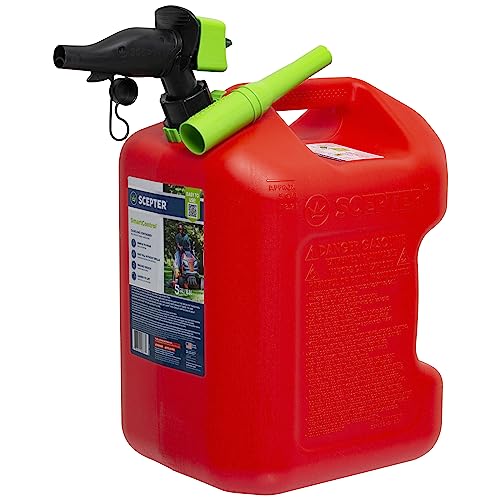
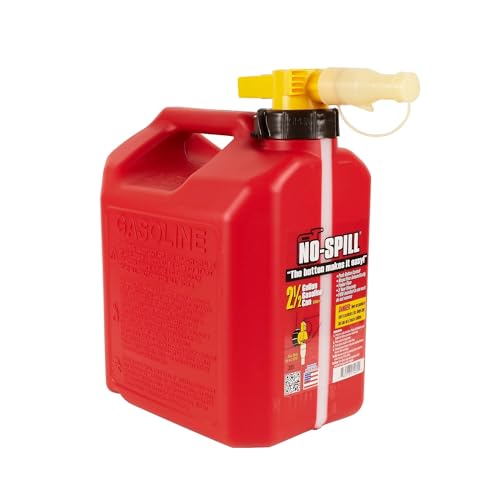
Always transport old gasoline in approved, sealed containers (like a sturdy, red gasoline can) and never mix it with other fluids. Handle with extreme care, keeping it away from heat sources, open flames, and out of reach of children and pets.
Preventing Fuel Degradation Through Proper Storage
The best way to avoid the headache of expired gasoline is to prevent it from going bad in the first place. Proper storage practices can significantly extend the life of your fuel, saving you money, time, and potential disposal issues. A little foresight goes a long way in maintaining fuel integrity.
Choosing the Right Storage Containers
The type of container you use is crucial for preserving gasoline quality. Not just any container will do; it needs to be specifically designed for fuel storage to minimize degradation and ensure safety.
- Approved Materials: Always use containers made from sturdy metal or high-density polyethylene (HDPE) plastic that are explicitly certified for gasoline storage. Look for certifications like UL (Underwriters Laboratories) or ASTM (American Society for Testing and Materials) stamps.
- Air-Tight Seal: A properly sealing, vapor-proof cap is vital. This prevents oxygen exposure, which accelerates oxidation and gum formation, and stops fuel vapors from escaping, reducing volatility and fire risk.
- Appropriate Size: Choose a container size appropriate for your needs. Storing excessively large quantities increases the risk of degradation over time if not used regularly. A common 5-gallon can is practical for lawn equipment or small generators.
Never use old milk jugs, soda bottles, or unapproved plastic containers. These materials can degrade, leak, and are not designed to withstand gasoline’s corrosive properties or its volatile nature, posing serious safety hazards.
Optimal Storage Environment and Practices
Beyond the container, where and how you store your fuel plays a major role in its longevity and safety.
- Cool, Dark Location: Store gasoline in a cool, dry, well-ventilated area away from direct sunlight and heat sources. A shed, detached garage, or dedicated storage locker is ideal. Heat significantly speeds up the breakdown process, leading to evaporation and oxidation.
- Fuel Stabilizers: For any fuel you plan to store for more than a month, a high-quality fuel stabilizer is a must. These additives create a protective layer, preventing oxidation and gum formation, thereby keeping the fuel fresh. Mix it directly into the fuel when you buy it, following the manufacturer’s instructions.
- Minimize Air Space: While it might seem counterintuitive, keeping the container as full as possible (leaving just a small air gap for expansion) can help reduce the amount of oxygen that can react with the fuel.
- Rotate Stock: If you regularly store fuel, practice “first-in, first-out” – use the oldest gasoline first. Label containers with the purchase date to make this easy.
By investing in proper storage and using fuel stabilizers, you can significantly extend the shelf life of your gasoline, often for 6-12 months or even longer, depending on the stabilizer product and storage conditions.
Conclusion
The truth about rejuvenating old gasoline is clear: while minor degradation might be reversible with the right additives, truly expired or heavily contaminated fuel is often beyond reliable repair. Attempting to force bad fuel through your engine can lead to costly damage, making prevention and proper disposal the smarter, safer choices.
Prioritize safe handling and environmental responsibility. Always opt for designated hazardous waste facilities for disposal, and proactively extend your fuel’s life by using approved containers, fuel stabilizers, and optimal storage conditions. By understanding the limitations of rejuvenation and embracing best practices, you can save money, protect your equipment, and contribute to a healthier environment. Be proactive, store smart, and when in doubt, dispose responsibly.
❓ Frequently Asked Questions
Why is it difficult to truly rejuvenate old gasoline?
Gasoline loses volatile compounds, undergoes oxidation, and can suffer ethanol phase separation (especially E10), fundamentally altering its chemical makeup beyond simple restoration. Additives prevent degradation but cannot reverse these intrinsic changes once they’ve occurred.
What are the primary risks of using old gasoline in an engine?
Using degraded fuel can lead to severe engine problems such as clogged fuel injectors, damaged fuel pumps, piston scoring, reduced performance, and potential safety hazards due to poor combustion. The cost of potential repairs far outweighs the cost of fresh fuel or proper disposal.
What’s the difference between ‘stale’ and ‘old’ gasoline, and can either be salvaged?
‘Stale’ fuel might be a few months old and slightly less potent, potentially blendable in very small ratios with fresh fuel for non-critical engines. ‘Old’ fuel (6+ months, discolored, strong odor) has undergone significant chemical breakdown and should not be used or salvaged; it must be properly disposed of.
What are the best practices for storing gasoline to maximize its shelf life?
Store gasoline in approved, sealed containers (e.g., metal or HDPE plastic) in a cool, dark, well-ventilated area, away from direct sunlight and ignition sources. Always use a quality fuel stabilizer for any stored gasoline, even for short periods, and clearly label the container with the date.
Can I mix old gasoline with fresh gasoline to dilute it?
For very slightly stale fuel (1-3 months old), mixing a small amount (e.g., 1 part stale to 5-10 parts fresh) into a non-critical engine (like a lawnmower or older outdoor equipment) might be cautiously attempted. However, for truly old, discolored, or cloudy fuel, never mix; it will contaminate the fresh supply and potentially damage your engine.
Where can I safely dispose of old or unusable gasoline?
Contact your local public works department, municipal hazardous waste facility, or an automotive service center. Many communities have designated collection events or permanent drop-off points for chemical waste. Never pour old gasoline down drains, onto the ground, or discard it with regular trash due to environmental and safety risks.