Cadillac Escalade Years to Avoid: Spotting Problem Models
Last Updated on September 1, 2026 by Ryan
Several Cadillac Escalade model years, notably those from the early 2000s (e.g., 2002-2007) and mid-2010s (e.g., 2015-2017), are frequently cited for reliability concerns. These years often present problems with transmissions, electrical systems, and air suspension, leading to expensive repairs and a less satisfying ownership experience. Identifying these problematic periods is crucial for any potential buyer seeking a dependable luxury SUV.
🎯 Key Takeaways


- Avoid 2002-2007 Escalades due to transmission and electrical woes.
- Be cautious with 2015-2017 models; CUE system and suspension are issues.
- Research specific model year complaints before purchasing.
- Always get a pre-purchase inspection on any used Escalade.
- Factor potential repair costs into budget for older models.
If you’re eyeing a used Cadillac Escalade, knowing which model years to approach with caution is critical for avoiding expensive headaches down the road. Based on owner complaints and common mechanical failures, the 2007, 2008, and 2009 model years stand out as the most problematic. You should also exercise increased scrutiny over the 2015 and 2016 models, which represented the initial rollout of a new generation and came with their own set of early production issues. Understanding these specific periods will save you significant repair costs and provide a more reliable ownership experience.
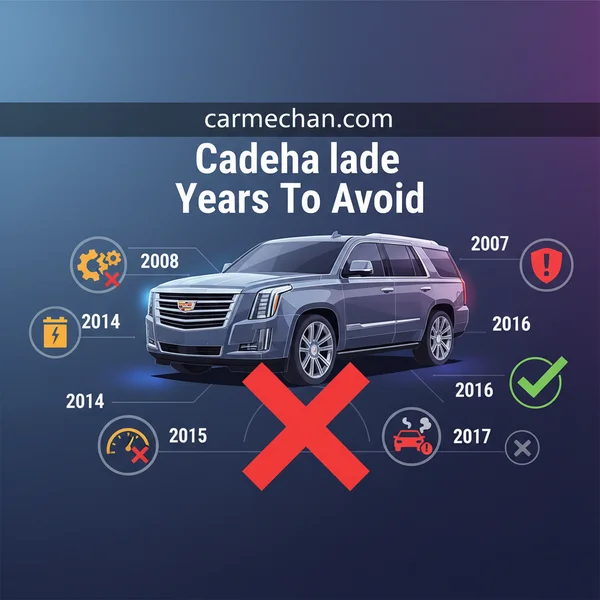
Focusing on these problematic years isn’t about shying away from a great luxury SUV entirely. Instead, it’s about being an informed buyer. Escalades from these particular generations and early production runs are notorious for specific, costly component failures in areas like the engine, transmission, and complex electrical systems. Ignoring these trends can lead to immediate repair bills that quickly outweigh any initial purchase savings, making your dream SUV a financial burden rather than a luxurious ride.
Understanding Common Cadillac Escalade Problem Years


The Cadillac Escalade has seen several generational shifts, each introducing new technology and designs. However, not all transitions or mid-cycle refreshes are created equal, with some years consistently reporting higher rates of owner dissatisfaction and mechanical issues. You need to pay close attention to the second generation and the early fourth generation.

The Second Generation (2007-2014) Pitfalls
While the second generation technically ran until 2014, the initial years from 2007 to 2009 are by far the most troublesome. These models, built on GM’s GMT900 platform, inherited numerous issues common to other GM trucks and SUVs of the era. The complexity of new active fuel management (AFM) systems in the V8 engines, combined with common transmission failures, significantly impacts their reliability. Owners frequently report:
- Excessive oil consumption due to AFM system flaws.
- Dashboard cracks and deteriorating interior plastics.
- Premature transmission failures, particularly with the 4L60 and 6L80E units.
- Electrical glitches, including power window motor failures and faulty door lock actuators.
These issues often require expensive, labor-intensive repairs, which can quickly diminish the value of a seemingly good deal.
Early Fourth Generation (2015-2016) Concerns
When Cadillac launched the fourth-generation Escalade for the 2015 model year, it introduced a host of new technologies and a redesigned platform. As is often the case with entirely new generations, the initial production years tend to suffer from “new model teething problems.” For the 2015 and 2016 Escalades, you’ll encounter a higher incidence of:
- Problems with the Cadillac User Experience (CUE) infotainment system, including freezing, unresponsiveness, and touchscreen delamination.
- Power window motor and regulator failures.
- Issues with advanced safety features and sensors, leading to warning lights or malfunctions.
- HVAC system complaints, such as blower motor failures or issues with climate control.
While not as catastrophic as the powertrain issues of the earlier problematic years, these electrical and tech-related problems are still costly to diagnose and repair, impacting your daily driving experience.
Specific Issues Tied to Unreliable Escalade Model Years


Understanding the general problematic years is one thing, but knowing the precise components that frequently fail helps you make an informed inspection or pre-purchase decision. These aren’t minor inconveniences; they’re often fundamental system failures.
Powertrain and Electrical Headaches (2007-2009)
The 2007-2009 Escalades are plagued by well-documented issues primarily centered around their powertrain and electrical systems. These are significant problems that directly impact the vehicle’s drivability and safety. When considering these years, you should be acutely aware of:
- Active Fuel Management (AFM) System Failures: The 6.2L V8 engines commonly develop issues with lifters and camshafts, leading to excessive oil consumption, misfires, and ultimately, engine rebuilds or replacements. This is perhaps the most notorious problem.
- Transmission Reliability: Both the 4L60E (early 2007 models) and 6L80E (late 2007-2009) transmissions are prone to premature failure, often manifesting as harsh shifting, slipping, or complete loss of gears. Rebuilding or replacing these units is a major expense.
- Electrical System Gremlins: Expect potential failures in door lock actuators, power window regulators, heated/cooled seat modules, and often seemingly random dashboard warning lights that are hard to diagnose.
These issues are not isolated incidents; they represent systemic design or manufacturing weaknesses that became apparent over time and mileage.
Technology and Build Quality Quirks (2015-2016)
While the 2015-2016 Escalades generally avoid the severe powertrain problems of their earlier counterparts, they often present frustrating and costly issues related to their new technology and initial build quality. You should specifically watch for:
- CUE Infotainment System Malfunctions: The touchscreen can become unresponsive, delaminate, or suffer from software glitches requiring costly module replacements or software updates. This central control unit impacts navigation, audio, and climate functions.
- Power Window and Regulator Failures: Similar to earlier generations, these models frequently experience power window motors or regulators failing, leading to windows getting stuck or falling into the door.
- Adaptive Cruise Control and Sensor Issues: Early versions of these advanced driver-assistance systems can be prone to intermittent failures, often indicated by warning lights or incorrect sensor readings.
- HVAC System Problems: Owners report issues with blower motors, climate control actuators, and sometimes complete failure of the heating or air conditioning system components.
These problems, while perhaps less critical than engine failure, significantly detract from the luxury experience and often come with substantial repair bills due to the integrated nature of modern vehicle systems.
Key Factors Contributing to Escalade Reliability Concerns
Understanding why certain Escalade models face common issues can empower you. It’s not always about a single manufacturing defect; often, it’s a combination of complex systems and the vehicle’s intended use.
Complexity of Advanced Technology and Electronics
Modern Escalades are packed with cutting-edge technology. While luxurious, this complexity can introduce multiple points of failure. The problematic years, particularly in the mid-2000s and early 2010s, often struggled with first-generation iterations of advanced features.
- Infotainment System Glitches: Early touchscreens and navigation units in some generations could be prone to freezing, lagging, or complete failure. This often requires costly dealer-specific diagnostics and repairs.
- Electrical Gremlins: Faulty wiring harnesses, sensor failures, and issues with control modules for features like power windows, heated seats, or even climate control are not uncommon in these older, tech-heavy models.
- Suspension System Sensors: The magnetic ride control and air suspension systems, while offering a smooth ride, rely on numerous sensors and components that can fail, leading to an uneven stance or poor ride quality.
The sheer number of electronic components means there’s more that could go wrong, and diagnosing these issues can be a significant challenge.
Wear and Tear from Heavy-Duty Usage
Escalades are often bought for their capability, whether it’s towing, hauling large families, or simply covering many miles. This demanding usage can accelerate wear on critical mechanical components, especially if previous owners neglected regular maintenance.
- Transmission Strain: Frequent heavy towing or aggressive driving can put immense stress on the transmission, leading to premature wear or failure, especially in models with less robust early automatic transmissions.
- Brake System Overload: The weight and power of an Escalade mean its braking system works hard. Neglected brake fluid changes or prolonged use of worn components can lead to expensive repairs beyond just pads and rotors.
- Suspension Component Fatigue: Constant heavy loads can wear out bushings, ball joints, and shock absorbers faster than in lighter vehicles. Addressing these issues is crucial for safety and ride comfort.
A vehicle subjected to a hard life without diligent maintenance will inevitably show its age in terms of reliability, regardless of its initial quality.
Expert Advice for Buying a Used Cadillac Escalade
Even if you’re eyeing a year outside the “avoid” list, smart buying strategies are essential for a reliable experience. A bit of upfront diligence can save you significant headaches and expenses down the road.
Prioritize a Comprehensive Pre-Purchase Inspection (PPI)
This is arguably the single most important step when buying any used luxury vehicle, and especially an Escalade. Don’t skip it, even if the seller provides a clean bill of health. A PPI should be performed by an independent, trusted mechanic who specializes in American luxury vehicles or GM products.
- Undercarriage Scrutiny: Look for signs of rust, fluid leaks (especially around the engine, transmission, and differential), and damage to suspension components.
- Diagnostic Scan: A good mechanic will connect a diagnostic tool to check for any stored trouble codes, even if the “Check Engine” light isn’t currently illuminated. This can reveal intermittent electrical or sensor issues.
- Test Drive with a Mechanic: Have your mechanic join you on a test drive to listen for unusual noises, feel for transmission shifts, and assess overall driving dynamics that you might miss.
This inspection can uncover hidden problems, negotiate a better price, or steer you away from a potential money pit. It’s a small investment that offers huge peace of mind.
Thoroughly Review Service History and Recall Status
A well-documented service history is a golden ticket. It shows that the previous owner cared for the vehicle and followed manufacturer-recommended maintenance schedules. Likewise, checking for open recalls is critical for safety and long-term reliability.
- Demand Records: Ask for all service records. Look for consistent oil changes, transmission fluid services, brake maintenance, and any significant repairs. Gaps in service history should raise a red flag.
- Verify Recall Completion: Use the vehicle’s VIN (Vehicle Identification Number) on the NHTSA website or a Cadillac dealer’s portal to check for any outstanding safety recalls. Ensure all relevant recall work has been completed by an authorized service center.
- Check CarFax/AutoCheck: While not a substitute for a PPI, these reports provide valuable data on accident history, ownership changes, and reported service intervals. Look for consistency between the report and provided service records.
A history of diligent care significantly increases the chances of buying a reliable used Escalade. A lack of records often indicates a lack of care.
Conclusion
Navigating the used Cadillac Escalade market requires a blend of enthusiasm and informed caution. While certain model years, particularly from 2007-2014 and some early 2000s models, have documented reliability challenges, the Escalade remains an attractive luxury SUV. By understanding the common pitfalls related to complex electronics and heavy usage, you can make a smarter decision.
Always prioritize a comprehensive pre-purchase inspection by a trusted mechanic and insist on reviewing thorough service records. With careful research and due diligence, you can find an Escalade that offers both the luxury you desire and the reliability you need. Don’t just buy; buy smart.
❓ Frequently Asked Questions
Why are the 2002-2007 Cadillac Escalade years often recommended to avoid?
These years are notorious for issues like premature transmission failure, particularly with the 4L60E and 4L65E units, along with electrical system glitches, rust problems on body panels and frames, and air conditioning system malfunctions that can be expensive to repair. These widespread problems significantly impact long-term ownership costs and vehicle dependability.
What specific problems are common in the 2015-2017 Cadillac Escalade models?
The 2015-2017 Escalade models frequently experience problems with the Cadillac User Experience (CUE) infotainment system, including freezing and unresponsiveness, as well as issues with the air ride suspension system, which can lead to costly repairs for compressor or strut replacements. Owners also report concerns with braking system components and overall fit-and-finish quality.
Are there any particular engine issues to watch out for in unreliable Escalade years?
While the engines themselves (like the 5.3L and 6.2L V8s) are generally robust, some models, especially those with Active Fuel Management (AFM), can experience excessive oil consumption or lifter issues, particularly in the mid-2000s and mid-2010s generations. These problems can lead to significant engine work if not addressed promptly.
How much do repairs typically cost for the problematic Escalade years?
Repairs for common issues like transmission replacement can easily run from $3,000 to $6,000, while air suspension system fixes can range from $1,000 to $3,000 per axle. Electrical diagnostics and repairs can vary widely but are often labor-intensive and expensive, making these problematic years financially risky.
Are there any visual cues or indicators that an Escalade might be from a problematic year?
Beyond checking the model year itself, potential buyers should look for tell-tale signs like sagging rear ends (indicating air suspension issues), non-responsive or flickering CUE screens, rust on older models’ frames or rocker panels, and unusual transmission shifting behavior during a test drive. A thorough pre-purchase inspection is always recommended.
Which Cadillac Escalade years are generally considered more reliable or safe to buy?
While no vehicle is perfect, the Cadillac Escalade model years from roughly 2008-2014 and the newer 2021+ models are often cited as having fewer widespread, severe reliability issues compared to their predecessors and some subsequent generations. These periods generally offer a better balance of luxury, performance, and long-term dependability.