Synthetic Oil Change: How Often & Key Factors Explained
Last Updated on September 1, 2026 by Ryan
Synthetic oil typically allows for extended change intervals compared to conventional oil, often ranging from 7,500 to 15,000 miles or 6-12 months. However, the most critical factor is always your vehicle’s owner’s manual and its oil life monitoring system, as driving conditions significantly influence actual frequency.
🎯 Key Takeaways
- Always consult your car’s owner’s manual for precise intervals.
- Synthetic oil typically lasts 7,500-15,000 miles or 6-12 months.
- Severe driving conditions shorten synthetic oil change intervals.
- Trust your vehicle’s Oil Life Monitor (OLM) for personalized timing.
- Regularly check your oil level and condition between changes.


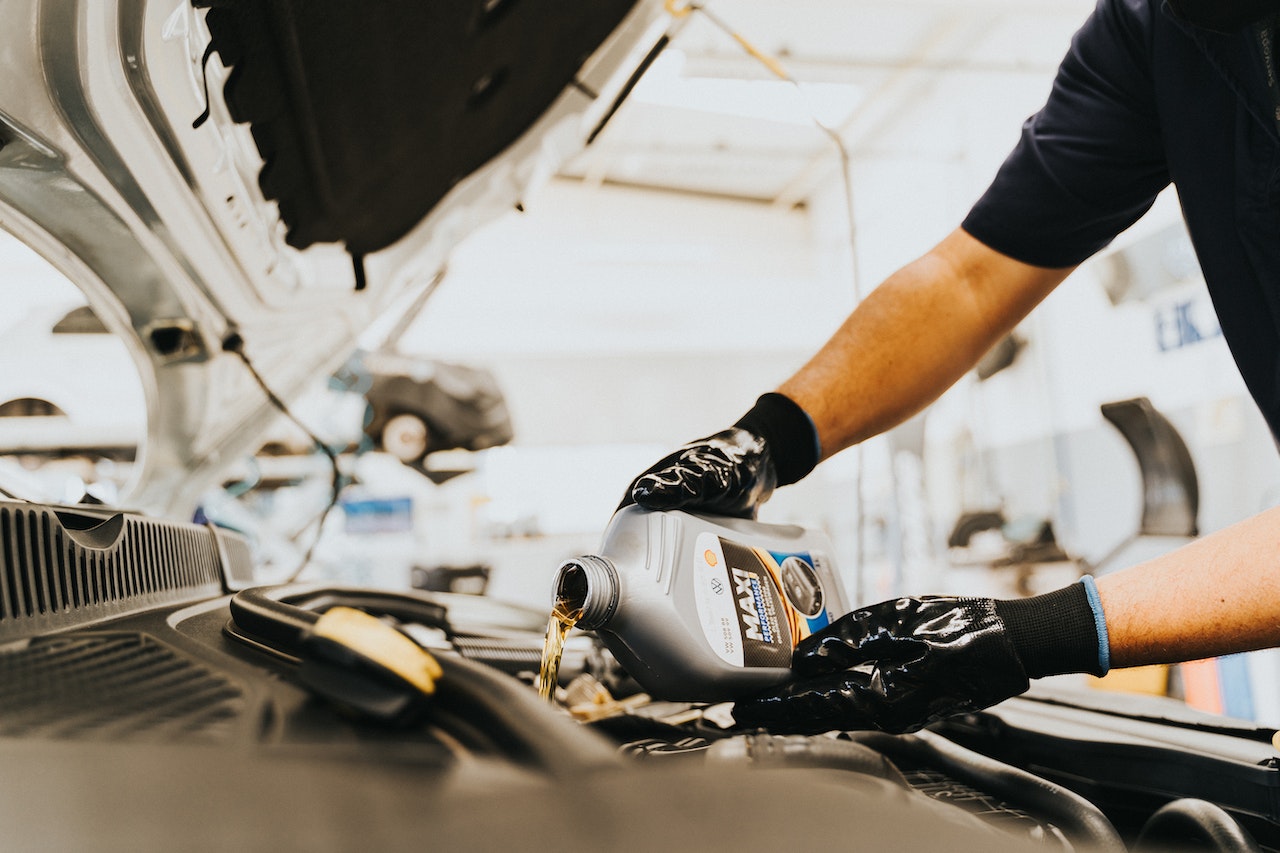
When it comes to maintaining your vehicle, knowing how often to change synthetic engine oil is a crucial question. The short answer is often longer than you might think: typically, you’re looking at intervals between 7,500 and 15,000 miles, or 6 to 12 months, whichever milestone you hit first. This extended lifespan is a primary benefit of choosing synthetic over conventional oil.

However, these figures are general guidelines, not rigid rules. Your optimal oil change schedule depends heavily on several individual factors. Understanding these specifics ensures your engine receives the best possible protection, maximizing its longevity and performance without wasting resources on unnecessary changes. Let’s break down these intervals and the key influences on your vehicle’s unique needs.
Understanding Synthetic Oil Change Intervals: Mileage and Timeframes
Synthetic oil has revolutionized engine maintenance, offering superior protection and significantly longer service intervals compared to its conventional counterparts. Unlike conventional oil, which typically requires changes every 3,000 to 5,000 miles, full synthetic oil provides a much wider window of opportunity.
General Mileage Recommendations
- Standard Range: For most modern vehicles using full synthetic oil, a common recommendation falls between 7,500 and 10,000 miles. This is a robust interval that suits many drivers and vehicles under normal operating conditions.
- Extended Intervals: Certain high-performance engines or vehicles specifically designed for longer service intervals, often paired with advanced synthetic formulations, can push this boundary to 12,000 or even 15,000 miles. Always consult your owner’s manual for these specific extended recommendations.
These mileage figures demonstrate the significant durability and resistance to breakdown that synthetic oils offer. Their consistent viscosity and ability to withstand extreme temperatures contribute directly to this extended performance.
The Time Factor: Why “Whichever Comes First” Matters
While mileage is a primary indicator, time is equally critical. You should change your synthetic oil every 6 to 12 months, even if you haven’t reached the recommended mileage. Why? Oil degrades over time, regardless of how many miles you drive. Here’s why:
- Oxidation and Contamination: Even sitting in the engine, oil is exposed to oxygen, leading to oxidation. It also absorbs moisture and can accumulate combustion byproducts that settle out.
- Additive Depletion: Synthetic oils contain vital additives that prevent corrosion, clean the engine, and reduce wear. These additives can deplete over time, losing their effectiveness, even if the oil visually appears fine.
Therefore, whether you’re a daily commuter or someone who rarely drives, adhering to the time-based recommendation is essential for maintaining optimal engine health.
Everything You Need to Know About Synthetic Oil Change Intervals
Welcome to your comprehensive guide on determining the optimal frequency for changing synthetic oil in your vehicle. Unlike conventional oils, synthetic lubricants offer enhanced protection and extended drain intervals, but knowing precisely when to change them requires more than just a rough estimate. This guide will walk you through the critical factors, practical steps, and expert tips to ensure your engine receives the best care, maximizing its longevity and performance.
Step 1: Understand Synthetic Oil’s Advantages and Specifications
What you need: Basic understanding of engine oil types, access to your oil’s specific product information (bottle, manufacturer website).
Instructions: Synthetic oil is engineered to resist breakdown, reduce friction, and perform better under extreme temperatures compared to conventional oil. This means it can often last longer. Familiarize yourself with the specific type of synthetic oil you use (e.g., full synthetic, synthetic blend) and its API (American Petroleum Institute) service classification (e.g., SN PLUS, SP). These classifications indicate the oil’s performance standards, including its ability to protect against wear and sludge, and often dictate its recommended lifespan.
Pro Tip: Don’t confuse “synthetic blend” with “full synthetic.” While blends offer improved performance over conventional, they typically don’t match the extended drain intervals of full synthetics. Always verify the API service category on the oil bottle to ensure it meets your vehicle manufacturer’s requirements.
Step 2: Consult Your Vehicle’s Owner’s Manual
What you need: Your vehicle’s owner’s manual (physical copy or digital version).
Instructions: This is the absolute foundation of your oil change schedule. Your vehicle manufacturer provides specific recommendations for oil type (viscosity, API standard) and change intervals based on extensive testing. They typically offer two sets of recommendations: one for “normal” driving conditions and another for “severe” driving conditions. Pay close attention to both mileage (e.g., every 7,500 miles) and time (e.g., every 6 months), as you should adhere to whichever comes first.
Pro Tip: Never guess or rely solely on general advice. Your owner’s manual contains vital, vehicle-specific information that overrides common rules of thumb. If you’ve misplaced your manual, most manufacturers provide free digital copies on their official websites.
Step 3: Evaluate Your Driving Conditions
What you need: An honest assessment of your typical driving habits.
Instructions: Determine if your driving falls under “normal” or “severe” conditions as defined by your owner’s manual. “Severe” conditions typically include frequent short trips (under 10 miles), stop-and-go city driving, prolonged idling, driving in extreme heat or cold, towing, dusty environments, or heavy loads. Most drivers, even those who think they drive “normally,” often fall into the “severe” category. If you frequently experience any of these, you should follow the shorter, more conservative oil change interval recommended for severe use.
Pro Tip: Err on the side of caution. If there’s any doubt about your driving conditions, it’s safer and better for your engine to adopt the “severe” service interval. Neglecting this could lead to premature engine wear and reduced oil life, even with synthetic oil.
Step 4: Monitor Your Vehicle’s Oil Life Monitoring System (If Applicable)
What you need: Access to your vehicle’s dashboard display or infotainment system.
Instructions: Many modern vehicles are equipped with an Oil Life Monitoring (OLM) system. This intelligent system doesn’t directly measure oil quality but uses an algorithm based on engine revolutions, temperature, driving conditions, and other factors to estimate remaining oil life. When the system indicates a low percentage (e.g., 20% or less) or prompts for an oil change, it’s time to act. Always follow the OLM’s guidance, as it often provides a more accurate, personalized interval than a fixed mileage or time recommendation.
Pro Tip: While OLMs are highly effective, they are a guide, not a definitive sensor of oil degradation. Never exceed the maximum mileage or time specified in your owner’s manual, even if the OLM suggests you have more life left. Some manufacturers recommend resetting the OLM only after an actual oil change to maintain accurate tracking.
Step 5: Track Mileage and Time Between Changes
What you need: A calendar, pen and paper, or a dedicated maintenance app; your vehicle’s odometer reading.


Instructions: Regardless of your driving conditions or OLM, it’s crucial to track both the mileage and the date of your last oil change. Most manufacturers stipulate an oil change after a certain mileage OR a certain time period (e.g., 10,000 miles or 12 months, whichever comes first). Even if you drive very few miles, the oil can still degrade over time due to oxidation and contamination. Set reminders based on both these criteria to ensure you don’t miss an interval.
Pro Tip: Use a sticker on your windshield (provided by your service center), a note in your phone, or a dedicated vehicle maintenance app to log your oil changes. This simple habit ensures you’re always aware of your next scheduled service and helps maintain a comprehensive service history for your vehicle.
Step 6: Perform Regular Dipstick Checks
What you need: A clean rag or paper towel; your vehicle’s dipstick.
Instructions: Between scheduled oil changes, get into the habit of checking your oil level and condition at least once a month, or before long trips. With the engine off and cool (or warm, but waiting 5-10 minutes after shut-off for oil to drain back to the pan), pull out the dipstick, wipe it clean, reinsert it fully, then pull it out again. The oil level should be between the “MIN” and “MAX” marks. Also, observe the oil’s color and consistency. While synthetic oil darkens with use, excessively thick, gritty, or milky oil can indicate a problem requiring immediate attention, regardless of mileage.
Pro Tip: If your oil level is consistently low, it could indicate a leak or excessive oil consumption, which needs to be addressed by a professional. Don’t just top it off and forget about it. Also, a strong gasoline smell from the oil can indicate fuel dilution, which reduces oil’s protective qualities and requires immediate investigation.
Step 7: Match Oil Filter Quality to Your Synthetic Oil
What you need: Understanding of oil filter types and quality levels.
Instructions: When extending your oil change intervals with synthetic oil, it’s imperative to use an oil filter designed for extended performance. Standard oil filters may not have the capacity or filtration media to last as long as synthetic oil, potentially clogging and going into bypass mode, leaving your engine unprotected. Opt for premium, extended-life oil filters from reputable brands that explicitly state they are designed for longer drain intervals (e.g., 10,000+ miles). A high-quality filter ensures optimal filtration throughout the entire oil change cycle.
Pro Tip: Never skimp on the oil filter. A cheap filter can compromise even the best synthetic oil. If you’re going for a 10,000-mile oil change, make sure your filter is rated for at least that long. Always replace the oil filter every time you change your oil.
✅ Final Checklist
- Owner’s manual recommendations verified for normal and severe conditions.
- Driving habits accurately assessed (severe vs. normal).
- Oil Life Monitoring system (if present) understood and followed within manual limits.
- Mileage and time since last oil change are being actively tracked.
- Oil level and condition checked periodically via dipstick.
- Extended-life oil filter used for prolonged synthetic oil intervals.
Important Notes:
- Safety considerations or warnings: Always allow your engine to cool before checking oil or performing any under-hood maintenance. Be cautious of hot engine components and fluids. Dispose of used oil and filters responsibly at an approved recycling center.
- When to seek professional help: If your vehicle’s oil light illuminates, if you notice a significant drop in oil level, unusual engine noises, excessive smoke from the exhaust, or if your dipstick check reveals milky or gritty oil, seek professional mechanical help immediately. These can indicate serious engine problems.
- Estimated time and cost range: While a DIY oil change can take 30-60 minutes, the “cost” here refers to the recurring expense of the oil and filter. Full synthetic oil typically costs $25-$50 per 5-quart jug, and an extended-life filter costs $10-$25. Professional service can range from $70-$120+, but includes labor and proper disposal.
Key Factors Influencing Your Synthetic Oil Change Schedule
While general guidelines provide a good starting point, your vehicle’s actual oil change frequency will be tailored by specific conditions and technologies. Ignoring these factors can lead to either premature oil degradation or unnecessary maintenance costs.

Manufacturer Recommendations and Driving Conditions
- Your Owner’s Manual is Paramount: This cannot be overstated. Your vehicle’s manufacturer provides the most accurate and specific oil change intervals for your exact make and model. It considers engine design, fuel type, and other proprietary factors. Always check this first, as recommendations can vary significantly even within the same brand.
- “Severe” vs. “Normal” Driving: This distinction is crucial and often misunderstood.
- Severe Driving Conditions: If you frequently engage in activities like short trips (under 10 miles) in cold weather, extensive idling, stop-and-go city traffic, towing heavy loads, driving in dusty environments, or operating in extreme hot or cold temperatures, your manufacturer will likely recommend halving your standard oil change interval. These conditions put immense stress on the oil.
- Normal Driving Conditions: Primarily highway driving, consistent speeds, and avoiding the “severe” criteria allow you to adhere to the longer, standard synthetic oil change intervals.
Vehicle Age, Oil Life Monitoring Systems, and Oil Quality
- Vehicle Age and Mileage: Older vehicles, especially those with higher mileage, might benefit from more frequent oil changes. As engines age, they can experience increased blow-by (combustion gases leaking past piston rings), which introduces more contaminants into the oil. Minor oil consumption might also become a factor, though this is less about changing oil and more about checking levels.
- Oil Life Monitoring Systems (OLMS): Many modern vehicles are equipped with sophisticated OLMS that constantly analyze factors like engine revolutions, operating temperature, driving time, and even fuel consumed. These systems are incredibly accurate and often provide the most precise indication of when your oil needs changing. If your car has one, trust it. It will illuminate a dashboard light or display a message when the oil life is low.
- Specific Type and Quality of Synthetic Oil: Not all synthetic oils are created equal. A high-quality “full synthetic” designed for extended drain intervals, meeting specific industry standards (like API SN PLUS or ILSAC GF-6), will perform better and last longer than a basic synthetic blend or a lower-tier full synthetic. Always use oil that meets or exceeds your manufacturer’s specifications.
The Role of Manufacturer Recommendations and Oil Life Monitors
While synthetic oil offers incredible protection, it’s crucial not to guess when it’s time for a change. Your vehicle’s manufacturer and its onboard technology provide invaluable guidance.
Understanding Your Owner’s Manual
Your vehicle’s owner’s manual is your first and most authoritative source for oil change intervals. Car manufacturers spend countless hours testing their engines and the specified lubricants. They know exactly what their engines need to perform optimally and last long. Ignoring these recommendations can not only void your warranty but also lead to premature engine wear.
- Baseline Guidance: The manual provides a baseline interval, often differentiating between “normal” and “severe” driving conditions.
- Specific Oil Grades: It specifies the exact oil viscosity (e.g., 0W-20, 5W-30) and performance standards (e.g., API SN+, ILSAC GF-6) required.
- Warranty Protection: Adhering to these recommendations is often a condition of your vehicle’s warranty.
For example, a modern sedan might recommend a 10,000-mile or 12-month interval for synthetic oil under normal driving, but halve that if you frequently tow, drive in extreme temperatures, or make many short trips.
Interpreting Your Oil Life Monitor (OLM)
Many modern vehicles come equipped with an Oil Life Monitor (OLM) system. This isn’t just a simple mileage counter; it’s a sophisticated algorithm that estimates your oil’s remaining life based on various operational parameters. The OLM considers factors like engine temperature, RPMs, vehicle speed, ambient temperature, and even the number of cold starts. When your OLM reaches 0%, it’s typically time for an oil change.
- Dynamic Calculation: It adapts to your specific driving style and conditions, potentially recommending an earlier or later change than a fixed interval.
- More Accurate Than Fixed Intervals: For many drivers, the OLM can provide a more accurate service recommendation than a static mileage or time interval, especially if your driving deviates from “normal.”
- Listen to the Monitor: If your OLM tells you to change the oil at 7,500 miles, even if your manual suggests 10,000 miles for “normal” driving, trust the OLM. It’s indicating that your driving conditions have been harder on the oil.
Always consult your owner’s manual for specific instructions on how your OLM functions and how to reset it after an oil change.
Maximizing Synthetic Oil Life and Engine Health
While synthetic oil is engineered for endurance, your driving habits and attention to overall maintenance play a significant role in how long it effectively protects your engine and keeps it running smoothly.
Smart Driving Habits for Longer Oil Life
The way you drive directly impacts how quickly your oil degrades. Being mindful of your habits can extend your oil’s life and the intervals between changes, while also being kinder to your engine.
- Avoid Excessive Idling: Idling causes the engine to run at suboptimal temperatures, leading to fuel dilution and increased contamination of the oil. Turn off your engine if you’re going to be stationary for more than 30 seconds (where safe and legal).
- Minimize Short Trips: Frequent short drives (under 10 minutes) don’t allow the engine to reach its optimal operating temperature. This prevents moisture and contaminants from burning off, leading to sludge buildup in the oil.
- Gentle Acceleration and Braking: Aggressive driving puts more stress on the engine, increasing temperatures and shear forces on the oil, which can break down its protective additives faster. Smooth driving is always better.
- Maintain Proper Tire Pressure: While seemingly unrelated, correctly inflated tires reduce rolling resistance, which means less effort for your engine, lower operating temperatures, and ultimately less stress on your oil.
Consider a taxi driver in a city versus a long-haul trucker. The taxi driver, with constant stop-and-go and idling, will likely need oil changes more frequently, despite using synthetic oil, because of the “severe” conditions, even if the mileage isn’t exceptionally high.
Beyond the Oil Change: Related Maintenance
An oil change isn’t a standalone event; it’s part of a larger ecosystem of engine health. Other maintenance items work in conjunction with your synthetic oil to ensure peak performance and longevity.
- High-Quality Oil Filters: Always pair your premium synthetic oil with a premium oil filter. A good filter can trap contaminants for longer, helping your synthetic oil maintain its cleanliness and protective properties throughout its extended life. Don’t skimp here!
- Air Filter Checks: A clogged air filter restricts airflow, forcing your engine to work harder, which can increase fuel consumption and operating temperatures. This added stress can indirectly affect oil life.
- Fluid Checks: Regularly checking other fluid levels, like coolant, helps ensure the engine maintains proper operating temperatures, preventing thermal breakdown of your oil.
- Listen to Your Engine: Any unusual noises, smells, or dashboard warning lights should be addressed promptly. These can indicate underlying issues that might be putting undue stress on your engine and its oil.
Think of it like a chain: the oil is a strong link, but if other links (like a dirty filter or poor driving) are weak, the whole chain’s integrity is compromised.
Conclusion


Synthetic oil is a significant advancement for your vehicle’s engine, offering superior protection and enabling longer oil change intervals. However, “how often” isn’t a one-size-fits-all answer. It’s a dynamic equation influenced by your specific driving conditions, the manufacturer’s recommendations in your owner’s manual, and the intelligent insights from your vehicle’s Oil Life Monitor.
By understanding these key factors, adopting smart driving habits, and performing diligent related maintenance, you can maximize the benefits of synthetic oil. Regularly consult your owner’s manual, pay attention to your OLM, and adjust your service schedule to align with your personal driving reality. Investing a little time in understanding your car’s needs means greater peace of mind and a healthier, longer life for your engine. Drive smart, drive strong!
❓ Frequently Asked Questions
How do I determine my car’s specific synthetic oil change interval?
Your vehicle’s owner’s manual is the definitive source for recommended synthetic oil change intervals, often providing different schedules for ‘normal’ and ‘severe’ driving conditions. Many modern cars also feature an Oil Life Monitoring (OLM) system that calculates the ideal time based on your driving habits.
What are the key factors that can shorten synthetic oil life?
Factors like frequent short trips, extreme temperatures (very hot or very cold), heavy towing, stop-and-go city driving, dusty environments, and aggressive driving can all put extra stress on synthetic oil, leading to earlier degradation. These are typically categorized as ‘severe’ driving conditions.
Can I really go 10,000 or even 15,000 miles on synthetic oil?
Yes, many modern vehicles, especially those designed for synthetic oil, are engineered for these extended intervals under ‘normal’ driving conditions. Always verify this with your owner’s manual or your car’s Oil Life Monitor, and ensure you use the correct specification of synthetic oil for optimal performance.
What’s the advantage of using synthetic oil if I change it at the same interval as conventional?
Even if you adhere to shorter intervals, synthetic oil offers superior protection against wear, sludge buildup, and thermal breakdown due to its advanced formulation. This results in better engine cleanliness, efficiency, and longevity compared to conventional oils, providing added peace of mind.
Is it bad to change synthetic oil more frequently than recommended?
While not harmful to your engine, changing synthetic oil more frequently than necessary can be an unnecessary expense and resource waste. Following your manufacturer’s recommended intervals or OLM, even if extended, provides optimal protection and the best value.
What role does the oil filter play in synthetic oil change intervals?
The oil filter is crucial as it removes contaminants from the oil, maintaining its cleanliness. For extended synthetic oil change intervals, it’s vital to use a high-quality, long-life oil filter designed to match the synthetic oil’s durability and lifespan to ensure continuous optimal filtration and protection.