Honda Fit Years To Avoid: Identifying Reliability Issues And Consumer Insights
The Honda Fit, renowned for its pragmatic design, exceptional fuel efficiency, and compact versatility, often stands out as a highly desirable subcompact vehicle. However, even a vehicle with such a stellar reputation can have specific model years that present common ownership challenges, leading prospective buyers to question which iterations might best serve their long-term interests and which might be best avoided. This expert guide will meticulously analyze the Honda Fit’s generational history, pinpointing specific model years with documented mechanical concerns, common recalls, and owner-reported issues. You will gain professional insights to navigate the used car market effectively, ensuring a reliable and trusted investment in a quality vehicle.
Honda Fit Generations: A Foundation of Reliability and Design Evolution


📤 Share Image
The Honda Fit, known as the Jazz in many international markets, has carved out a distinct niche in the subcompact segment since its global debut in 2001. Its success is fundamentally rooted in Honda’s unwavering commitment to quality engineering and intelligent design. Across its three primary generations available in North America, the Fit has consistently delivered on key promises that resonate deeply with discerning drivers seeking a pragmatic yet engaging vehicle.
The first generation (GD) was introduced to North America for the 2007 and 2008 model years, following its global success from 2001. It immediately impressed with its remarkably efficient packaging and nimble handling. The second generation (GE), spanning 2009-2014 in North America (globally 2007-2014), refined the original concept with enhanced safety features and a more substantial feel, quickly earning a reputation as a highly reliable daily driver. The most recent iteration, the third generation (GK), launched for the 2015-2020 model years in North America (globally 2013-2020), brought a fresh exterior design, a new direct-injection “Earth Dreams” engine, and the introduction of a Continuously Variable Transmission (CVT) option, aiming for even greater fuel economy and power delivery.
Exceptional Fuel Efficiency
A consistent hallmark across all generations, offering significant savings for drivers.
Versatile ‘Magic Seats’
Honda’s ingenious rear seating system provides unparalleled cargo flexibility, transforming the subcompact’s interior space.
Compact Maneuverability
Its small footprint makes it an ideal city car, easy to park and navigate through congested areas.
Consistently, the Fit has been lauded for its long-term ownership value and impressive durability. Average J.D. Power and Consumer Reports reliability ratings for non-problematic Fit years typically hover around 4/5 or “Better than Average,” reinforcing Honda’s overarching brand identity for quality engineering. Global sales figures, consistently strong for decades, attest to the Fit’s market success as a generally dependable vehicle. While its reputation is largely positive, a nuanced understanding reveals specific model years that warrant closer inspection for potential issues, which this comprehensive guide will detail.
First Generation Honda Fit (GD, 2007-2008 NA): Navigating Initial Model Year Quirks
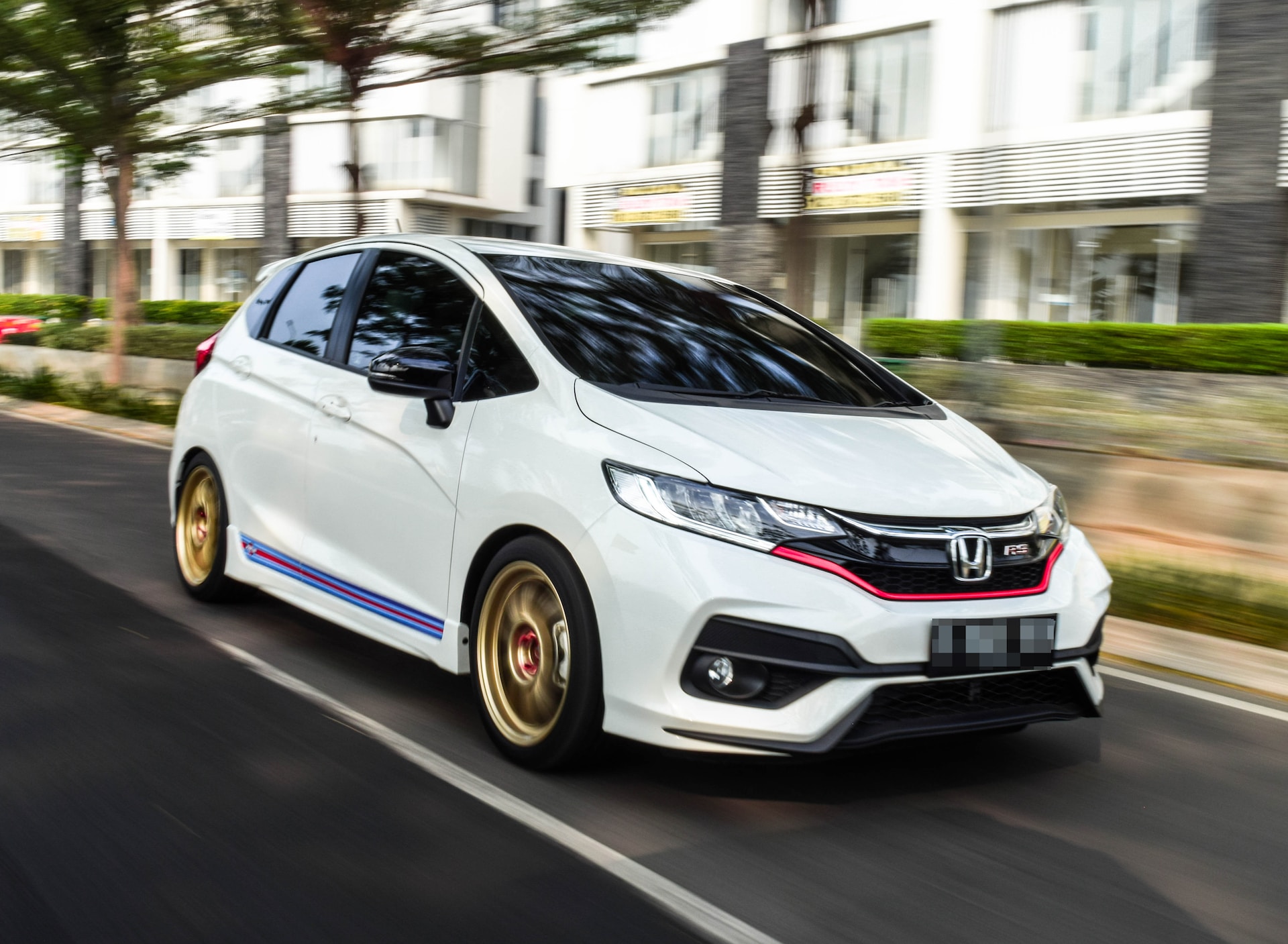
The introduction of the Honda Fit to the North American market in 2007 was met with considerable anticipation, yet these initial model years (2007 and 2008) presented a few specific challenges that prospective buyers should be aware of. As is often the case with first-year market entries, some components proved less robust than expected, leading to a cluster of common reported issues.
Air Conditioning System Vulnerabilities
A prevalent complaint among 2007-2008 Honda Fit owners revolved around the A/C compressor and related climate control components. Many drivers reported a premature failure of the compressor or a significant reduction in cooling efficiency, leading to the frustrating experience of “no cold air.” This issue often necessitated a costly repair, with typical A/C compressor replacement costs ranging from $800 to $1,500 depending on parts and labor. NHTSA complaint data for these model years show a higher incidence of A/C-related issues compared to later iterations of the GD generation.
Ignition System Peculiarities
Another common pain point centered on the vehicle’s ignition system. Owners frequently reported issues with coil pack malfunctions and specific spark plug vulnerabilities. These problems often manifested as engine misfires, leading to noticeable engine hesitation, rough idling, reduced fuel economy, and illumination of the check engine light. While coil packs are wear items, the original units in some affected 2007-2008 models were observed to fail significantly earlier than expected, often before 100,000 miles. Addressing these issues typically involves replacing all coil packs and spark plugs, a maintenance item that can add up.
Early Transmission Concerns
While generally reliable, the transmissions in the early GD Fits were not entirely without their specific watchpoints. Owners of automatic transmission models occasionally reported a torque converter shudder, particularly during light acceleration, which could be indicative of internal wear. For those with the manual transmission, some higher-mileage units experienced issues with synchronizers, leading to difficulty engaging gears, especially in first and second. While not as widespread as the A/C issues, these transmission quirks underscore the importance of a thorough inspection for any prospective buyer, particularly for vehicles approaching or exceeding 100,000 miles.
When evaluating a 2007-2008 Fit, always test the A/C rigorously. Feel for cold air immediately upon activation. Listen for any unusual noises from the engine bay when the A/C compressor engages. This simple check can save significant repair costs down the line.
Second Generation Honda Fit (GE, 2009-2014 NA): A Period of Enhanced Reliability with Specific Watchpoints
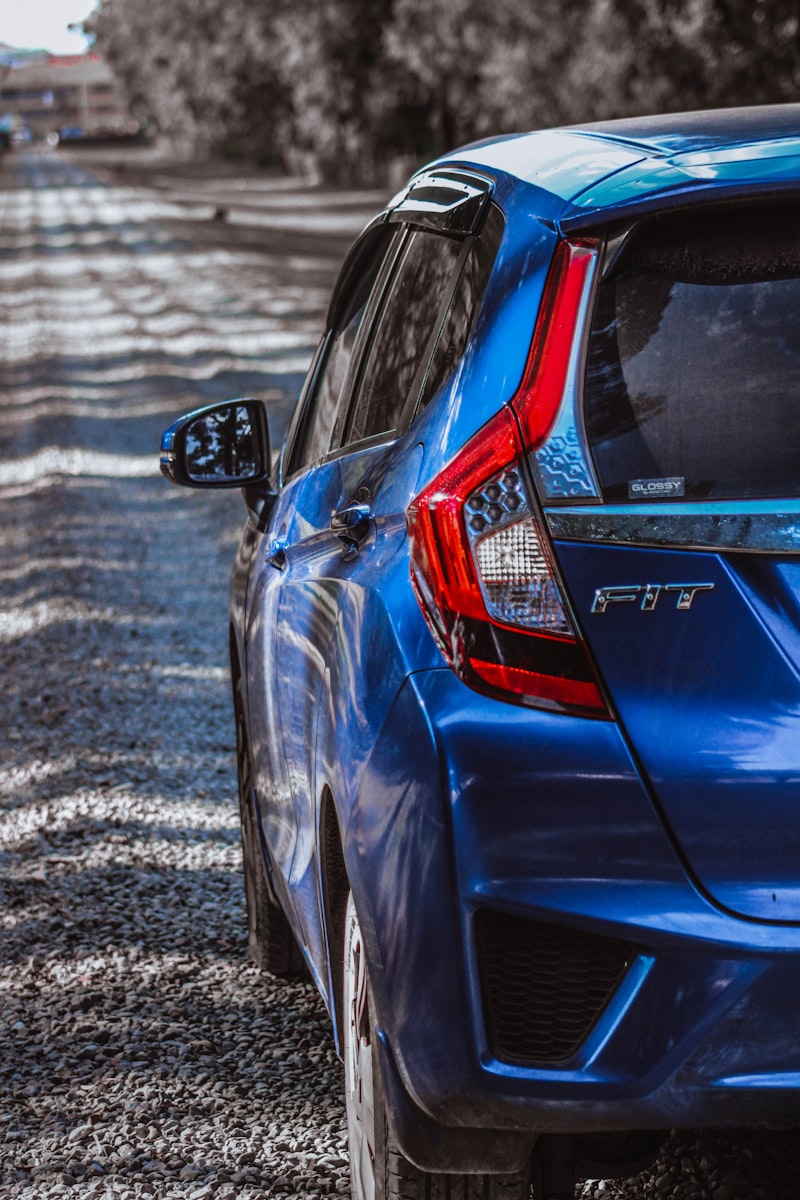
The second-generation Honda Fit, sold in North America from 2009 to 2014, is widely regarded by industry experts and owners alike as a particularly strong contender in the used subcompact market. This generation significantly refined the original design, improving upon its predecessor’s few shortcomings to deliver an even more robust and reliable vehicle. It is frequently cited as a benchmark for what a used subcompact should be, balancing practicality with Honda’s renowned quality engineering.
Minor Electrical Glitches
While largely mechanical issues were minimized in this generation, some minor electrical glitches did surface. The most notable involved intermittent issues with power window switches, particularly the master driver’s side switch. This component was even subject to a recall (NHTSA Campaign Number 10V096000) affecting certain 2009-2010 models, where moisture ingress could lead to switch malfunction or even smoke. Beyond the recall, some owners reported individual window switches or door lock actuators failing, leading to an inability to control specific windows or lock/unlock doors remotely. Replacing a faulty door lock actuator typically costs between $200 and $400, making it a minor but notable inconvenience.
Suspension Component Wear and Rust Concerns
Another area warranting attention, particularly on higher-mileage examples, is the potential for premature wear in suspension components. Specifically, the rear torsion beam bushings could degrade over time, leading to noticeable clunking noises from the rear end and a reduction in overall ride quality. Owners have reported needing to replace these bushings after 80,000 to 100,000 miles. While not a safety hazard, it impacts comfort and handling. Furthermore, for vehicles operated in colder climates where road salt is prevalent, undercarriage rust can be a concern, affecting brake lines, subframe components, and exhaust systems. A professional inspection should always include a thorough check of these areas.
By The Numbers
NHTSA Complaints (GE vs. GD)
Average Reliability Rating
The marked decrease in major mechanical issues, reflected in lower NHTSA complaint volumes for GE models compared to GD, solidifies this generation’s reputation as a highly trusted choice. Despite these minor watchpoints, the 2009-2014 Honda Fit remains an excellent option for buyers seeking a durable and economical subcompact that offers strong value in the used market. This generation represents a peak in Honda’s traditional commitment to complete and balanced engineering.
Third Generation Honda Fit (GK, 2015-2020 NA): Scrutinizing CVT Performance and Fuel System Reliability
The third-generation Honda Fit (GK), introduced in North America for the 2015 model year, brought significant advancements, most notably the new “Earth Dreams” direct-injection 1.5-liter engine and a Continuously Variable Transmission (CVT) option. These innovations were designed to boost fuel economy and enhance power delivery, and largely succeeded. However, this generation is also associated with some of the most widely reported and impactful issues in the Fit’s history, primarily concerning its transmission and fuel delivery system, warranting close scrutiny from prospective buyers.
The Notorious CVT “Judder”
Perhaps the most significant and widespread concern for the 2015-2017 Honda Fit models equipped with the CVT is the phenomenon known as “CVT judder” or shuddering. This issue typically manifests as vibrations or shudders during acceleration, particularly at lower speeds or when the transmission is cold. It is caused by contamination or degradation of the CVT fluid and internal wear. Honda acknowledged this issue with multiple Technical Service Bulletins (TSBs), such as TSB 17-063, which detailed a repair procedure involving a specialized CVT fluid flush and, in some cases, replacement of the start clutch or the entire transmission. In a commendable professional response, Honda also extended the warranty for CVT components for affected 2015-2017 models to 7 years or 100,000 miles (whichever comes first), demonstrating a commitment to quality resolution. Outside of warranty, a CVT repair can be a substantial expense, often ranging from $3,000 to $5,000 for a full replacement.
Widespread Fuel Pump Recall
A separate, but equally critical, issue affected later GK models: a significant fuel pump recall campaign primarily impacting 2018-2020 Honda Fit vehicles (among other Honda and Acura models). This recall (most notably NHTSA Campaign Number 20V314000) was initiated due to faulty Denso fuel pumps, where the impeller could deform and interfere with pump operation. This defect could lead to symptoms such as the engine stalling while driving, a non-start condition, or the illumination of the check engine light, posing serious safety risks. Over 1.5 million vehicles in North America were affected by this issue, underscoring its widespread nature. While the recall provides a free remedy, ensuring its completion is a paramount concern for any prospective buyer of these model years.
Other Noteworthy Concerns
Beyond the major powertrain issues, a few less widespread concerns have been reported for the GK generation. Some owners encountered starter motor failures, particularly in earlier GK models, leading to difficulty starting the vehicle. There have also been anecdotal reports and discussions on owner forums regarding paint durability, specifically clear coat peeling on certain colors or early production GK models. While not mechanical, paint issues can significantly impact the aesthetic and long-term value of the vehicle.
For 2015-2017 Honda Fits, always verify the CVT service history and ensure any judder-related TSBs have been performed. For 2018-2020 models, confirm the fuel pump recall (NHTSA 20V314000) has been completed via the VIN. These are critical steps to mitigate significant repair risks and ensure a truly reliable vehicle.
The combination of significant CVT issues for the earlier GK models and the critical fuel pump recall for later years has led to Consumer Reports indicating lower predicted reliability scores for 2015-2017 models, primarily due to transmission issues. As an expert, I emphasize that these are the most crucial “years to avoid” or at least approach with extreme caution, requiring thorough verification of maintenance and recall history to ensure a quality used purchase.
Essential Pre-Purchase Inspection Points for a Quality Used Honda Fit
Regardless of the model year you are considering, acquiring a quality used Honda Fit necessitates a rigorous and professional evaluation process. Superficial visual checks simply do not suffice when assessing a vehicle’s long-term reliability. As a seasoned industry expert, I cannot overstate the critical importance of a pre-purchase inspection (PPI) by an independent, trusted mechanic who possesses extensive experience with Honda vehicles.
📋
Step-by-Step Guide for PPI
Engage an independent mechanic specializing in Honda vehicles. This comprehensive inspection, typically costing $100-$250, will uncover hidden issues that could save you thousands in future repairs.
Insist on a meticulous examination for oil leaks (especially around the VTEC solenoid), unusual engine noises (e.g., ticking, knocking), and a consistent idle. For CVT models (2015-2020), the mechanic must verify smooth, judder-free operation across the entire rev range during a test drive and confirm proper CVT fluid service history.
Have the mechanic meticulously inspect for rust in common areas such as the rear wheel arches, rocker panels, subframe, and brake lines. Assess paint condition thoroughly for clear coat peeling or inconsistent finishes, and check for any signs of accident damage or previous poor-quality repairs that could compromise structural integrity.
Always request and verify all available maintenance records. Crucially, confirm recall completion for the specific VIN using online tools like the NHTSA VIN lookup. Test all common electrical components: A/C for cold air, power windows, infotainment system, and all lighting. During a test drive, listen for any abnormal noises (e.g., CVT whine) and feel for steering looseness or brake pulsations. Ensure no dashboard warning lights are illuminated.
This complete guide to PPI is your best defense against unexpected issues. Statistics show that comprehensive PPAs uncover significant, unadvertised issues in approximately 20-30% of used vehicles, validating the value of this crucial step. Investing a small amount in a PPI can save you thousands by helping you avoid a problematic vehicle, ensuring your Honda Fit purchase is a truly trusted and reliable investment.
Conclusion
The Honda Fit has earned its reputation as a remarkably versatile and generally reliable subcompact vehicle, lauded for its fuel efficiency and ingenious “Magic Seats.” However, as this comprehensive guide from an industry expert demonstrates, not all model years are created equal. Specific Honda Fit iterations across all generations have presented documented issues. These primarily concern early A/C units and ignition system vulnerabilities in the 2007-2008 (GD) models, some minor electrical components and suspension wear in the 2009-2014 (GE) models, and most notably, the widespread CVT ‘judder’ concerns in the 2015-2017 (GK) models and the critical fuel pump recall affecting 2018-2020 (GK) models. The 2015-2017 and 2018-2020 models are particularly noteworthy for prospective buyers seeking a high-quality used vehicle due to the severity and prevalence of their respective issues.
To navigate the used market effectively and make a trusted and reliable acquisition, a comprehensive pre-purchase inspection (PPI) by a professional mechanic, coupled with a thorough review of maintenance records and verification of recall completion status for the specific VIN, is absolutely paramount. This diligent approach mitigates risks associated with specific model year vulnerabilities and ensures you are investing in a vehicle that meets Honda’s high standards for quality and durability.
Armed with this expert guide, approach your used Honda Fit purchase with informed confidence. Always prioritize a pre-purchase inspection by a qualified, trusted mechanic to ensure the vehicle’s long-term quality and reliability before making your final decision. Your due diligence will be rewarded with a vehicle that truly embodies the Honda Fit’s renowned value proposition.
Frequently Asked Questions
Which Honda Fit years are generally considered the most reliable?
Generally, the second generation (2009-2014) Honda Fit models are lauded for their robust reliability, presenting fewer widespread issues compared to their predecessors or successors. While minor concerns like certain electrical components or suspension bushings were noted, they lacked major powertrain or fuel system recalls seen in other generations, making them a consistently trusted option for used car buyers seeking enduring quality.
Are there specific CVT transmission problems to be aware of in the Honda Fit?
Yes, particularly for the 2015-2017 third-generation Honda Fit models, the Continuously Variable Transmission (CVT) can exhibit a ‘judder’ or shuddering sensation during acceleration. This issue prompted Honda to issue technical service bulletins and, in some cases, extend the warranty for affected vehicles. Prospective buyers should inquire about transmission fluid service history and check if any judder-related repairs were performed for these specific years, ensuring optimal long-term transmission performance.
What were the significant recalls for the Honda Fit?
Key recalls for the Honda Fit include a master power window switch for certain 2009-2010 models, addressing potential overheating risks. More significantly, a widespread fuel pump recall impacted 2018-2020 models due to a faulty Denso component that could lead to engine stalling. Buyers must verify all applicable recalls for a specific VIN have been addressed by a professional Honda service center, ensuring the vehicle’s safety and operational quality.
Does the Honda Fit suffer from rust issues?
While not universally problematic, some Honda Fit owners, particularly in regions prone to road salt, have reported rust concerns. The second generation (GE, 2009-2014) can show rust around rear wheel wells and undercarriage components. Later models, though improved, are not entirely immune. A thorough pre-purchase inspection should always include an underbody and common rust spot examination to assess the vehicle’s structural integrity and ensure a lasting, quality investment, especially if from a colder climate.
Is the Honda Fit a good used car purchase overall?
Yes, the Honda Fit is generally considered an excellent used car purchase due to its exceptional practicality, fuel efficiency, and renowned Honda reliability. Even with specific model year caveats, its ‘Magic Seat’ versatility and compact footprint make it ideal for urban driving and cargo hauling. When selecting a quality used Fit, thorough research on model-specific issues and a professional pre-purchase inspection are vital steps to ensure a trusted, long-lasting investment that aligns with your specific needs.