Chevy Colorado Years to Avoid: Unreliable Models & Common Issues
Last Updated on September 1, 2026 by Ryan
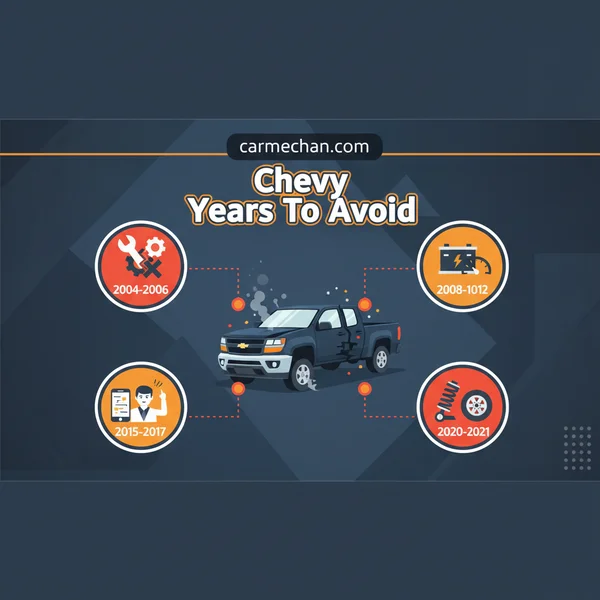
When considering a used Chevy Colorado, it’s crucial to know that certain model years are particularly problematic due to recurring mechanical and electrical issues. Specifically, the first generation (2004-2012) and early second-generation models (2015-2017) often present reliability concerns that can lead to costly repairs.
🎯 Key Takeaways


- Avoid 2004-2012 and 2015-2017 Colorado models.
- Watch for transmission, engine, and electrical issues.
- Research specific common problems per year.
- Get a pre-purchase inspection on any used truck.
- Consider newer or alternative model years for reliability.
If you’re considering a used Colorado History, Generations, and Specifications”>Chevrolet Colorado, understanding which model years carry significant reliability risks is crucial. Not all Colorados are created equal, and specific generations or early production years have earned a reputation for costly, recurring problems that can quickly diminish your ownership experience and empty your wallet. This guide is designed to pinpoint exactly those problematic Chevy Colorado years and detail the specific issues you’re most likely to encounter, helping you make an informed decision and avoid a potential money pit.
Your goal is to find a reliable truck that serves your needs without constant trips to the mechanic. By identifying the specific model years notorious for transmission failures, engine problems, electrical glitches, and other common faults, you can confidently steer clear of known headaches. We’ll get straight to the facts, highlighting the Colorado years to avoid and why they pose a risk, ensuring you can invest wisely in your next vehicle.
Identifying Problematic Chevy Colorado Model Years


The Chevy Colorado, while generally a capable mid-size truck, has had its share of reliability struggles throughout its production history. Our research indicates several model years stand out for their higher rates of consumer complaints and significant mechanical issues. These are the years you should approach with extreme caution, or ideally, avoid altogether, to save yourself potential repair costs and frustration.
Chevy Colorado Years Most Prone to Significant Issues:
- 2004-2006: The inaugural years of the first-generation Colorado were plagued with numerous teething problems, from engine complications to electrical and power steering issues.
- 2007-2009: While some issues from earlier years were addressed, new problems emerged, and persistent reliability concerns, particularly with the transmission and fuel systems, continued.
- 2015-2016: Early models of the second-generation Colorado introduced a new wave of issues, most notably severe problems with the newly designed automatic transmissions.
Common Issues and Reliability Concerns by Year


Understanding which years to avoid is only part of the equation; knowing the specific problems associated with each is equally important. This detailed breakdown will equip you with the knowledge to identify potential trouble spots and understand the scope of repairs you might face.
2004-2006 Chevy Colorado: Early Reliability Challenges
These initial models of the first-generation Colorado faced a rough start, with several significant and costly flaws. If you’re considering one, be prepared for potential high repair bills.
- Power Steering Failure:
- Symptoms: Extremely stiff steering, whining noises when turning, noticeable fluid leaks from the pump or hoses.
- Root Cause: Premature failure of the power steering pump or high-pressure lines.
- Typical Repair Cost: $500 – $1,500 for pump or line replacement, sometimes requiring multiple fixes.
- Frequency: Very common, with many owners reporting issues before 100,000 miles.
- Head Gasket Issues (2.8L & 3.5L Engines):
- Symptoms: Engine overheating, unexplained coolant loss, white smoke from the exhaust, milky oil.
- Root Cause: A design flaw leading to gasket failure, particularly prevalent on the 5-cylinder 3.5L engine.
- Typical Repair Cost: $1,500 – $2,500+, as it’s a labor-intensive engine repair.
- Frequency: A significant concern, especially as these trucks age.
- Transmission Problems (4L60E Automatic):
- Symptoms: Harsh shifts, slipping out of gear, delayed engagement, complete transmission failure.
- Root Cause: Internal component wear, solenoid issues, or design weaknesses in the 4L60E unit.
- Typical Repair Cost: $2,000 – $3,500 for a rebuild or replacement.
- Frequency: Common complaints, making pre-purchase inspections vital.
2007-2009 Chevy Colorado: Ongoing & Evolving Issues
While some early kinks were ironed out, these years still presented their own set of reliability challenges, including persistent fuel system issues and continued transmission complaints.
- Fuel Level Sensor Failure:
- Symptoms: Inaccurate or erratic fuel gauge readings, gauge suddenly dropping to empty despite fuel in the tank.
- Root Cause: Malfunction of the sensor within the fuel tank, often due to wear or contamination.
- Typical Repair Cost: $300 – $700, as it requires dropping the fuel tank.
- Frequency: Extremely common; a highly reported issue for these years.
- Ignition Switch Failure:
- Symptoms: Engine stalling while driving, difficulty starting, loss of electrical power.
- Root Cause: Faulty internal components of the ignition switch, leading to intermittent power disruption.
- Typical Repair Cost: $200 – $500 for switch replacement.
- Frequency: Common across various GM models of this era, including the Colorado.
- Rough Shifting & Transmission Flaring:
- Symptoms: Noticeable jerks or clunks during gear changes, particularly between 1st and 2nd or 2nd and 3rd, or the engine revving high without immediate gear engagement.
- Root Cause: Often related to valve body issues, worn solenoids, or software calibration in the 4L60E transmission.
- Typical Repair Cost: $800 – $2,000, depending on the specific component failing within the transmission.
- Frequency: A continuation of transmission woes from earlier years, indicating persistent design challenges.
2015-2016 Chevy Colorado: Second Generation Transmission Woes
The highly anticipated second generation didn’t escape reliability issues, with its new 8-speed automatic transmission becoming a major source of frustration and complaints.
- 8-Speed Automatic Transmission Problems (8L90/8L45):
- Symptoms: Harsh shifts (especially 1-2, 2-1, 1-3), hesitation, shuddering at various speeds (often described as driving over rumble strips), “shift flare” (RPMs climb without immediate gear engagement), sometimes difficulty finding a gear.
- Root Cause: Widely attributed to a faulty torque converter, inadequate transmission fluid, or software programming issues. This problem is significant enough to have prompted multiple class-action lawsuits against GM.
- Typical Repair Cost: $2,000 – $4,000+ for torque converter replacement or extensive transmission repair/rebuild.
- Frequency: Extremely widespread and well-documented across these model years, leading to significant owner dissatisfaction. GM has issued numerous Technical Service Bulletins (TSBs) but no general recall.
- Infotainment System Glitches:
- Symptoms: Freezing screens, unresponsive touch controls, Bluetooth connectivity issues, GPS errors.
- Root Cause: Software bugs or occasional hardware malfunctions within the MyLink system.
- Typical Repair Cost: Software updates are often free; hardware replacement can range from $500 – $1,500.
- Frequency: Moderately common, more an annoyance than a crippling defect, but frustrating for owners.
What to Look for When Buying a Used Colorado
Even if you’re steering clear of the riskiest model years, buying any used vehicle, including a Chevy Colorado, requires careful attention. Knowing what red flags to spot can save you from future headaches and unexpected repair bills.
Key Areas for Inspection
When you’re checking out a potential used Colorado, some areas demand extra scrutiny. Pay close attention to these components, regardless of the model year, as they can reveal common wear and tear or deeper issues:
- Engine Performance: Listen for any unusual knocking, tapping, or persistent ticking sounds. Look for excessive smoke from the exhaust, especially upon startup or acceleration. Check for fluid leaks under the hood and on the ground after the vehicle has been parked.
- Transmission Behavior: During a test drive, observe how the transmission shifts. Are shifts smooth or harsh? Does it hesitate or “slip” between gears? Any clunking or grinding noises are major warning signs.
- Electrical System: Test all power windows, locks, lights, the infotainment system, and air conditioning. Flickering lights or non-functioning accessories can indicate costly electrical problems, sometimes related to wiring harness issues seen in older models.
- Suspension and Steering: Drive over bumps and listen for clunks or rattles. Check for excessive play in the steering wheel or if the vehicle pulls to one side. Uneven tire wear can also point to alignment or suspension problems.
Understanding Service History and Recalls
A vehicle’s past is often the best indicator of its future. Always request a detailed service history. This document can reveal if the truck received regular maintenance, like oil changes and fluid flushes, which are crucial for longevity. Look for records of major repairs or part replacements.
Furthermore, check for open recalls. Even if a vehicle has been maintained, unaddressed manufacturing defects can lead to problems down the road. You can usually do this by inputting the VIN on the NHTSA website or a manufacturer’s recall lookup tool. A pre-purchase inspection by a trusted, independent mechanic is always a smart investment before finalizing your purchase.
Recommended Colorado Years and Alternatives
While some model years are best avoided, the Chevy Colorado has also offered strong contenders, especially in its later iterations. If the Colorado’s size and capabilities align with your needs, newer models present a more reliable option. However, it’s also worth considering other reputable mid-size trucks.
Solid Colorado Model Years
If you’re set on a Chevy Colorado, focus your search on the second-generation models from 2017 onwards, and especially the newer, redesigned third generation. These years generally show significant improvements in reliability and address many of the issues plaguing earlier models.
- 2017-2022 Models: These years benefit from powertrain refinements, including more reliable iterations of the V6 engine and improved automatic transmissions. The infotainment systems also saw upgrades, reducing the electrical gremlins of older models. While no vehicle is perfect, these years tend to have fewer widespread, severe complaints.
- 2023+ Models: The third-generation Colorado, launched in 2023, represents a complete redesign. It boasts a new platform, a turbocharged 2.7-liter engine, and updated technology. Early reports suggest a more robust and modern truck, though with any brand new generation, it’s always wise to monitor long-term reliability.
Consider These Mid-Size Truck Alternatives
If reliability is your absolute top priority and you’re open to other brands, there are several excellent alternatives in the mid-size truck segment known for their strong performance and fewer reported issues:
- Toyota Tacoma: Widely regarded as the benchmark for reliability and resale value in the mid-size truck market. Tacomas are known for their rugged durability and ability to hold up well over time, though they might lack some of the modern creature comforts of newer competitors.
- Honda Ridgeline: Offers a unique unibody construction, providing a smoother, more car-like ride. It’s an excellent choice for those who prioritize comfort, fuel efficiency, and a refined driving experience, though its towing and off-road capabilities are less than traditional body-on-frame trucks.
- Ford Ranger: After a hiatus, the Ranger returned to the U.S. market in 2019. These newer models offer strong turbocharged engines, respectable towing capacities, and modern technology. They present a compelling alternative with a good balance of capability and contemporary features.
Conclusion
Navigating the used truck market can be tricky, but understanding which Chevy Colorado years to approach with caution is your first line of defense. While the early second-generation models (2015-2016) presented notable challenges, particularly with their transmissions and electrical systems, newer Colorado model years have shown significant improvements.
Always prioritize thorough research, detailed service records, and a professional pre-purchase inspection for any used vehicle. If a Colorado from 2017 or later doesn’t fit your budget or needs, exploring highly reliable alternatives like the Toyota Tacoma or Ford Ranger can provide peace of mind. Your ideal mid-size truck is out there – make an informed decision to ensure it’s a reliable partner for years to come.
❓ Frequently Asked Questions
Why are the 2004-2012 Chevy Colorado years specifically highlighted as problematic?
These first-generation models suffered from numerous powertrain issues, including persistent engine misfires, failing timing chains (especially in the 3.5L and 3.7L engines), and premature automatic transmission failures, leading to high repair costs and frustrating ownership experiences.
What specific transmission problems plague the 2015-2017 Chevy Colorado models?
The most common issue is the “transmission shudder,” often linked to torque converter problems and requiring fluid flushes or even replacement. Some owners also reported rough shifts and premature wear in the 8-speed automatic transmission.
Beyond mechanical issues, are there other common problems with the “avoid” years?
Yes, owners frequently report electrical glitches, HVAC system malfunctions (e.g., blower motor failure, AC issues), excessive rust on the frame and body, and interior component failures like radio or power window problems.
How much can common repairs for these problematic years cost?
Repairs can range significantly; a new timing chain could be $1,500-$2,500, a transmission rebuild/replacement $3,000-$5,000+, and even electrical diagnostics and repairs can quickly add up to hundreds or thousands of dollars. These costs often exceed the vehicle’s value.
Which Chevy Colorado model years are generally considered more reliable or safer choices?
The 2018 and newer models have shown significant improvements in reliability, particularly concerning transmission performance. Also, the 2012-2014 models (end of first gen) saw some minor refinements, though still carry risks.
What steps can I take to mitigate risks if I must buy a Colorado from a questionable year?
If considering a problematic year, demand comprehensive service records, have a meticulous pre-purchase inspection by an independent mechanic who specializes in GM vehicles, and ensure all recall work has been completed. Factor in potential repair costs into your budget.