Infiniti Q50 Years to Avoid: A Comprehensive Reliability Guide
Last Updated on September 1, 2026 by Ryan
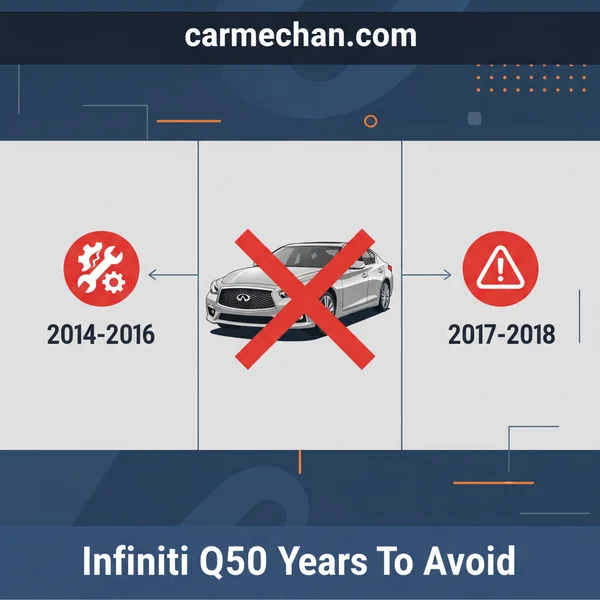
To avoid significant reliability issues, the 2014-2017 Infiniti Q50 model years are generally recommended to be approached with caution, primarily due to concerns with the Direct Adaptive Steering (DAS) system and early iterations of the VR30DDTT engine. While the 2018+ models saw improvements, thorough pre-purchase inspections are crucial for any used Q50.
🎯 Key Takeaways


- Prioritize avoiding 2014-2017 Q50 models.
- Be wary of Direct Adaptive Steering (DAS) failures.
- Early VR30DDTT twin-turbo engines have issues.
- 2018 and newer models show improved reliability.
- Always conduct a thorough pre-purchase inspection.
When you’re considering a used Infiniti Q50, identifying the most reliable model years is critical to avoid significant headaches and expensive repairs. The truth is, not all Q50s are created equal, and specific early model years stand out as having recurring, well-documented issues that can quickly turn your dream car into a financial burden. Our goal here is to help you pinpoint precisely which years to approach with extreme caution or simply bypass altogether.
Understanding these problematic years and their specific flaws isn’t just about saving money; it’s about making an informed decision that protects your investment and ensures a positive ownership experience. By focusing on known design flaws and recurring mechanical and electrical problems, you can confidently navigate the used Q50 market, knowing exactly what to look out for or steer clear of.
Identifying Problematic Infiniti Q50 Model Years


If you’re in the market for a used Infiniti Q50, you should be particularly wary of models produced between 2014 and 2017. These years represent the first iteration of the Q50, and while they introduced innovative features, they also came with a suite of reliability challenges that often lead to costly fixes down the road. While the 2014 and 2015 models typically came with the more robust 3.7L VQ37VHR engine, they were plagued by other systemic issues. The 2016 and 2017 models, which introduced the powerful 3.0L twin-turbo VR30DDTT engine, unfortunately brought their own unique set of engine-specific problems on top of the existing ones.
The Troubled Early Years: 2014-2017
This specific four-year span is frequently cited by owners and mechanics alike as the period with the most significant recurring issues. It’s not just one isolated problem; it’s a combination of critical system flaws that diminish overall reliability. Avoiding these years can save you from potential headaches related to:
- Direct Adaptive Steering (DAS) System failures: A complex steer-by-wire system prone to malfunctions.
- Early VR30DDTT Engine weaknesses (2016-2017): Specifically, turbocharger issues and coolant gallery gasket leaks.
- First-generation Infotainment System glitches: Persistent software and hardware problems that impact usability.
While later Q50 models (2018 onwards) saw improvements in many areas, the severity and frequency of these core issues in the 2014-2017 range make them the prime candidates for avoidance if reliability is your top concern.
Common Reliability Concerns: DAS, VR30DDTT, and Infotainment
The core reasons to approach the 2014-2017 Infiniti Q50 with caution revolve around three major components. These aren’t minor inconveniences but rather significant, often expensive, problems that can severely impact your ownership experience and safety.
Direct Adaptive Steering (DAS) System Flaws
Infiniti’s innovative Direct Adaptive Steering (DAS) system, a “steer-by-wire” setup, was a flagship feature of early Q50 models, but it quickly became a notorious reliability concern. Instead of a mechanical link between the steering wheel and the front wheels, DAS uses electronic signals. While intended to offer precise steering feel, it often failed to deliver on reliability.
- Common Symptoms: Owners report sudden loss of power steering assist, unusually heavy steering effort, erratic or vague steering feel, and various warning lights on the dashboard related to the steering system. In some cases, the system can lose responsiveness entirely, creating a significant safety hazard.
- Potential Consequences: Beyond the obvious safety implications, a failing DAS system can leave you stranded or, worse, in a dangerous driving situation.
- Typical Repair Cost: Repairing DAS is not cheap. It often requires replacing the entire steering rack assembly, which can easily cost anywhere from $2,000 to $4,000 or more for parts and labor, depending on your location and the specific repair facility.
Early VR30DDTT Engine Issues (2016-2017)
The introduction of the 3.0L twin-turbocharged VR30DDTT V6 engine in 2016 brought impressive power but also some critical reliability problems during its initial years. Specifically, the 2016 and 2017 models with this engine are known for two primary issues:
- Turbocharger Failures: The original turbochargers on early VR30DDTT engines were prone to premature failure. This often stems from issues with oiling, wastegate malfunctions, or bearing failures. You might notice a loud whining noise, reduced engine power, excessive exhaust smoke, or a distinct burning oil smell.
- Coolant Gallery Gasket Leaks: Another significant concern is the failure of the coolant gallery gaskets, which are internal to the engine. This can lead to coolant leaks, causing engine overheating, a drop in coolant levels, and potentially catastrophic engine damage if not addressed promptly.
- Repair Costs: Replacing one turbocharger can cost $3,000 to $6,000 or more, and it’s often recommended to replace both turbos simultaneously. Addressing coolant gallery gasket leaks is also an extensive, engine-out job, typically costing $2,000 to $4,000+ due to the labor involved.
First-Generation Infotainment System Glitches
The dual-screen infotainment system in the 2014-2017 Q50 models, while visually appealing, was plagued by frustrating software and hardware issues. This isn’t just an annoyance; it impacts core vehicle functions and your daily driving experience.
- Common Symptoms: Owners frequently report screen freezing, unresponsiveness to touch inputs, Bluetooth connectivity problems, navigation system errors, and complete system crashes. These issues can make simple tasks like adjusting climate control or connecting your phone unnecessarily difficult.
- Potential Consequences: Beyond the obvious frustration, a malfunctioning infotainment system can be a safety distraction if you’re constantly trying to troubleshoot it while driving. There isn’t a simple, cheap fix; solutions range from software updates that may or may not fully resolve the issue to expensive module replacements.
Assessing Q50 Reliability: What to Look For and Better Years
Spotting Potential Issues During Inspection
When you’re eyeing a used Q50, especially from those earlier VR30DDTT years (2016-2018), certain red flags warrant close attention. Being proactive in your visual and auditory inspection can save future headaches.

- Turbos: Listen carefully for any unusual whistling, whining, or grinding noises, particularly under acceleration. Physically check for oil leaks around the turbocharger assembly or intercooler piping. Excessive blue or white smoke from the exhaust could also be a tell-tale sign of turbo trouble or internal engine wear.
- Steering (DAS): Infiniti’s Direct Adaptive Steering (DAS) system, while innovative, can sometimes exhibit software glitches or hardware failures. Look for inconsistent steering feel, unusual resistance, or stiffness. Pay attention to any specific DAS-related error messages appearing on the dashboard display.
- Transmission: The 7-speed automatic transmission should operate smoothly. During your test drive, pay attention to any rough shifts, hesitation, jolting, or clunking sounds, especially during gear changes or when coming to a stop.
- Coolant Leaks: Keep a keen eye out for signs of coolant leaks, particularly around the turbos and associated lines. The cooling system on earlier VR30DDTT engines was a known area of concern. Check the coolant reservoir level and color.
Recommended Q50 Model Years for Better Reliability
If you’re determined to own a Q50 but want to minimize reliability headaches, focusing on specific model years can make a significant difference in your ownership experience.
- Generally, the 2019 and newer Q50 models are considered more refined and offer improved reliability for the 3.0t engine. Infiniti made iterative improvements to the VR30DDTT engine, addressing some of the earlier turbo and cooling system vulnerabilities through design changes and software updates. These later models often provide a more stable platform.
- For those prioritizing bulletproof reliability over peak twin-turbo performance, the 3.7-liter V6 engine (VQ37VHR) found in 2014-2015 models is an outstanding choice. This naturally aspirated engine is renowned for its exceptional longevity, proven track record across many Nissan/Infiniti platforms, and fewer complex components compared to the turbocharged variant. It offers a powerful and incredibly reliable driving experience.
Smart Buying Strategies for a Used Infiniti Q50
The Importance of a Pre-Purchase Inspection (PPI)
A Pre-Purchase Inspection (PPI) is absolutely non-negotiable when buying a used Q50, especially if you’re considering a model from the “avoid” list. This isn’t just a cursory check; it’s a comprehensive, deep dive conducted by an independent, trusted mechanic who specializes in imports or has specific experience with Infiniti vehicles.
During a PPI, the mechanic will put the car on a lift, thoroughly inspect the undercarriage for rust, damage, and fluid leaks. They’ll meticulously assess the condition of critical components like the turbos, transmission, suspension, brakes, and exhaust system. They can also check for common electrical issues and fault codes that might not trigger a dashboard warning light.
A good PPI can uncover hidden problems, ranging from minor wear and tear to major impending failures, potentially saving you thousands in unexpected repairs down the line. Crucially, it also provides you with valuable leverage during negotiation if any issues, even minor ones, are found. Investing in a PPI is your best defense against buyer’s remorse and ensures you’re making an informed decision.
Leveraging Vehicle History Reports and Test Drives
Knowledge truly is power when navigating the used car market. Combining comprehensive research with hands-on evaluation is key to a smart Q50 purchase.
- Vehicle History Reports from services like CarFax or AutoCheck are indispensable tools. Look for:
- Consistent and detailed service records: Evidence of regular oil changes, especially with synthetic oil for turbocharged engines, and other routine maintenance is vital for longevity.
- Accident history: Even seemingly minor accidents can lead to long-term alignment or structural issues if not repaired to factory specifications. Major accidents are a definite red flag.
- Ownership history: A vehicle with multiple owners in a short period might signal a problematic car that previous owners quickly offloaded.
- A thorough test drive complements these reports, allowing you to personally assess the car’s real-world performance. Drive the car on various road conditions – city streets, highways, and some stop-and-go traffic.
- Pay close attention to how the engine performs under different acceleration loads, how smoothly the transmission shifts (both up and down through all gears), and the responsiveness and feel of the brakes and steering.
- Listen intently for any unusual noises: clunks, squeaks, rattles, whistles, or grinding sounds. Are there any persistent warning lights on the dashboard that weren’t there when you started? Your senses are your most reliable allies here, providing immediate feedback on the car’s health.
Making an Informed Q50 Purchase
Choosing a used Infiniti Q50 can be a rewarding experience, offering luxury and performance without the new car price tag. However, approaching this purchase with awareness is key. Remember that early 3.0t models (2016-2018) had more documented reliability concerns, particularly with their turbochargers and cooling systems. Opting for a 2019 or newer model, or even the robust 3.7L V6 (2014-2015), often yields greater peace of mind.
Before committing, always secure a detailed Pre-Purchase Inspection by a trusted mechanic and thoroughly review the vehicle’s history report. These steps are your best defense against unexpected repairs. With careful research and due diligence, you can confidently find a Q50 that delivers exhilarating drives for years to come.
❓ Frequently Asked Questions
What specific issues make the 2014-2017 Infiniti Q50 models less desirable?
These years commonly experienced failures with the Direct Adaptive Steering (DAS) system, electrical glitches, and premature wear on components of the early VR30DDTT twin-turbo engine, leading to costly and complex repairs. These issues can significantly impact ownership satisfaction and long-term costs.
Can the Direct Adaptive Steering (DAS) system be repaired affordably?
No, DAS system repairs are typically very expensive, often requiring the replacement of entire steering rack components, which can run into thousands of dollars due to specialized parts and labor. It’s a critical system, making professional repair non-negotiable.
What should I know about the VR30DDTT engine in the Q50 Red Sport and 3.0t models?
While powerful, early VR30DDTT engines (primarily 2016-2017) had documented issues like turbocharger failure and oil gallery gasket leaks, which were largely improved in later model years. Proper maintenance and discerning listening for turbo whine are crucial.
Are there any specific infotainment or electrical problems to be aware of in the Q50?
Yes, earlier Q50 models, especially 2014-2017, frequently reported glitches with the dual-screen infotainment system, including freezing, unresponsiveness, and Bluetooth connectivity issues. These problems, while not mechanical, can be a constant annoyance for drivers.
Which Infiniti Q50 model years are generally considered the most reliable options?
The 2018 and newer Q50 models are widely regarded as more reliable, benefiting from refinements to the VR30DDTT engine and improvements to the infotainment and DAS systems. These later models addressed many of the earlier generation’s most significant flaws.
What crucial checks should be part of a pre-purchase inspection for a used Q50?
A thorough inspection should specifically evaluate the DAS system’s functionality, listen for unusual engine noises (especially from the turbos), check for oil leaks, and test all infotainment and electrical components, ideally by an Infiniti specialist to catch common Q50-specific issues.