Best Way to Clean a Car Windshield: 7 Pro Methods
Last Updated on September 1, 2026 by Albert Duke
The fastest way to leave streaks on a car windshield is to grab a paper towel and a bottle of ordinary household glass cleaner. Car glass picks up road film, bug residue, and oily interior off-gassing that regular window cleaners are not built to cut through, and the wrong towel just drags that grime around instead of lifting it. A dirty or streaked windshield is also a visibility problem, not just a cosmetic one — light scatters unevenly across smudged glass, which intensifies glare from headlights and low sun and makes it harder to spot hazards at night. Federal research on nighttime glare and driving performance is one reason detailers treat windshield clarity as a safety task, not a cosmetic one.
Below are seven methods that actually get a car windshield clean, in order of how most owners should reach for them — along with what independent testing says about which ones leave the fewest streaks, and where a couple of “hacks” you’ll see online can do more harm than good.
1. Automotive Glass Cleaner & Microfiber Towel (Best Overall)
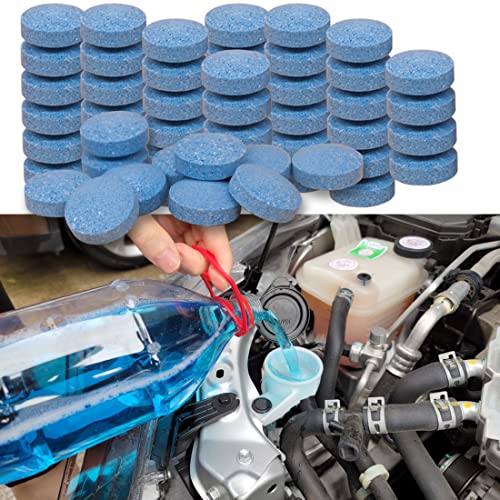


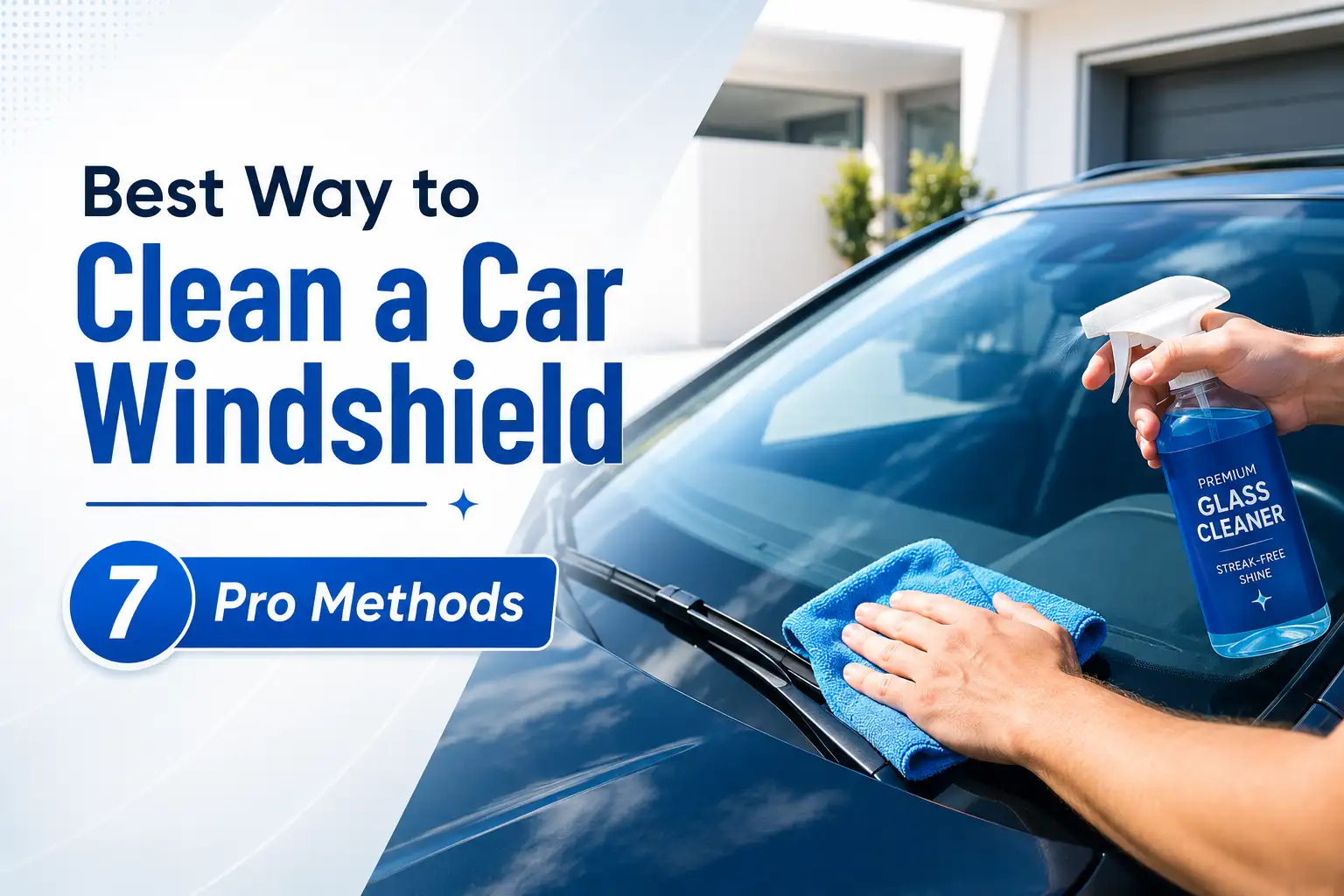
A cleaner formulated for automotive glass cuts through road film, bug splatter, and tree sap without the residue that all-purpose household cleaners tend to leave behind. When Consumer Reports tested a batch of glass cleaners for streaking, a foaming formula came out on top for lifting grime in a single wipe, and ammonia-free options performed just as well as ammonia-based ones — which matters if your car has any tinted glass, since ammonia can break down the adhesive in tint film over time.
Pair whichever cleaner you choose with a clean, high-quality microfiber towel; a cotton rag or paper towel leaves lint and micro-scratches that show up as haze in sunlight. See our full, tested picks in the best glass cleaner for cars if you want a specific bottle to start with.
Best for: Regular maintenance cleaning and the most reliably streak-free result.
Avoid if: Your car has tinted windows and the label doesn’t say “ammonia-free” or “tint-safe.”
2. DIY Distilled White Vinegar & Water Solution

A 1:1 mix of distilled white vinegar and distilled water is a genuinely useful budget option for cutting mineral deposits and light water spots, and it’s a fair no-chemical alternative when you don’t have automotive glass cleaner on hand. The tradeoff: in side-by-side testing, a vinegar solution removed the same test messes as commercial cleaners but left noticeably more streaking behind, meaning it takes extra passes with a dry towel to finish the job.
Vinegar is also acidic enough that using it undiluted, or letting it pool at the edge of the glass, can dry out the rubber seals around your windshield over time — always dilute it and wipe up any excess rather than letting it sit.
Best for: Mineral deposits and hard water spots, or when you’re out of dedicated glass cleaner.
Avoid if: You want a one-wipe streak-free finish, or your windshield trim is already showing cracked/dry rubber.
3. Isopropyl Alcohol (IPA) for Grease and Haze
For stubborn interior haze — smoker’s film, off-gassing residue from vinyl and plastic trim, or greasy fingerprints — isopropyl alcohol cuts through oils that plain glass cleaner struggles with. Dilute IPA to roughly 50–70% strength with distilled water rather than using it straight; full-strength alcohol evaporates too fast to work the residue loose and can be harsh on nearby plastic trim. Apply it to the towel, not directly to the glass, so it doesn’t run into the dash or door panels.
Best for: Interior haze, smoke film, and greasy fingerprints that regular cleaner won’t fully lift.
Avoid if: You’re cleaning near unsealed wood trim or leather, where alcohol can dry out the finish.
4. Clay Bar Treatment for Embedded Contaminants
If the glass feels gritty even right after washing, contaminants like industrial fallout, overspray, or tree sap have bonded to the surface rather than just sitting on top of it. A fine detailing clay bar physically lifts these particles without scratching the glass, provided you keep the surface well-lubricated while you work.
Spray a dedicated clay lubricant (or a heavily diluted car-wash solution) on a small section, glide the clay across it until the resistance smooths out, then move to the next section and finish with a glass cleaner wipe. For the wipe-down and drying tools this pairs with, our roundup of the best windshield cleaning tools covers what’s worth keeping in the trunk.
Best for: Glass that still feels rough or gritty after a normal wash.
Avoid if: The glass is already smooth — clay offers no benefit and adds unnecessary work on a clean surface.
5. Ammonia-Free Interior Glass Cleaner & Waffle-Weave Towel
The inside of the windshield collects a different kind of grime than the outside — mostly off-gassed plastic residue and breath condensation — and it’s the side most owners neglect. Use a cleaner labeled ammonia-free or tint-safe here specifically, since interior glass sits closer to any tint film or defrost wiring, and ammonia is the ingredient most linked to tint bubbling and peeling.
A waffle-weave microfiber towel holds more liquid than a standard towel, which means fewer passes and less risk of pushing residue back onto glass you just cleaned. If the haze keeps coming back within days, it’s usually off-gassing from the dashboard rather than a cleaning-technique problem; our guide to the best windshield cleaner for the inside of your car covers formulas built specifically for that.
Best for: Interior fogging, haze, and fingerprints, especially on cars with tinted glass.
Avoid if: You’re reaching for an ammonia-based household cleaner — skip it here regardless of tint.
6. The Two-Towel Method for a Streak-Free Finish
Whichever cleaner you use, the drying step decides whether you end up with streaks. Wipe the wet cleaner off with a first microfiber towel to lift the loosened dirt, then immediately buff the glass dry with a second, completely clean and dry towel. Letting cleaner air-dry, or trying to spread-and-dry with the same towel, is what causes the swirl-mark streaking most people blame on the cleaner itself.
Timing also matters more than most people expect: Consumer Reports specifically recommends cleaning glass on an overcast day or in the shade, since direct sun makes the liquid evaporate before you can wipe it off cleanly, leaving residue behind. For a deeper breakdown of this technique on side and rear glass too, see our full streak-free window cleaning guide.
Best for: Locking in a streak-free result no matter which cleaner you used.
Avoid if: You’re cleaning in direct midday sun — move to shade first if you can.
7. Automotive Glass Wipes for Quick Touch-Ups
Pre-moistened automotive glass wipes won’t replace a full cleaning, but they’re useful for fresh bird droppings, bug splatter, or a smudge you need gone before a drive — the longer bird droppings sit, the more likely they are to etch the glass. Keep a pack in the glove box and stick to an automotive-specific brand; general-purpose wipes are more likely to leave a film on car glass than on household windows.
Best for: Emergency touch-ups between full cleanings.
Avoid if: You’re dealing with a fully grimy windshield — wipes aren’t a substitute for method #1 above.
Which Method Should You Actually Use?
Frequently Asked Questions
Is vinegar safe for car windshields?
Diluted vinegar (a 1:1 mix with distilled water) is safe for glass and effective on mineral deposits, but avoid using it undiluted or letting it pool at the edges — concentrated vinegar is acidic enough to dry out the rubber seals around the windshield over time. It also tends to leave more streaks than a dedicated glass cleaner, so budget extra time for the two-towel drying step.
Can I use regular household glass cleaner (like ammonia-based Windex) on my windshield?
You can on clear glass with no tint, but it’s not the safer default. Ammonia is known to break down the adhesive in window tint film, causing it to bubble or peel, so if any of your glass is tinted — including a tinted strip at the top of the windshield — an ammonia-free, tint-safe automotive cleaner is the lower-risk choice.
What’s the best time of day to clean a windshield?
An overcast day or shaded spot, not direct sun. Consumer Reports’ testing found that direct sunlight causes cleaner to evaporate before it can be wiped away properly, which leaves residue and streaks behind — the same reason detailers avoid washing cars at midday.
How often should I clean my windshield?
A quick wipe-down every one to two weeks keeps film from building up, with a deeper clean (glass cleaner plus the two-towel method, inside and out) once a month or whenever visibility starts to look hazy in direct sunlight or headlights.
Why does my windshield still streak after I clean it?
Usually one of three things: cleaning in direct sun, drying with the same towel you used to apply the cleaner instead of switching to a dry one, or using a cotton rag/paper towel that leaves lint and fine scratches. Switching to the two-towel method above resolves most recurring streaking.
Final Thoughts
There isn’t one single “best” product for every windshield — the right method depends on what’s actually on the glass. For routine upkeep, an ammonia-free automotive glass cleaner and a good microfiber towel will outperform anything else on this list with the least effort. Save vinegar and isopropyl alcohol for the specific problems they’re good at, treat the clay bar as an occasional deep-clean step rather than a weekly habit, and make the two-towel drying method non-negotiable no matter which cleaner is in your hand.