2005 honda accord cruise control not working: Solved
Is your highway driving becoming a chore because your speed control won’t set? Many 2005 Honda Accord owners face the frustration of a cruise system that powers on but refuses to hold speed, or doesn’t activate at all. While the seventh-generation Accord is widely praised for its mechanical longevity, the cruise control system is a frequent point of failure as these vehicles age. This guide will walk you through the common mechanical and electrical failures of this specific model year—from vacuum leaks to electrical gremlins—so you can get your cruise control back on track.
Why the 2005 Honda Accord Cruise Control Is Not Working
Recommended Best Deal Products



📤 Share Image

The Role of the Engine Control Module (ECM) and Sensors
The 2005 Honda Accord utilizes an Engine Control Module (ECM) that acts as the brain for the cruise system. A critical, often overlooked fact is that the system will not engage if the Check Engine Light (CEL) is illuminated. The ECM disables the cruise functionality as a safety precaution because it cannot guarantee stable throttle management if the engine is operating outside of its parameters. Additionally, the Vehicle Speed Sensor (VSS) must provide a clean, steady signal to the ECM. If the VSS is failing, the car may not realize it has reached the minimum operational threshold of 25 mph, effectively “locking out” the system.
Vacuum Leaks and the Throttle Cable Actuator
Unlike modern drive-by-wire systems, the 2005 model employs a physical throttle cable actuator. This device relies on vacuum pressure to pull the throttle cable and maintain vehicle speed. If the rubber vacuum lines feeding this actuator are cracked, brittle, or disconnected, the system will lose the necessary pressure to hold the throttle open. When you attempt to set the speed, the actuator might move briefly but will immediately release because the vacuum seal cannot be maintained.

Electrical Interruption: Fuses and Brake Switch Failures
Electrical continuity is paramount for the system to function. The cruise control circuit is protected by a specific fuse—frequently blown or corroded. Furthermore, the brake pedal switch is a notorious point of failure. This switch has two sets of contacts: one for the brake lights and one for the cruise control interrupt. It is common for the brake light function to work perfectly while the cruise interrupt side remains permanently “open” or “closed,” tricking the system into believing you are constantly riding the brake.
By The Numbers
MPH Operating Range
Failure rate due to switch/vacuum
How to Diagnose 2005 Honda Accord Cruise Control Issues
📋
Diagnostic Flow
Recommended Best Deal Products


Always connect an OBD-II scanner before physical inspection. If a code related to the throttle position or engine timing is present, address that first, as it is the most likely reason for an electronic lockout.
Use a multimeter set to continuity mode. Disconnect the harness from the brake pedal switch. Check the pins: you should have a closed circuit when the pedal is released and an open circuit when depressed. If the reading is inconsistent, the switch is faulty.
Visually inspect the black rubber lines leading to the cruise control actuator (located near the battery). Look for dry rot or disconnection. A small crack can be enough to prevent the actuator from pulling the throttle.
Fixing the 2005 Honda Accord Cruise Control System
Replacing the Cruise Control Brake Switch
Replacing the brake pedal switch is a high-reward repair. Access is located under the dashboard above the pedal arm. Ensure you purchase the correct switch, as the cruise control variant often has four pins compared to the standard two-pin brake light switch. After installation, verify the pedal stopper—a small rubber plug on the pedal arm—has not disintegrated, as this prevents the switch from being depressed fully.
Fixing Vacuum Leaks in the Actuator System
If a vacuum leak is identified, the repair is straightforward. You can often trim the ends of damaged hoses if there is enough slack. If the lines are severely degraded, replace them with high-quality vacuum-rated silicone tubing. After patching, verify that the throttle cable attached to the actuator has a slight amount of slack—if it is too tight, the cruise control may fail to engage due to high resistance.

Prime for Young Adults — 6 Months Free
Students and 18–24s get six months of Prime free, then half price.
Start 6 Months FreeSteering Wheel Button Testing and Maintenance
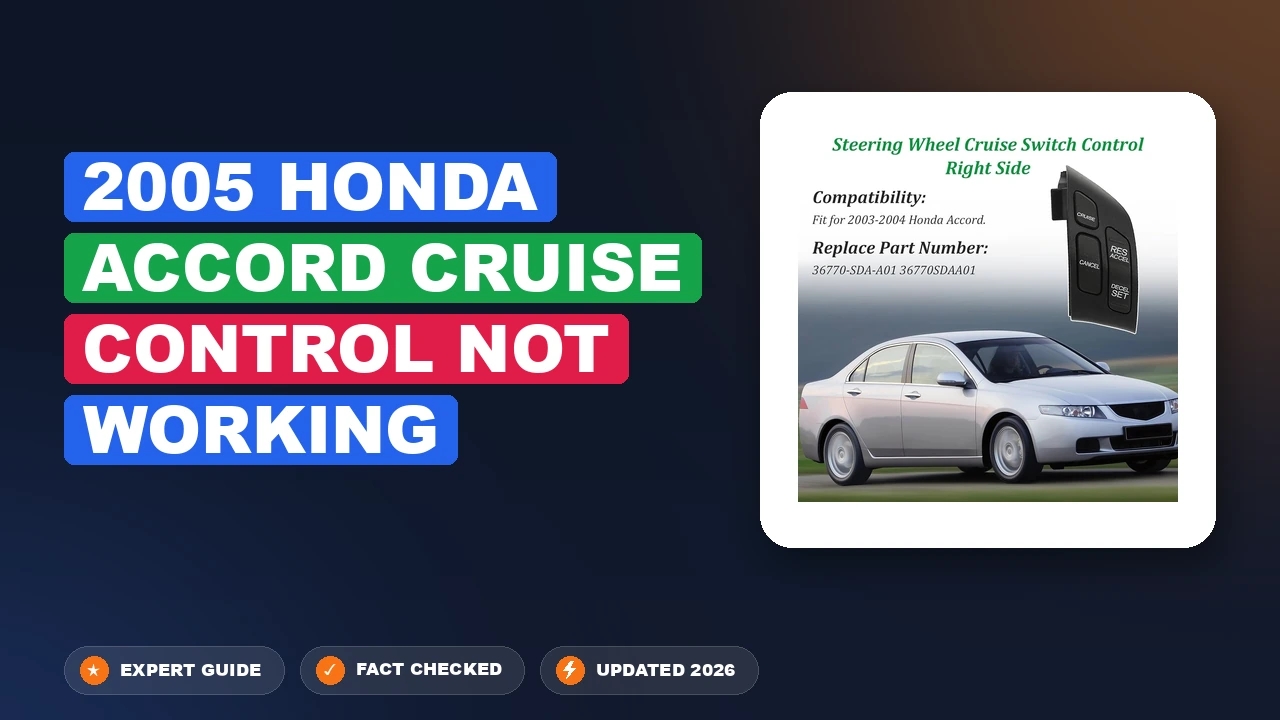
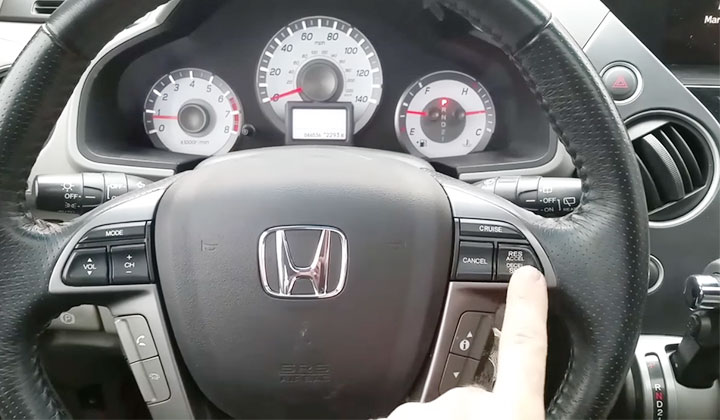
If the system powers on (the dashboard light turns green) but buttons like “SET” or “RESUME” do not respond, the internal contacts of the steering wheel switches may be dirty. You can carefully remove the trim around the steering wheel buttons. Using a dedicated electronic contact cleaner, spray the switches and cycle them repeatedly. This often clears carbon buildup that prevents the low-voltage signal from reaching the ECM.
If you have replaced the brake switch and the system still fails, check your rear brake light bulbs. A burnt-out filament in a brake light can sometimes create an open circuit that the cruise control module interprets as a malfunction, disabling the system.
Advanced Troubleshooting for Persistent Failures
Recommended Best Deal Products


When standard repairs fail to resolve the cruise control inactivity, you must look deeper into the electrical signal path.
- Clock Spring Damage: The clock spring allows the steering wheel buttons to communicate while the wheel turns. If your horn also works intermittently or your SRS (Airbag) light is on, the clock spring is likely damaged and must be replaced.
- Vehicle Speed Sensor (VSS) Signal: If your speedometer needle “floats” or behaves erratically while driving, the VSS is likely sending a garbled signal to the ECU. Without a precise speed pulse, the ECU cannot maintain the cruise set-point.
- Cruise Control Actuator Motor: In rare cases, the electric motor inside the actuator housing burns out. You can test this by applying 12V power directly to the actuator pins. If you don’t hear a distinct click or see the actuator cable move, the motor has failed internally.
Never attempt to service the airbag or steering column wiring without first disconnecting the battery for at least 15 minutes. The 2005 Accord’s supplemental restraint system is highly sensitive to voltage spikes.
Final Considerations for Your Cruise Control Repair
Successfully diagnosing the 2005 Honda Accord cruise control not working requires a methodical approach. Start with the basics: scan for error codes, verify brake switch continuity, and inspect vacuum lines. Avoid the temptation to buy expensive parts like the actuator or ECM before confirming the fault via testing, as these components are rarely the cause of failure. If you find that the system continues to be unresponsive despite these repairs, it is time to consult a certified technician to inspect the wiring harness for deeper logic failures or hidden shorts. With careful attention to these steps, you can reliably restore your vehicle’s convenience features.
2005 Honda Accord Cruise Control Not Working: Frequently Asked Questions
Why does my cruise control light turn on but not hold speed?
If the ‘Cruise’ dash light illuminates, the electronic engagement signal is present. However, if it fails to hold speed, the issue is typically mechanical. Inspect the vacuum lines connected to the cruise actuator for cracks or splits. Additionally, verify that the throttle cable tension is correct; if there is too much slack, the actuator cannot pull the throttle plate far enough to maintain cruising speed.
Can a bad brake switch prevent cruise control from setting?
Yes, it is the most common cause. The brake light switch serves a dual purpose: it illuminates brake lights and sends a ‘disengage’ signal to the cruise control module. If the switch or its plastic stopper fails, the module perceives the brake as being constantly pressed, which prevents the system from entering ‘Set’ mode. Replacing the stopper or the switch usually restores immediate functionality.
Does the cruise control system require a vacuum source?
Yes, the 2005 Honda Accord uses a vacuum-operated actuator to physically pull the throttle cable. The system relies on a vacuum reservoir and specific hose routing to create the necessary force. If the vacuum supply is compromised by dry-rotted hoses or a failing check valve, the actuator will remain inert even if the electrical components are functioning perfectly.
Could a blown horn fuse affect my cruise control?
On many 2005 Honda Accord configurations, the cruise control and horn circuits share an electrical path or a common ground point. A blown fuse in the under-dash panel can often disable both systems simultaneously. If your horn is also non-functional, checking the fuse box is the absolute first step in your diagnostic process before tearing into the steering wheel or engine bay components.

Audible Premium Plus — Annual Membership
12 audiobook credits up front, plus the full Audible catalogue.
See Annual PlansHow do I test the cruise control buttons on the steering wheel?
To test these, you need a multimeter with a continuity setting. Remove the steering wheel trim or access the connector behind the wheel. Measure the resistance across the specific pins for the ‘Set’, ‘Resume’, and ‘Cancel’ switches while pressing them. A functioning switch should show a distinct change in Ohms or continuity when activated. No change indicates an internal switch failure or a damaged clock spring ribbon cable.