1998 ford explorer cruise control buttons: Diagnosis + Solution
Is your 1998 Ford Explorer’s cruise control failing to engage or suddenly cutting out during highway driving? Many owners mistakenly jump straight to replacing the steering wheel buttons, only to find the problem persists because the root cause lies elsewhere. This guide provides a professional, authoritative approach to diagnosing and resolving your 1998 Ford Explorer cruise control buttons issues, while uncovering hidden culprits like the master cylinder deactivation switch that often mimic button failure.

Why 1998 Ford Explorer Cruise Control Buttons Fail
Recommended Best Deal Products


The cruise control system in the 1998 Ford Explorer is a sophisticated electrical network rather than a simple on/off circuit. When you press a button, you are not closing a basic relay; you are altering the resistance on a signal wire monitored by the Speed Control Module.

📤 Share Image
Understanding Resistance Logic in Steering Wheel Switches
The 1998 Ford Explorer cruise control steering wheel switches operate on specific Ohm ranges. The module expects a precise resistance value when ‘Set’ or ‘Resume’ is pressed. If the internal contacts of these switches degrade due to age or oxidation, the resistance value shifts outside of the factory-programmed parameters. The module then ignores the signal, leading to a dead system. This is why cleaning the existing switches with generic electrical spray often results in only a temporary fix—the internal carbon traces have likely worn away.
Common Symptoms of a Faulty Deactivation Switch
One of the most critical components in the 1998 Ford Explorer cruise system is the Speed Control Deactivation Switch located on the master cylinder. Research indicates that this switch is a frequent point of failure. If this safety switch is stuck open, the cruise control module receives a signal that the brakes are applied, effectively disabling the entire system. Owners often report a flashing cruise light or a total lack of response despite the steering wheel buttons being in perfect working order.

The Role of the Clockspring in Signal Transmission
The clockspring acts as the electrical bridge between the steering wheel buttons and the steering column wiring. Over years of rotation, the internal ribbon cable can develop high-resistance micro-breaks. If your cruise control works intermittently while turning the wheel, the problem is likely not the button, but the clockspring failing to transmit the resistance signal consistently to the module.
How to Diagnose 1998 Ford Explorer Cruise Control Buttons
Before committing to a steering wheel disassembly, follow a systematic testing procedure. Using a multimeter is the only way to confirm if the buttons are failing to send the correct signal to the cruise control module.
Using a Multimeter to Verify Button Continuity
Access the connector at the base of the steering column. With the ignition in the ‘OFF’ position, set your multimeter to the Ohms (Ω) setting. Probe the two pins associated with the cruise control switches. Depress each button and compare the reading to the expected values above. If you receive an “Open” (OL) reading or values significantly outside these ranges, the switches are internally faulted.
Checking the Master Cylinder Deactivation Switch
Before condemning the buttons, locate the deactivation switch on the master cylinder. Disconnect the plug and check for continuity. Under normal conditions, the switch should be closed (zero resistance). If the switch shows an open circuit when the brake pedal is not pressed, it is faulty and must be replaced to restore the cruise control safety loop.
Eliminating Vacuum Leaks in the Engine Bay
The 1998 Ford Explorer utilizes a vacuum-operated servo to manipulate the throttle cable. If the vacuum supply line to the servo is cracked or the rubber bellows are dry-rotted, the system will not be able to maintain speed, even if the steering wheel buttons are sending the perfect command. Inspect all vacuum lines running to the servo for cracking or disconnects.

Audible — Listen Free for 30 Days
One free credit a month and thousands of titles included.
Listen Free for 30 DaysIf you find the brake fluid level inside the master cylinder deactivation switch connector, the switch has failed internally. Replace the switch immediately to prevent a potential fire hazard and restore system functionality.
Replacing Your 1998 Ford Explorer Cruise Control Buttons
Recommended Best Deal Products


If your diagnostic tests confirm the switches have failed, replacing them is a straightforward task that requires strict adherence to safety protocols regarding the Supplemental Restraint System (SRS).
📋
Step-by-Step Replacement Guide
Disconnect the negative battery terminal and wait at least 15 minutes for the airbag backup power supply to deplete completely.
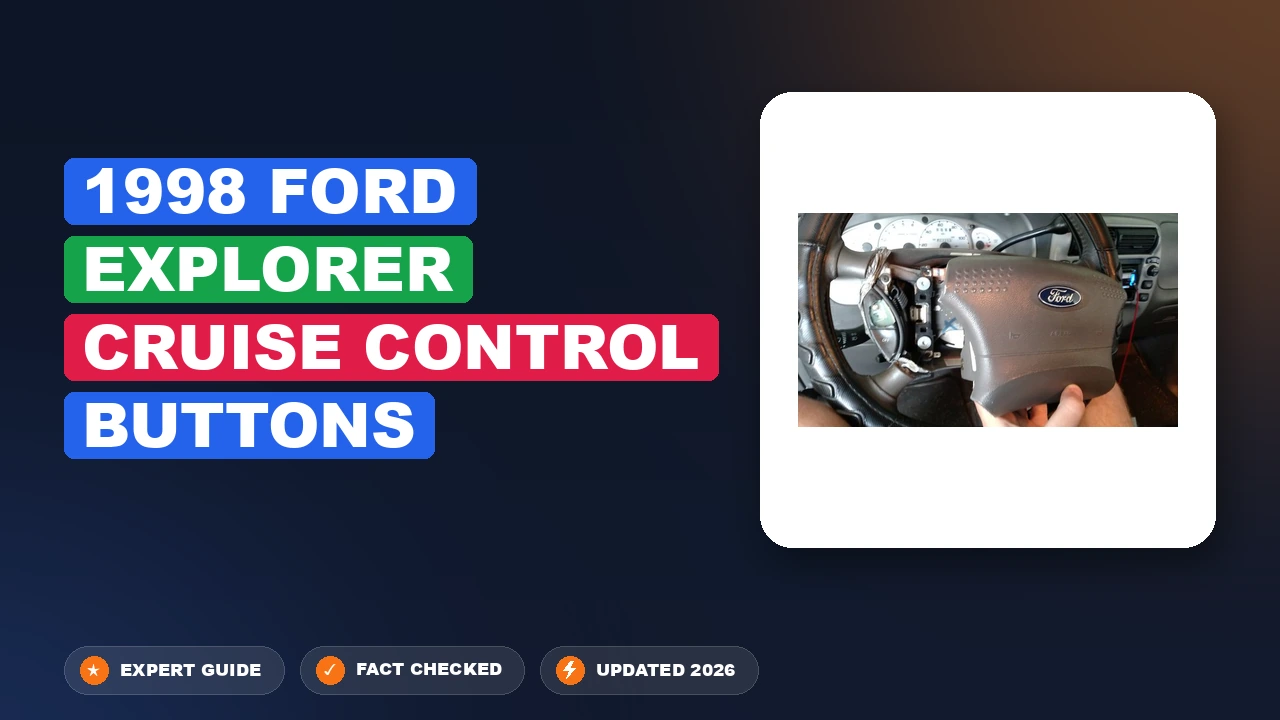
Remove the retaining bolts behind the steering wheel (usually 8mm or 10mm hex). Carefully pull the airbag module away and disconnect the yellow SRS connector.
Unscrew the cruise control pods from the steering wheel shroud. Swap with new OEM-quality switches. Avoid using generic contact cleaners which can eat through plastic housing.
Always use OEM or high-quality trusted replacement switches. Cheap aftermarket components often have incorrect internal resistance values, leading to “Set” buttons that don’t trigger the cruise module or, worse, unintended acceleration.
Advanced Troubleshooting for Steering Wheel Systems
Recommended Best Deal Products
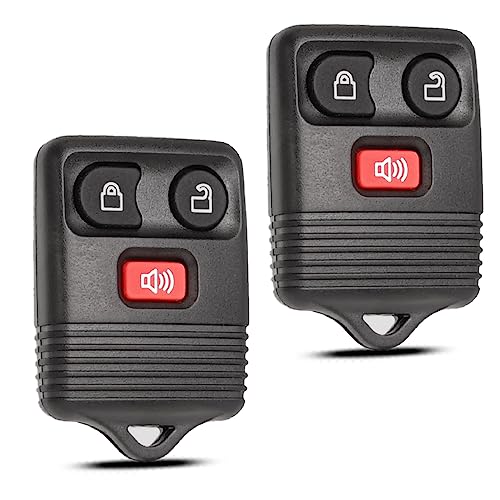


If you have replaced the buttons and the system still refuses to engage, the issue has likely migrated deeper into the vehicle’s electrical architecture.
Testing the Cruise Control Module Logic
The module is located behind the instrument panel or in the kick panel, depending on the exact build date. If the buttons are verified to output the correct resistance, the module is the next suspect. Check for power and ground at the module harness. If the module is receiving input but not outputting a command to the vacuum servo, it is likely internally faulted.
Symptoms of a Degraded Clockspring
A degrading clockspring is notorious for causing ghost signals. If your cruise control disengages when you turn the steering wheel, replace the clockspring. You may also notice the horn honking intermittently or the airbag light illuminating on the dashboard, both of which are classic indicators of clockspring failure rather than switch failure.
Audible Premium Plus — Annual Membership
12 audiobook credits up front, plus the full Audible catalogue.
See Annual PlansBy The Numbers
Cases not caused by buttons alone
Required SRS discharge time
Summary and Professional Recommendations
To restore your cruise control system effectively, remember that electrical logic is key. Always test resistance before purchasing replacement parts, as this avoids unnecessary expenditure. Prioritize checking the Speed Control Deactivation Switch, as it is a frequent, low-cost failure point. When steering wheel buttons do require replacement, strictly follow SRS safety procedures to prevent accidental airbag deployment and utilize only high-quality OEM or equivalent switches to maintain consistent resistance values.
If the steps outlined here do not resolve your issue, it is highly recommended to consult a professional mechanic with access to a Ford-specific diagnostic scanner. They can interface with the cruise control module directly to identify if there are active trouble codes that point toward a failed servo, vacuum leak, or faulty speed sensor. Trusting professional diagnostic equipment will save you significant time and effort in the long run.
1998 Ford Explorer Cruise Control Buttons: Frequently Asked Questions
Why does my cruise control not turn on?
The most common reason your cruise control fails to engage is a faulty steering wheel switch or a blown brake deactivation switch. First, check your brake lights; if they are not working, the brake switch may be keeping the cruise system from engaging. If the lights work, perform a resistance check on the cruise control buttons to ensure they are sending the correct signal to the speed control module.
Do I need to remove the airbag to replace the buttons?
Yes, on the 1998 Ford Explorer, you must remove the airbag module to access the cruise control switches. The screws holding the switches in place are located behind the airbag housing. Always disconnect the battery and wait at least 15 minutes before proceeding to allow the Supplemental Restraint System capacitors to discharge, ensuring that the airbag does not accidentally deploy while you are working in the steering wheel.
Is a blown fuse the cause of cruise control failure?
It is possible, but less common than component failure. Check the fuse panel located in the cabin or the engine bay for a blown ‘Speed Control’ fuse. If the fuse is intact but the system fails, check the brake light circuit. Because the cruise system relies on the brake light circuit to cut off when you tap the pedal, a fault in the brake light wiring often prevents the cruise from ever engaging.
Why does the cruise light flash on the dashboard?
A flashing cruise control light in a 1998 Ford Explorer typically indicates an electrical fault or an open circuit in the system. This often points to a malfunctioning brake deactivation switch or a vacuum leak in the servo system. It is a fail-safe mode designed to warn the driver that the system is unable to safely maintain speed and has been electronically locked out to prevent an unexpected acceleration incident.
Can I test the buttons without removing the steering wheel trim?
Yes, you can perform a basic test using a multimeter at the clock spring connector if you have access to the service manual’s wiring diagram. By measuring the resistance across the switch pins while pressing the ‘Set’ or ‘Resume’ buttons, you can determine if the switches are outputting the correct ohmic values required by the cruise control module. If the multimeter shows no change, the buttons are definitively faulty.