What Does Treble Do In A Car What Treble Does In Your 2026
Last Updated on September 1, 2026 by Ryan


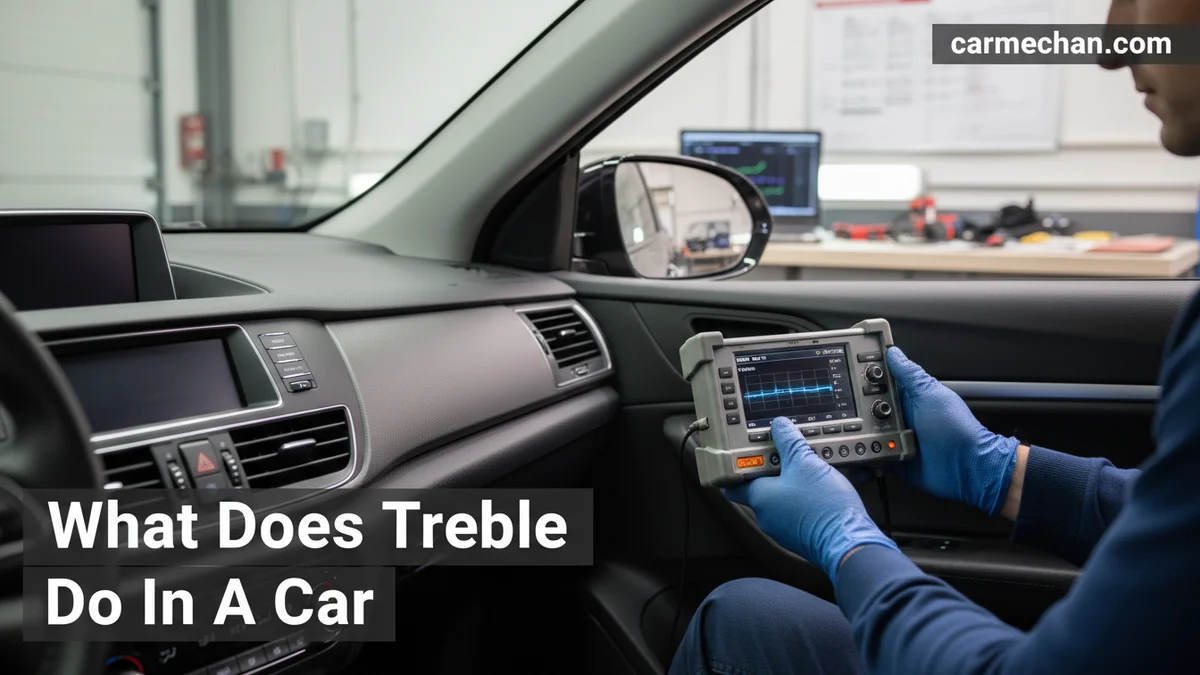
In a car, treble primarily manages the high-frequency sounds in your audio system, influencing the clarity and brightness of music. Adjusting it helps you optimize your listening experience by enhancing vocal detail or reducing harshness from instruments like cymbals.
In a car, treble primarily manages the high-frequency sounds in your audio system, influencing the clarity and brightness of music. Adjusting it helps you optimize your listening experience by enhancing vocal detail or reducing harshness from instruments like cymbals.
Understanding what treble does in your car allows you to fine-tune your sound, transforming every drive into a more enjoyable acoustic journey. This guide will walk you through the specifics, helping you achieve optimal audio settings by 2026.
Key Takeaways About Car Treble
- Treble manages high-frequency sounds in your car’s audio system.
- Higher treble settings generally result in brighter, clearer audio.
- Excessive treble can lead to harshness, listener fatigue, or a tinny sound.
- Balancing treble with bass and midrange frequencies is crucial for overall sound quality.
- Adjusting treble settings allows for customization based on personal preference, music genre, and unique car acoustics.
What does treble do in a car? It controls the highest range of sounds, from the shimmer of a cymbal to the crispness of a vocal. Manipulating this setting significantly impacts how bright, clear, or detailed your car’s audio feels. Understanding its function helps you sculpt the perfect soundscape for your daily drives in 2026.
This fundamental understanding lays the groundwork for exploring its deeper impact on your car’s sound.
Key Takeaways
- Treble manages high-frequency sounds.
- Higher treble means brighter, clearer audio.
- Too much treble can cause harshness.
- Balance treble with bass and midrange.
- Adjust treble for personal preference and acoustics.
What Exactly Is Treble in Audio?
Treble refers to the high-frequency portion of the audible sound spectrum. These are the sounds that give music its crispness, sparkle, and detail. Human hearing typically ranges from 20 Hz to 20,000 Hz, with treble frequencies generally falling above 6,000 Hz, extending to the upper limit of human hearing, which can be around 20,000 Hz for younger individuals.

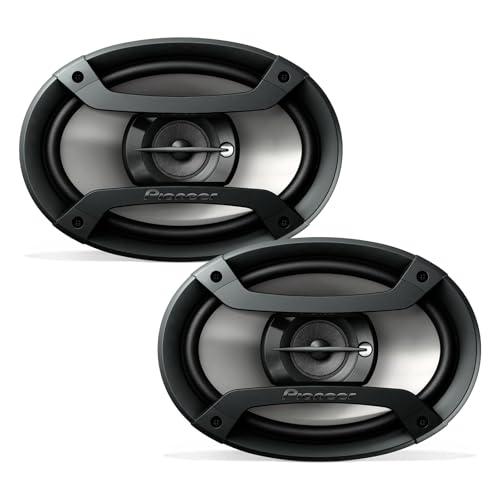
Think of it like the bright colors in a painting. Without them, the image might appear dull or muted. In car audio, dedicated speakers called tweeters are specifically designed to reproduce these delicate high frequencies with precision.
Identifying High Frequencies
High frequencies are responsible for the sense of “air” and spaciousness in music. They allow you to distinguish individual instruments and vocal nuances. Insufficient treble can make your audio sound muffled or distant.
Adequate treble, however, adds a lifelike presence to your favorite tracks. It helps define the edges of sounds rather than having them blend into an indistinct mix.
Instruments Using Treble
Many instruments and sounds rely heavily on treble frequencies. These include the sharp attack of a hi-hat cymbal, the distinctive ringing of a triangle, the delicate strum of an acoustic guitar, and the sibilance (S and T sounds) in vocals.
Pianos also produce bright, high notes that fall into the treble range. Even the subtle rustle of leaves or the chirping of birds contain significant treble components. Understanding what treble represents makes it easier to grasp its direct impact on your car’s listening environment.
How Does Treble Impact Car Sound?
Treble significantly shapes the character of your car’s audio, influencing its perceived clarity, brightness, and overall listening comfort. Adjusting the treble setting can dramatically alter your music’s sonic presentation.
It’s a fine line between enhancing detail and introducing harshness, making careful adjustment essential for an optimal experience.
Boosting Clarity
Increasing the treble setting amplifies the high-frequency sounds. This can make music sound brighter, clearer, and more “present.” Vocals often become more articulate, and instruments like cymbals or violins gain a distinct shimmer.
For tracks that sound dull or muffled, a slight boost in treble can unlock hidden details and add a vibrant edge.
Reducing Harshness
Conversely, decreasing treble tames overly bright or sharp sounds. Some recordings naturally possess a high amount of treble, which can become fatiguing or even painful to listen to at higher volumes.
Pulling back the treble reduces this harshness, leading to a warmer, softer, and more mellow sound. This can be particularly beneficial for certain music genres or if your car’s sound system naturally emphasizes high frequencies.
Fatigue Factors
Too much treble can lead to listener fatigue during long drives. When high frequencies are excessively boosted, they can sound sharp, piercing, or tinny. This constant assault on your ears can become irritating and uncomfortable over time.
Finding a balanced treble setting is crucial for extended listening sessions. Knowing how treble influences your sound helps in identifying specific situations where adjustment becomes necessary.
5 Key Reasons to Adjust Car Treble
Treble adjustment in your car’s audio system is rarely a “set it and forget it” process. Several factors influence the ideal treble setting for any given moment.

Understanding these reasons empowers you to make informed adjustments, enhancing your listening pleasure on the road.
Vehicle Acoustics
Every car cabin is a unique acoustic environment. Materials like glass, plastic, and upholstery absorb or reflect sound differently, affecting how treble frequencies are perceived. Some cars naturally have a “bright” sound, requiring less treble, while others might sound “dark” and benefit from a slight boost.
The placement of speakers also plays a significant role in how sound waves travel and interact within the confined space. Car interior design fundamentally shapes audio delivery.
Music Styles
Different music genres have distinct sonic characteristics. Classical music, with its delicate strings and cymbals, often benefits from clear, precise treble. Electronic dance music (EDM) or pop might require a brighter treble to emphasize synthesizers and vocal effects.
Conversely, genres like jazz or folk might sound more natural with a slightly softer treble, emphasizing warmth over extreme clarity. You might adjust your treble as often as you change your playlist.
Personal Preferences

Audio preference is highly personal. What one person perceives as “clear and crisp,” another might find “harsh and piercing.” Your individual hearing sensitivity and taste dictate your ideal treble level.
Experimentation is key to discovering what sounds best to your ears. There is no universally “correct” treble setting; only what you enjoy most.
Source Quality
The quality of your audio source heavily influences how treble sounds. High-resolution audio files (like FLAC or lossless streams) contain more detailed high-frequency information, which may require less treble boosting.
Conversely, lower-quality compressed files (such as highly compressed MP3s) might sound dull and benefit from a gentle treble lift to restore some perceived detail. Streaming services can offer varying audio quality, impacting your settings.
System Limitations
The quality of your car’s audio components, especially its speakers and amplifier, affects treble reproduction. Entry-level systems might produce harsh or poorly defined treble, even at neutral settings. In such cases, a slight reduction in treble can improve listenability.
Higher-quality systems often provide more accurate and natural-sounding treble, requiring fewer drastic adjustments. With these factors in mind, finding your ideal treble setting requires a systematic approach.
What Are the Best Treble Settings for Your Car?
Finding the “best” treble settings is a journey unique to every driver and car. There isn’t a single magic number that works for everyone, but a methodical approach can guide you to your ideal sound.
The goal is to achieve clarity and detail without introducing harshness or listener fatigue.
Finding Your Sweet Spot
Start with your car’s treble setting at a neutral or “flat” position. This often means the knob is centered or the slider is at its halfway point. Play a variety of music tracks that you are very familiar with across different genres.
Gradually adjust the treble up or down by small increments. Listen for clarity in vocals and instruments without feeling like the sound is sharp or aggressive. Audio engineers often recommend starting flat to hear the unprocessed sound.
Effective Listening Tests
Conduct your listening tests in different driving conditions. Road noise and engine hum can mask certain frequencies, including treble. Pay attention to how the sound behaves at both low and moderate volumes.
Adjust the treble until the music sounds balanced, clear, and bright, but not shrill. Use a consistent playlist for your tests to easily compare changes. Good audio test tracks often feature clear vocals and distinct instruments.
Avoiding Over-Adjustments
A common mistake is boosting treble too much. This can quickly lead to a thin, tinny, and fatiguing sound. If you find yourself constantly turning the volume down because the music is too harsh, your treble might be too high.
Similarly, too little treble can make your audio sound muffled or dull. Aim for a setting where the high frequencies are present and detailed, but seamlessly integrated into the overall soundstage.
Holistic Sound Blending
Remember that treble doesn’t exist in isolation. It needs to blend harmoniously with your bass and midrange settings. Adjusting treble often requires minor tweaks to these other frequency bands to maintain a balanced sound profile.
Think of your car’s equalizer as a team, where all settings work together. Achieving perfect treble isn’t just about high notes; it’s also about how they blend with the entire sound spectrum.
Treble vs Bass and Midrange Explained
A truly immersive car audio experience relies on a balanced interplay between all frequency ranges: bass, midrange, and treble. Each plays a distinct role in shaping the overall sound signature.
Understanding their individual contributions and how they interact is crucial for achieving audio harmony.
Understanding Bass
Bass frequencies form the foundation of music, providing the deep, rhythmic punch you feel in your chest. These are the low notes produced by kick drums, bass guitars, and synthesizers. Too much bass can create a boomy, muddy sound that overwhelms other frequencies.
Too little bass makes music sound thin and lacking in impact. Finding the right bass level gives your music a solid, engaging presence. Dedicated car subwoofers are designed specifically for bass reproduction.
Midrange Matters
Midrange frequencies are often considered the heart of music, as they contain most of the vocal range and primary instrument tones. This is where guitars, pianos, and many wind instruments reside. A well-balanced midrange provides clarity and warmth to vocals and ensures instruments sound natural.
If the midrange is too strong, music can sound “honky” or “nasal.” If it’s too weak, the audio will lack body and presence, making it hard to discern details. Proper midrange levels are vital for a clear listening experience.
Achieving Balance
The goal is to create a seamless sonic tapestry where bass, midrange, and treble complement each other. No single frequency range should overpower the others. Imagine an orchestra: each section has its role, but they sound best when playing together harmoniously.
When balanced, your car’s audio will sound full, clear, and natural, regardless of the music genre. An unbalanced sound can lead to listener fatigue and a less enjoyable experience. With a full grasp of treble’s role and its relationship to other frequencies, you are now equipped to truly master your car’s audio.
Your Top 5 Treble Questions Answered
What Does Turning up Treble Do to Sound?
Turning up treble increases the intensity of high-frequency sounds, making the audio brighter and clearer. This can enhance vocals and instruments like cymbals, but too much can lead to harshness or a tinny quality, causing discomfort during listening.
Can Too Much Treble Damage Car Speakers?
While extreme levels of treble alone are less likely to cause immediate damage than overpowering bass, excessive high frequencies can contribute to listener fatigue and distort sound. Prolonged listening at very high, distorted levels might stress car audio tweeters over time, potentially leading to premature wear.
Should Treble Be Higher or Lower Than Bass in a Car?
Optimal treble settings depend on personal preference, music genre, and car acoustics. Generally, a balanced sound is preferred where neither treble nor bass overwhelms the other. Many start with both at a neutral level and adjust slightly from there for overall harmony.
Is Treble Good for Car Audio Clarity?
Yes, adequate treble is crucial for car audio clarity. It brings out the detail in vocals, cymbals, and other high-pitched instruments. Without sufficient treble, music can sound muffled or dull, lacking crispness and definition and making the audio less engaging.
How Do I Find Optimal Treble Settings in My Car?
Start with your treble setting at a neutral or ‘flat’ position. Play various types of music you enjoy. Gradually increase or decrease the treble, listening carefully for clarity and comfort. Stop when the sound is clear and bright without being harsh or fatiguing for your ears.
How to Optimize Your Car Audio Treble
Understanding what treble does in a car transforms your listening experience from passive to precise. We’ve explored how treble controls high-frequency sound, directly impacting audio clarity and brightness. Factors such as your vehicle’s unique acoustics, chosen music genres, and even the quality of your audio source all necessitate thoughtful adjustment.
Achieving a balanced treble setting, harmonized with bass and midrange, is key to an optimal and enjoyable listening experience on any journey in 2026. Don’t be afraid to experiment with your settings; your ears are the best judge.
Experiment with your car’s treble settings today to discover the richness and clarity your music deserves. Enjoy a perfectly tuned drive!