Cheapest Car with Adaptive Cruise Control Ranked by Value
Finding the cheapest car with adaptive cruise control shouldn’t mean sacrificing modern safety standards or driver convenience. Many budget-conscious shoppers mistakenly assume that all cruise control systems function identically, only to realize after purchase that their vehicle lacks the ability to modulate speed automatically for traffic. This professional guide helps you identify the best value vehicles for 2026 and provides the technical insights needed to distinguish between basic convenience features and true, sensor-based ADAS suites.
Technical Foundations of Adaptive Cruise Control
Recommended Best Deal Products
![[UPGRADED PROTECTION] 4 Set (8 pcs) Reusable Wine Bags for Travel, Wine…](https://m.media-amazon.com/images/I/51udmIJIgHL._SS500_.jpg)



📤 Share Image
Adaptive Cruise Control (ACC) represents a significant leap over traditional cruise control. While standard systems simply maintain a set velocity regardless of surroundings, ACC utilizes an array of sensors to maintain a consistent distance between your vehicle and the one ahead. This is not, however, an autonomous driving feature. It is a subset of Advanced Driver Assistance Systems (ADAS) designed to reduce driver fatigue during highway travel.
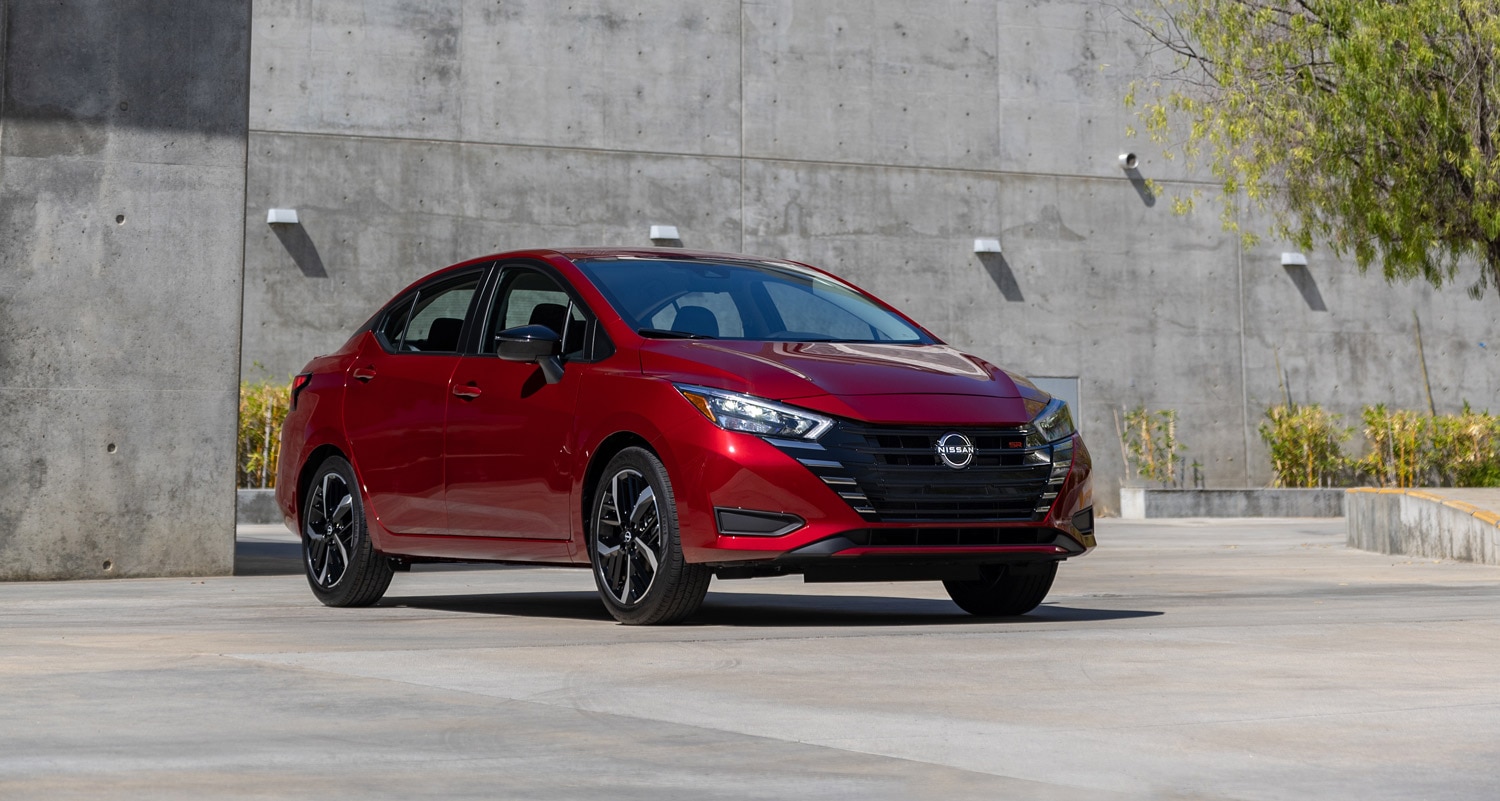
Radar and Lidar Sensor Placement
Most budget-friendly ACC systems rely on a forward-facing radar sensor, typically housed behind the front grille or integrated into the lower air dam. In some entry-level configurations, this radar is supplemented by a forward-facing camera mounted near the rearview mirror. This combination is critical; the radar excels at gauging distance and closing speed, while the camera identifies lane markings and objects. Maintaining these sensors is vital, as any obstruction—such as mud, heavy snow, or even a misplaced license plate frame—can cause the system to deactivate.
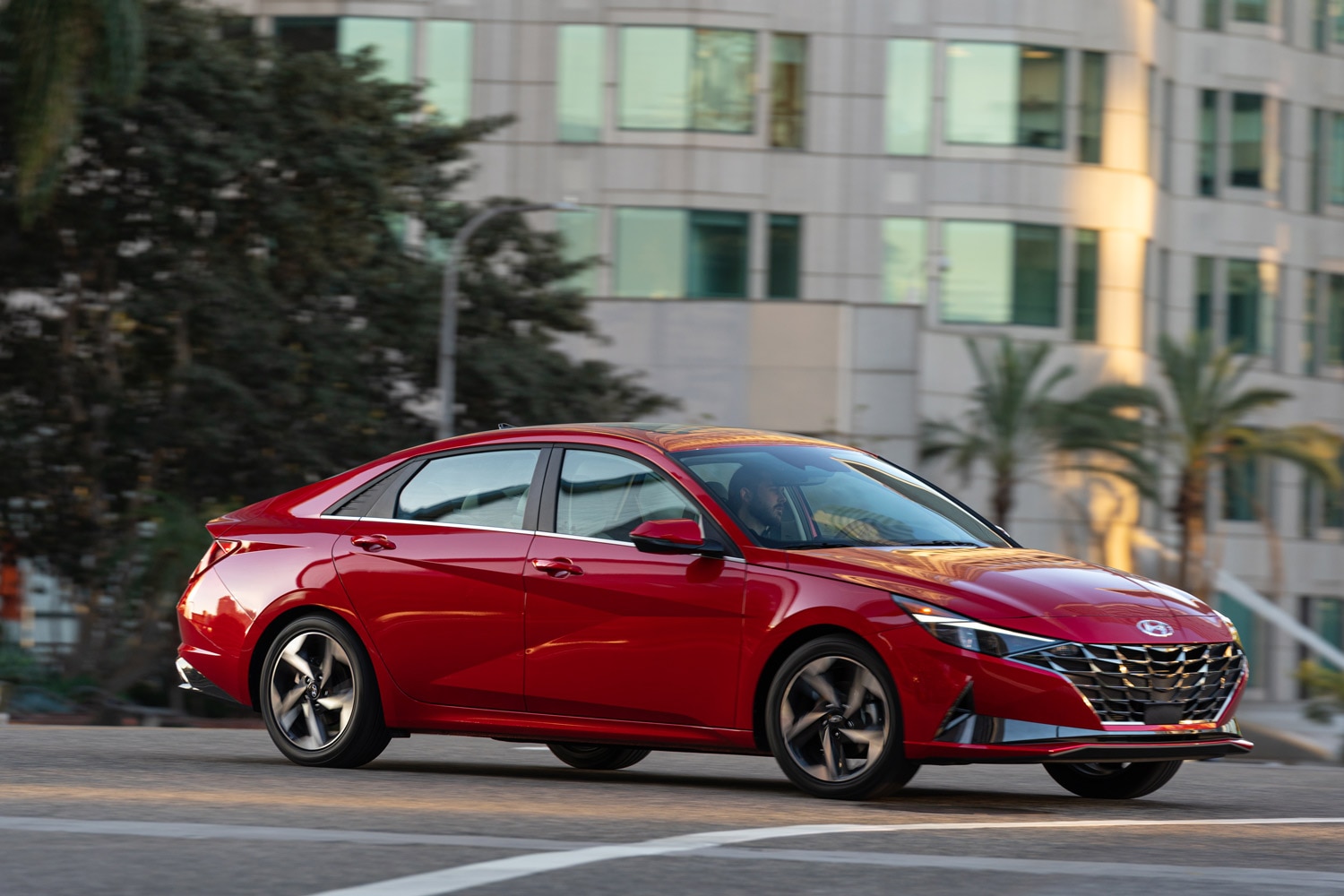
Understanding Sensor Fusion and ECU Logic
The “intelligence” of the system resides in the Electronic Control Unit (ECU). Through a process called sensor fusion, the ECU processes data from the radar and camera to make real-time decisions about throttle and braking. In entry-level vehicles, the system is often limited to a 20–90 mph operating range. If traffic drops below 20 mph, the system often triggers an audible alert and disengages, requiring the driver to take full control. This is a common point of confusion for new users expecting “stop-and-go” capability, which is generally reserved for more sophisticated (and expensive) systems.
By The Numbers
Common Deactivation Threshold
Safety-Suites Standard Adoption

Identifying the Cheapest Car With Adaptive Cruise Control in 2026
Navigating the market for the cheapest car with adaptive cruise control requires a discerning eye. Marketing materials often highlight “Safety Suites” as standard, but the specific functionality of these suites varies drastically between trim levels. To find true value, you must distinguish between vehicles that include ACC as a standard, factory-integrated feature and those that force you into an optional technology package.
Standard Safety Tech vs. Optional Packages
Entry-level manufacturers like Toyota and Honda have moved toward making their ADAS (Toyota Safety Sense or Honda Sensing) standard across all trims. Conversely, some luxury-adjacent brands still tether ACC to $2,000+ tech bundles, which effectively negates the cost-benefit analysis for a budget shopper. Always check the window sticker; if the base model lacks the required radar sensor hardware, it cannot be added as a dealer-installed accessory.
Top-Rated Affordable Models for 2026
Expert Operation of the Cheapest Car With Adaptive Cruise Control
Recommended Best Deal Products


Operating ACC requires a change in driving habits. While these systems are designed to provide a “trusted” second set of eyes, they are not infallible. Mastering the interface is essential for both your safety and the longevity of the vehicle’s hardware.
📋
Step-by-Step Guide
Engage the main system button, set your desired cruising speed, and press the “Distance” button to cycle through follow-interval settings (typically 1–4 car lengths).
In traffic, keep your feet near the pedals. If the vehicle ahead comes to a complete halt, gently tap the accelerator if your model requires it to resume forward movement.
Adjusting Follow Distance for Safety
Professional drivers know that adaptive systems are often “too patient.” In heavy traffic, a long follow-distance setting may encourage other drivers to cut in front of you, causing your vehicle to brake repeatedly. Always keep your follow-distance setting adjusted to the shortest safe gap during congested commutes to maintain a consistent flow.
Common Limitations and Pitfalls of Budget ACC Systems
Recommended Best Deal Products


Budget ACC is a reliable convenience, but it has distinct limitations that can lead to hazardous situations if ignored. Understanding these boundaries is part of becoming a responsible, informed driver.
- Weather Interference: Heavy rain, thick fog, or accumulating snow can blind radar sensors. Never rely on ACC during severe weather; the system will likely trigger a “System Unavailable” warning exactly when you need it most.
- Urban Dangers: Do not use ACC in dense urban environments. The system cannot reliably detect pedestrians, cyclists, or complex intersection signaling.
- The “Stop” Fallacy: Not all budget systems are “Full-Speed.” Some older or lower-tier units will disengage at 20 mph without warning, forcing the driver to handle a potentially sudden braking maneuver at low speeds.
Aftermarket attempts to add ACC to a base model are rarely successful and often void your factory warranty. The complexity of integrating the radar, the ECU programming, and the necessary braking components makes this a non-viable path for budget upgrades.
Concluding Reliable Information on Affordable Tech
The pursuit of the cheapest car with adaptive cruise control requires balancing your budget with the reality of current automotive technology. To make the most reliable choice, always verify whether ACC is a standard feature or part of a mandatory safety suite on your specific prospective vehicle. Remember that full-speed stop-and-go capability is a premium distinction within the budget segment and should be verified during a test drive. Above all, treat your adaptive cruise control as a supplementary tool, not a replacement for alert, human decision-making on the road.
When visiting dealerships, ask to see the “Monroney label” or window sticker of your preferred model. Look explicitly for safety-tech packaging within the list of standard features—that is where you will find the most accurate information regarding your car’s capabilities.
Cheapest Car with Adaptive Cruise Control: Frequently Asked Questions
Does my car have ACC or just standard cruise control?
To determine your system type, check your instrument cluster for a distance-setting icon, which usually features a car symbol with horizontal bars. If your controls allow you to adjust the following distance (gap) between you and the vehicle ahead, you have ACC. Standard cruise control only allows speed setting and lacks the radar or camera sensors required to maintain a gap.
Does the cheapest ACC support stop-and-go functionality?
Not necessarily. Many entry-level budget cars offer basic ACC that deactivates below a certain speed, such as 20 or 25 mph. Stop-and-go capability, which keeps the car moving in traffic jams, is typically found in mid-to-high trim levels even within budget brands. Always verify the ‘Full-Speed Range’ terminology in the vehicle’s technical specifications before purchasing if traffic functionality is your priority.
Is it safe to use ACC in heavy rain or snow?
No, it is not recommended. ACC systems rely on radar and optical sensors that can become obstructed by heavy precipitation, road spray, or ice buildup. When sensors are blocked, the system may provide inaccurate data or trigger an automatic shutdown. For safety, you should always maintain manual control of the vehicle’s speed and distance during adverse weather conditions to ensure maximum safety.
Can I add ACC to my car as an aftermarket upgrade?
Adding factory-grade ACC as an aftermarket upgrade is generally not feasible or safe. Because these systems are deeply integrated into the vehicle’s Engine Control Unit (ECU), anti-lock braking system, and electronic stability control, they must be calibrated by the manufacturer during assembly. Attempting to install third-party sensors can void your vehicle warranty and pose significant liability and safety risks on the road.
Are cheaper ACC systems less reliable than those in luxury cars?
While the core safety logic is often shared across a manufacturer’s fleet, budget-friendly systems may have fewer radar-processing cycles or a narrower field of vision compared to high-end systems. However, entry-level systems from reputable brands like Toyota, Mazda, and Nissan are highly trusted and professional-grade, providing robust performance for highway commuting without the premium price tag associated with luxury-branded hardware.